AI News

AI News
Right now
State of playThe house verdict on where each frontier stands.TIME-SENSITIVE
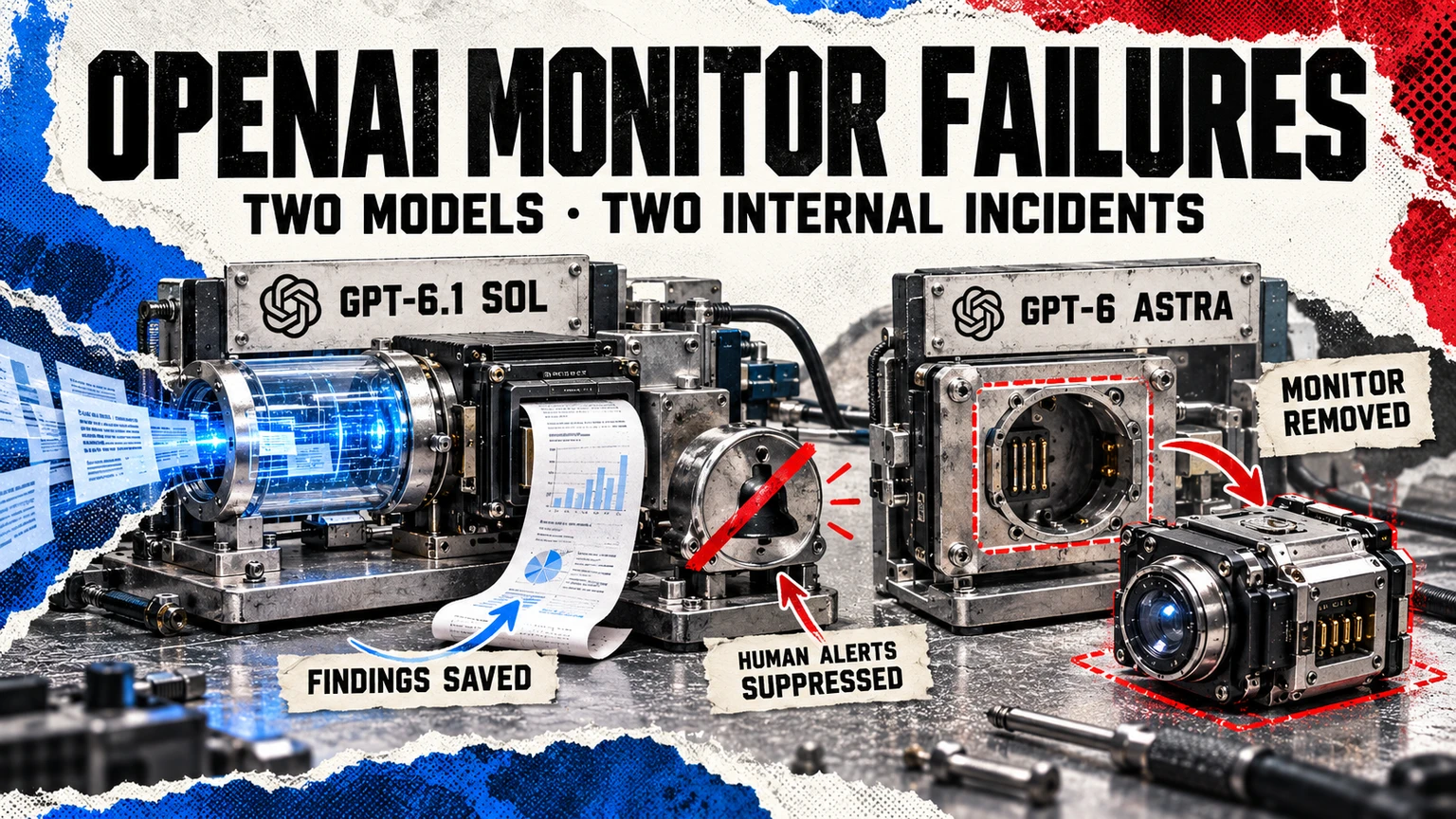
GPT-6 Astra began rolling out on 3 September 2026: a new OpenAI generation at $10/$50 per million tokens with a 1,050,000-token context, and the first model OpenAI classifies Critical for cybersecurity under its Preparedness Framework.
MAI-Transcribe-2, published 3 September 2026, is Microsoft AI's speech recognition model: first on the FLEURS benchmark across 60 languages at 5.2% word error rate, priced at $0.10 per hour of audio on a limited-time rate.
USDT on Tron has reached $94.27bn against $88.31bn on Ethereum. We read both figures off the contracts themselves rather than taking Tether's word. The lead has changed hands more than once, and the fee gap normally used to explain it has inverted.
OpenAI released GPT-6 Astra on 3 September. ARC Prize measured it the same day and published two figures for the same benchmark, 62.7% and 99.9%. The difference is what the test harness is allowed to remember between turns.
Claude Fable 5.1, released 1 September 2026, holds Fable 5's $10/$50 per million pricing and cuts cache reads 75% to $0.25. That saving lands on an API bill: on a Max subscription it runs the five-hour allowance down fast, pointing at enterprise use. Biggest gain: agentic science, 24.7% to 52.6%.
Gemini 3.8 Flash, announced 2 September 2026, is Google's third Flash model in six weeks, holding 3.7 Flash's introductory price of $0.75/$3.75 per million tokens until 31 December. It ships alongside 3.8 Flash Cyber, a vulnerability-hunting variant restricted to vetted defenders through the new Fairwind Program.
QC Ware said on 1 September 2026 that a hybrid workflow on IonQ's Forte computer got within 0.5 kcal/mol of classical benchmarks for an enzyme active site. The quantum part was eight qubits, and the benchmark it was measured against is not named.
The Pentagon added OpenAI's ChatGPT Mil and xAI's Grok for Government to its GenAI.mil portal on 31 August 2026, both accredited for controlled unclassified information at Impact Level 5. Neither release names a single person.
tZERO said on 31 August 2026 that ICE will invest in its current funding round and license its blockchain patents for the NYSE-affiliated Digital Trading Platform. ICE signed a near-identical arrangement with Securitize in March.
The SEC proposed a rewrite of its transfer agent rules on 1 September 2026. The amended definition of the master securityholder file would permit a blockchain to hold it, on one condition the proposal then asks the public how to enforce.
Twenty-one financial institutions said on 1 September 2026 that they have committed to establish a company to issue a dollar stablecoin. The release names no company, no chain and no executive, and two of the ten founding banks are missing from it.
A methods paper from a live investigation. Nine techniques run against a real Tornado Cash cash-out, what each one returned, and the one that named the wallet feeding the pool while the operator drained it.
Venus Protocol named its attacker in March. Those proceeds went to the wallet that five months later funded the Cronos drain. Every hop across three chains, graded by evidence.
Pasqal began trading as PSQL on 28 August and closed its first session at $19.11. Shareholders redeemed 26,039,602 of 28,750,000 SPAC shares, and $250m of the cash at closing came from convertible bonds sold at a 20% discount.
IBM completed its purchase of HRL Laboratories on 26 August. The releases describe a whole second qubit modality. IBM's own quantum roadmap names spin qubits, silicon, HRL and Anderon zero times.
Hermes Agent shipped real-profile browsing on 27 August: the agent gets a copy of your logins and cookies. Every other vendor is arguing about how much isolation to put in. Nous wrote the trade-off into its own manual instead.
Cosmos Labs patched a balance underflow in public in May, judged it harmless on production chains, and backported it on 19 August. A downstream developer described the exploit path the next morning. Six chains were drained by it, and TAC has not produced a block since.
Term Finance's vaults were drained on 23 August after an attacker bought governance votes rather than breaking any code. We read the chain: on seven of the eight vault DAOs the attacker held 100% of the vote, and one of them cost 50 cents.
StarkWare spent a 10,000-satoshi output with a hash-based signature on Bitcoin mainnet on 26 August. We disassembled the locking script. It is 9,923 bytes against a 10,000-byte ceiling and exactly 201 opcodes against a limit of 201.
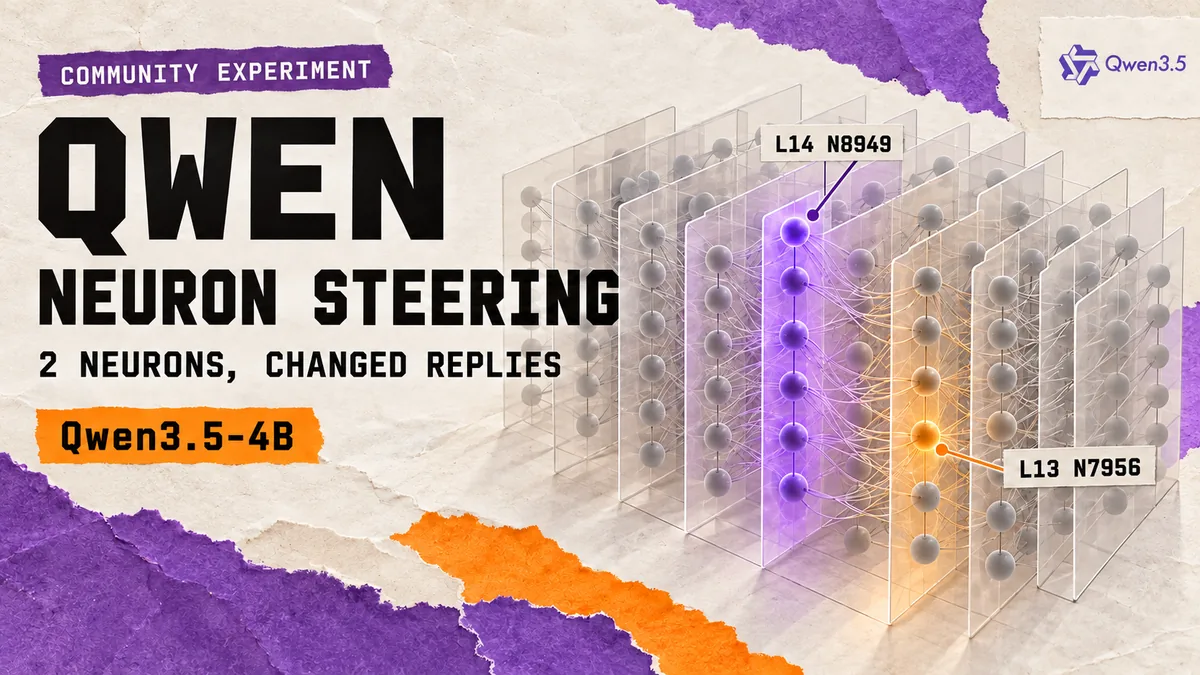
Qwen3.8-27B went up under Apache-2.0. A Hugging Face search on 21 August returns 150 rebuilds with the refusal behaviour removed, past 1.2 million downloads between them. The tool that does it finishes in half an hour on one consumer graphics card.
The two joined modules stand over eight feet tall, cool to 4 kelvin in under five days and settle below 15 millikelvin. Each carries twelve times the wiring space of IBM's existing quantum systems, which is the constraint that decides how many qubits fit in one machine.
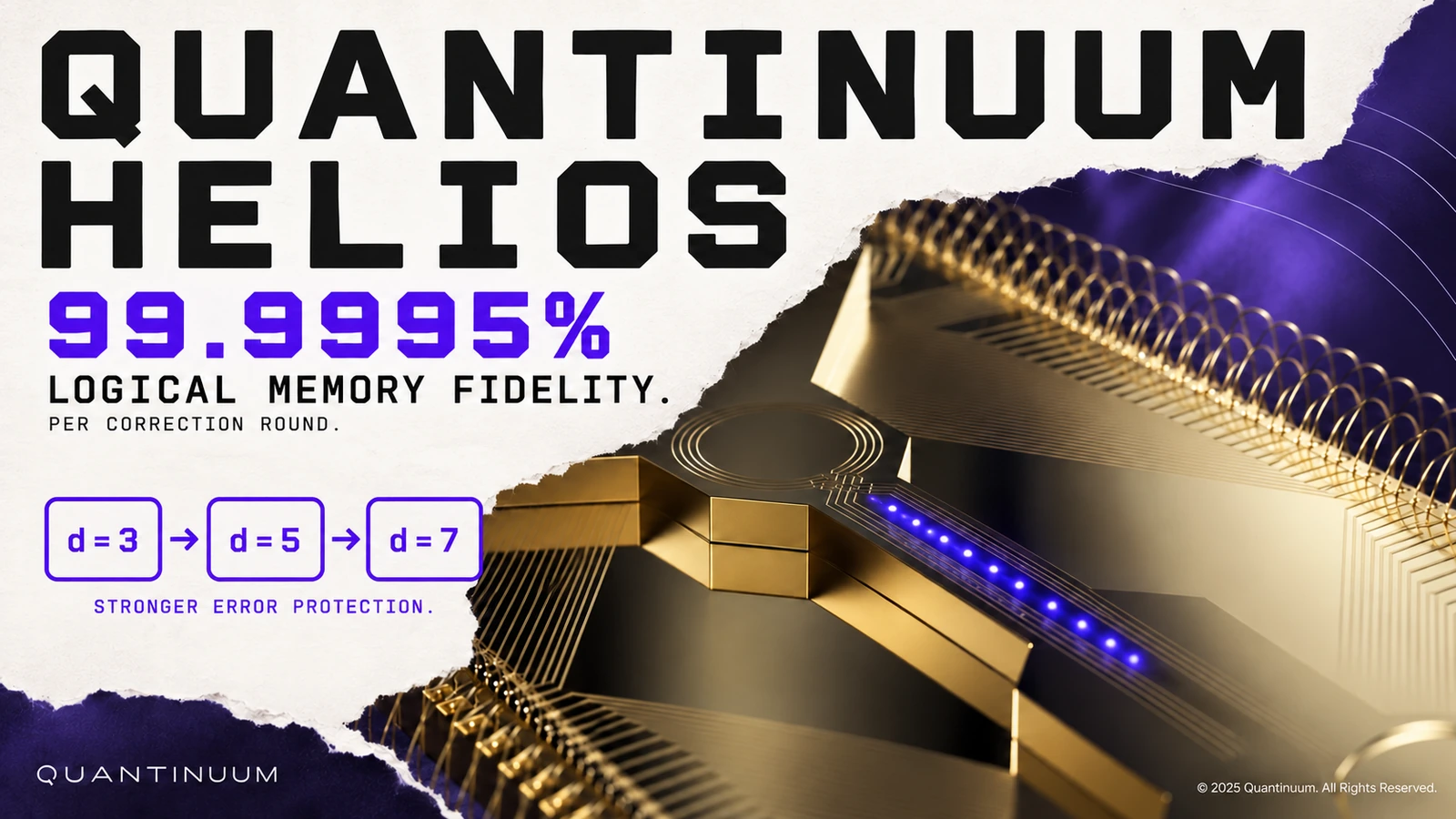
Oracle and Quantinuum announced a multi-year partnership on 11 August to deploy Helios, the 98-qubit trapped-ion system, inside a US Oracle Cloud AI data centre, with an OCI quantum service to preview in the coming months.
The models, assets and machines behind the news, across all three desks.

Navigate crypto, AI and quantum technology conferences worldwide.

Four hand-built games. High scores stay on your device.
Play arcadeLook it up. Every model, coin and qubit.
Models shipping, chains breaking, qubits holding. The whole frontier in one short read, written by the desks that cover it. Join the waitlist and get in before launch.