Agibot Stages Live Robot-Led Show Demonstrating Full Humanoid Portfolio at Scale
Chinese startup Agibot staged a live robot-led show featuring over 200 humanoids from its A2, X2, G2, and D1 series performing autonomously under broadcast conditions.
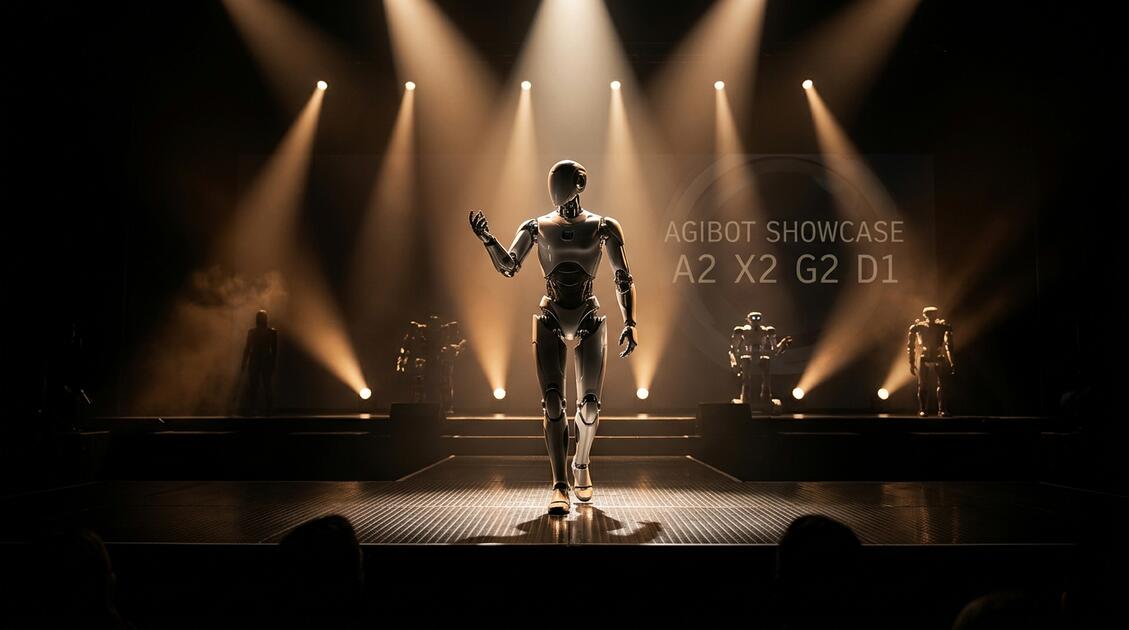
Chinese robotics startup Agibot put over 200 humanoid robots on stage for a live performance in Shanghai, demonstrating its full portfolio across the A2, X2, G2, and D1 series in what the company billed as a high-pressure systems test under broadcast conditions. The event, dubbed AGIBOT Night, ran continuously for over an hour with no resets.
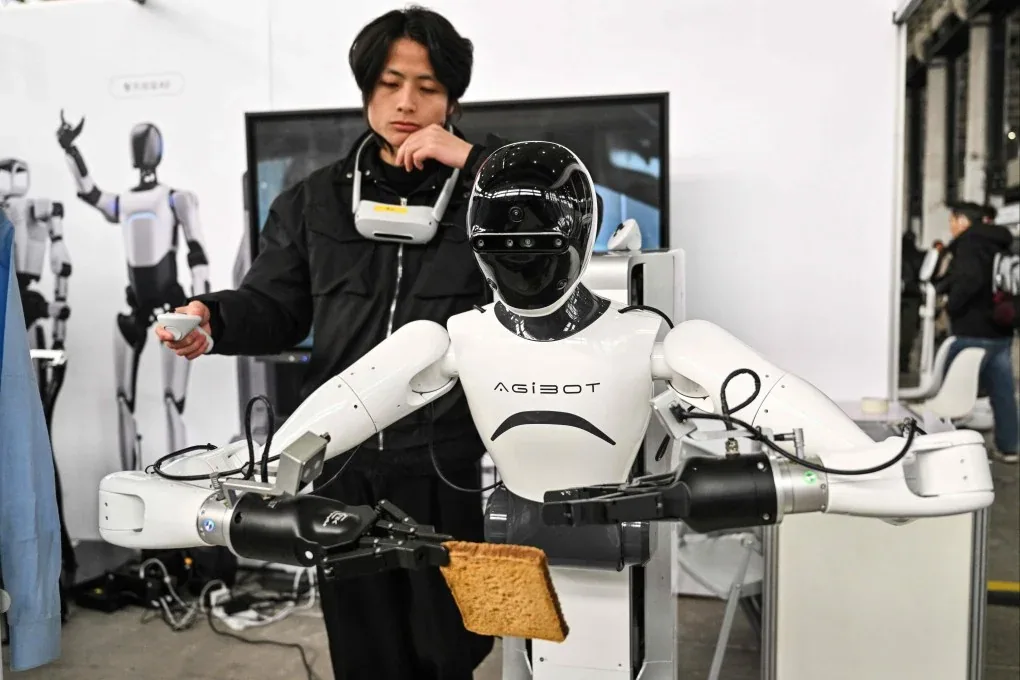
The show was not a controlled lab demo. It was a live performance with cameras rolling, and the robots were operating autonomously throughout. Each model series handled a different role: the full-sized A2 series managed multimodal interaction and autonomous navigation for presentations, the compact half-sized X2 series delivered natural conversation and expressive movement, the G2 humanoids executed synchronised dance sequences with precise joint control, and the D1 series contributed additional capabilities across the programme.
What did Agibot demonstrate?
The event tested several capabilities simultaneously. Continuous one-hour operation under broadcast conditions pushed balance, motor control, battery endurance, and multi-robot coordination. The G2 robots performed synchronised routines including high-speed spins and coordinated formations that demand real-time sensor feedback and joint precision.
Agibot also showcased the X2 at MWC 2026, where the compact humanoid performed a full split, demonstrating flexibility that few competitors have matched. The company is already offering a rental model for its robots, suggesting commercial deployment ambitions beyond showroom demonstrations.
What this changes in the humanoid robotics race
Most humanoid robot demonstrations remain carefully staged lab events with extensive human oversight. Agibot’s live show, with over 200 units operating autonomously for an hour, raises the bar for what counts as a credible demonstration. The distinction between a robot that can perform a task in a controlled environment and one that can sustain autonomous operation in an unpredictable live setting is significant.
Whether Agibot can maintain this level of performance in factory floors, warehouses, or customer-facing environments remains to be seen. But the show made a clear statement about the company’s engineering capabilities and its ambitions to compete directly with Tesla’s Optimus and Figure in the humanoid robotics market.
This article is for informational purposes only and does not constitute financial, investment, or professional advice.
From the YFarmX archive · originally published on the previous site