Brian Armstrong: the crypto evangelist who brought a pistol, a PAC and a plan to fix money
Brian Armstrong: the crypto evangelist who brought a pistol, a PAC and a plan to fix money
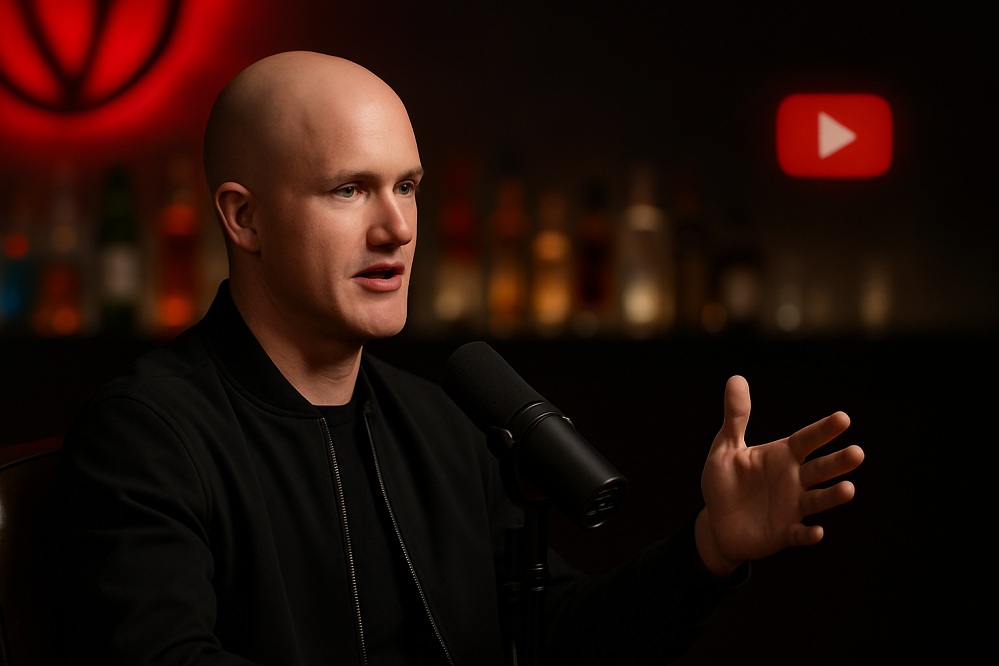
Brian Armstrong arrived on Shawn Ryan’s podcast sounding less ‘Silicon Valley’ and more like a civil engineer with a very long punch list. For three hours, the Coinbase chief executive mapped out how to keep your bitcoin safe, outmanoeuvre hostile regulators, pay for groceries with stablecoins, and maybe live long enough to enjoy it all. It was classic Brian Armstrong: pragmatic, libertarian-leaning and laced with the occasional deadpan aside about nuclear war or vampires.
Cold wallets, hot targets
Early on, Brian Armstrong tackled the perennial question: how does Coinbase stop thieves? By keeping “the vast majority” of customer assets offline in geographically scattered cold storage, he said. Keys are split so that no single insider can scarper with the lot. External firms are paid to try to break in. It is the mentality of a man who has learned that in crypto, paranoia is a feature, not a bug.
Quantum computing? He is already gaming that out. Post-quantum cryptography will be needed within three to five years, Brian Armstrong reckons. Better to migrate early than discover that Beijing has just switched on a code-breaking monster.
Argentina, Ayn Rand and a wallet prototype
Brian Armstrong’s worldview was forged in two places: a Jesuit high school that preached “men for others” and Buenos Aires, where hyperinflation trained residents to spend paycheques before they evaporated. Add in nights at Airbnb watching cross-border payments fail and a diet of Milton Friedman, and you get a man predisposed to read the Bitcoin white paper and think “internet of money”.
He did. In late 2010 he was captivated, then obsessed. Six months of meet-ups with anarchists and PhDs later, he began hacking together a hosted bitcoin wallet on nights and weekends. The key feedback call: “I’d use it, but I don’t have any bitcoin.” Solution: add a buy button. Product-market fit followed, along with 25,000 sign-ups in a day, a backlog of 20,000 support tickets and a hacker who nearly drained the till while the founders ate lunch.
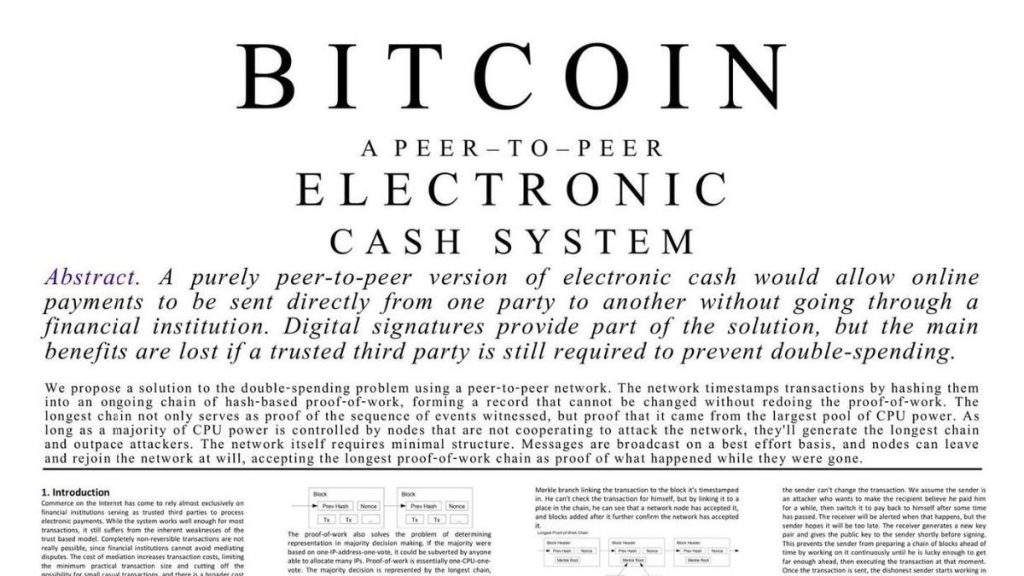 https://bitcoin.org/bitcoin.pdf
The war on crypto, won in court and at the ballot box
Brian Armstrong’s most incendiary passages concerned Washington. In his telling, Senator Elizabeth Warren is a socialist who tried to kill crypto by proxy, and Gary Gensler flip-flopped from MIT crypto lecturer to SEC attack dog for a shot at Treasury. Coinbase met the regulator 30 times, got no rules, then a lawsuit. Instead of folding, Brian Armstrong spent roughly $50m on lawyers, refused to settle and watched the case vanish when a new SEC chair took over.
He did not just litigate. He organised. Stand With Crypto signed up 2m Americans, Fairshake PAC amassed $140m, and anti-crypto incumbents such as Sherrod Brown were, in his words, “kicked out”. The message to Congress: there are no votes in being anti-crypto, but there are plenty in being for it.
Economic freedom, not culture wars
On company culture, Brian Armstrong relived the 2020 internal revolt when staff demanded a Black Lives Matter pledge at a town hall. He declined, 300 employees walked out, and he published “mission first”, an apolitical doctrine focused on economic freedom. Five per cent took severance. Ninety-five per cent stayed. He says it was the best decision he made, and rival CEOs quietly rang to ask how to copy it.
My full conversation with @ShawnRyan762 is live. Check it out, we talked about lots of interesting stuff.
Thanks for having me on Shawn! https://t.co/b0qFPYRSqU
— Brian Armstrong (@brian_armstrong) July 28, 2025
Banks, fees and the Genius Act
If regulators were one flank, banks are another. Community lenders lobbied to stop stablecoin issuers paying interest because it would blow up their 0.14 per cent savings accounts, he said. Coinbase helped push through the Genius Act, giving stablecoins a legal framework. USDC can now zip around the world in under a second for under a cent. Shopify merchants are already offering 1 per cent back to nudge users away from 3 per cent card fees. That, Brian Armstrong argues, is how you upgrade a creaking financial system without waiting for Fedwire to open on Monday.
A strategic Bitcoin reserve and a single internet of money
Brian Armstrong welcomed President Trump’s executive order to create a strategic Bitcoin reserve. Gold has one, oil has one, so why not the hardest digital asset on earth. He sees Bitcoin as a check on US fiscal indiscipline: if Washington keeps printing, people flee to scarce assets. Better they choose bitcoin than the digital yuan.
Longer term, he expects the unbundling of currency from the state. The world runs on one internet, he quips. Why 150 currencies? Let people pick. If the dollar behaves, it can coexist. If not, markets will vote with their wallets.
Base, the self-custodial social-finance mash-up
Cue Base, Coinbase’s newest toy: a self-custodial wallet and social app where every post is a tradable coin, every creator has a market cap and advertising is optional. Brian Armstrong calls it the third act after bitcoin-as-gold and stablecoin payments. It is also regulatory arbitrage: software, not custody, so it can ship to 190 countries on day one.
Loans on your bitcoin, and 21 million means 21 million
Can you borrow against your stack? Yes. Coinbase is already collateralising bitcoin without credit checks. In time, he fancies a decentralised credit score built on-chain. As for bitcoin’s 21 million cap, miners will live on transaction fees once issuance stops. The mechanism is set. The incentives already shifting.
Bitcoin-backed loans are here.
Borrow USDC against bitcoin, without selling it. Rolling out to US users (ex. NY) starting now. More collateral assets and regions to come. Powered by @MorphoLabs and built on @Base.
The future of finance is onchain.
Learn more:… pic.twitter.com/PoLdWLz6aV
— Coinbase ðŸ›¡ï¸ (@coinbase) January 16, 2025
Hackers, meet a $20m bounty
When extortionists bribed support reps for customer data and demanded $20m, Coinbase refused to pay and offered the same sum for tips leading to arrests. Five thousand leads poured in. “No honour among thieves,” Brian Armstrong grinned. Law enforcement is now circling.
Brian Armstrong the longevity investor
Crypto may give you economic freedom. Brian Armstrong would also like to give you time to enjoy it. With New Limit, he is pouring nine figures into epigenetic reprogramming: delivering proteins to cells so they behave like their younger selves. Early mouse data look promising. Human trials could begin within two years. The first drugs might add five to ten healthy years. The moonshot is a cocktail that refreshes multiple tissues, brain included. He is realistic about timelines, bullish about potential and aware that FDA timetables make the SEC look sprightly.
 https://www.newlimit.com/about
Action produces information
His advice to founders is disarmingly simple: stop over-analysing, take a step into the fog, learn, adjust, repeat. Brian Armstrong admits he built Coinbase’s first version wrong. Shipping taught him what right looked like. Fear of looking stupid is the real enemy. Autistic traits help, he jokes, because you simply do not care.
Brian Armstrong ended by rattling off names of other builders he admires. Of course he did. For a man cast as crypto’s chief lobbyist, he still sounds most animated when describing a prototype, a protocol or a protein cocktail. The revolution, as ever, will be engineered.
*Not financial advice.
From the YFarmX archive · originally published on the previous site