Chainlink’s CCIP: The Backbone of Cross-Chain Innovation
Chainlink’s CCIP is reshaping DeFi, payments, and gaming with cross-chain interoperability.
In 2025, Chainlink’s Cross-Chain Interoperability Protocol (CCIP) has emerged as the pivotal technology for trustless, cross-chain smart contract communication. By facilitating seamless asset and data transfers across more than 50 networks, CCIP is dismantling blockchain silos and revolutionising the integration of DeFi, payments, gaming, and traditional finance.
What is CCIP?
At its essence, CCIP is a blockchain-agnostic interoperability protocol that enables secure transfers of data and assets between smart contracts across multiple chains. It supports arbitrary messaging, allowing smart contracts to send data payloads, and programmable token transfers, letting developers embed instructions alongside token transfers in a single transaction.
The protocol’s architecture is distinguished by its messaging routers on source and destination chains, which handle encoding and decoding, and Chainlink’s Decentralised Oracle Network (DON), which securely relays messages. A Risk Management Network provides anti-fraud oversight with the capability to pause or halt suspicious activity. This dual-layer architecture combines robust security with composability.
We’re excited to announce the launch of the Chainlink Reserve, a new upgrade centered on the creation of a strategic onchain reserve of LINK tokens.https://t.co/ENs52Qjnn2
The Chainlink Reserve is designed to support the long-term growth and sustainability of the Chainlink… pic.twitter.com/vUElyovvYs
— Chainlink (@chainlink) August 7, 2025
Chainlink’s CCIP: Ecosystem Reach and Key Integrations
CCIP’s extensive network support spans over 50 blockchains, including Ethereum, Polygon, Arbitrum, Base, and Solana, enabling cross-chain asset interoperability across 99+ tokens. The CCIP Token Manager simplifies token onboarding with self-serve, no-code registration using the Cross-Chain Token (CCT) standard, granting developers full control over contracts, pools, and logic.
Institutional collaborations with SWIFT, UBS Asset Management, the Monetary Authority of Singapore, and the U.S. government highlight CCIP’s role as a bridge between legacy finance and Web3.
Real-World Use Cases
Payments and TradFi Integration
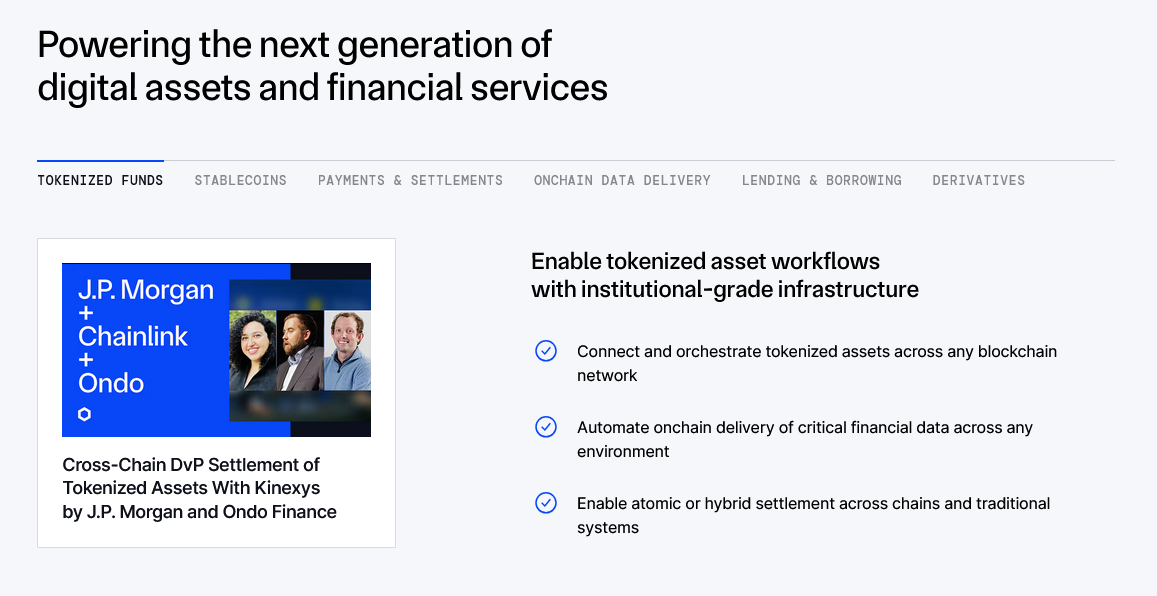
CCIP is transforming traditional financial systems’ interaction with smart contracts. Tokenised funds can automate issuance and redemption directly linked to SWIFT confirmations, enabling seamless hybrid settlement with legacy rails. Sergey Nazarov envisions CCIP as a platform where asset, payment, and compliance data transit via a single rail, streamlining fragmented settlement workflows.
Multichain DeFi and Protocol Interaction
CCIP introduces true composability to DeFi, allowing cross-chain “money Legos.” Smart contracts can interact across chains, such as borrowing on Ethereum and repaying on Avalanche, without needing separate siloed liquidity or user bases. Aave leverages CCIP for multi-chain governance, orchestrating mint/burn and unified protocol control across different chains while minimising risk.
Gaming, NFTs, and Cross-Chain NFTs
Cross-chain gaming applications benefit from CCIP’s messaging and token transfer capabilities. Developers can create immersive experiences where NFTs are minted, played, or traded across different chains seamlessly.
Insurance, Creative Ecosystems, and Beyond
CCIP’s use cases extend into parametric insurance, creative content marketplaces, and ecosystems where cross-chain messaging and asset transport are vital.
Why CCIP Matters in 2025
CCIP’s architecture, featuring both Oracle Network and Risk Management safeguards, offers an enterprise-grade, trust-minimised interoperability layer, unlike many exploitable bridge solutions. The CCT standard and Token Manager streamline token deployments across networks, reducing friction for developers. CCIP’s adoption by governments and financial institutions underscores its readiness for regulated environments. It aims to replicate TCP/IP for blockchain, creating a standard “internet of smart contracts” to unify public blockchains and bank chains alike.
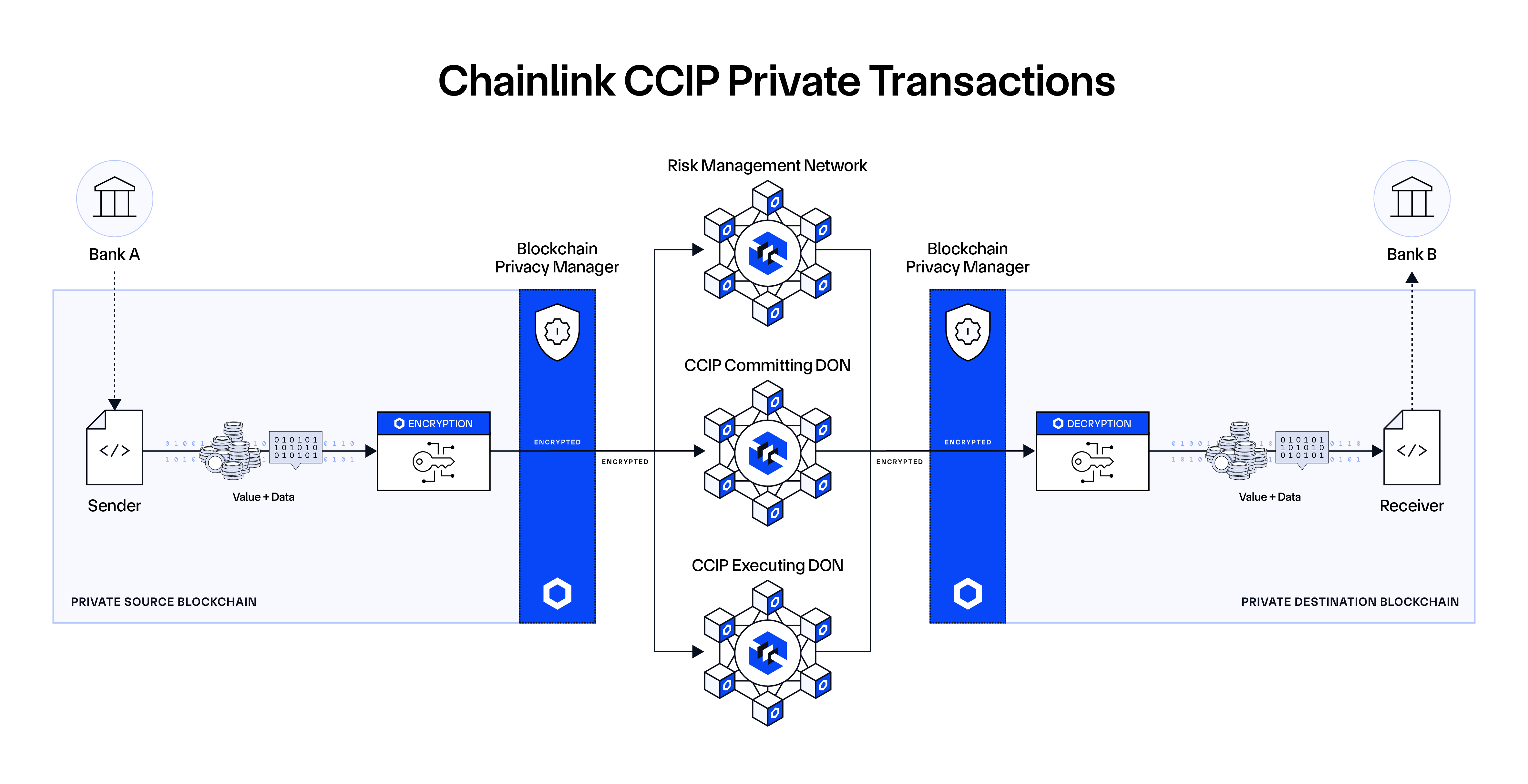 https://blog.chain.link/ccip-private-transactions-blockchain-privacy-manager/
Disclaimer: This article is for informational purposes only and does not constitute financial advice.
From the YFarmX archive · originally published on the previous site