Sahil Strikes Again: Jesse Pollak Duped into Promoting Fake Tyson Fury Coin on Zora
Sahil strikes again with a fake Tyson Fury coin on Zora, raising questions about platform credibility.

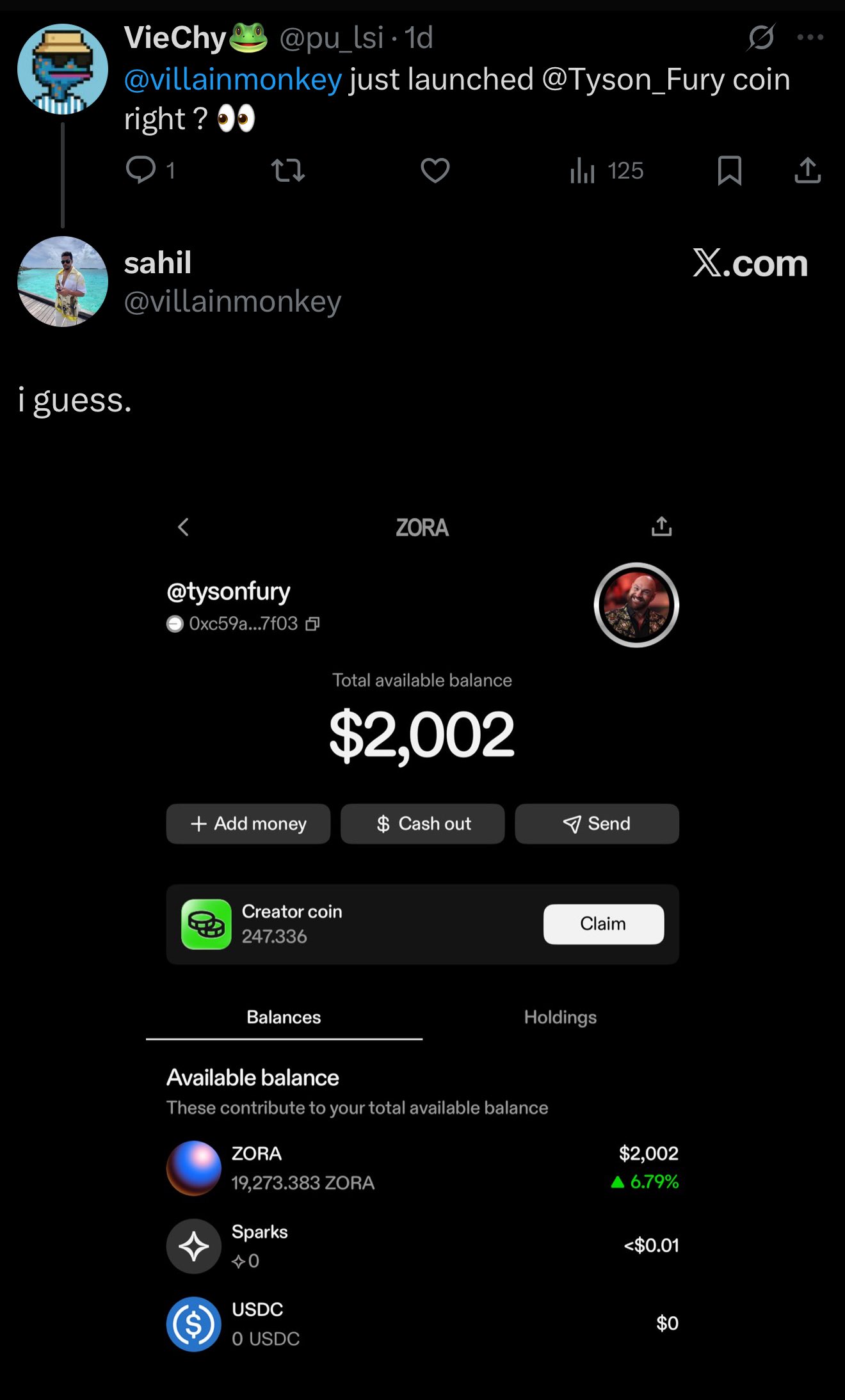
Sahil strikes again. This time, the notorious scammer has managed to slip a fake Tyson Fury coin onto Zora, a platform that prides itself on innovation and credibility. The saga began with the launch of $FURY, a token purportedly endorsed by heavyweight boxing legend Tyson Fury. Complete with glossy graphics and fabricated endorsements, the coin was given an unexpected boost by none other than Zora’s co-founder, Jacob Horne and Coinbase’s own Jesse Pollak.
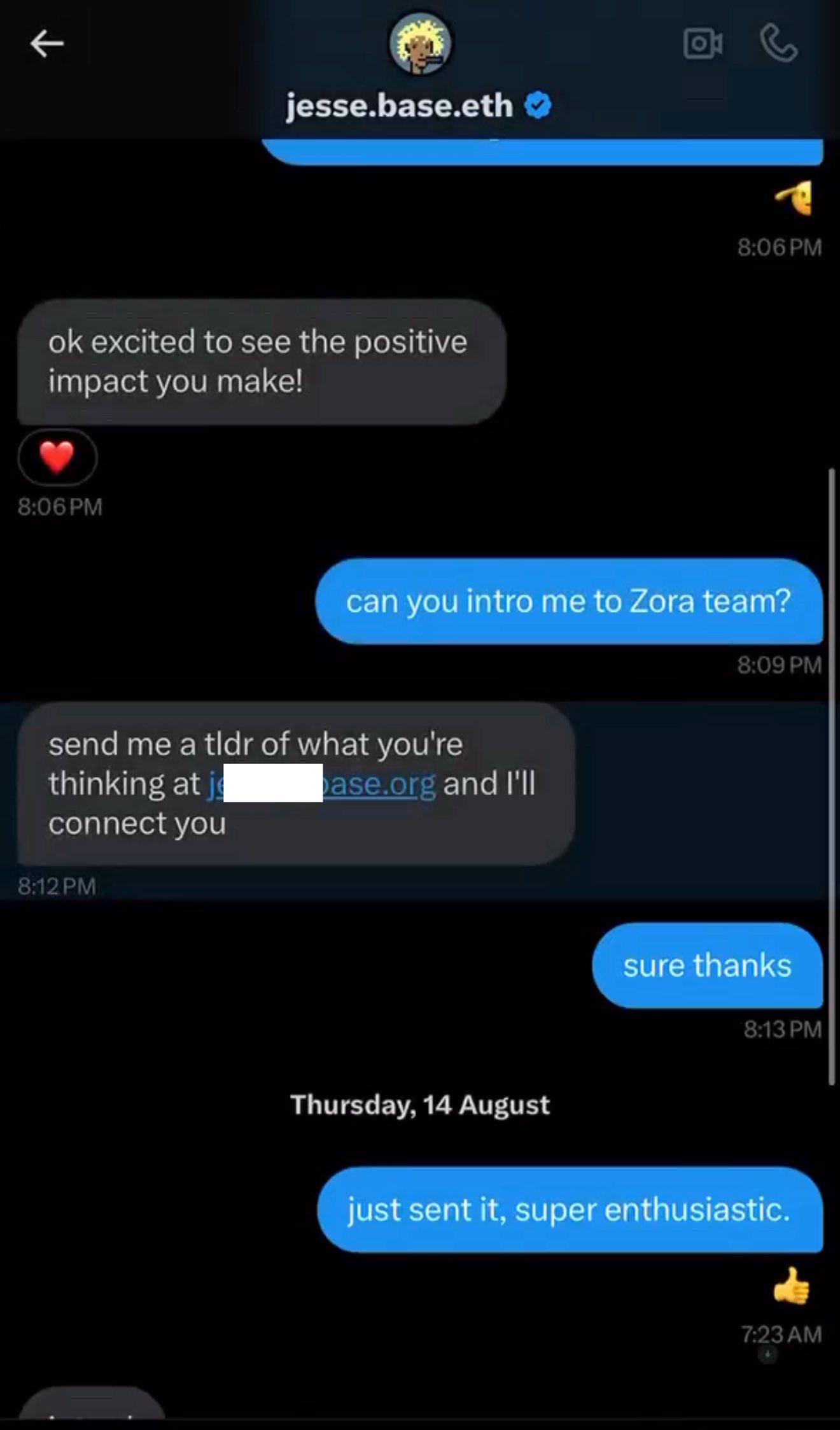
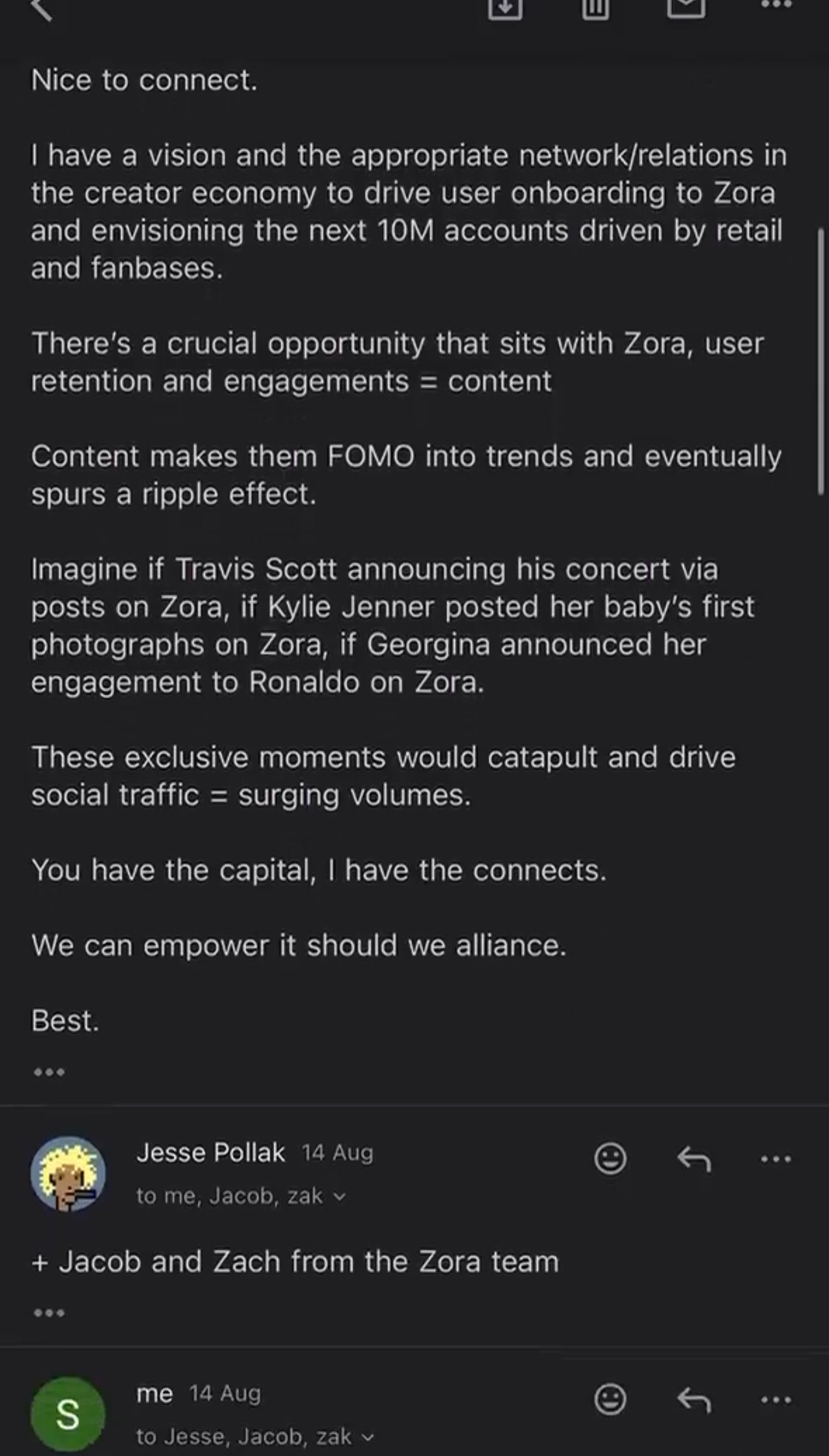
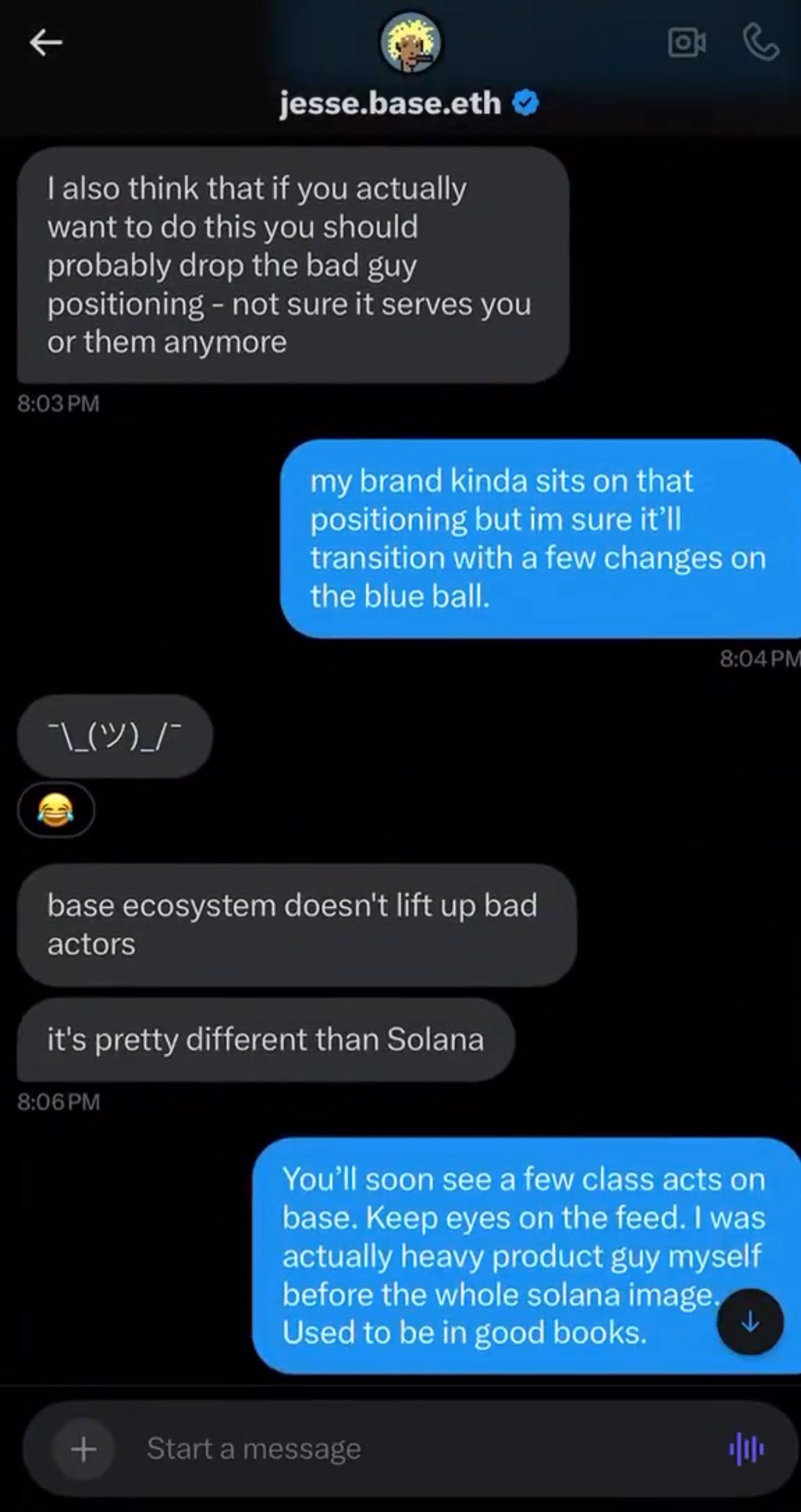
overall, my bias is to be open minded when someone DMs me. sahil reached out and said he was interested in onboarding people to zora. I told him he had a bad rap, bad actors aren’t tolerated on base, and he’d need to demonstrate positive impact. I was also willing to hear him…
— jesse.base.eth (@jessepollak) August 25, 2025
The Setup: A Knockout Scam
The $FURY token was marketed as the official cryptocurrency of Tyson Fury, but it was nothing more than a well-crafted illusion. BASE lead Jesse Pollak’s personal introduction of the coin on Zora lent it an air of legitimacy that scammers dream of. Crypto X, however, was quick to catch on, with screenshots circulating that showed Pollak amplifying the launch, seemingly endorsing the project.
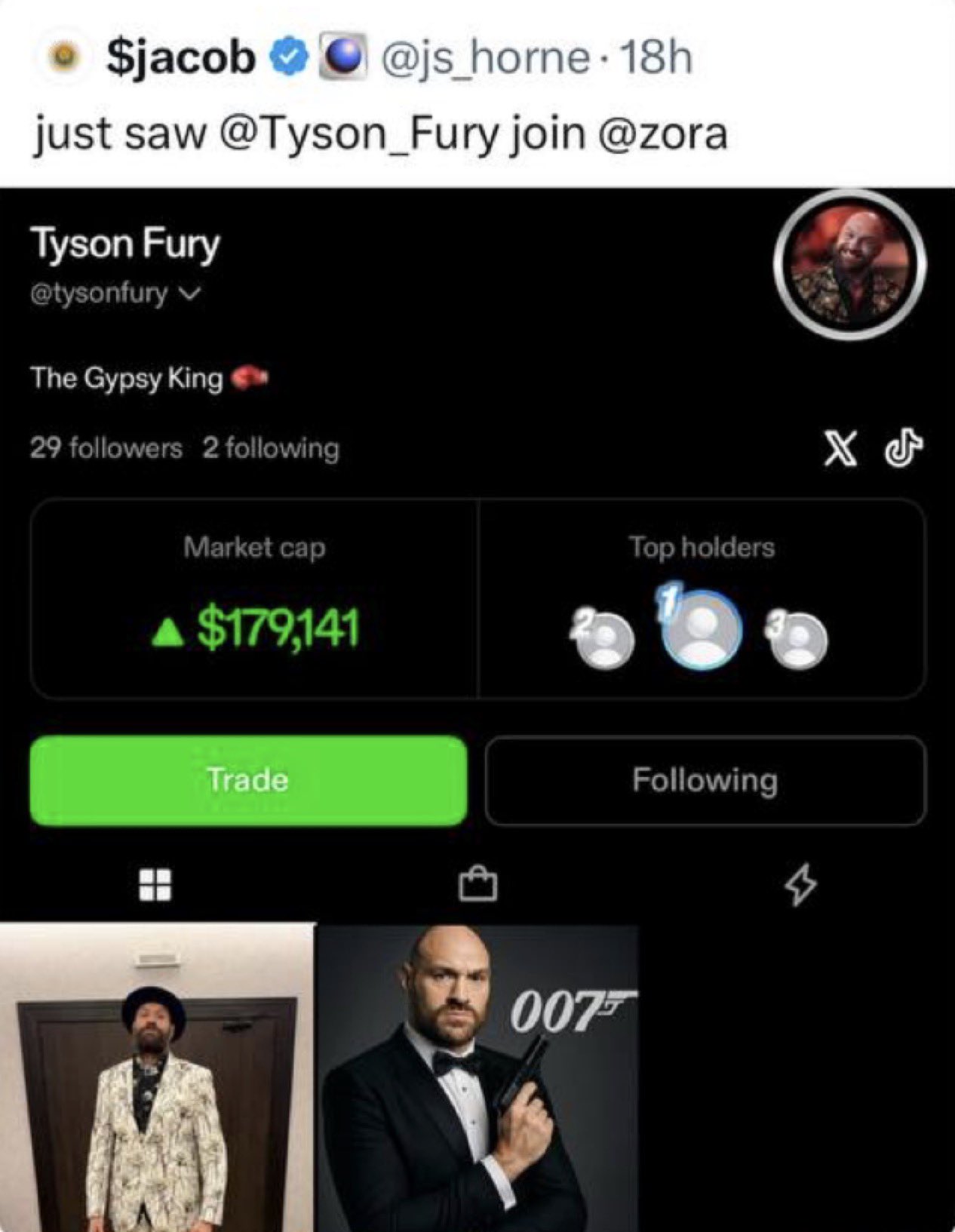 The fake $FURY token, promoted by the ZORA and BASE teams.
Enter ZachXBT
The internet, with its long memory, was not fooled for long. Enter ZachXBT, the blockchain’s unofficial detective, known for his relentless pursuit of scams. ZachXBT wasted no time in exposing the truth: this wasn’t Tyson Fury’s coin; it was another of Sahil Arora’s fraudulent ventures. His post bluntly pointed out the obvious connection to the infamous scammer, raising questions about Zora’s due diligence.
overall, my bias is to be open minded when someone DMs me. Kim Jong Un reached out and said he was interested in onboarding people to zora. I told him he had a bad rap, bad actors aren’t tolerated on base, and he’d need to demonstrate positive impact. I was also willing to hear…
— ZachXBT (@zachxbt) August 25, 2025
ZachXBT’s Kim Jong Un / Lazarus reference.
Why It Matters: A Blow to Zora’s Reputation
This incident is more than just another scam. It raises serious questions about the vetting processes of Web3 platforms eager for traction. How could a known scammer receive personal onboarding from a founder? What safeguards exist to prevent celebrity impostor coins from gaining platform backing? How many investors were deceived by this façade of legitimacy?
Sahil Strikes Again: A Familiar Playbook
Sahil’s name is no stranger to controversy. Over the past year, he has been linked to various celebrity-branded memecoins and rug pulls. Each time, he captures liquidity, vanishes, and re-emerges under a new guise. This time, however, the platform backing makes it particularly concerning. When scammers can launder legitimacy through credible teams, it emboldens the entire ecosystem of grifters.
Community Reaction: A Mix of Disbelief and Humour
The crypto community reacted with a blend of disbelief and dark humour. Memes and sarcastic comments flooded social media: “Only in crypto: Tyson Fury coin, powered by Sahil, certified by Jesse.” The absurdity of the event has already made it one of the year’s most infamous scams.
onboarding people is a worthwhile effort and zora is a great team with a cool product
the above are true
it is also true that it’s lame to denigrate other ecosystems behind closed doors for being “bad” while doing the same thing
— mert | helius.dev (@0xMert_) August 25, 2025
The Aftermath: Limited But Real Losses
Within an hour of launch, Zora deleted the Tyson Fury profile and cancelled Sahil’s scheduled introduction after he admitted the celebrity tie-in was fabricated. By then, however, opportunistic traders had already bought into the token. Onchain data shows a brief spike in volume before liquidity was pulled, leaving holders with assets that rapidly collapsed to zero.
While the sums involved were small compared to high-profile exploits, the incident highlights a familiar pattern: scammers only need a short window of perceived legitimacy to extract value. Zora’s swift takedown prevented wider damage, but the fact that a known fraudster was able to leverage the platform at all underscores the reputational risk.
A Lesson in Due Diligence
In the end, the Tyson Fury coin will likely fade into obscurity, much like Sahil’s previous scams. However, the damage to Zora’s reputation may linger, as the platform faces uncomfortable questions about its role in enabling fraud. One thing is certain: Sahil has struck again, leaving the rest of us shaking our heads.

Financial advice disclaimer: This article is for informational purposes only and should not be considered financial advice.
From the YFarmX archive · originally published on the previous site