Babylon Aave Bitcoin vaults bring native BTC to DeFi
Aave’s next upgrade is about to give Bitcoin a proper job. The Babylon Aave integration will let lenders post native BTC as collateral in Aave V4 without wrapping it, parking it on an exchange, or trusting a custodian.
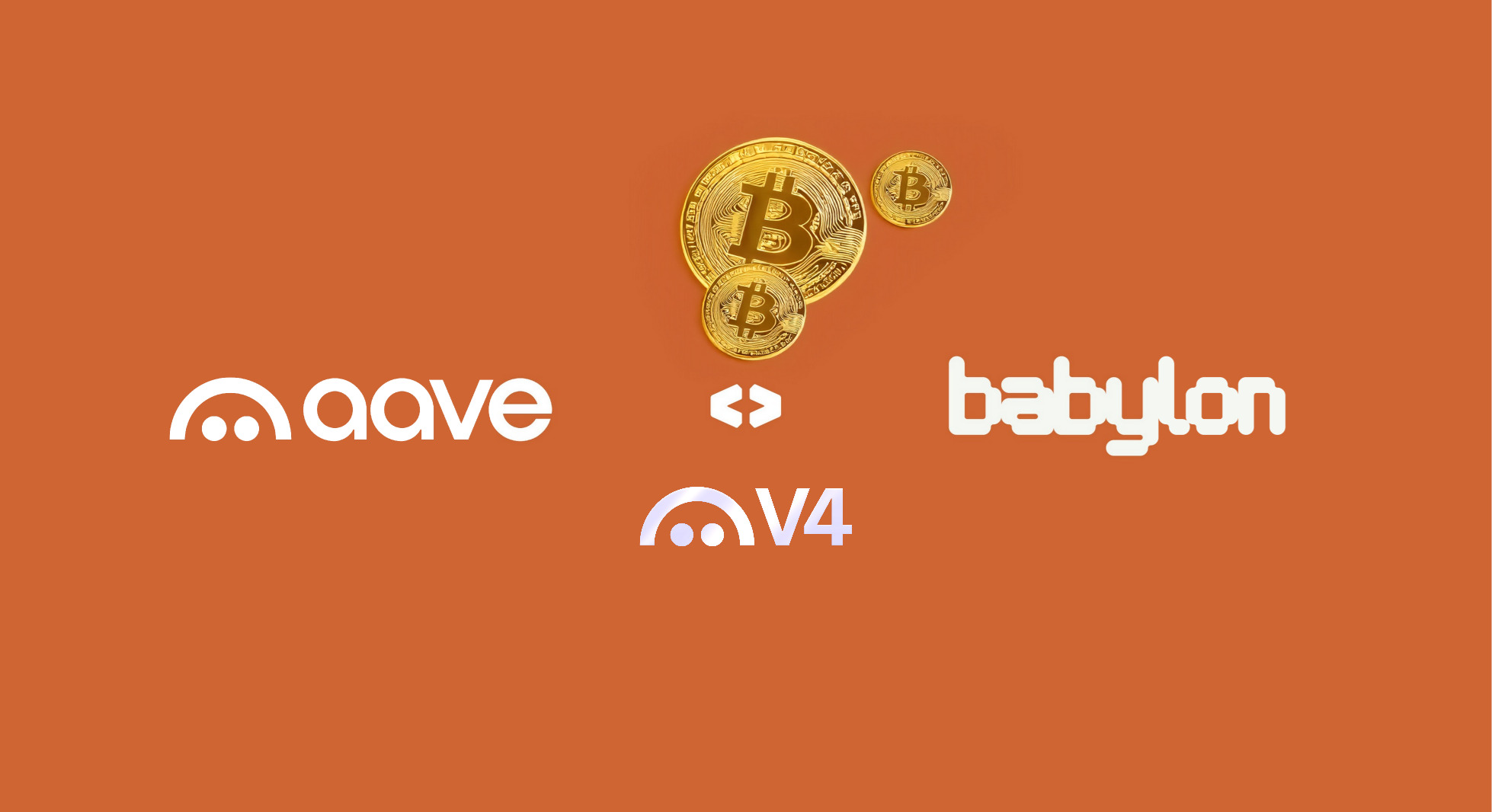
Aave’s next upgrade is about to give Bitcoin a proper job. The Babylon Aave integration will let lenders post native BTC as collateral in Aave V4 without wrapping it, parking it on an exchange, or trusting a custodian.
A hub, a spoke, and a vault
Aave V4 introduces a hub-and-spoke architecture: the hub holds core liquidity; specialised spokes plug in with their own risk parameters. Babylon is building the Bitcoin spoke, wired into its Trustless Bitcoin Vaults.
What happens when the world’s largest DeFi lending protocol meets trustless native Bitcoin collateral?
A new era of BTC lending and borrowing, without wrappers, bridges, or custodians.
Babylon and @aave are partnering to build the first native Bitcoin-backed Spoke on Aave V4. pic.twitter.com/NdU35gVMNS
— Babylon (@babylonlabs_io) December 3, 2025
Those vaults lock BTC directly on the Bitcoin network under cryptographic rules. A proof of that locked position is then recognised by Aave as collateral. The collateral never sits in a centralised bridge, multisig, or wrapped token contract; Bitcoin remains on Bitcoin, yet counts inside Aave’s books.
Bitcoin markets
BTC-backed lending has already reached roughly the billion-dollar mark this year, but almost all of it still runs through exchanges, lenders, or wrapped BTC. Native BTC has largely sat on the sidelines while the rest of DeFi built around it.
The Babylon Aave Bitcoin arrangement changes that. If governance signs off, testing of the BTC spoke begins in early 2026, with a target launch around April. Aave Labs will shape the risk and liquidation framework; Babylon will supply the vault tech and integration work.
For Aave, it is a fresh pool of high-quality collateral. For Babylon, it extends the same trustless vault model that already secures sizeable staked-BTC positions into mainstream lending. For Bitcoin holders, it is a way to borrow against BTC while keeping self-custody and Bitcoin’s native security assumptions.
If it works as advertised, this will be the largest shift in Bitcoin liquidity since wrapped BTC, only this time without the wrapping.
Disclaimer: This material is for information only and does not constitute investment, legal or tax advice. Do your own research.
More information from Babylon here.
Excited about this development. Babylon is building a spoke that will allow native Bitcoin to serve as collateral within Aave V4.
Building Aave V4 in public empowers more developers to innovate freely on Aave. https://t.co/Q06SU6IbLu
— Stani.eth (@StaniKulechov) December 3, 2025
From the YFarmX archive · originally published on the previous site