UK Property (Digital Assets etc) Act 2025
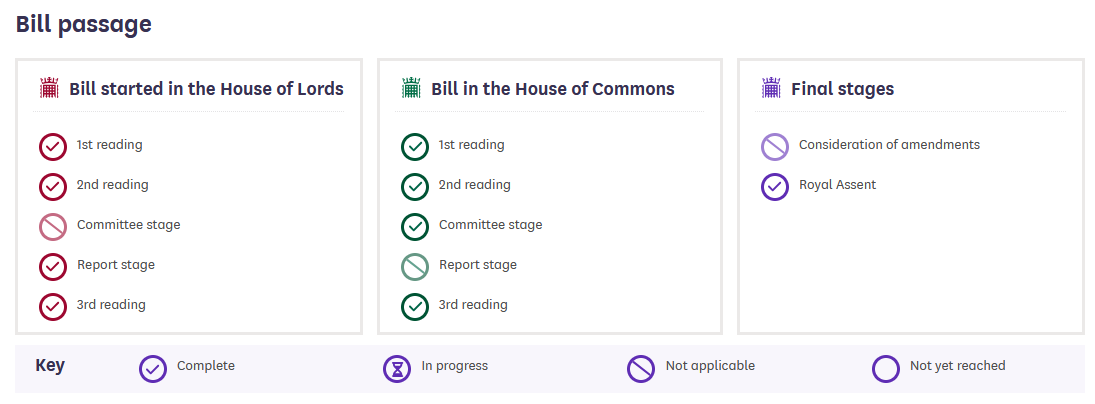
The Property (Digital Assets etc) Act 2025 has now received Royal Assent, giving cryptocurrencies, stablecoins and NFTs explicit recognition as property in UK law. Until now, courts treated digital assets as property on a case-by-case basis.
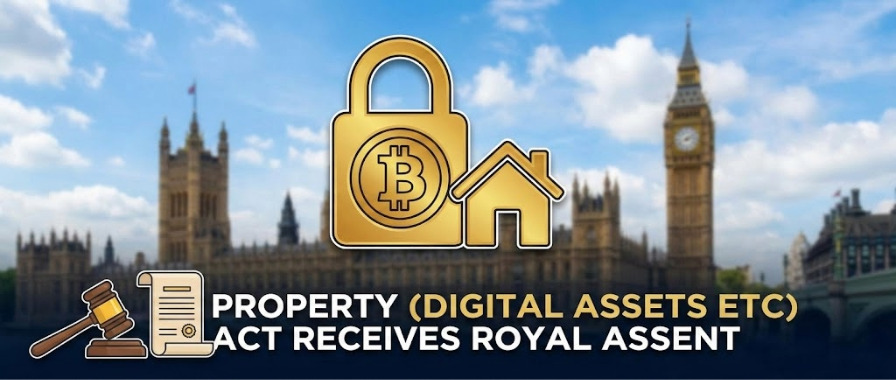
The Property (Digital Assets etc) Act 2025 has now received Royal Assent, giving cryptocurrencies, stablecoins and NFTs explicit recognition as property in UK law.
Until now, courts treated digital assets as property on a case-by-case basis. The Act removes that ambiguity by creating a third category of personal property, alongside “things in possession” (physical goods) and “things in action” (claims such as debts). Digital assets now sit in that third bucket as a defined class.
For everyday users, the Property (Digital Assets etc) Act 2025 means clearer rights of ownership and a firmer footing if something goes wrong. Assets can be identified, traced and recovered in cases of theft or fraud, and included routinely in insolvency and estate proceedings, rather than argued over at the margins.
Industry groups have welcomed the move. CryptoUK called it a step that gives consumers greater clarity and protection, while the cross-party Crypto and Digital Assets APPG highlighted the benefit of clear ownership rights and recovery routes for stolen coins.
For builders and institutions, the Property (Digital Assets etc) Act 2025 is not a trading rulebook; that still sits with the FCA, Treasury and forthcoming stablecoin and market-abuse regimes. What it does do is settle a prior question: in the eyes of the law, digital assets are now property, not curiosities. That foundation should make contractual terms, collateral arrangements and dispute resolution markedly cleaner in the years ahead.
Disclaimer: This article is for information only and does not constitute legal or investment advice.
From the YFarmX archive · originally published on the previous site