Grayscale IPO: S-1 filing puts crypto asset manager on NYSE path
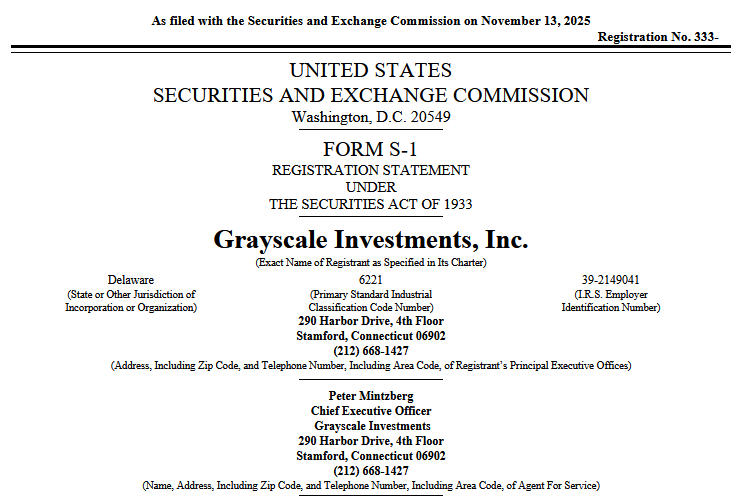
On 13 November, Grayscale Investments publicly filed an S-1 with the U.S. SEC to list on the New York Stock Exchange under the ticker GRAY, a decisive step toward a grayscale IPO after a confidential submission in July.
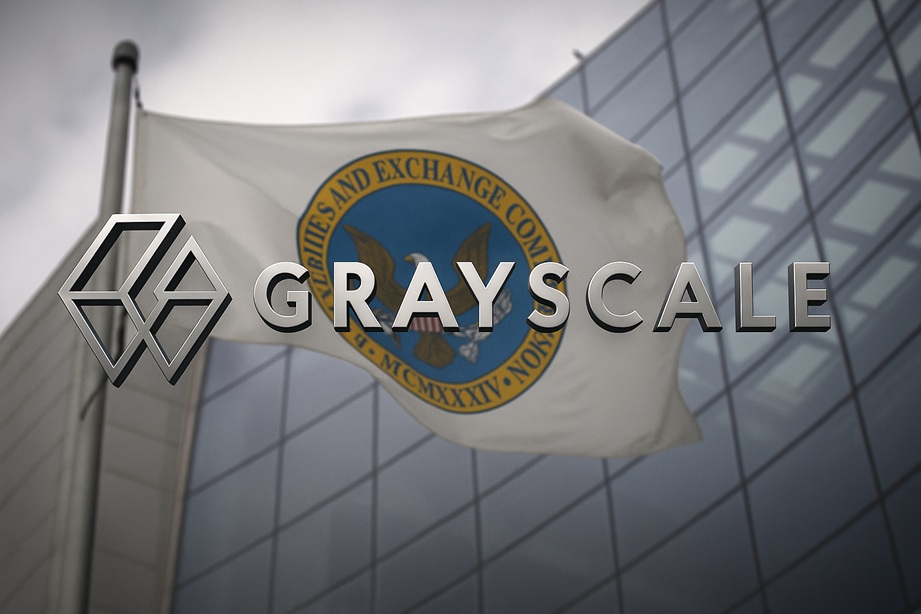
On 13 November, Grayscale Investments publicly filed an S-1 with the U.S. SEC to list on the New York Stock Exchange under the ticker GRAY, a decisive step toward a grayscale IPO after a confidential submission in July. The filing caps a year of structural change for the firm as it pivots from high-fee trusts to lower-fee ETFs and seeks permanent capital to fund product expansion and global distribution.
What the Grayscale IPO signals
The prospectus shows a business in transition: revenue fell ~20% year-on-year to $318.7m for the first nine months of 2025, while net income totalled $203.3m over the same period. Assets under management sit around $35bn across 40+ products, with fee compression and competitive ETF launches weighing on top-line growth. In short: Grayscale remains profitable, but the economics of crypto exposure are normalising and public equity offers a funding and currency mix to compete at scale.
Listing details and bookrunners
Grayscale plans to list Class A common stock on NYSE: GRAY. The firm named Morgan Stanley, BofA Securities, Jefferies and Cantor as lead underwriters, signalling traditional Wall Street distribution for a crypto-native manager. The S-1 outlines “general corporate purposes” for proceeds, including new products and international expansion; no pricing range or date is set.
The business picture, in brief
The filing codifies what the market already felt: fee pressure from cheaper spot-ETF rivals has driven asset rotation out of legacy structures, trimming revenue. Yet Grayscale’s breadth (Bitcoin and Ethereum ETFs plus a growing menu of altcoin exposures) anchors a still-sizable fee base. Management frames the shift as an opportunity to expand category leadership in indexed crypto, smart-beta/thematic baskets, and potential new single-asset funds as regulation evolves.
Credibility marker
A successful grayscale IPO would do two things simultaneously: hard-wire crypto asset management into U.S. public markets and hand Grayscale a stock-based currency to consolidate, hire and invest through a full cycle. For institutions that prefer listed exposure over private rounds, GRAY becomes a levered bet on fee capture, product breadth and brand retention in a maturing ETF battlefield. For the industry, it is a credibility marker: one of crypto’s earliest institutional gateways is willing to open its books and live under quarterly scrutiny.
Competitive and regulatory context
The S-1 flags the obvious risks: volatility, regulatory shifts and heavyweight competition from TradFi issuers with vast distribution. Still, Grayscale’s 2023 court win that helped unlock U.S. spot Bitcoin ETFs shows it can move policy needles, not just react to them. With AUM concentrated but diversified across multiple products, execution now hinges on price (fees), product innovation and global market access.
What to watch next
- SEC review & timeline. Roadshow timing and any updates to fee strategy ahead of pricing.
- Mix shift. Whether ETF inflows offset trust outflows through Q4–Q1.
- Use of proceeds. M&A, index families or international listings to widen distribution.
Grayscale Zcash Trust is one of the first investment vehicles that enables investors to gain direct exposure solely to @Zcash $ZEC available for eligible accredited investors.
See important disclosures and learn more: https://t.co/ULMTlb6paQ pic.twitter.com/RwiJt3FJTi
— Grayscale (@Grayscale) November 14, 2025
If the offering clears, GRAY will join a short list of pure-play, exchange-listed crypto asset managers, giving public-market investors a direct way to express views on the economics of token exposure at scale.
Disclosure: This article is for information purposes only and does not constitute investment, legal, accounting or tax advice.
From the YFarmX archive · originally published on the previous site