MSCI Index Exclusion: What you need to know
The proposed MSCI index exclusion puts bitcoin-heavy treasuries at the centre of what was meant to be a routine index review.

The proposed MSCI index exclusion puts bitcoin-heavy treasuries at the centre of what was meant to be a routine index review. The firm is considering barring companies from its Global Investable Market Indexes (GIMI) if digital assets like BTC make up more than 50% of total assets – a move that puts Strategy (MSTR) and its 252,000 BTC squarely in the crosshairs. A decision is due on 15 January 2026, with changes set to bite after 28 February rebalances if approved.
I Won’t â‚¿ack Down
— Michael Saylor (@saylor) November 23, 2025
MSCI Index Exclusion and the MicroStrategy problem
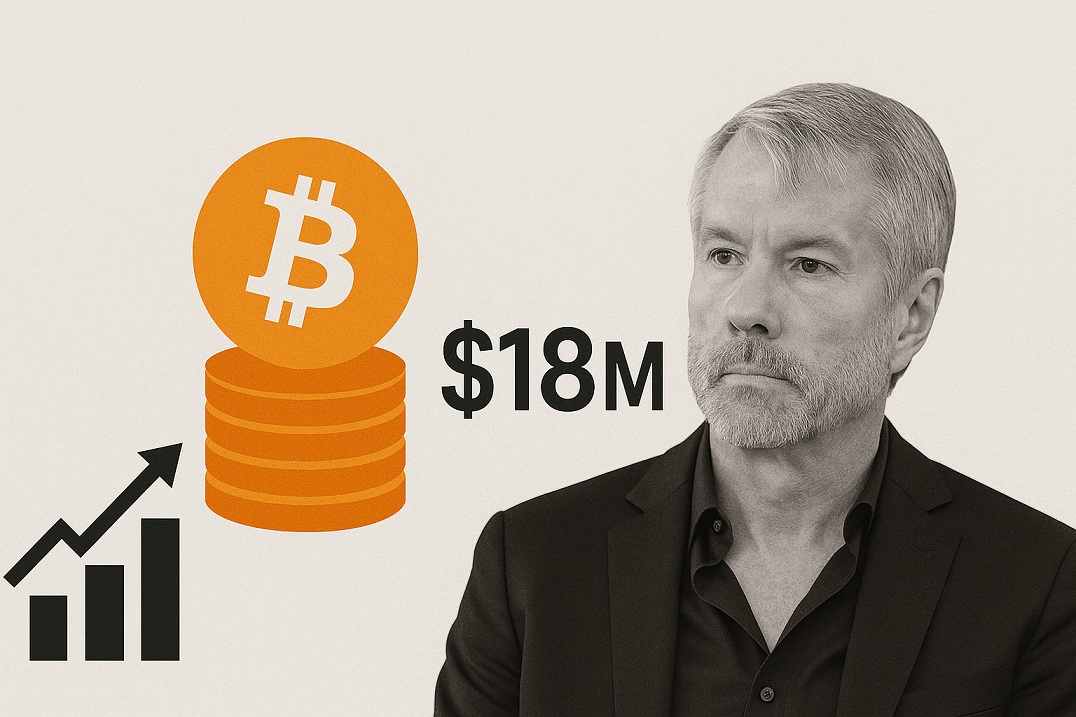
Strategy (formerly known as MicroStrategy) is effectively a listed bitcoin vehicle: BTC accounts for ~98% of its assets, with a stash worth ~$16–18B at current prices. Because GIMI indexes feed trillions in passive and quasi-passive assets, JPMorgan estimates that an MSCI Index Exclusion could force $2–2.8B of mechanical selling in MSTR alone, on top of a stock already ~70% off its November 2024 high of $543.
This is not Strategy’s first run-in with index rules (revenue-composition tests already kept it out of the S&P 500) but MSCI’s USA and global benchmarks are broader, and have funnelled billions into the stock since 2020. Strip it out, and overnight the market’s “bitcoin proxy” becomes a lot harder to own for any fund chained to those benchmarks.
Michael Saylor has responded with characteristic aggression, urging shareholders and bitcoiners to flood MSCI’s feedback portal. He calls the proposal “arbitrary”, arguing that BTC is “digital property” comparable to gold, and that penalising firms for holding it on balance sheet is anti-innovation. In interviews he has framed volatility as a feature, not a bug, reminding markets that MicroStrategy has survived multiple 80% drawdowns since 2020.
JPMorgan, Operation Chokepoint 2.0 and the backlash
JPMorgan’s research note helped light the fuse. The bank warned of “cascading outflows” if MSTR is dropped and reiterated its view of the stock as a leveraged bitcoin bet. At the same time, traders reported higher margin requirements on MSTR-linked positions and tougher treatment of wires to certain crypto platforms.
That combination (research, risk tightening and MSCI’s consultation) fuelled a sharp response. #BoycottJPMorgan trended on X, with users posting screenshots of closed accounts and rejected deposits. Strike CEO Jack Mallers told Senator Cynthia Lummis that Chase had flagged his deposits as “fraudulent”, reviving the “Operation Chokepoint 2.0” narrative of banks quietly freezing crypto on-ramps while claiming neutral risk management.
Response to MSCI Index Matter
Strategy is not a fund, not a trust, and not a holding company. We’re a publicly traded operating company with a $500 million software business and a unique treasury strategy that uses Bitcoin as productive capital.
This year alone, we’ve completed…
— Michael Saylor (@saylor) November 21, 2025
JPMorgan, for its part, has framed the note as disclosure rather than advocacy, but in the court of crypto public opinion the damage is done: the bank is now cast as the villain in a story about index power and gatekeeping.
Metaplanet and the global treasury trade
Meanwhile in Tokyo, Metaplanet (often dubbed “Japan’s MicroStrategy”) is running straight into the same wall. The company has raised $135M via perpetual preferred shares, pledging to allocate the entire amount into BTC and targeting another 2,000+ coins on top of its existing 4,855 BTC position.
That puts Metaplanet comfortably above the 50% asset threshold too, meaning any eventual MSCI Index Exclusion framework could hit it just as hard as MSTR. The market’s response so far has been the opposite of MSCI’s caution: shares are up sharply, and the firm is leaning into the role of listed bitcoin accumulator.
What’s really at stake
Strip away the noise and the MSCI Index Exclusion debate is about who gets to define “acceptable” corporate balance sheets. On one side are bitcoin-treasury companies using public equity as a wrapped BTC product. On the other are index committees and bank risk desks, wary of importing that volatility wholesale into passive portfolios.
If MSCI proceeds, it may shave a few billion off the market cap of the loudest bitcoin corporates. It will not stop treasuries from buying BTC, they can do that with or without an index seat. What it will do is push a growing share of bitcoin exposure back into pure-play vehicles: spot ETFs, closed-end funds and on-chain self-custody.
Either way, the message is clear: bitcoin is now big enough that index rules are being rewritten around it.
Disclaimer: This article is for informational purposes only and does not constitute investment, financial, or trading advice. Always do your own research and never invest more than you can afford to lose.
From the YFarmX archive · originally published on the previous site