USDX depeg: DeFi’s “delta-neutral” blind spot
USDX, a delta-neutral stablecoin issued by Stables Labs, snapped its $1, flushing to $0.3887 and hovering far below par on a circulating supply that recently sat near $680 million.
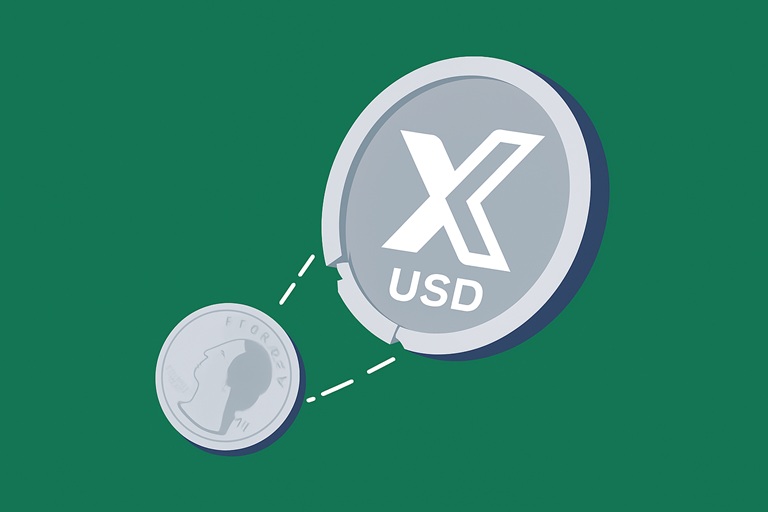
USDX, a delta-neutral stablecoin issued by Stables Labs, snapped its $1, flushing to $0.3887 and hovering far below par on a circulating supply that recently sat near $680 million. Redemptions stopped, rates spiked, and one big trader’s bet is now testing whether the USDX depeg is actually broken.
What made USDX depeg
- In the week before the main event, wallet 0xe454 hoovered up ~1.4m USDX during a wobble and queued redemptions.
- On 6 November, USDX depeg went further The same wallet spent another $800k in USDT for ~933k USDX at distressed prices, again sending them in for redemption.
- As of late evening (GMT), both batches remain stuck, with delays stretching past three hours and no clear technical post-mortem from Stables Labs.
- Borrowing rates in associated vaults (MEV Capital, Re7 Labs) spiked towards 800%, signalling maxed-out utilisation and stress across USDX-linked markets.
- Lista DAO launched emergency proposal LIP 022, seeking to update oracle inputs and force liquidations of USDX exposures to contain damage.
📢 LIP 022 – Emergency Vote: Enabling Forced Liquidation for USDX Market (re7 vault)
This proposal is being put forward as an emergency one-hour vote, following a request from the vault curator, to enable forced liquidation mechanisms for the USDX/USD1 market.
🔹The @Re7Labs… pic.twitter.com/cs9ynd3XOH— Lista DAO (@lista_dao) November 6, 2025
The structural problem
USDX was sold as clever: delta-neutral strategies and structured collateral meant to hold a soft $1 line while farming yield.
The xUSD depeg shows the other side:
- Leverage on leverage. Synthetic stablecoins backed by yield-chasing vaults inherit every assumption in that stack. When markets seize, “neutral” turns reflexive.
- Cross-collateral contagion. USDX sat inside Lista DAO and linked vaults; stress in one venue instantly bleeds into others, freezing withdrawals and forcing emergency governance rather than orderly unwind.
- Redemption opacity. A stablecoin lives or dies on one promise: you can get out at par. Hours-long silence and stuck queues are not a rounding error; they are the core risk event.
The timing makes it worse. It lands just after the $116m Balancer exploit and alongside Stream’s xUSD collapse, all telling the same story: complex collateral, thin liquidity, fast losses, and DAOs improvising as circuit breakers after the damage is done.
USDX isn’t alone; it’s part of a pattern.
Beyond the USDX depeg
For users:
- Consider: Am I funding structured products or parking digital dollars?
- “High APR, sophisticated hedge, stable peg” should read as three separate risk disclosures, not one smooth story.
- If you can’t model where redemption cash comes from, you could be exit liquidity, not a customer.
For protocols:
- Plugging in synthetic stables as pristine collateral without live stress testing is lazy.
- Emergency oracles, kill-switch liquidations and “pause” powers are political tools; they move losses around, they don’t remove them.
- Transparent backing, boring collateral, and hard rules for redemptions are no longer “old-fashioned,” they’re the moat.
For the market:
- This is a sub-$1bn event, but it lands in a month already crowded with stablecoin and collateral scares. That trains regulators and serious capital to separate three buckets:
- fiat-backed payment stablecoins,
- overcollateralised blue-chip designs,
- synthetic yield-machines wearing a $1 costume.
- Only the first two are going to be treated as infrastructure for now. The third bucket just wrote the case study against itself.
What to watch next
- Redemption outcome. Full redemptions at par would suggest liquidity mismanagement and comms failure; partial or blocked redemptions push this towards solvency and conduct questions.
- Lista DAO liquidations. How aggressively LIP 022 is executed will show whether DAOs are prepared to hurt their own users to protect the system.
- Stables Labs disclosure. Either we see verifiable backing and mechanics, or USDX joins the museum of clever designs that failed the first real run.
Until then, treat synthetic “delta-neutral” stables as leveraged DeFi trades with a UI, not as cash.
Disclosure: This piece is for information only and does not constitute investment, legal, or financial advice. Always size risk like nobody is coming to save you.
From the YFarmX archive · originally published on the previous site