The SANDBOX: Crypto gaming isn’t dead, it just stopped shouting
Every crypto conference nowadays, I hear the same line. On panels, in side rooms, over burnt coffee, someone declares with great authority that “crypto gaming is dead.” The metaverse was a fad, play-to-earn was a scam, nothing shipped, it’s all gone.
Every crypto conference nowadays, I hear the same line.
On panels, in side rooms, over burnt coffee, someone declares with great authority that “crypto gaming is dead.” The metaverse was a fad, play-to-earn was a scam, nothing shipped, it’s all gone.
What they usually mean is simpler: the easy pump left, and they stopped paying attention.
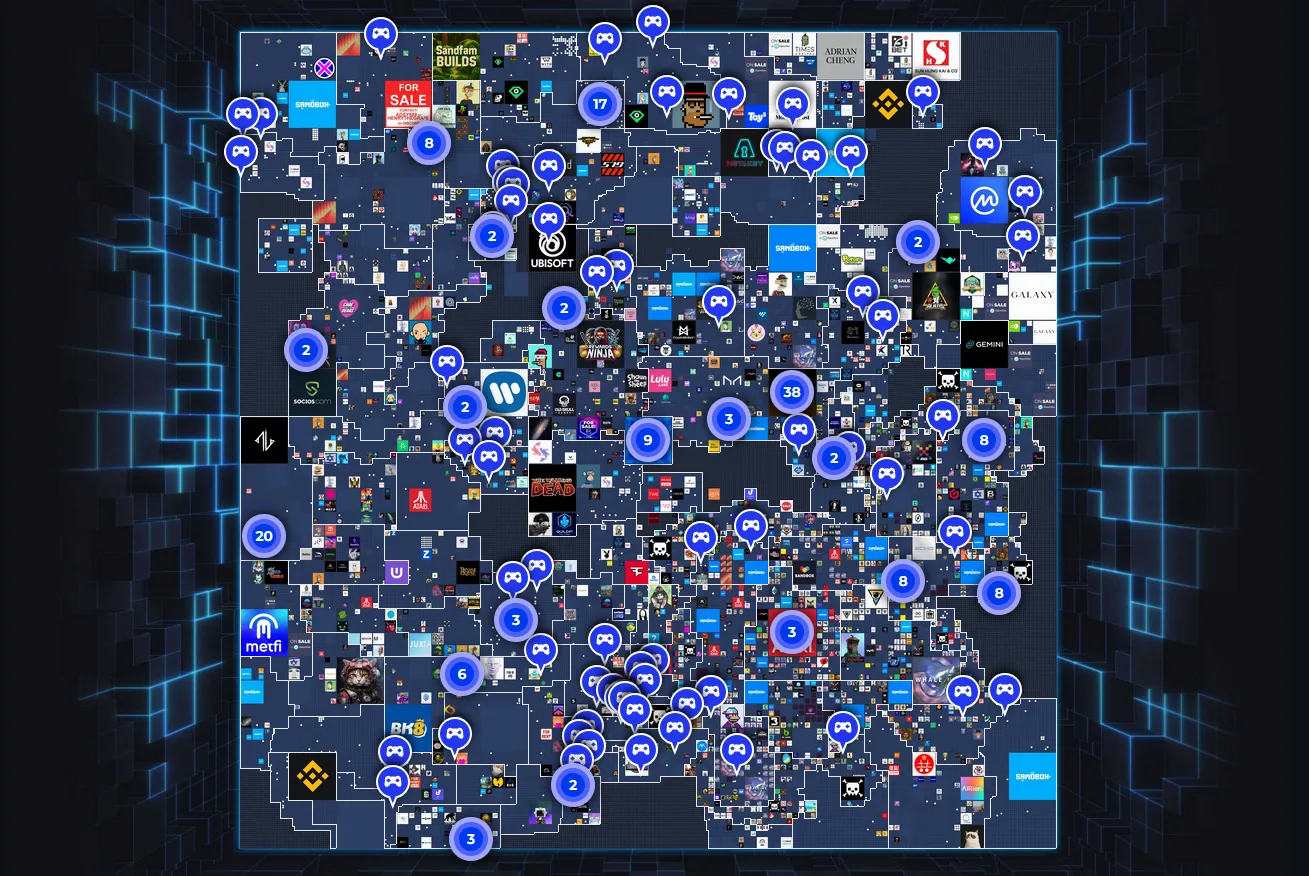 The Sandbox Metaverse: https://www.sandbox.game/en/map. Where players can buy and trade LAND, build games on it, and earn rent from anyone who comes to play.
If you wander even slightly outside that bubble, you find a different story. Quiet, methodical, and almost rude in its refusal to collapse on cue. At the centre of that story is The Sandbox. Not as a relic of 2021, but as a platform that spent the bear market doing the boring, necessary work: building a game engine with property rights.
I’ve always liked The Sandbox for that. LAND there behaves the way Web3 land was supposed to behave before people turned it into a floor-price scoreboard: a defined piece of space you can build on, experiment with, invite people into, and actually own. Less spectacle, more tooling.
Power walks these streets 🎩@ThePeakyBlinder move with purpose as chaos brews. Violence and control await in The Sandbox Alpha Season 6
Step into their world! pic.twitter.com/0A7pOtWoX9
— The Sandbox (@TheSandboxGame) November 5, 2025
Through 2025, while “metaverse” became a punchline, The Sandbox kept tightening the screws. Alpha Seasons 5 and 6 have been less about announcements and more about cohesion: more playable experiences, deeper creator involvement, and major IP woven into worlds rather than slapped on billboards. You log in and it feels less like an expo hall and more like a strange, functioning city built by brands, studios, and obsessives sharing the same grid.
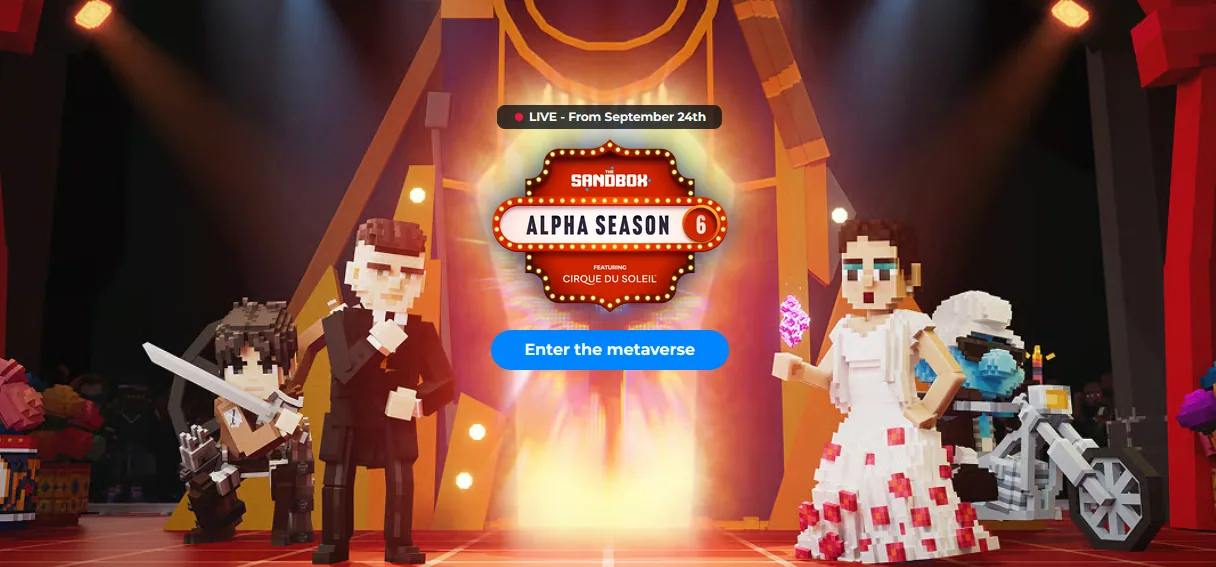 Experience gallery: https://www.sandbox.game/en/gallery/ (Alpha Season 6)
The Sandbox Game Maker
Underneath that, the important progress is in the tools. Successive Game Maker updates have sharpened movement, combat, behaviours, multiplayer, and persistence. The new Action RPG template is a good example: pick a class, wire in abilities, spawn waves, tune XP, script bosses, drop loot. It hands small teams and solo builders a ready-made loop that feels like an actual game, not a tech demo, and lets them publish straight into an ecosystem with players and an economy already attached.
Add in AI-assisted asset creation, smarter NPCs, better matchmaking, and the push toward SANDchain as dedicated infrastructure for creators, and you get something that looks less like a marketing campaign and more like a stack. A place where experiments are cheap, weird ideas can be tried in public, and the rails are on-chain from the start.
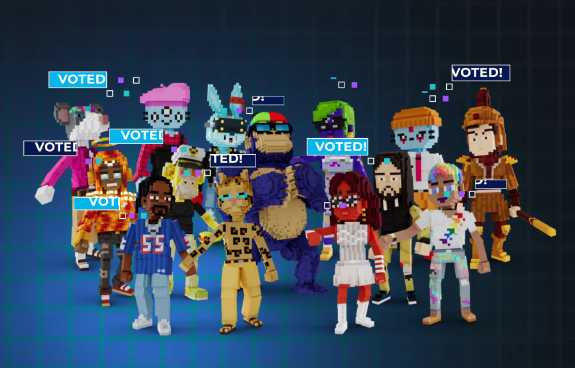 The Sandbox DAO: https://www.sandboxdao.com/
The Sandbox LAND and ASSETS
The ownership model, currently unfashionable to praise in polite panels, is still the hinge. LAND works as programmable territory, not a souvenir. Avatars, wearables and items can move between experiences without being re-sold to you each time. With credit card payments and broader $SAND integrations, participation no longer demands a minor in bridging and wallets before you can press “play.”
None of this guarantees The Sandbox becomes the metaverse, or that every parcel blossoms into culture. It does, however, make the “crypto gaming is dead” line look lazy. The loudest experiments blew up; the serious ones went back to building engines, economies and communities that might actually last longer than a season.
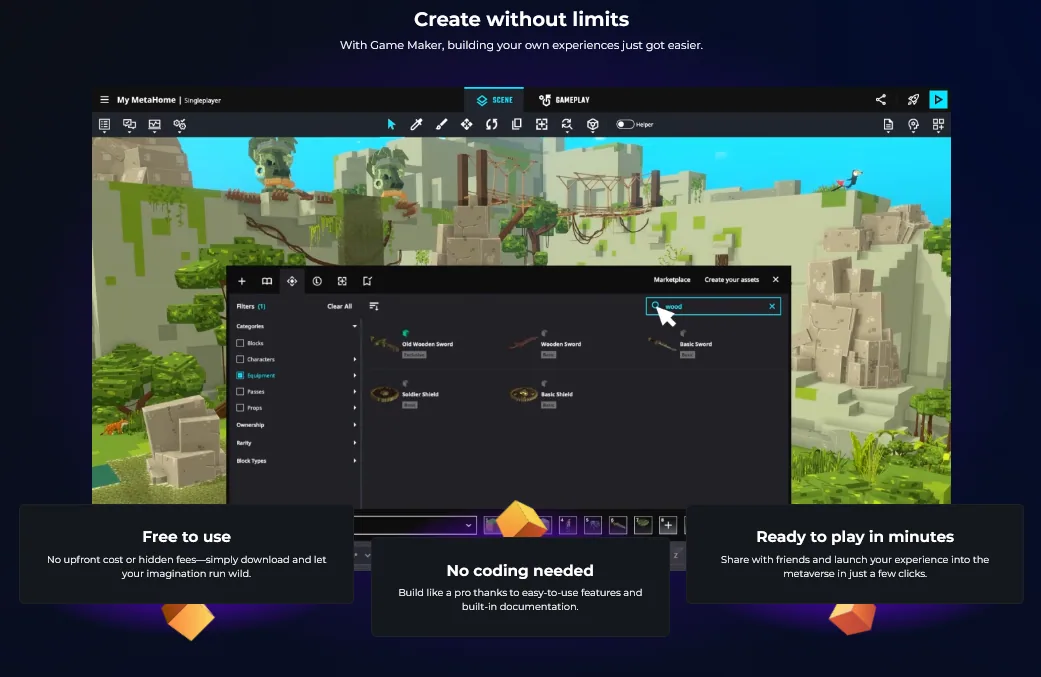 Game Maker 0.12: https://www.sandbox.game/en/create/game-maker. Building your own experiences just got easier.
 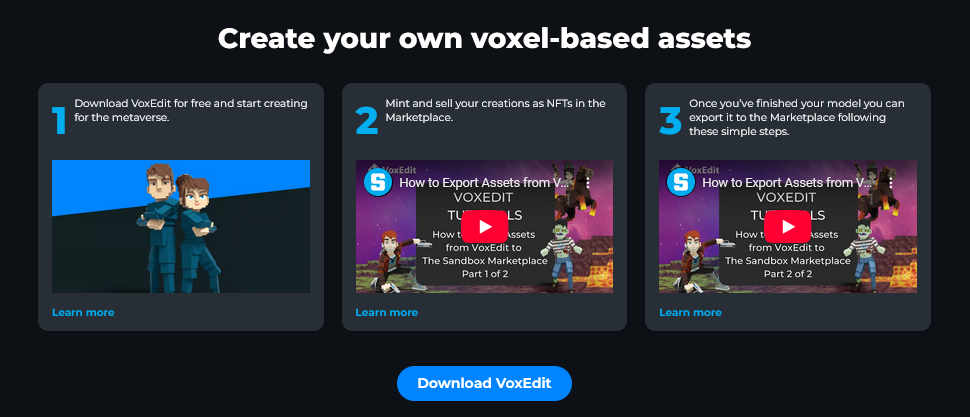 Create voxel-based assets: https://www.sandbox.game/en/create/vox-edit/
If you’re looking only for ATH screenshots, you’ll miss it. What’s taking shape inside The Sandbox in 2025 is more interesting: a live test of what happens when user-generated worlds, credible IP and real asset ownership share the same terrain. Less hype, more craft.
So next time a panelist rolls out the obituary, translate it correctly: the trade they wanted is gone. The work they didn’t want to do is happening anyway. And a meaningful slice of that work is happening, steadily, inside The Sandbox.
Disclosure: This article is for information only and does not constitute investment advice. Go and play things before you bury them.
From the YFarmX archive · originally published on the previous site