New CFTC Chair pick signals policy shift
The new CFTC Chair is set to be Michael Selig after President Donald Trump chose the crypto-savvy lawyer to run the Commodity Futures Trading Commission, according to multiple briefings that the White House sent to reporters on 24 October 2025.
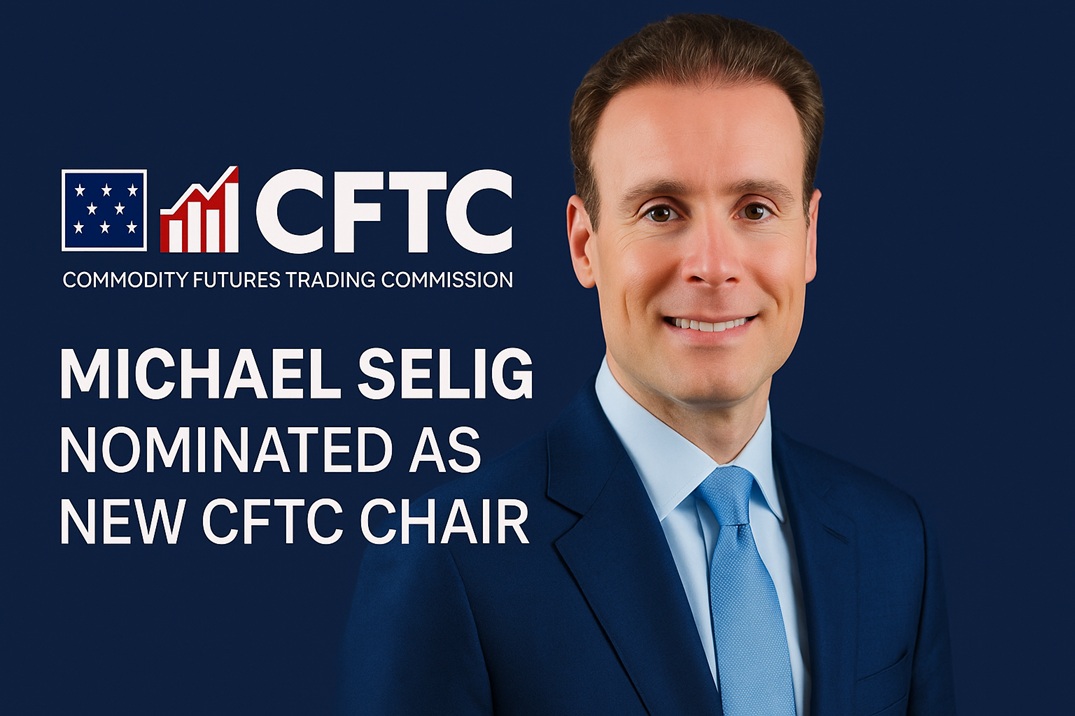
The new CFTC Chair is set to be Michael Selig after President Donald Trump chose the crypto-savvy lawyer to run the Commodity Futures Trading Commission, according to multiple briefings that the White House sent to reporters on 24 October 2025. The pick follows months of jockeying over leadership at the markets watchdog and will now move to the Senate for confirmation.
Nomination and what happens next.
Trump’s selection comes after the earlier bid to install former CFTC commissioner Brian Quintenz ran aground amid conflict-of-interest concerns raised by industry figures and a cooling reception on Capitol Hill. That nomination was subsequently withdrawn, clearing the path for a fresher candidate with fewer entanglements.
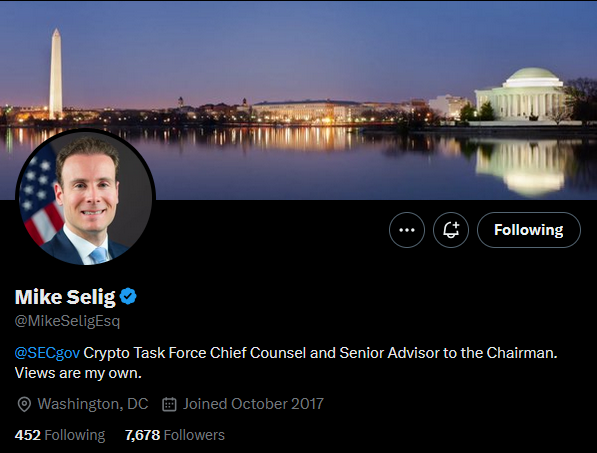
Selig is well known in crypto and regulatory circles. Before government service, he practised at Willkie Farr and Gallagher, advising token issuers and market infrastructure firms. In Washington he has worked on digital-asset market structure, including coordination between agencies that split responsibility for trading and securities rules. Supporters pitch him as a rules-first pragmatist who can translate technical plumbing into actionable policy, a profile that may help in confirmation hearings where senators will press for consumer protection, market integrity and clear jurisdictional lines.
TRUMP CFTC CHAIR NOMINEE MICHAEL SELIG SAYING “THE GOAL IS TO MAKE THE UNITED STATES THE CRYPTO CAPITAL OF THE WORLD”
BULLISH FOR #BITCOIN 🔥 pic.twitter.com/VYJIIzBmMG
— The Bitcoin Historian (@pete_rizzo_) October 25, 2025
If confirmed, Selig would chair a five-member commission that oversees US derivatives markets and a growing share of crypto activity. The chair sets the agenda, steers rulemaking timelines and assigns resources to enforcement, surveillance and market-structure projects. Expect early hearings to focus on how the CFTC will police crypto perps and spot-market conduct, and how it will coordinate with the SEC on token classification and disclosures.
Why this matters for crypto builders and markets
The CFTC’s remit already covers futures and options tied to bitcoin and ether on registered venues. Congress is weighing bills that could widen the CFTC’s authority over spot crypto commodities and codify clearer responsibilities across agencies. A chair who understands order-book dynamics, custody risks and oracle design is more likely to draft workable rules on leverage limits, conflicts, market manipulation and capital requirements for intermediaries. That, in turn, reduces policy uncertainty for exchanges, liquidity providers and custodians planning US expansion.
Industry reaction has been broadly positive, reading the nomination as a chance to reset the rulebook and get long-pending market-structure questions off the whiteboard and into the Federal Register. Trade groups and venture leaders argue that predictable pathways for registration and disclosure will lower legal risk for developers while improving investor safeguards. The bet is simple, clear rules attract institutional liquidity and reduce the premium paid for regulatory uncertainty.
Markets will watch three near-term signals. First, the staff roster Selig builds around enforcement and market oversight will reveal priorities on spoofing, token listings and DeFi interfaces. Second, the tone he sets with the SEC will determine whether dual-registered platforms can launch unified products without tripping contradictory requirements. Third, his approach to rulemaking speed (incremental proposals versus a comprehensive framework) will affect how quickly platforms can align compliance roadmaps with new obligations.
Lessons from the Quintenz detour
The failed Quintenz push underscored the political sensitivity around perceptions of bias and industry influence. The Winklevoss intervention and related reporting became a drag on momentum and highlighted the need for a candidate with both credibility in crypto and distance from potential conflicts. Selig’s profile appears tailored to that brief, which helps explain the accelerated pivot once the earlier nomination stalled.
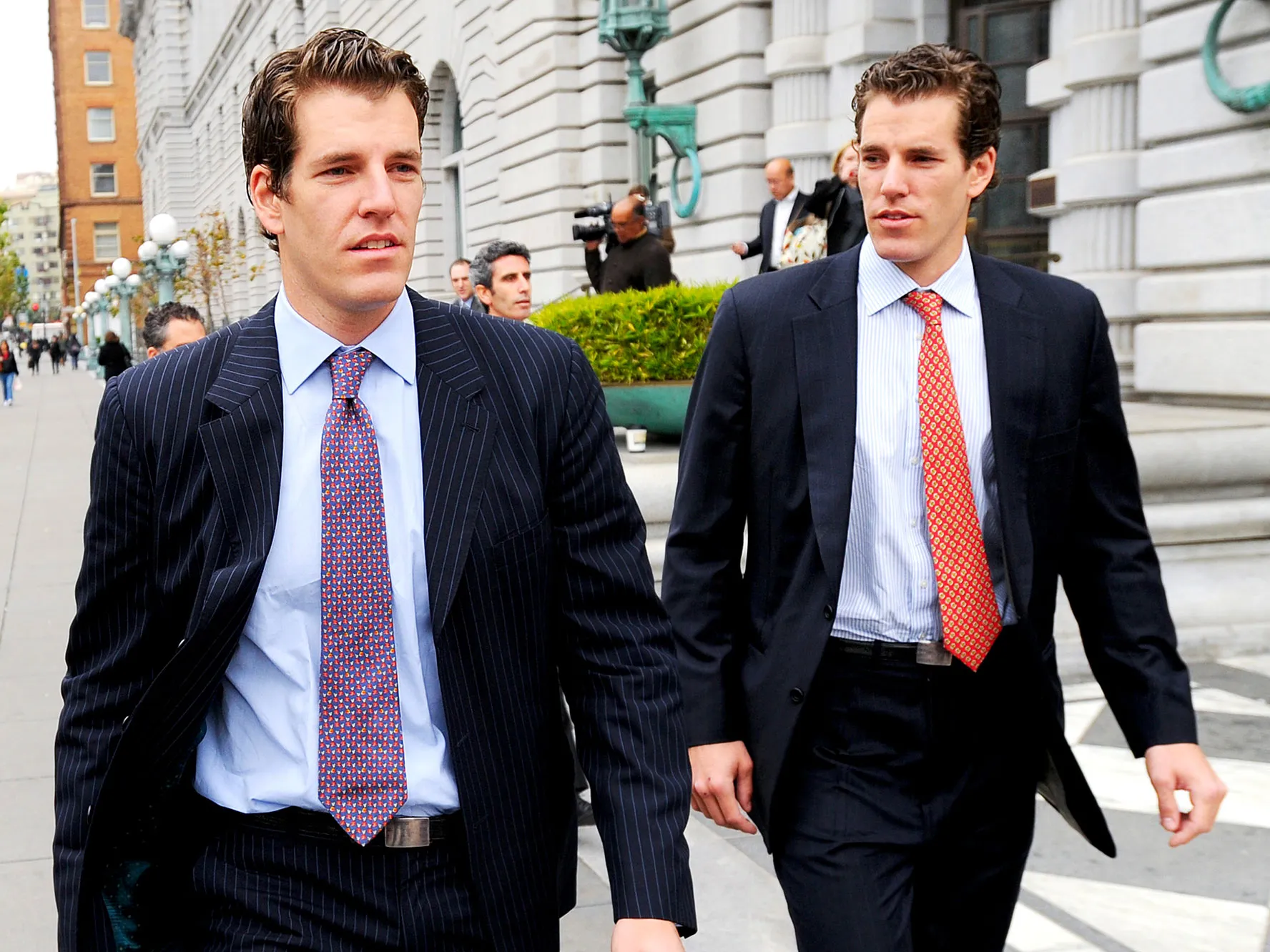 The Winklevoss twins
For builders, the episode is a reminder that leadership optics can shape timelines as much as technical substance. Policy windows open and close quickly in Washington. A capable chair with a clean landing can compress years of uncertainty into a single rulemaking cycle, especially if Congress hands the CFTC clearer statutory authority over parts of the spot market.
What to expect next
Confirmation hearings will probe views on stablecoin oversight, exchange segregation controls, cross-margining for crypto derivatives and the boundary between centralised and decentralised interfaces. Expect questions on how the CFTC will supervise offshore entities that serve US users through affiliates, how it will treat staking-like rewards within derivatives products and how it plans to coordinate cyber resilience with cloud providers after recent outages across fintech platforms. A concrete timeline for proposed rules on market integrity and customer protection would be the biggest near-term catalyst.
Bottom line for our readers
The nomination signals an intent to move from policy theatre to policy text. If Selig translates his technical familiarity into balanced rules, US venues and service providers could scale with less legal drag, and liquidity could deepen onshore. If the process bogs down, expect the status quo to persist with more enforcement-first headlines and continued venue fragmentation.
This article is for information only and is not financial advice.
From the YFarmX archive · originally published on the previous site