Stablecoin Policy: US Treasury Seeks Feedback
Stablecoin Policy: US Treasury seeks feedback on GENIUS Act implementation.
The US Treasury is actively seeking public feedback on the stablecoin regulation framework under the recently enacted GENIUS Act. This move aims to refine enforcement tools that will govern the stablecoin sector, ensuring financial integrity without overwhelming issuers.
Today, Treasury issued a Request for Comment required by the GENIUS Act, which furthers the Administration’s policy of supporting the responsible growth and use of digital assets, as outlined in President Trump’s Executive Order on “Strengthening American Leadership in Digital…
— Treasury Department (@USTreasury) August 18, 2025
GENIUS Act and Its Implications
Since President Trump signed the GENIUS Act into law last month, the industry has been on tenterhooks. The legislation promises to reshape the stablecoin landscape, but its effects remain speculative until regulatory policies are finalised. The Treasury’s call for feedback is a critical step in this process.
Balancing Act for Stablecoin Issuers
Stablecoin issuers, such as Tether and Circle, are granted a grace period of either 18 months or 120 days post-policy implementation. This delay offers issuers time to align with new requirements while the Treasury and Federal Reserve iron out the specifics.
Treasury’s Focus on Enforcement Tools
The Treasury’s request for input specifically targets enforcement mechanisms. The goal is to prevent illicit activities without imposing excessive burdens on financial institutions. Treasury Secretary Scott Bessent highlighted the importance of stablecoins in maintaining dollar dominance, urging stakeholders to contribute innovative ideas.
 Treasury Secretary Scott Bessent
Challenges for Stablecoin Issuers
A key provision of the GENIUS Act requires stablecoin issuers to hold US Treasury bonds. Despite this, issuers have been slow to adapt. Tether, for instance, has reduced its Treasury holdings compared to Q1 2025, raising questions about its strategy.
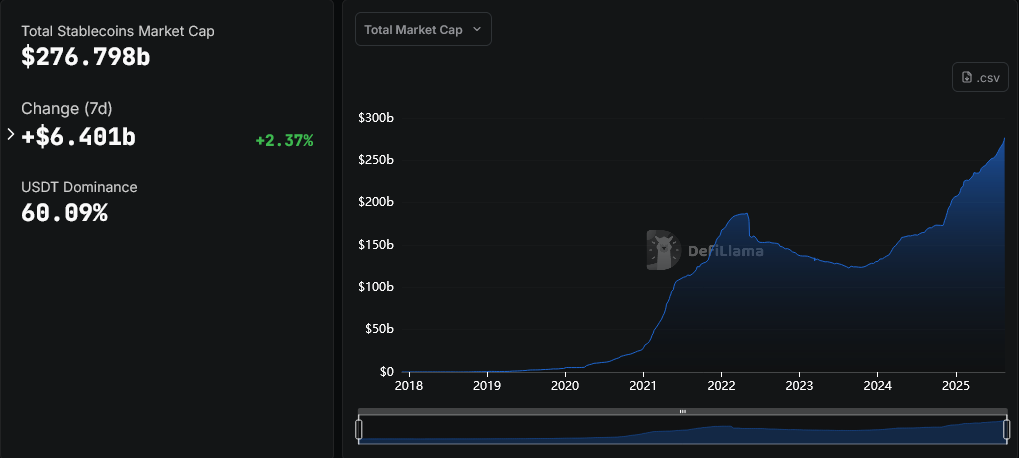 https://defillama.com/stablecoins
The Road Ahead
As feedback pours in, the Treasury will likely make minor adjustments to the implementation of the GENIUS Act. The stablecoin sector is poised for transformation, but the timeline remains uncertain.
Financial advice disclaimer: This article is for informational purposes only and should not be considered financial advice.
From the YFarmX archive · originally published on the previous site