
OpenAI
Sora 2
the cautionary tale
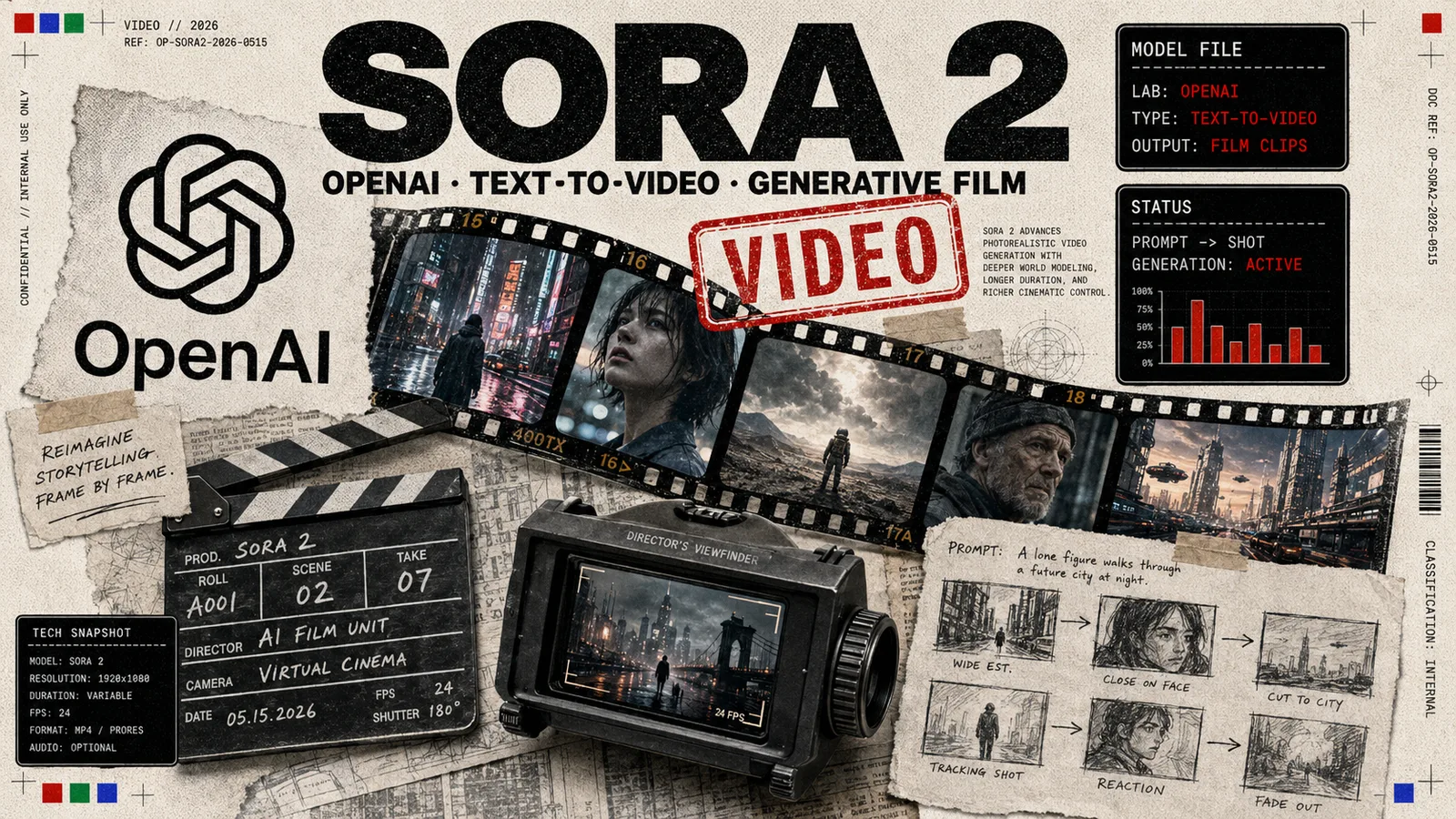
Key facts
- $0.75per second
- Price
- $22.50old pricing
- 30s clip
- 5xthe cost
- vs Veo 3.1
- 26 Apr 2026web + app
- Apps closed
- 24 Sep 2026shutdown date
- API closed
The cautionary tale. OpenAI closed the Sora web and app experiences on 26 April 2026 and removed Sora 2 from its API on 24 September 2026.
What happened
The Sora 2 shutdown is the cautionary tale of the current video generation market, and it is worth studying precisely because Sora was once the most famous name in the field. OpenAI wound the product down in two steps: the web and app experiences were discontinued on 26 April 2026, and the API followed on 24 September 2026. OpenAI’s deprecations page records that on 24 March 2026 it notified developers of the “deprecation and removal from the API” of the Videos API and the Sora 2 model aliases and snapshots, with 24 September 2026 as the shutdown date. Six entries carry that date: the Videos API, sora-2, sora-2-pro and three dated snapshots, sora-2-2025-10-06, sora-2-2025-12-08 and sora-2-pro-2025-10-06, and the recommended-replacement column is blank for all six. Whatever Sora 2 represented at launch, it is now a retired system.
The economics
The economics go a long way towards explaining the Sora 2 shutdown. API pricing had been $0.75 per second, which is roughly five times the cost of Veo 3.1 in fast mode for comparable quality. In practical terms a 30-second clip cost about $22.50, a figure that becomes hard to defend the moment a buyer lines it up against the alternatives. When a rival delivers similar output at a fifth of the price, fame is not enough to hold a customer, and the market moved accordingly. Price discipline, more than any single technical failing, is the thread that runs through this story.
Where to migrate
For the teams affected, this page is best read as a migration guide. A good many organisations prototyped on Sora simply because it was the name everyone had heard of, and since the API closed on 24 September 2026 every one of those teams needs a replacement in production. The right choice depends on what the team was using Sora for. For Western compliance, where a familiar corporate supplier and built-in provenance are the priority, Veo 3.1 is the sensible destination. For cost-sensitive work, Kling 3.0 is the usual shortlist entry. For sheer output quality, the arena.ai boards read on 27 September 2026 put Google’s Gemini Omni 1.1 Flash first on text-to-video and MiniMax H3 first on image-to-video. Most teams will find one of those fits the use case they originally brought to Sora.
When each part closed
Sora closed in two stages. The web and app experiences went on 26 April 2026, which stopped every workflow built on them that day. The API stayed live for five more months and closed on 24 September 2026, six months to the day after OpenAI’s notice to developers, so any integration still calling the Sora 2 models or the Videos API stopped working on that date. A team still carrying Sora code is now rebuilding against a replacement from a standing start. The lesson for the next deprecation notice is to treat it as a deadline: test a replacement, rebuild the integration and validate output well before the date.
The wider lesson
There is a broader lesson in all of this, which is why the page carries the weight it does. Sora demonstrated that being early and being famous count for very little once the underlying economics stop working. OpenAI arrived with enormous attention and a genuinely striking early model, yet within a short span it was undercut on price and overtaken on quality, and the product could not sustain the position that publicity alone had won it. For anyone choosing a video vendor today, the Sora 2 shutdown is a reminder to weigh price, quality and longevity together, and to be wary of standardising on a tool for its brand rather than its numbers.
The exit of a marquee name consolidates the market around the vendors that got the fundamentals right, and it hands Sora’s share to the Chinese leaders and to Google’s compliant Western default. For teams still carrying Sora code, the task is immediate: pick a successor, migrate now, and treat the episode as a lesson in choosing on substance. For a side-by-side view of the alternatives, our AI video models hub tracks all of them, and the wider AI section follows the labs involved.
More in Video Generation
All Video →- GuideClaude + MCP for videofrom a written brief to a finished shot
- GuideSeedance 2.5 promptingthe official method, decoded
- Google DeepMindGemini Omni 1.1 Flashthe production release of Google's video line
- AlibabaWan 3.0hosted only, with nothing to download
- MiniMaxMiniMax H3the open flagship
- Google DeepMindVeo 3.1the safest Western default