Bitcoin ETF outflows: after the worst month on record, the bleeding slows
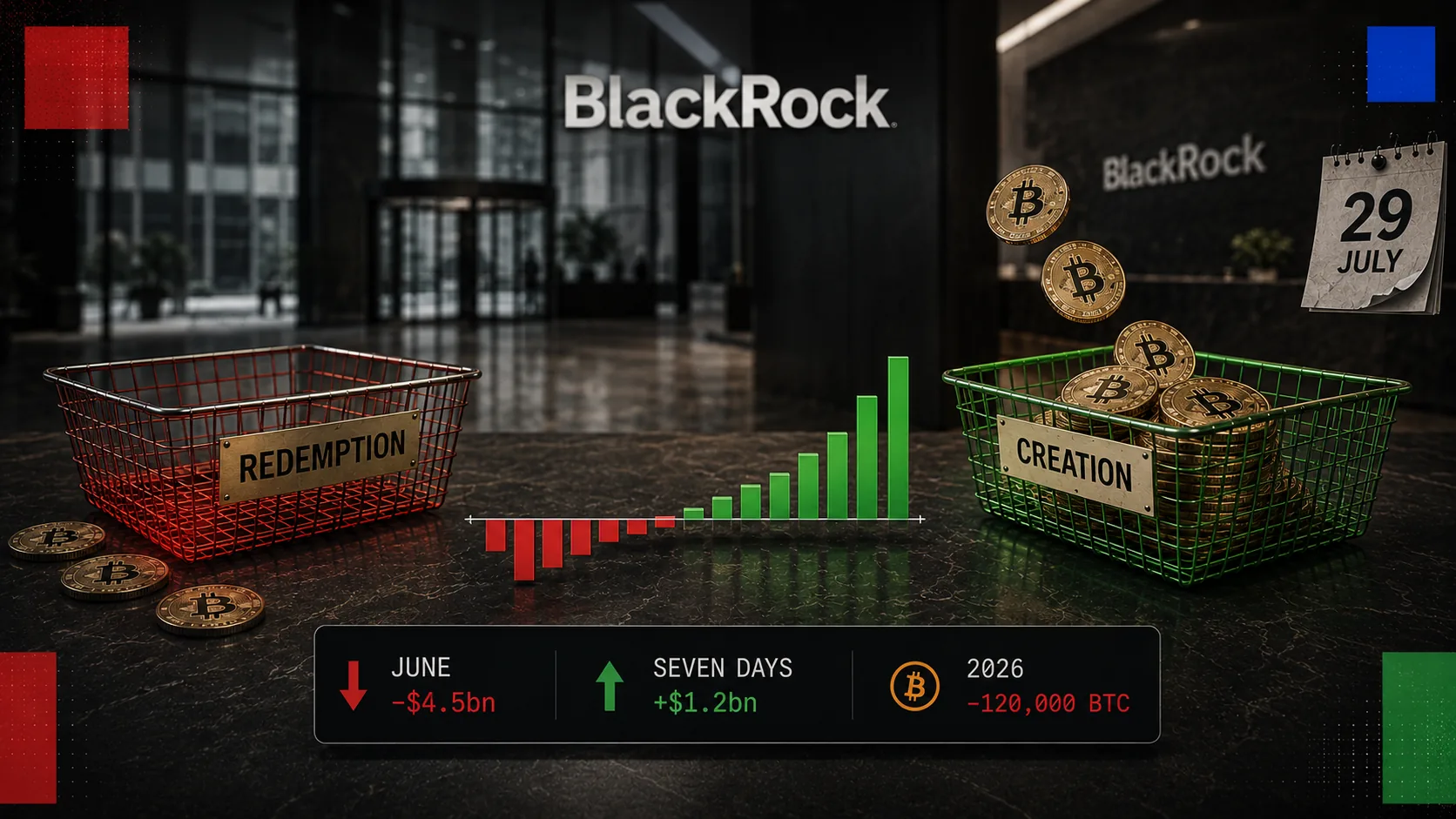
June 2026 will be remembered as the month Bitcoin ETF outflows broke their own grim record, with roughly 4.5 billion dollars leaving US spot funds, the worst calendar month since the products launched in January 2024.
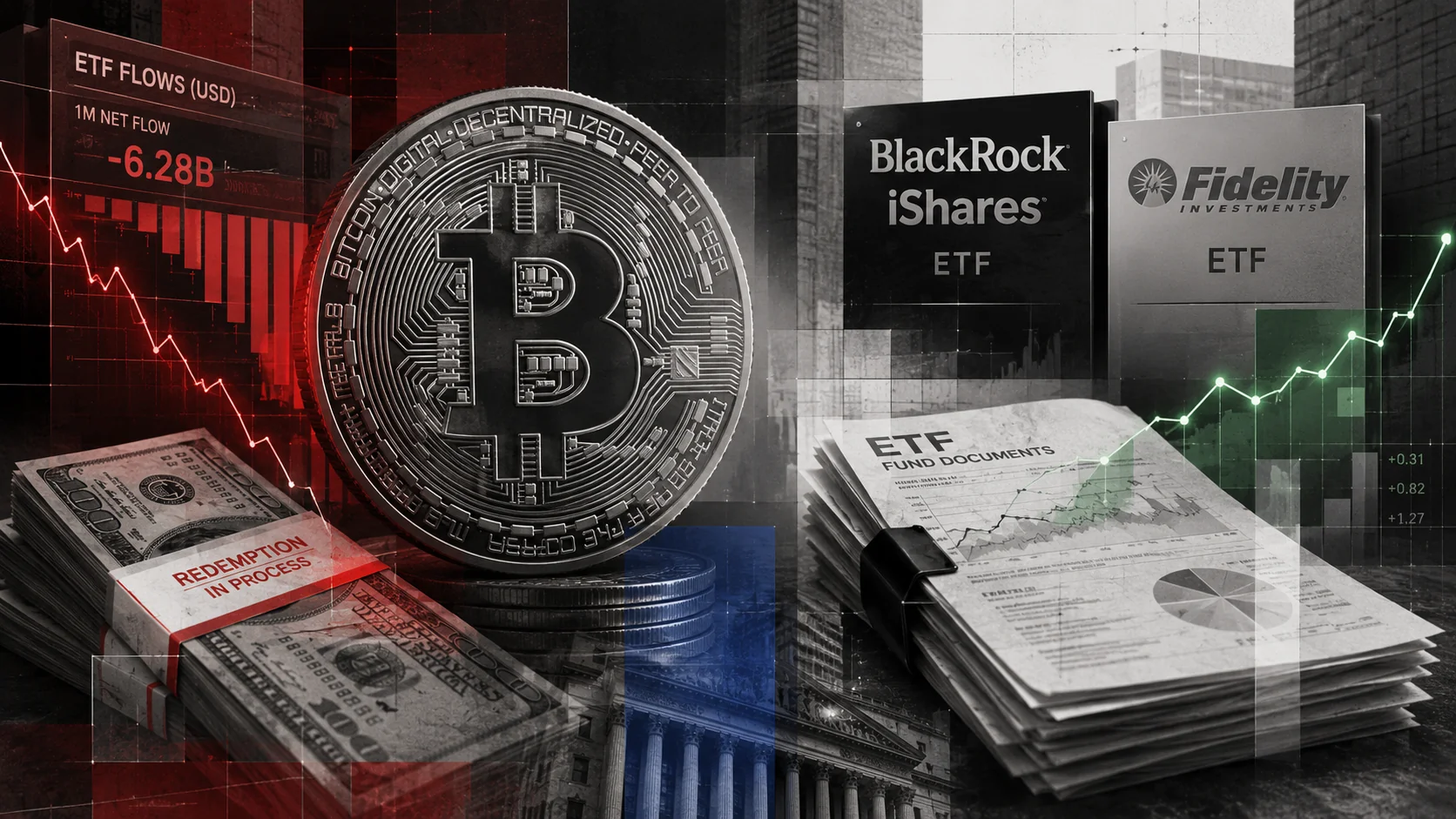
June 2026 will be remembered as the month Bitcoin ETF outflows broke their own grim record, with roughly 4.5 billion dollars leaving US spot funds, the worst calendar month since the products launched in January 2024. The vehicles that were supposed to make bitcoin deeper, more institutional and less fragile spent the early summer demonstrating that flows run in both directions, and that institutions can panic with the best of them.
The damage was not subtle. BlackRock’s IBIT shed 239.3 million dollars in a single session in late June; Fidelity’s FBTC lost 120.8 million the same day. Industry flow trackers put the broader run of redemptions at around five billion dollars over six weeks, stretching at one point to an eight-week streak. Bitcoin duly fell to 58,188 dollars in late June, a 21-month low and a price last seen in 2024, dragged down by a hot inflation print, talk of three Federal Reserve rate rises in the second half, and a rotation of speculative capital into AI equities.
The mechanics of Bitcoin ETF outflows are worth understanding, because they invert the 2024 story. When authorised participants redeem shares, the funds sell coins, and forced selling into a thin summer market amplifies every move. What was marketed as a stabilising institutional base turned out to be a fast exit ramp with excellent liquidity.
July has brought a change of tone, if not yet of conviction. Bitcoin reclaimed the 63,000 to 65,000 dollar range, helped by a softer inflation reading in mid-month, and the flow picture finally cracked. On 16 July, US spot bitcoin funds drew 79.15 million dollars of net inflows, one of the stronger sessions of the summer, and tracking services began describing the first signs of easing selling pressure. Different data providers disagree on precisely when the tide turned, which says something about the cottage industry that has grown up around watching these numbers.
Context tempers any celebration. Bitcoin remains roughly half its October 2025 peak of just over 126,000 dollars, the Fear and Greed Index spent much of the past month in the low twenties, and total crypto market value dipped to about 2.23 trillion dollars during the worst of it. A market that once moved on halving cycles now moves on PCE prints and the Federal Reserve’s calendar, which is either maturity or captivity depending on one’s taste.
The more interesting question is who was buying while the ETFs sold. On-chain analysts point to long-term holders absorbing supply through the drawdown, and the corporate treasury crowd, led by Tokyo’s Metaplanet, kept purchasing through the low. If the ETF investor has become bitcoin’s marginal seller, the patient balance-sheet buyer has become its marginal bid.
For now, the sensible read is that the worst of the Bitcoin ETF outflows appears to have passed, without any guarantee it stays passed. The 29 July Federal Reserve meeting looms as the next genuine test, and issuer disclosures from BlackRock’s iShares and Fidelity will show whether July’s inflows were a turn or a pause. Bitcoin has survived plenty of obituaries. It has simply never had its funeral priced daily, in public, by the very products built to celebrate it.
The redemptions were also less an exit from crypto than a reshuffle within it. During the very weeks bitcoin funds bled, spot Solana ETFs recorded net inflows on every July trading day, XRP products extended a run that has gathered about 1.47 billion dollars since November, and even the young Hyperliquid funds drew steady money. Institutional capital, in other words, did not leave the asset class so much as redistribute across it, rotating from the crowded flagship into cheaper, more idiosyncratic exposures. That is scant comfort for bitcoin’s price in the short run, but it undermines the tidier narrative that the institutions tried crypto and went home.
Sources
- Fidelityfidelity.com
- iShares (BlackRock)ishares.com