Rocket Lab launches a Japanese satellite that sees through cloud
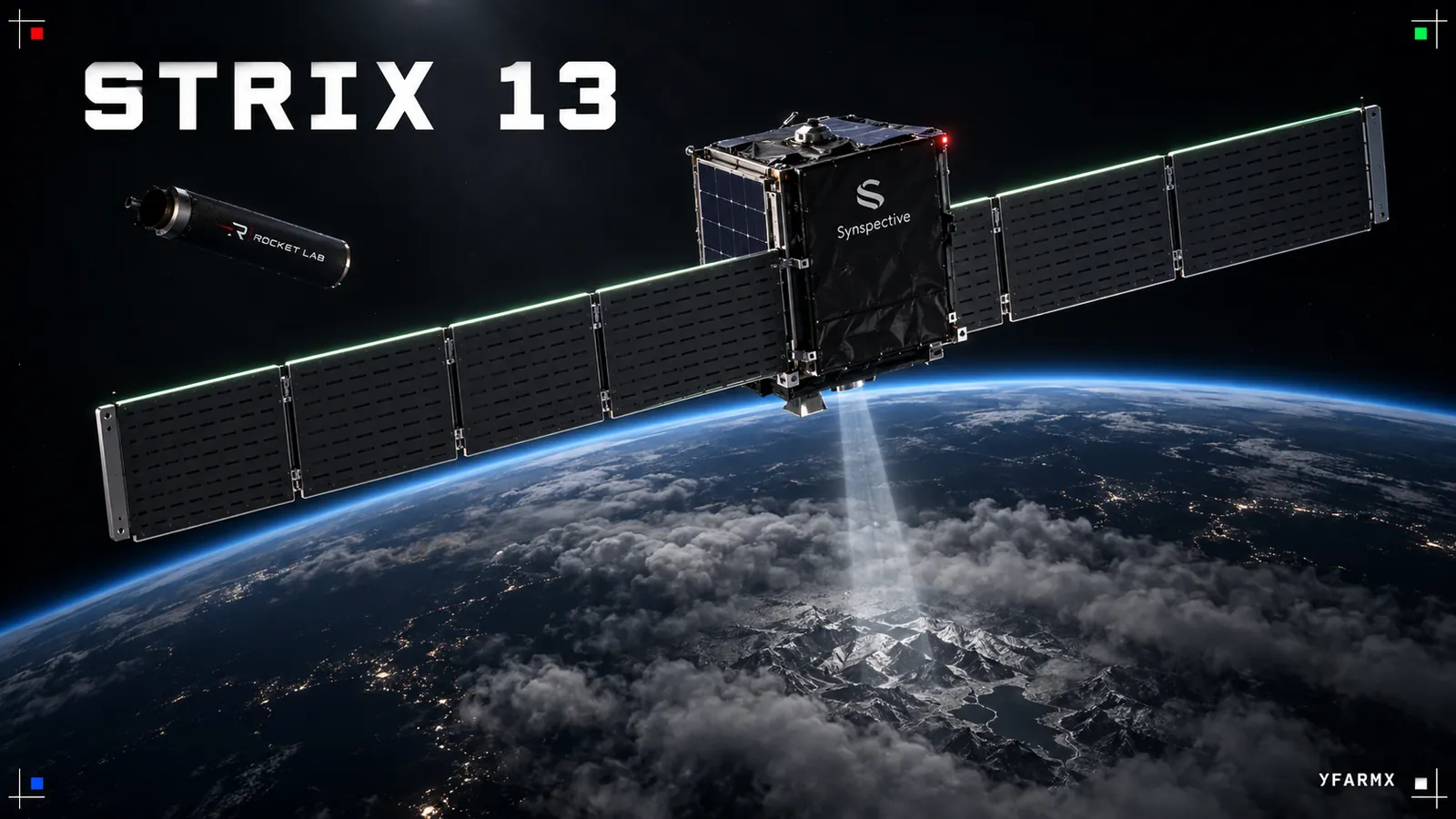
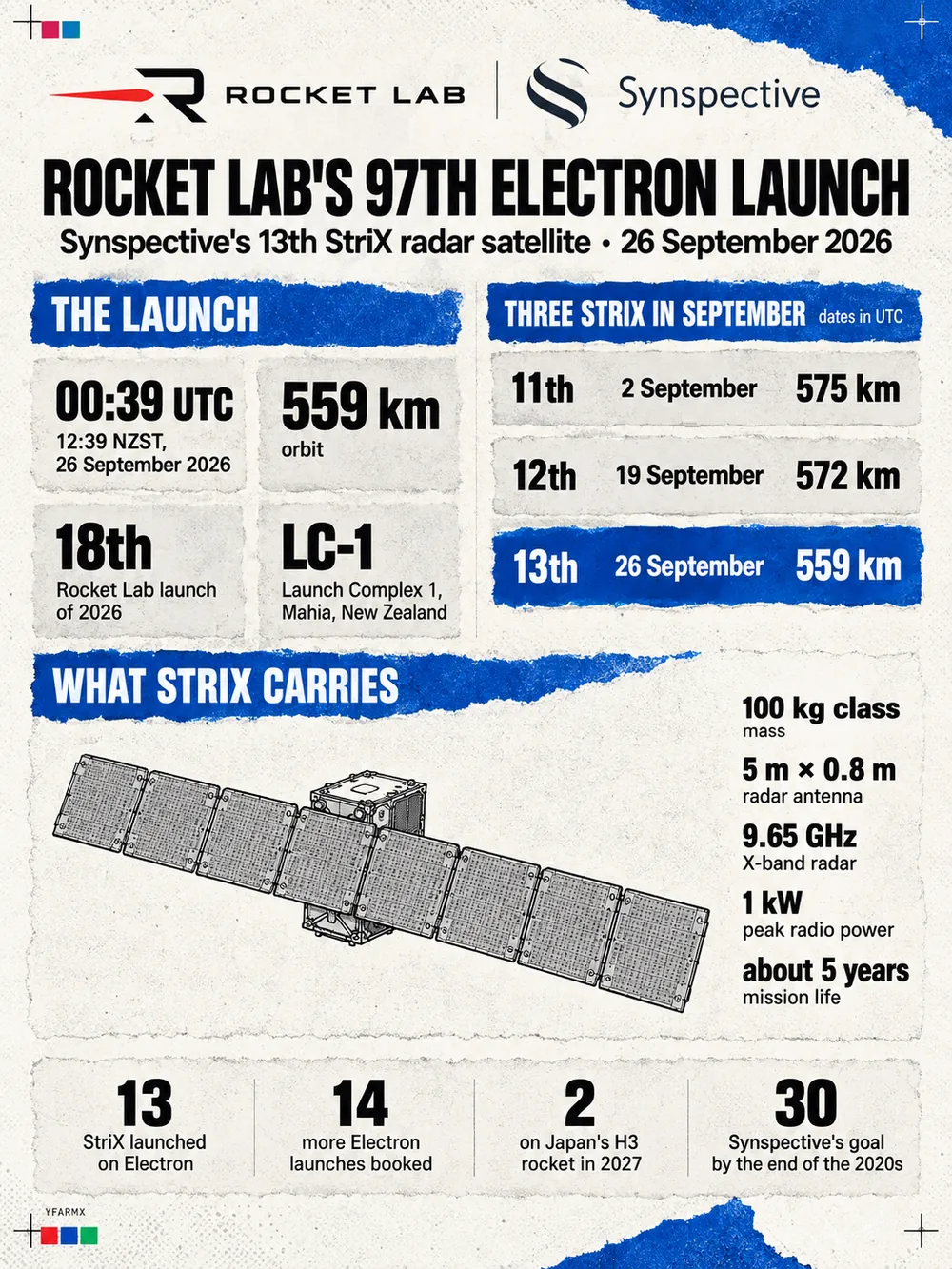
Rocket Lab launched its 97th Electron rocket from New Zealand at 00:39 UTC on 26 September 2026, placing Synspective's 13th StriX radar satellite in a 559 km orbit. It was Rocket Lab's 18th launch of 2026.
Listen to this articleListen
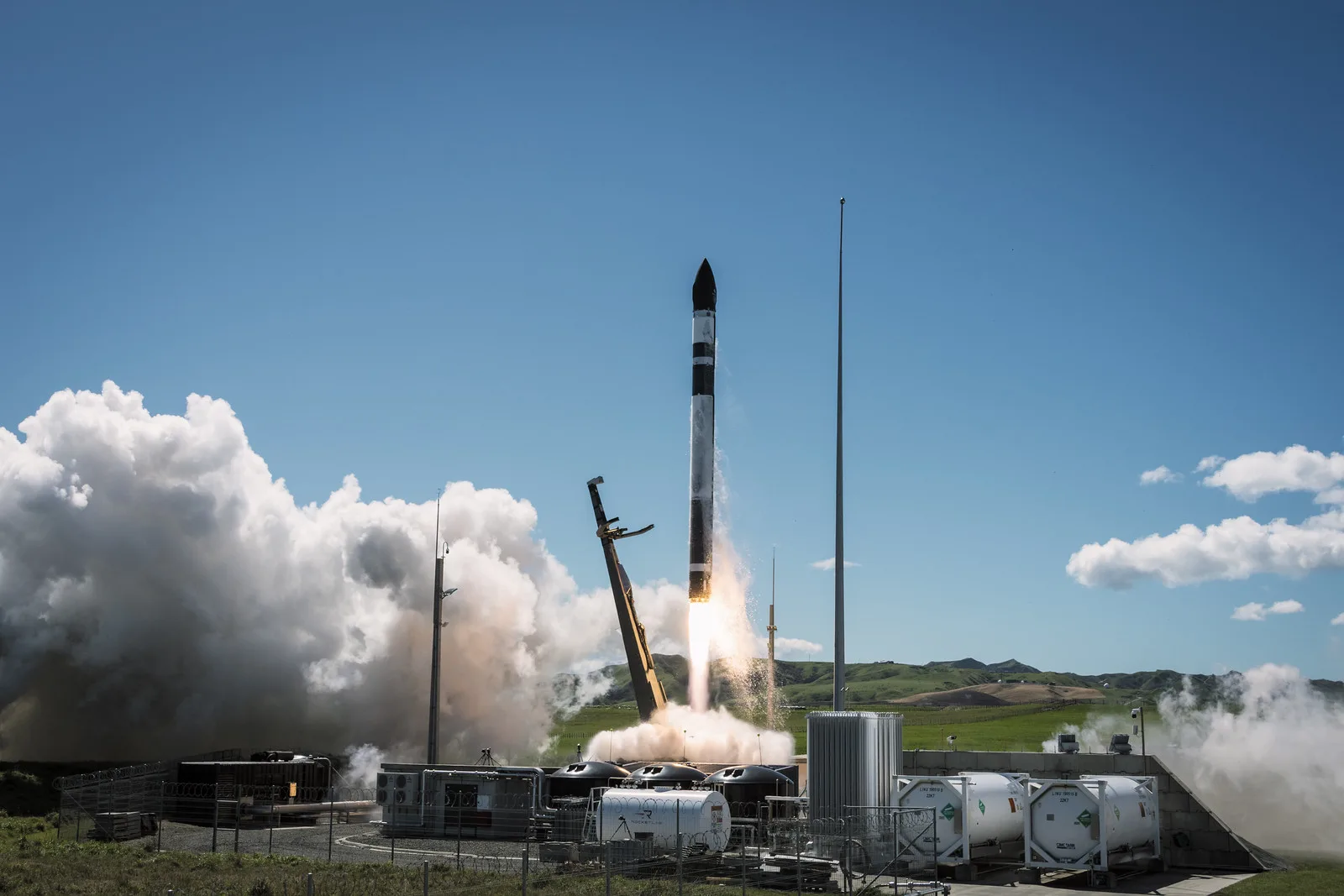
Rocket Lab launched its 97th Electron rocket at 00:39 UTC on 26 September 2026, 12:39 in New Zealand, and placed the 13th StriX radar satellite for the Japanese company Synspective directly into a 559 km low Earth orbit. The mission, named “Owlright Owlright Owlright”, was Rocket Lab’s 18th launch of 2026, according to its mission release.
Synspective confirmed the deployment the same day and will spend the coming months testing and commissioning the satellite before it enters service. All 13 StriX satellites have reached orbit on Electron, and three of them flew in September.
When and where did the 97th Electron launch?
Electron lifted off from Rocket Lab Launch Complex 1 on New Zealand’s Mahia Peninsula at 12:39 New Zealand Standard Time on 26 September 2026, which was 00:39 UTC and 01:39 in London. The rocket delivered the StriX satellite directly into its 559 km orbit, and Rocket Lab counts all 13 StriX launches as successes.
| Detail | Figure |
|---|---|
| Mission name | Owlright Owlright Owlright |
| Rocket | Electron, flight 97 |
| Launch site | Launch Complex 1, Mahia Peninsula, New Zealand |
| Liftoff | 12:39 NZST, 26 September 2026 (00:39 UTC) |
| Payload | StriX, Synspective’s 13th radar satellite |
| Orbit | 559 km, low Earth orbit |
| Rocket Lab launches in 2026 | 18 |
How does a radar satellite see through cloud and at night?
A synthetic aperture radar (SAR) satellite supplies its own illumination: it fires pulses of microwaves at the ground and records the echoes that come back. A camera on an optical satellite records sunlight reflected off the surface, so it needs daylight and a clear sky. Radar, in the words of NASA’s Earthdata guide to SAR, “enables high resolution imagery to be created night or day, regardless of weather conditions.”
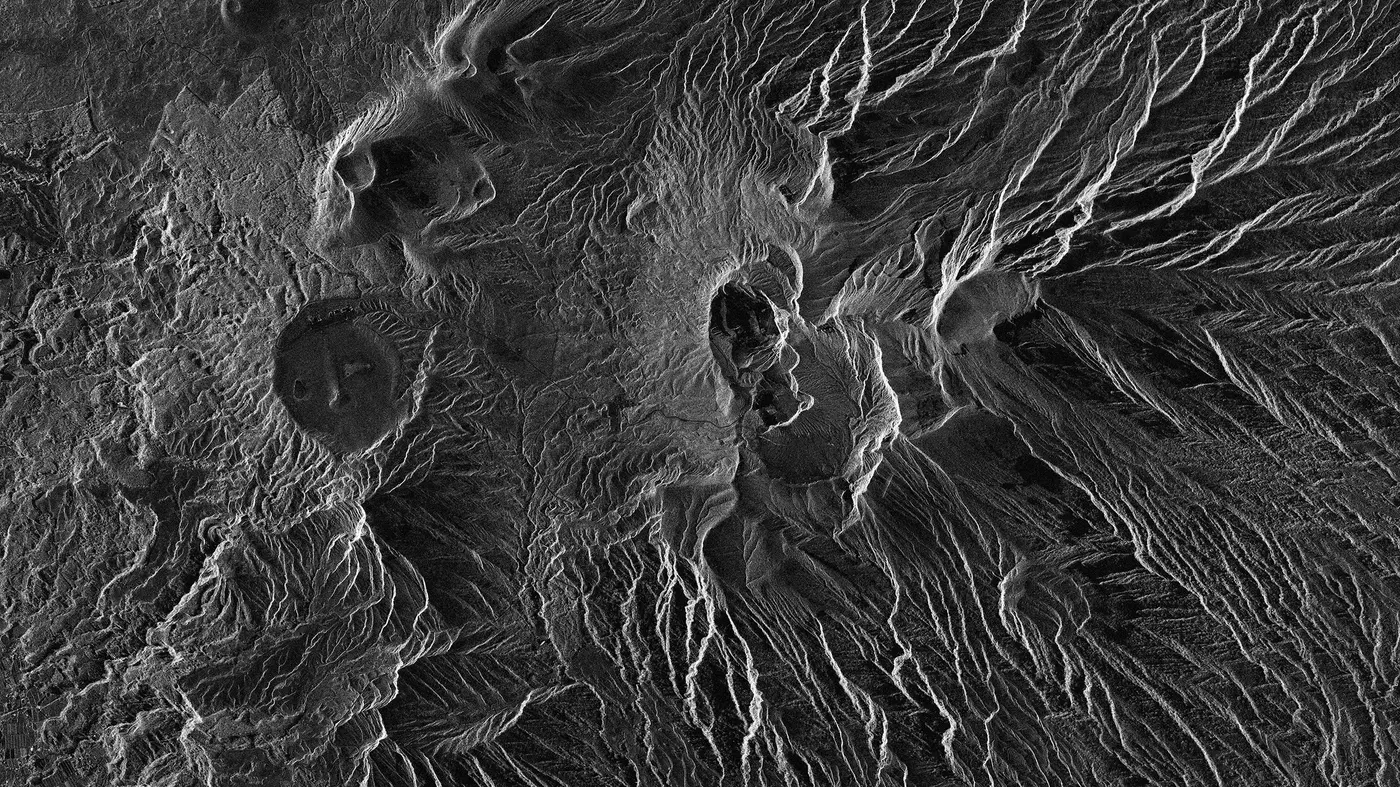
The strength of each echo depends on the shape and roughness of what the pulse hits. In Synspective’s words, its satellites “observe terrain and the shape of structures”. Comparing passes over the same spot shows what changed between them, which Synspective sells for disaster response, infrastructure monitoring and security.
The “synthetic aperture” is a trick of processing. A radar’s sharpness grows with the length of its antenna, so the satellite combines many echoes gathered along its path to simulate an antenna far longer than the one it carries, NASA’s guide explains.
StriX packs the radar into a 100 kg-class satellite, about a tenth of a conventional large SAR satellite, according to Synspective’s specifications:
| StriX specification | Figure |
|---|---|
| Mass | 100 kg class |
| Body before the antenna unfolds | 0.8 m × 1.0 m × 0.8 m |
| Radar antenna, unfolded in orbit | 5 m × 0.8 m, seven panels |
| Radar band | X-band, 9.65 GHz centre frequency |
| Peak radio power | 1 kW |
| Mission life | About five years |
X-band radar works at a wavelength of about 3 cm, which NASA’s guide lists for high-resolution work such as urban monitoring. Most of the sample images in Synspective’s data gallery resolve 0.46 m by 0.5 m.
Electron flew three StriX missions in September
Rocket Lab launched the 11th, 12th and 13th StriX satellites between 2 and 26 September 2026, on Electron flights 94, 96 and 97. The last two went up six days and 21 hours apart.
| StriX | Mission | Liftoff (UTC) | Orbit |
|---|---|---|---|
| 11th | Owl Around The World | 12:01, 2 September 2026 | 575 km |
| 12th | Owl By The Dozen | 03:22, 19 September 2026 | 572 km |
| 13th | Owlright Owlright Owlright | 00:39, 26 September 2026 | 559 km |
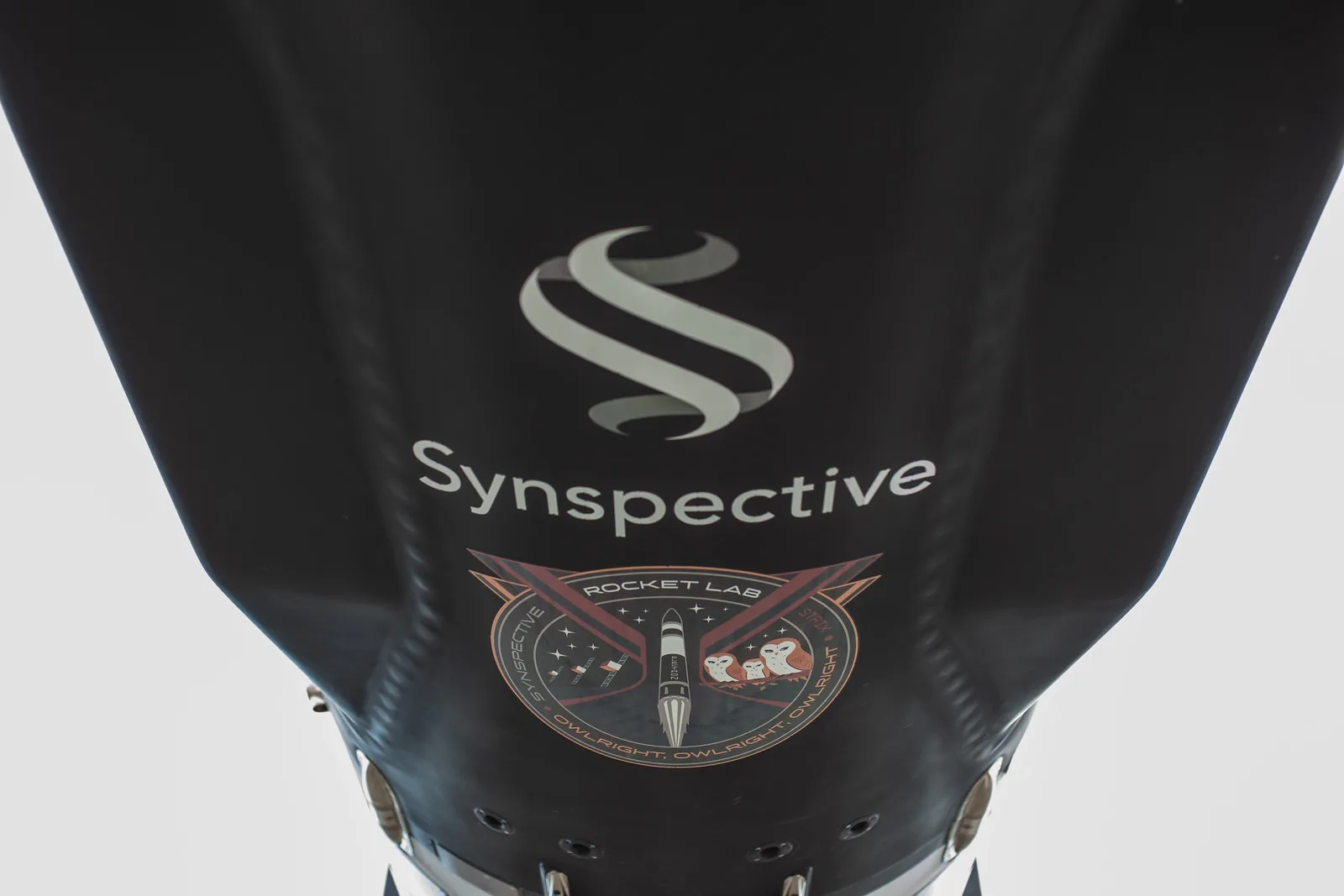
Each StriX flies alone on its rocket, and Rocket Lab builds a specially configured Electron fairing sized to the satellite.

Most of the 13 mission names play on owls, from “The Owls Night Begins” in December 2020 to “Owl By The Dozen” for the 12th.
Synspective took the name StriX from the owl species Strix uralensis, because owls can “forage even in total darkness” and its radar images the ground at night.
How many more StriX launches are booked?
Rocket Lab said on 26 September 2026 that “another 14 launches remain on schedule to deliver the rest of Synspective’s constellation to space by the end of the decade.” Synspective’s stated goal, on its launch mission page, is a constellation of 30 SAR satellites by the end of the 2020s.
The Electron bookings rest on two multi-launch contracts. The first, signed in Tokyo on 18 June 2024, covered ten launches across 2025 to 2027 and was then Rocket Lab’s largest Electron agreement. The second, announced on 29 September 2025, added ten more and took Synspective’s upcoming Electron missions to 21, which Rocket Lab called “the largest order of dedicated Electron missions with a single customer to date”.
Synspective has also turned to a second launcher. On 18 September 2026 it signed with Mitsubishi Heavy Industries to put two StriX satellites on Japan’s H3 rocket in 2027, from JAXA’s Tanegashima Space Center, under Japan’s government Space Strategy Fund.
| Date | Agreement | Launches |
|---|---|---|
| 18 June 2024 | Rocket Lab, first multi-launch contract | 10 on Electron |
| 29 September 2025 | Rocket Lab, second multi-launch contract | 10 more on Electron, 21 upcoming in total |
| 18 September 2026 | Mitsubishi Heavy Industries | 2 on H3, in 2027 |
| 26 September 2026 | Rocket Lab, after the 13th launch | 14 still to fly on Electron |
A third of Rocket Lab’s launches this year carried a StriX
Six of Rocket Lab’s 18 launches in 2026 have carried a StriX satellite: flights in March, May and June, then three in September. Synspective’s launch notices cover all six, and Electron has carried every one of its 13 satellites since the first, StriX-α, in December 2020.
Rocket Lab calls Electron the primary launch vehicle for iQPS of Fukuoka, another Japanese radar constellation. Electron’s 93rd flight, on 20 August, carried the ninth QPS-SAR satellite Rocket Lab has deployed, and nine more iQPS launches are booked on Electron to 2030. Iridium’s shareholders voted on 24 September 2026 to approve Rocket Lab’s takeover of the satellite operator.
Synspective has now launched 13 StriX satellites towards its target of 30, every one from Launch Complex 1 on the Mahia Peninsula, and its next 14 are booked from the same site.
Questions people ask
- When did Rocket Lab's 97th Electron launch?
- Rocket Lab's 97th Electron lifted off from Launch Complex 1 on New Zealand's Mahia Peninsula at 12:39 NZST on 26 September 2026, which was 00:39 UTC. The mission, named Owlright Owlright Owlright, placed Synspective's 13th StriX radar satellite directly into a 559 km low Earth orbit. It was Rocket Lab's 18th launch of 2026.
- How does a SAR satellite see through cloud and at night?
- A synthetic aperture radar (SAR) satellite sends out its own microwave pulses and records the echoes that bounce back from the ground, so it forms an image by day or night and through cloud. An optical satellite records sunlight reflected from the surface. Synspective's StriX satellites use X-band radar at 9.65 GHz, a wavelength of about 3 cm, from a 5 m antenna that unfolds in orbit.
- How many more StriX satellites will Rocket Lab launch?
- Rocket Lab said on 26 September 2026 that 14 more dedicated Electron launches remain on schedule to complete Synspective's constellation by the end of the decade. Rocket Lab and Synspective signed multi-launch contracts in June 2024 and September 2025. Synspective, which aims for 30 satellites by the end of the 2020s, has also booked two StriX satellites on Mitsubishi Heavy Industries' H3 rocket for 2027.
Sources
- Rocket Lab: Mission success, Rocket Lab launches 97th Electron mission, 25 September 2026 (US time)investors.rocketlabcorp.com
- Rocket Lab via GlobeNewswire: Mission success, Rocket Lab launches 97th Electron mission, 26 September 2026globenewswire.com
- Synspective: 13th SAR satellite reaches target orbit, 26 September 2026synspective.com
- Synspective: 12th SAR satellite reaches target orbit, 19 September 2026synspective.com
- Rocket Lab: Mission success, Rocket Lab launches 96th Electron mission, 19 September 2026investors.rocketlabcorp.com
- Rocket Lab: Mission success, Rocket Lab launches 94th Electron mission, 2 September 2026investors.rocketlabcorp.com
- Synspective: StriX launch mission record, 2020 to 2026synspective.com
- Synspective: StriX satellite and sensor specificationssynspective.com
- Synspective: StriX constellation and orbitssynspective.com
- Synspective: StriX data gallery, sample images and resolutionssynspective.com
- Synspective: StriX image of Mt. Aso, Japan, 15 June 2026synspective.com
- NASA Earthdata: Synthetic aperture radar (SAR)earthdata.nasa.gov
- Rocket Lab: Record deal for 10 Electron launches with Synspective, 18 June 2024investors.rocketlabcorp.com
- Rocket Lab: Rocket Lab and Synspective strike another 10-launch deal, 29 September 2025investors.rocketlabcorp.com
- Synspective: Launch service agreement with Mitsubishi Heavy Industries for the H3 rocket, 18 September 2026synspective.com
- Rocket Lab: Owlright Owlright Owlright launch photographs, Flight 97 albumflickr.com
- Rocket Lab: Mission success, Rocket Lab launches 93rd Electron mission for iQPS, 20 August 2026investors.rocketlabcorp.com
- Iridium and Rocket Lab: Iridium stockholders approve acquisition by Rocket Lab, 24 September 2026investors.rocketlabcorp.com