YFARMX SPACE
YFarmX Space · all sections

YFarmX Space · Satellites

Satellites

The working machines of orbit: constellations, Earth observation, communications and navigation, and the ground segment that keeps them useful.

State of play6missions on this page23tracked across the section15 Sept 2026last verified
The mission records, in full
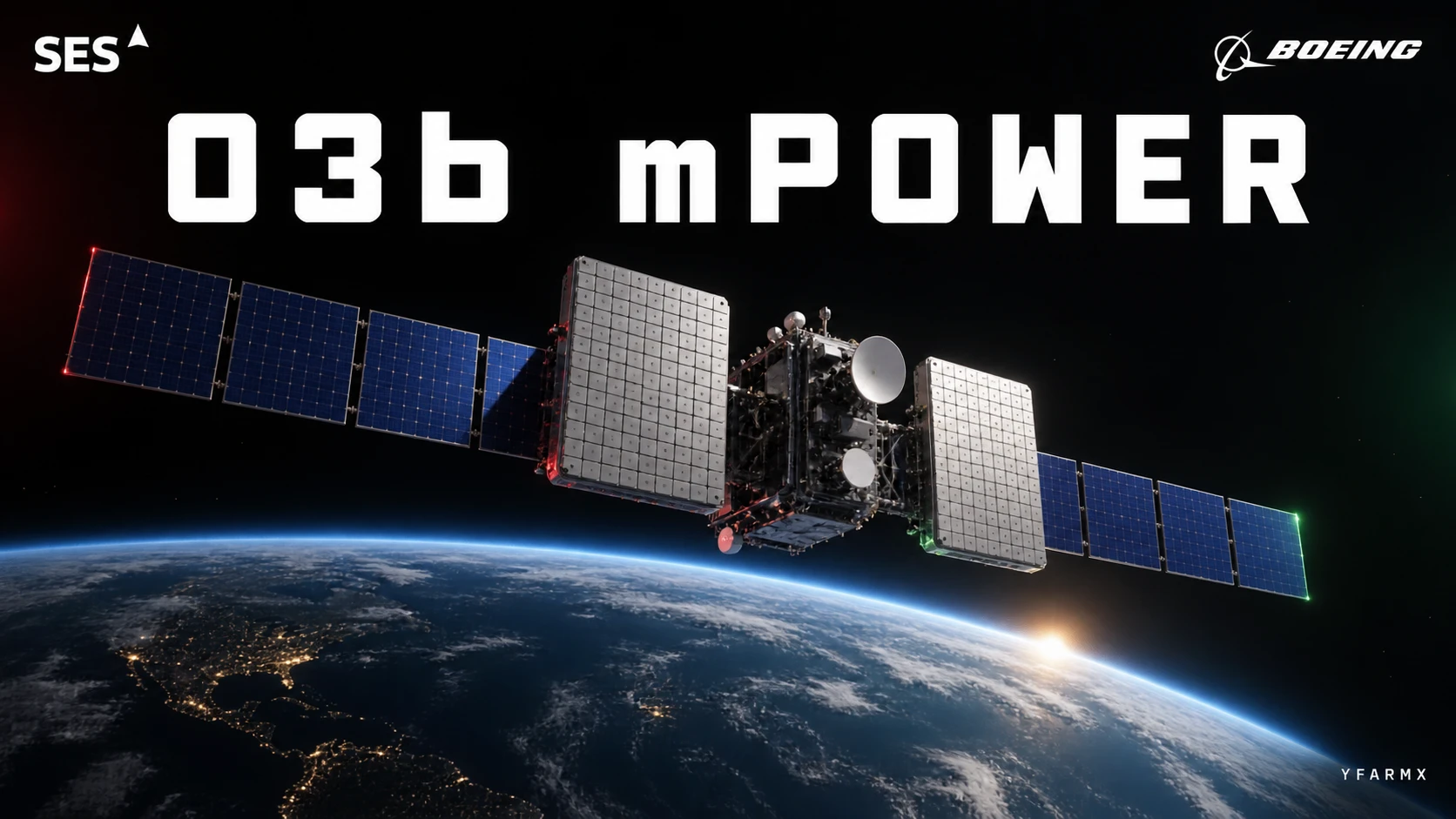
Conceptual editorial illustration of an O3b mPOWER communications satellite.

O3b mPOWER

orbital operations

SES / Boeing · Medium Earth orbit

last verified 15 Sept 2026

An operating broadband network with three newly launched spacecraft expected to add capacity in 2027.

More

SES uses O3b mPOWER to provide broadband capacity for mobility, government, telecoms and enterprise customers. The final three Boeing-built satellites undergo orbit raising and initialisation before joining the service fleet.

Next: Service entry for satellites 11, 12 and 13, expected by mid-2027

Concept artwork: YFarmX / ChatGPT Image 2
Full record →

Copernicus Sentinel-3C

commissioning

ESA / European Commission / EUMETSAT · Earth, sun-synchronous orbit

last verified 15 Sept 2026

Continuing the Sentinel-3 environmental record for forecasting and climate research.

More

The third Sentinel-3 spacecraft carries four science instruments to extend observations of oceans, land, ice and the atmosphere. Routine operations are managed jointly by ESA and EUMETSAT on behalf of the European Commission.

Next: Launch and early orbit phase checks over the coming days, followed by commissioning of its four instruments

Full record →

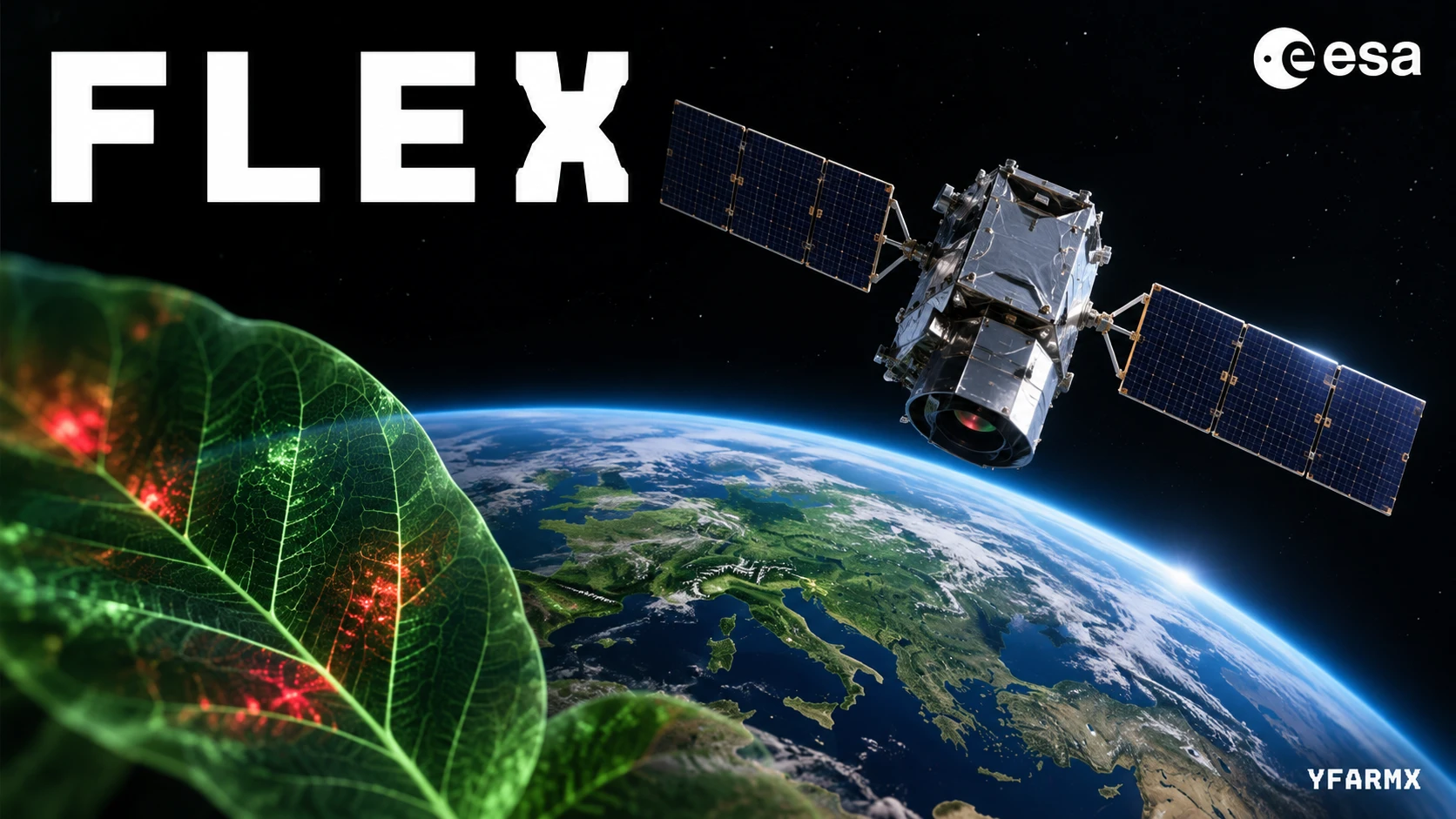
Conceptual editorial illustration of the FLEX mission.

FLEX

commissioning

ESA · Earth, sun-synchronous orbit

last verified 15 Sept 2026

A new global view of vegetation through the faint fluorescence emitted during photosynthesis.

More

The Fluorescence Explorer will measure plant fluorescence to study vegetation activity and environmental stress. ESA targets global maps at 300-metre resolution from 814 km altitude.

Next: Launch and early orbit phase checks over the coming days, followed by commissioning

Concept artwork: YFarmX / ChatGPT Image 2
Full record →

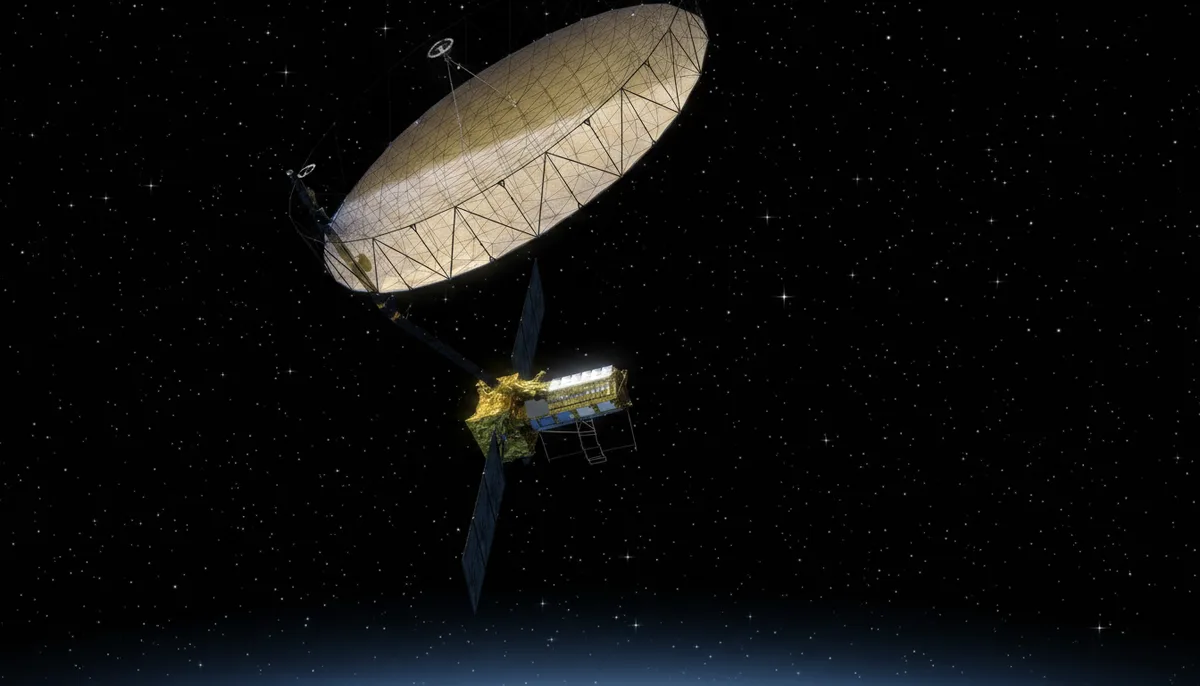
Artist's concept of the NISAR radar satellite in orbit with its antenna reflector deployed, restyled onto a dark starfield.

NISAR

orbital operations

ISRO / NASA · Earth orbit

last verified 22 Aug 2026

The NASA-ISRO radar observatory is in its science phase, mapping change across Earth's land and ice, with S-band data now flowing to users.

More

NISAR, the NASA-ISRO Synthetic Aperture Radar mission, launched on 30 July 2025 on ISRO's GSLV-F16 and has entered its science phase. ISRO's site notes that S-band SAR data products are now available to users, and the agency is running training on SAR data analysis alongside its wider programme. The dual-frequency radar observatory maps changes to Earth's land and ice surfaces.

Image: NASA/JPL-Caltech, restyled

Full record →

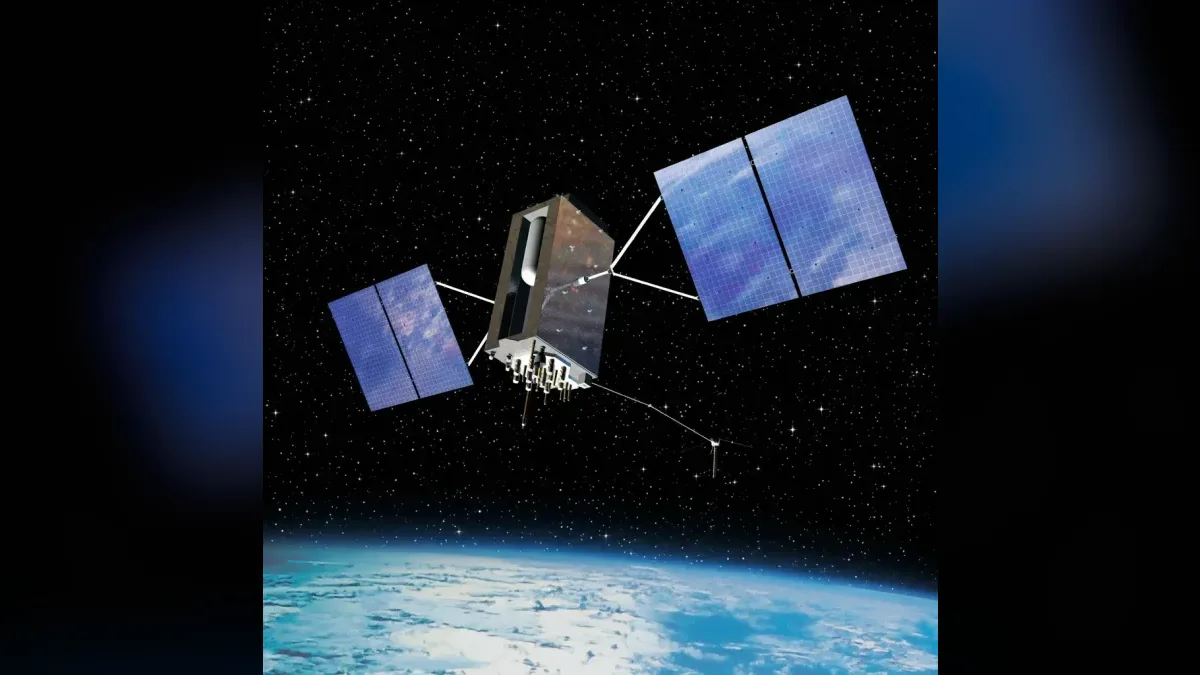
Official render of a GPS III satellite above Earth, restyled onto a dark starfield.

GPS III

orbital operations

US Space Force / Lockheed Martin · Medium Earth orbit

last verified 22 Aug 2026

The block that completed America's navigation constellation: the tenth and final GPS III satellite launched in April 2026, taking the active fleet to 32.

More

The US Space Force completed the GPS III block on 21 April 2026 with the launch of the tenth satellite, stating the constellation now stands at 32 active spacecraft with added redundancy. Lockheed Martin, which builds the satellites in Denver, is under contract for 12 next-generation GPS IIIF spacecraft, and says GPS IIIF will add a Regional Military Protection signal with over 60 times the anti-jam capability of legacy vehicles for qualified military users.

Next: GPS IIIF production, 12 satellites under contract at Lockheed Martin

Image: US Air Force, restyled

Full record →

On this page · 6Every mission written up below, with its phase and destination.

The hardware

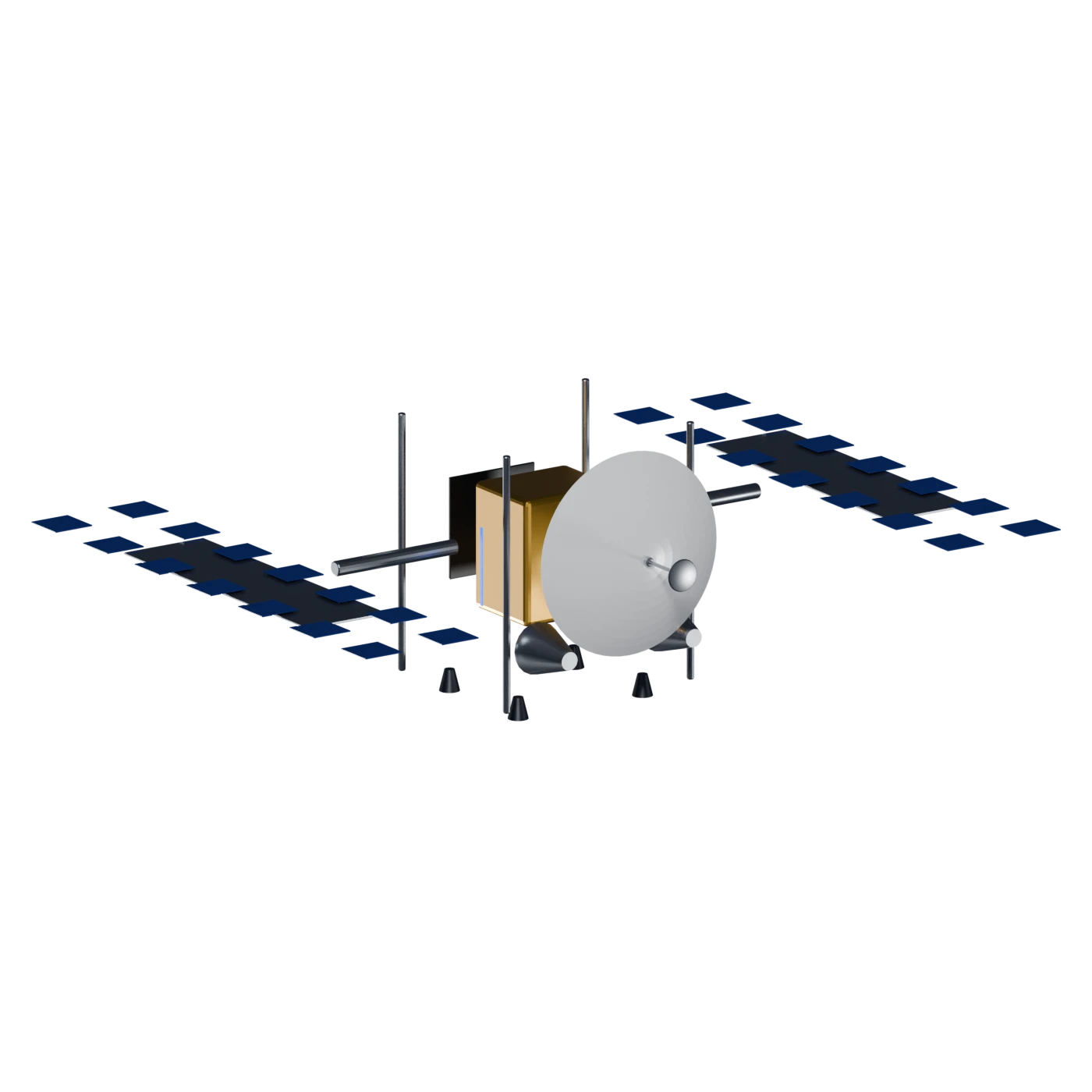
Model of a communications satellite

Communications satellite

Foil-wrapped bus, twin deployable arrays and a steerable main dish.

  • A foil-wrapped box bus with two solar wings on a single rotation axis
  • The steerable main dish points at Earth; two smaller horn feeds sit beside it
  • A radiator on the anti-sun face and a station-keeping thruster cluster at the base

Illustration · class archetype · real geometry

Latest coverage

More desks