
YFarmX logoYFARMX SPACE
YFarmX Space · all sections

YFarmX Space · Orbit

Orbit

Orbital traffic, debris and the rules of the road above Earth. Who is flying what, where it is, and how crowded the useful orbits are becoming.

The hardware

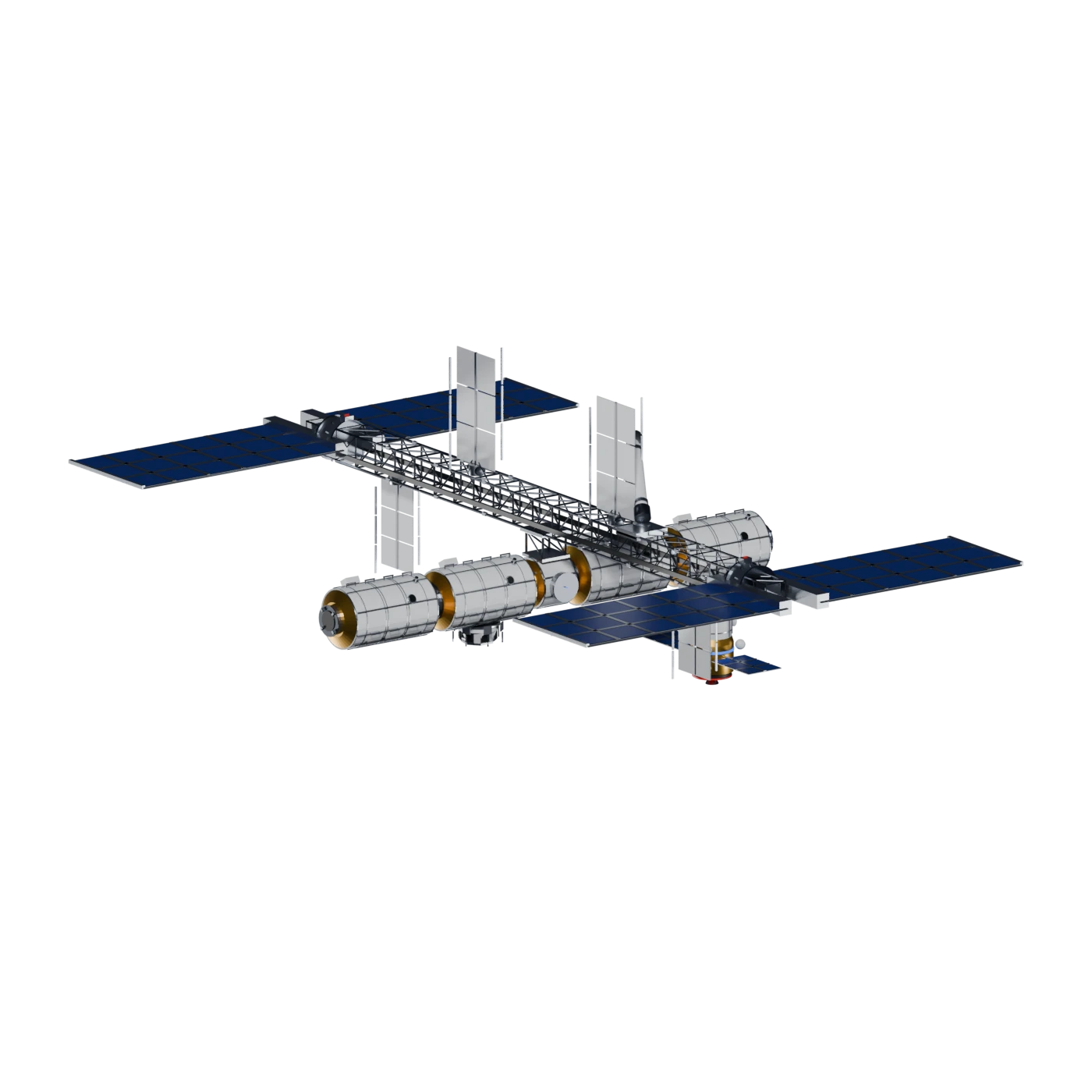
Model of a modular space station

Modular space station

Four pressurised modules on a spine, a 44 m truss carrying four solar wings and radiators, a cupola, a robotic arm and a docked cargo craft.

  • Four pressurised modules docked along a spine, a ring, hatch and capture guides at every join
  • Rotary joints at the truss ends turn the four solar wings; the radiators stand at right angles so the two never shade each other
  • A robotic arm on a mobile base reaches over the spine, and a faceted cupola hangs below
  • A visiting cargo craft is docked at the far module's nadir port

Illustration · class archetype · real geometry

The mission records, in full
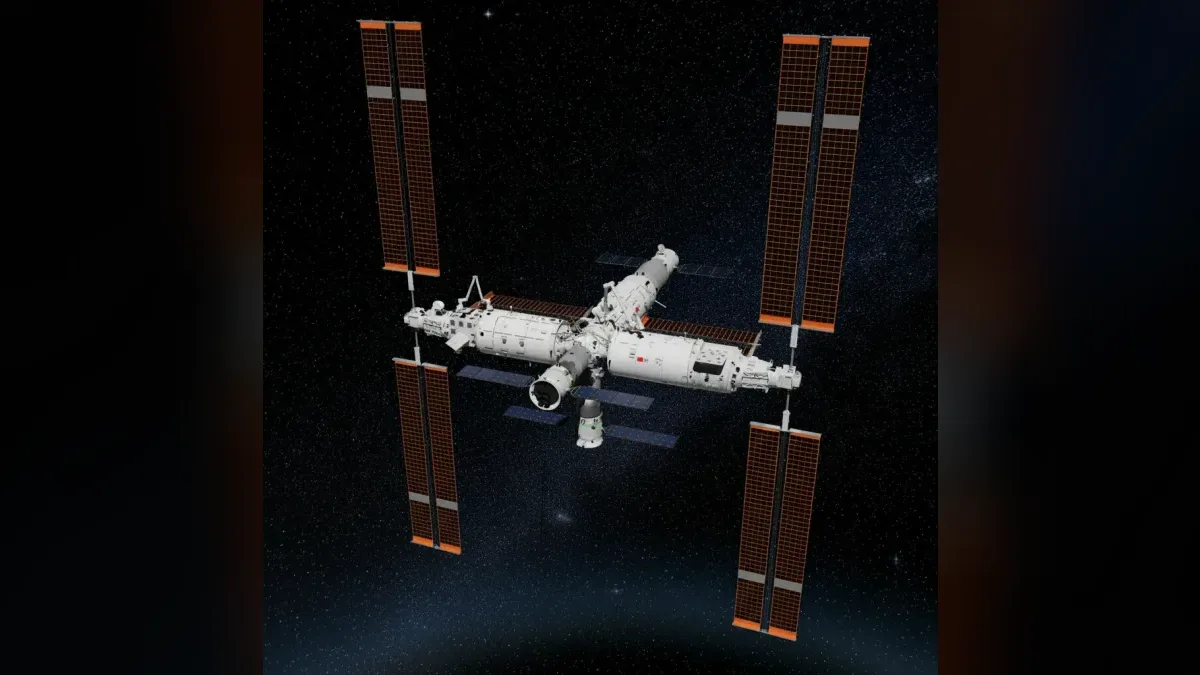
An unofficial illustration of the completed Tiangong station with spacecraft docked, restyled onto a dark starfield.

Tiangong space station

orbital operations

CMSA (China Manned Space Agency) · Low Earth orbit

China’s station hosts its first foreign astronaut after Shenzhou-24 docked on 25 November 2026.

More

China’s Tiangong station remains in continuous crewed operation. Shenzhou-24 launched from Jiuquan at 00:18 UTC on 25 November 2026 and docked with the Tianhe core module at 03:56 UTC, and the Shenzhou-23 crew opened the hatch at 14:35 Beijing time. Muhammad Zeeshan Ali, a Pakistani payload specialist, is the first foreign astronaut aboard; he flies a short mission and returns on Shenzhou-23 with two of its crew. Tang Hongbo and Wu Yi stay for roughly six months, and Zhu Yangzhu remains aboard for a year-long stay experiment. The China Manned Space Agency plans more than 90 experiments and technology tests, including four China-Pakistan projects.

last verified 26 Nov 2026 · Illustration: Shujianyang, Wikimedia, CC BY-SA 4.0, restyled
Full record →

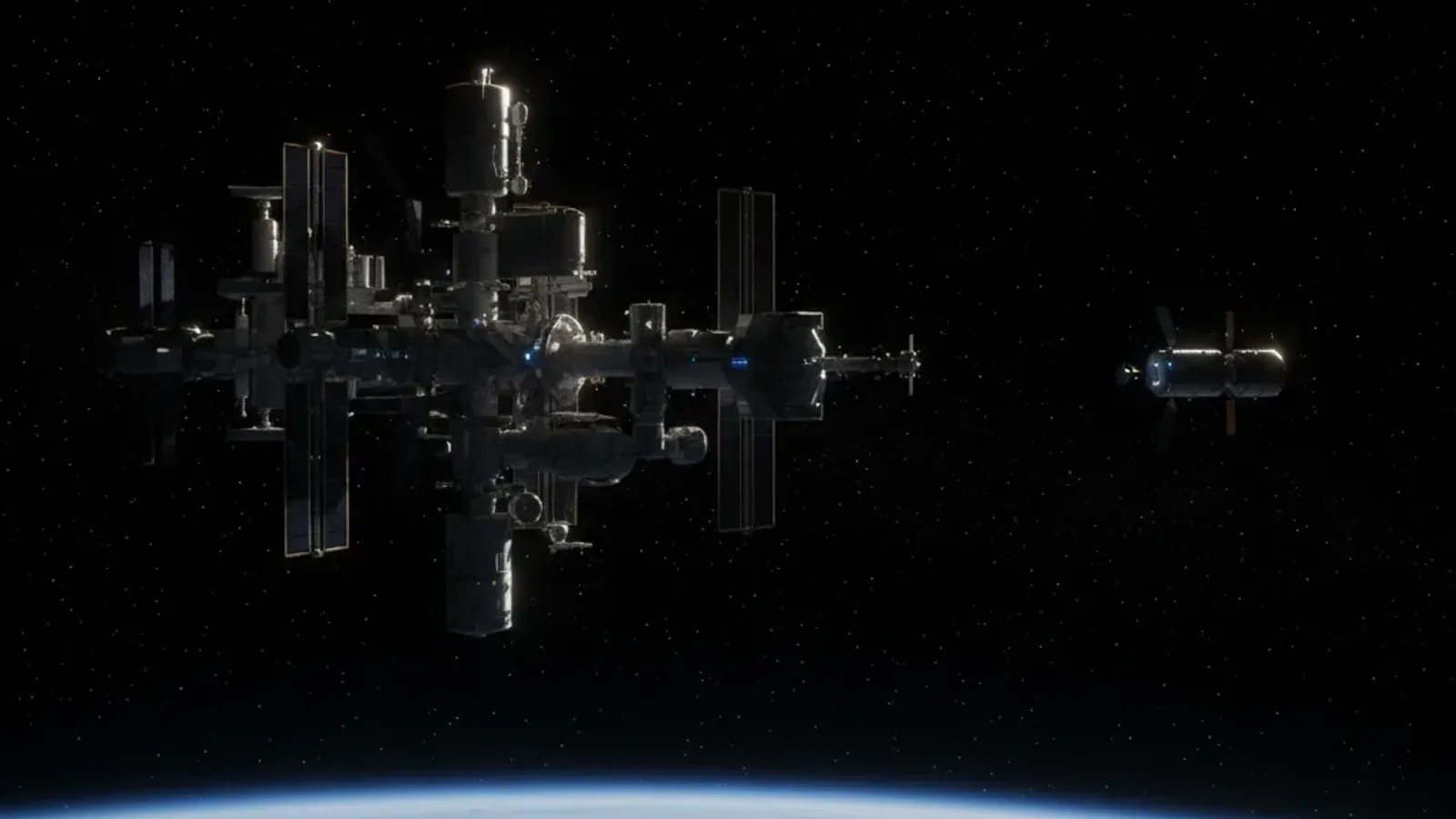
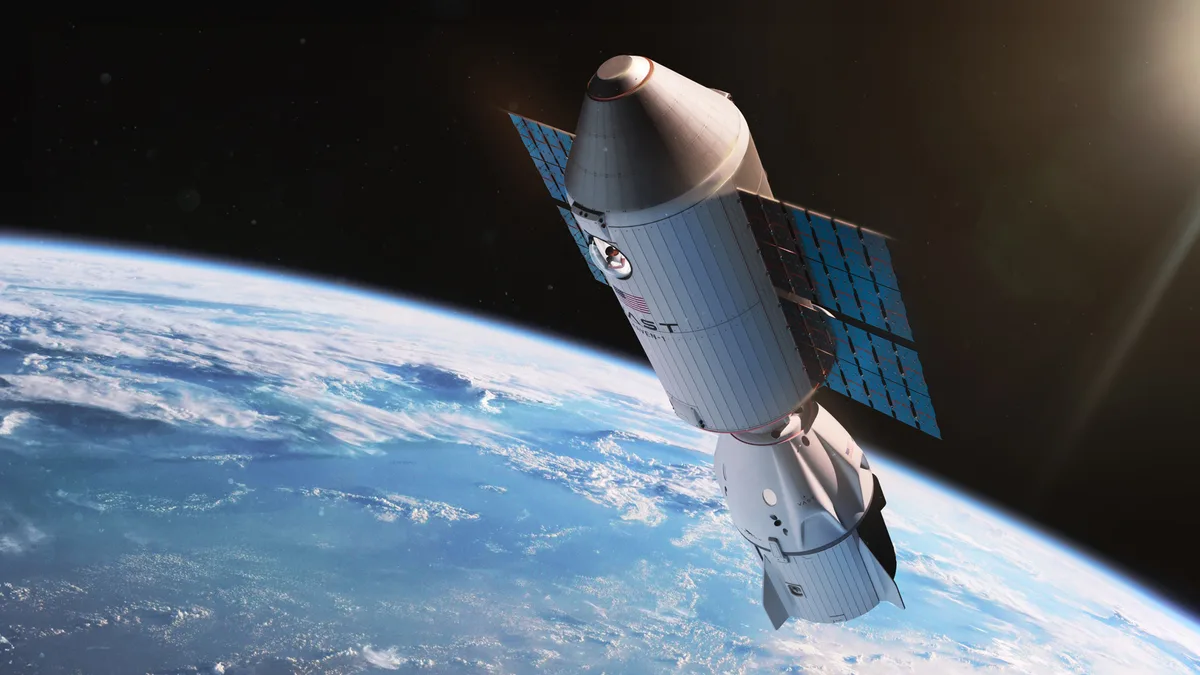
Vast's render of the Haven-1 station with a Crew Dragon docked.

Haven-1

development

Vast · Low Earth orbit

Vast's single-module commercial station, built for four-person visits, targets a 2027 Falcon 9 launch with structure testing well advanced.

More

Vast's Haven-1, a single-module commercial station designed for four-person, two-week missions, is targeted to launch in 2027 on a SpaceX Falcon 9, with crews arriving by Dragon. The primary structure has completed welding, pressure and load testing, docking hardware fit checks were finished in October 2025, and the Vast Control Unit flight computer entered electromagnetic compatibility testing in April 2026 before the final-integration phase reported in September. Vast's Haven Demo pathfinder satellite, launched in November 2025, achieved mission success and was deorbited in February 2026.

Next: Launch targeted for 2027 on a SpaceX Falcon 9, with crew transported by Dragon

last verified 26 Nov 2026 · Images courtesy of Vast

Full record →

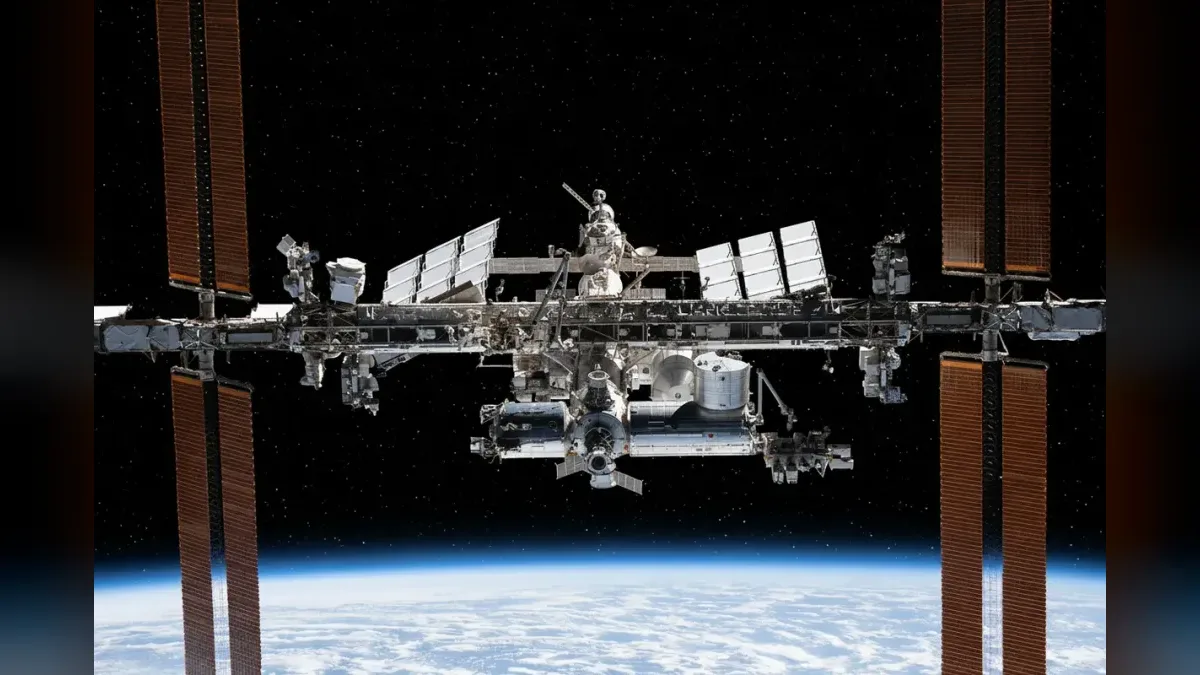
The International Space Station photographed from a departing Crew Dragon in November 2021, restyled onto a dark starfield.

International Space Station

orbital operations

NASA / Roscosmos / ESA / JAXA / CSA · Low Earth orbit

An inhabited orbital laboratory with all eight new roll-out solar arrays installed.

More

Crew-12 splashed down on 8 October. Cygnus XL departed on 9 October at 16:44 UTC. CRS-35 launched on 13 October at 10:33 UTC and docked on 15 October at 14:27 UTC. Its cargo includes the final IROSA pair, artificial-retina manufacturing hardware and heart-tissue experiments. Astronauts installed the seventh array on the 2A power channel on 29 October and the eighth on 3B on 5 November. The final spacewalk lasted 6 hours 59 minutes and ended at 20:35 UTC. NASA says the expanded system supplies approximately 215 kW. The CRS-35 Dragon undocked from Harmony at 17:05 UTC on 20 November and splashed down off California at 22:03 UTC on 21 November, closing NASA’s 35th SpaceX resupply mission. A Roscosmos Progress cargo craft launched from Baikonur at 10:17 UTC on 24 November with docking planned for 26 November. Northrop Grumman’s Cygnus XL is targeted to launch on a Falcon 9 no earlier than 15:47 UTC on 29 November.

Next: Cygnus XL CRS-25 launch no earlier than 29 November 2026, the year’s final cargo mission

last verified 26 Nov 2026 · Image: NASA, restyled

Full record →

Latest coverage

More desks