YFARMX SPACE

YFarmX Space · Science desk

Science

Telescopes, probes and the research they send home. Findings reported from papers and agency releases.

The hardware

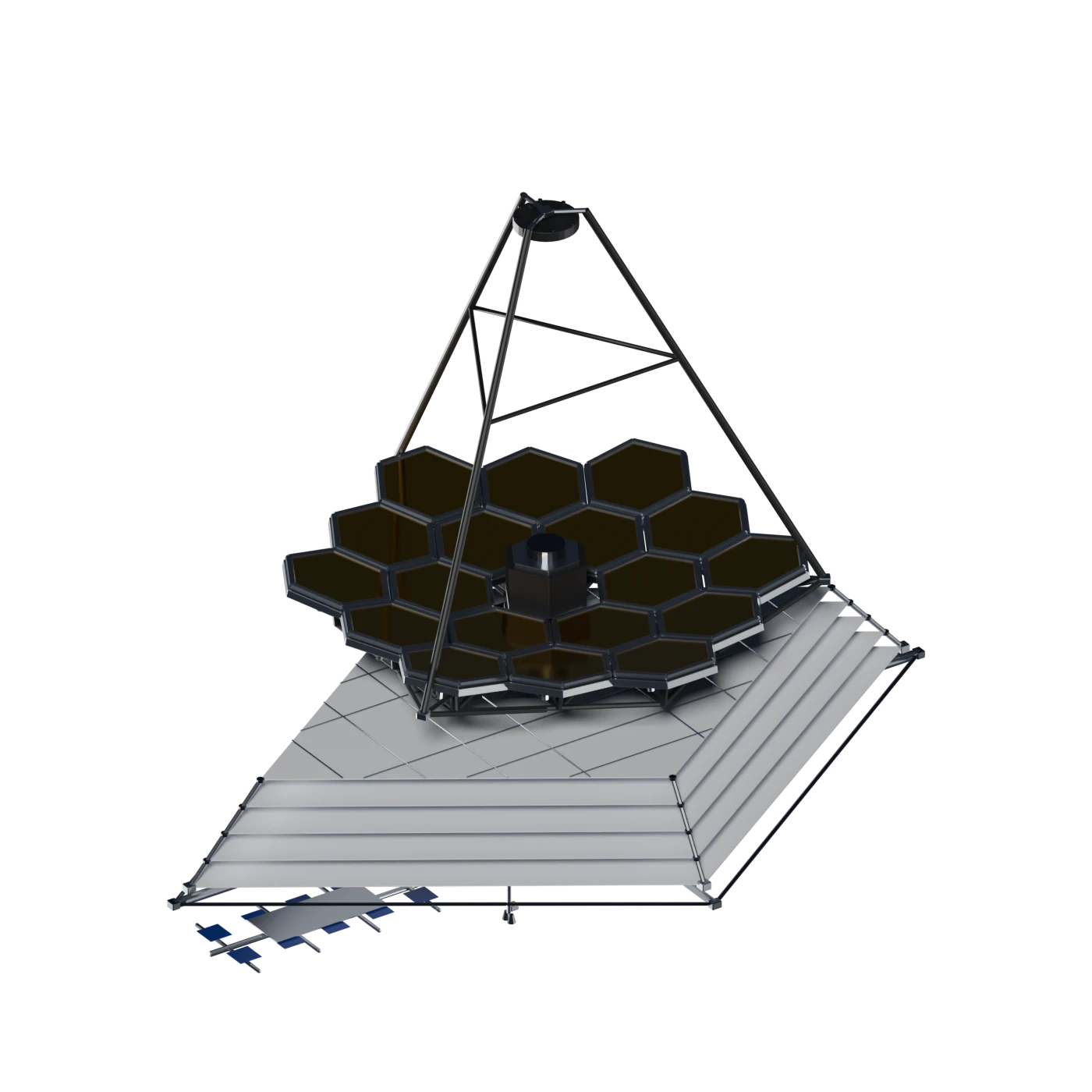
Model of a space telescope

Space telescope

Eighteen gold hexagons on an open backplane, a secondary on a tripod and a five-layer sunshield below.

  • Eighteen gold-coated hexagonal mirror segments — segmentation is what lets a mirror wider than any fairing fold for launch
  • A convex secondary held out on a tripod, five and a half metres from the primary
  • The five-layer membrane sunshield keeps the optics cold enough to see infrared; the bus and solar array hang on the warm side
Class
Telescopes
Built scale
12 m across the sunshield
Where the class lives
High orbits and Sun–Earth L2, 1.5 million km out
Geometry
42,464 triangles, modelled as real parts

The class's famous members: Hubble, in orbit since 1990, and the James Webb Space Telescope at L2, whose segmented gold mirror this archetype echoes. The model is the class, not either of them.

Illustration · class archetype · real geometry

Missions on this desk · 4
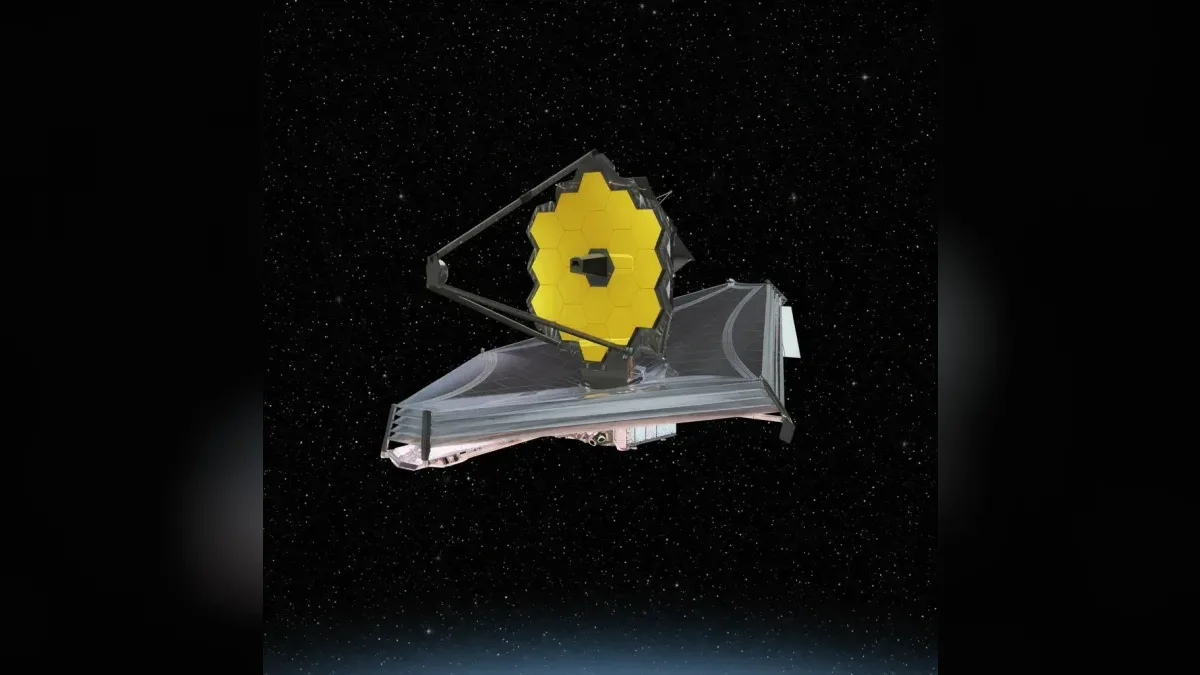
Artist's concept of the deployed James Webb Space Telescope, restyled onto a dark starfield.

James Webb Space Telescope

orbital operations

NASA / ESA / CSA · Sun-Earth L2

Four years into routine science at the second Lagrange point, most recently revealing a giant exoplanet hidden in the Beta Pictoris system.

More

Webb continues routine science operations from its orbit around the second Lagrange point, 1.5 million kilometres from Earth. NASA released anniversary images on 6 July 2026 to mark four years of science, and on 15 July 2026 announced the discovery of a giant exoplanet hidden in the Beta Pictoris system. The observatory remains listed as an active mission covering every phase of cosmic history.

last verified 2026-08-06 · Image: NASA/ESA/CSA/Northrop Grumman, restyled

Full record →

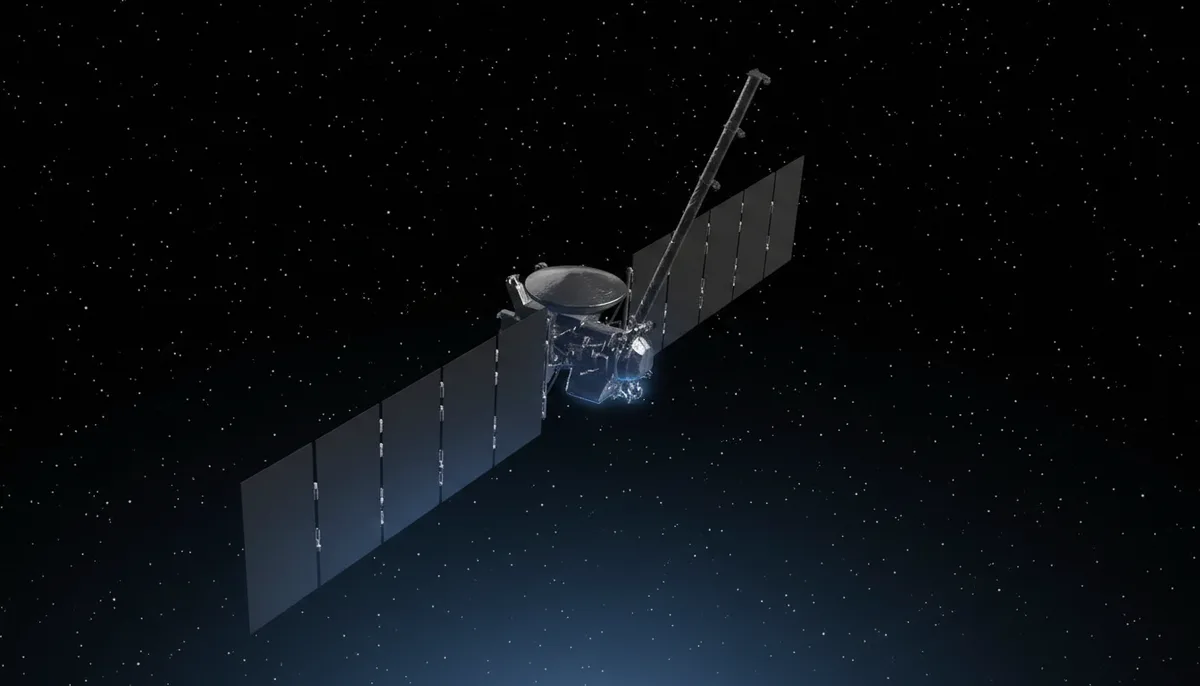
Artist's concept of Europa Clipper with its solar arrays deployed, restyled onto a dark starfield.

Europa Clipper

cruise

NASA · Jupiter (Europa)

En route to Jupiter for 49 close flybys of the icy moon Europa, arriving April 2030. The next push is an Earth gravity assist in December 2026.

More

Europa Clipper launched on 14 October 2024 and is travelling 1.8 billion miles (2.9 billion kilometres) to reach Jupiter in April 2030, having completed a Mars gravity assist in 2025. NASA states the next milestone is an Earth flyby on 3 December 2026, which gives the spacecraft its final push towards Jupiter. Once in orbit it will conduct 49 close flybys of Europa to assess whether the icy moon could support life.

Next: Earth gravity assist flyby on 3 December 2026

last verified 2026-08-06 · Image: NASA/JPL-Caltech, restyled

Full record →

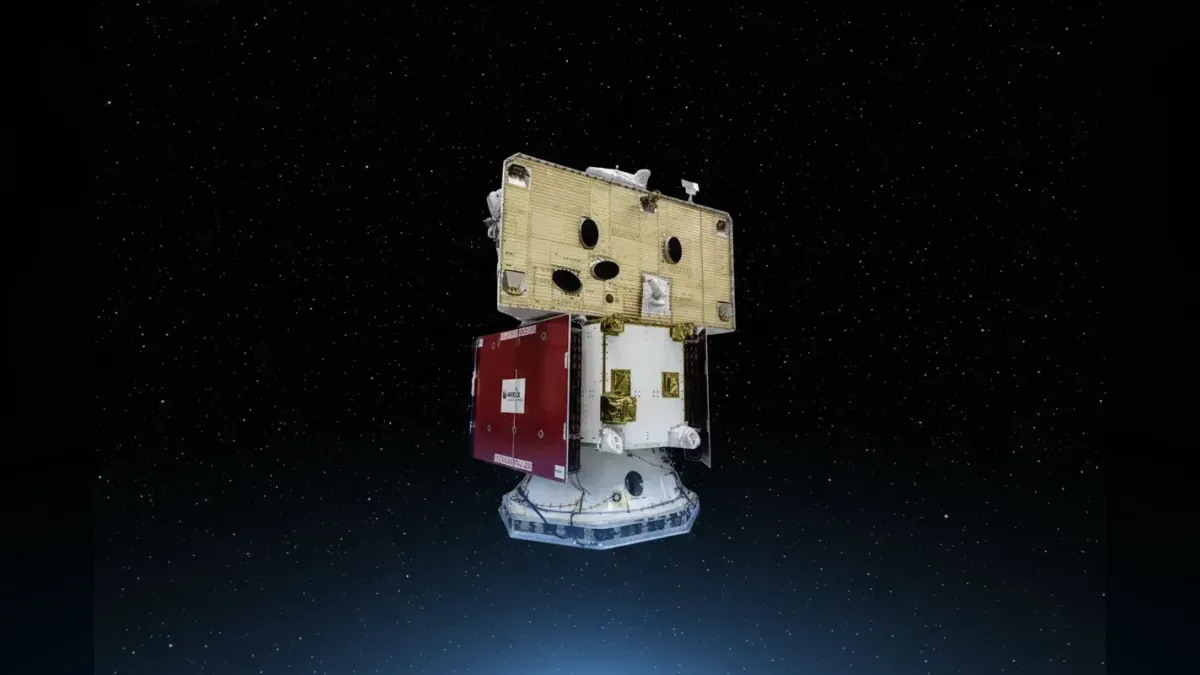
The assembled JUICE spacecraft, photographed at Airbus in Toulouse, restyled onto a dark starfield.

JUICE (Jupiter Icy Moons Explorer)

cruise

ESA · Jupiter (Ganymede, Callisto, Europa)

ESA's Jupiter-bound explorer, lately turning its cameras on interstellar comet 3I/ATLAS mid-cruise. Arrival at Jupiter comes in July 2031.

More

JUICE launched on 14 April 2023 and has completed its lunar-Earth flyby (August 2024) and Venus flyby (August 2025), after the team resolved an anomaly on the Venus approach. ESA's most recent stories, from February to April 2026, describe the spacecraft's rare observations of interstellar comet 3I/ATLAS made with its science and navigation cameras. Its route lists Earth flybys in September 2026 and January 2029 before arrival at Jupiter in July 2031 for 35 flybys of the icy moons.

Next: Earth gravity assist flyby on 12 September 2026

last verified 2026-08-06 · Image: Don-vip, Wikimedia France, CC BY-SA 4.0, restyled

Full record →

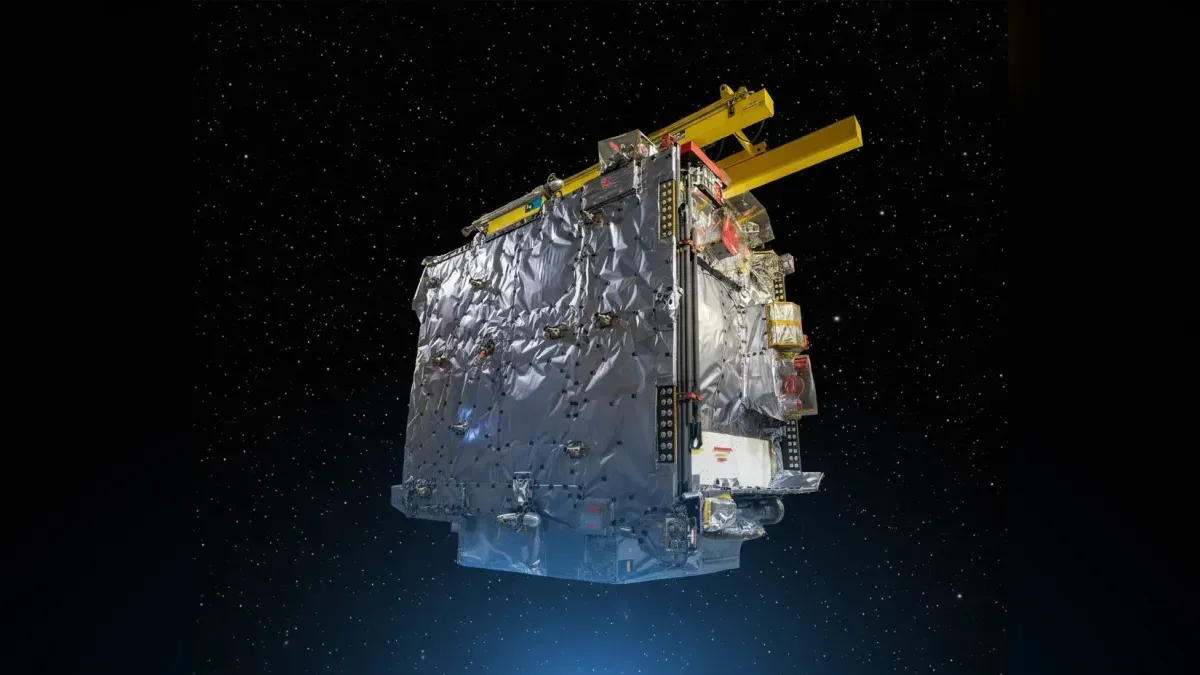
The assembled BepiColombo stack during pre-launch testing, restyled onto a dark starfield.

BepiColombo

cruise

ESA / JAXA · Mercury

The joint ESA and JAXA Mercury mission has finished its powered cruise and arrives in orbit in November 2026.

More

BepiColombo, ESA's joint mission with JAXA, is listed as in operation and en route to Mercury after completing its sixth and final Mercury flyby on 8 January 2025. On 24 June 2026 the team received signal confirmation that the spacecraft's solar electric propulsion system had shut down successfully, closing out the powered portion of the cruise. ESA states arrival at Mercury in November 2026, with routine science operations from its two orbiters beginning in early 2027.

Next: Mercury orbit insertion on 21 November 2026, with routine science operations beginning in early 2027

last verified 2026-08-06 · Image: ESA, C. Carreau, CC BY-SA 3.0 IGO, restyled

Full record →

Latest from the desk

More desks