YFARMX SPACE
YFarmX Space · all sections

YFarmX Space · Moon

Moon

The return to the lunar surface: landers, rovers, power and the programmes competing to build a permanent presence on the Moon.

The hardware

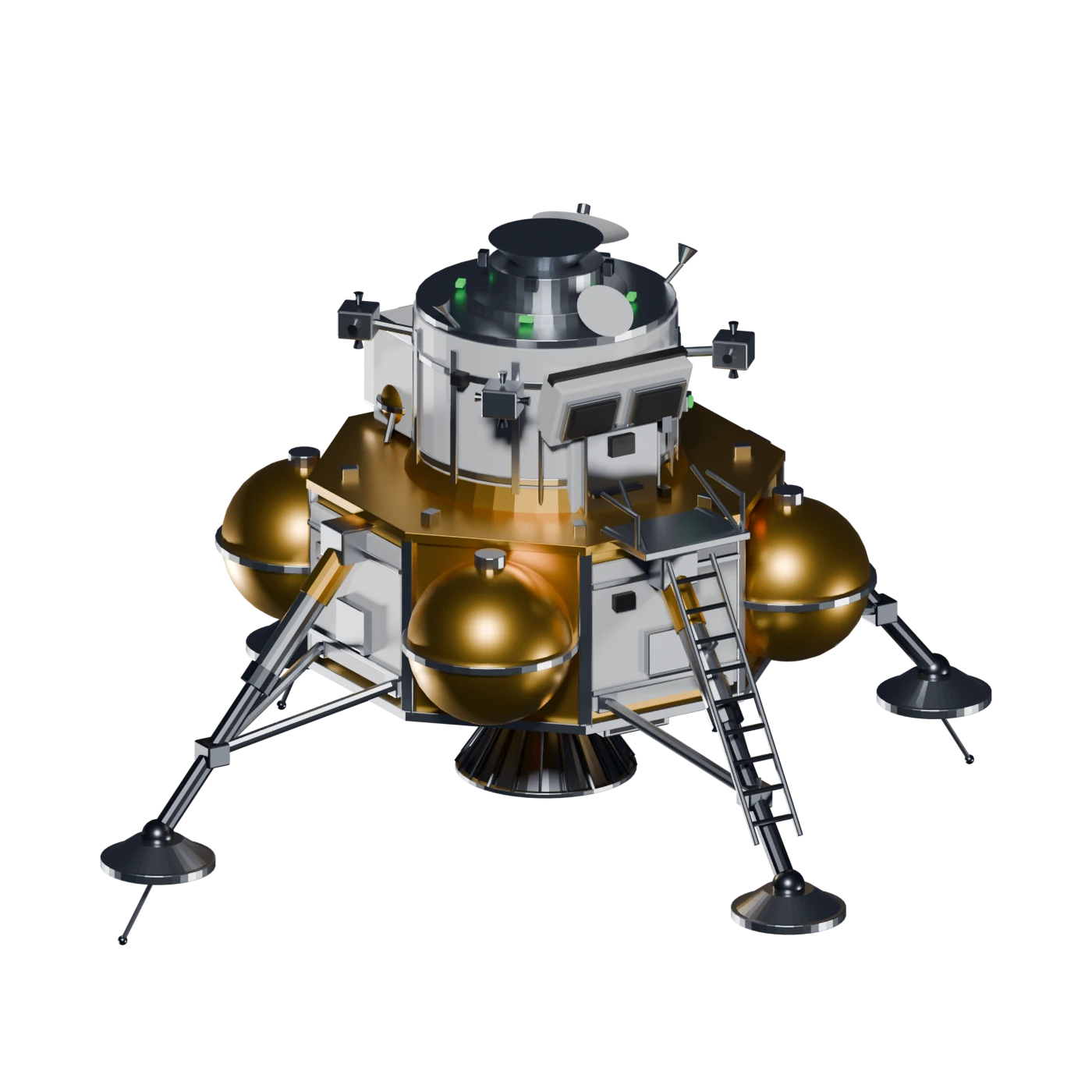
Model of a lunar lander

Lunar lander

Two stage crewed lander: gold blanket descent stage on four shock strut legs, pressure cabin and ladder above.

  • Gold-blanket descent stage: four tanks in the quadrants, a throttleable engine under the centre
  • Four splayed legs on telescoping shock struts, built as real struts, sleeves and ball joints
  • The ascent-stage cabin above: canted approach windows, thruster quads, a docking tunnel on the roof
  • The ladder down the forward leg is how a crew reaches the surface, and gets back off it

Illustration · class archetype · real geometry

The mission records, in full
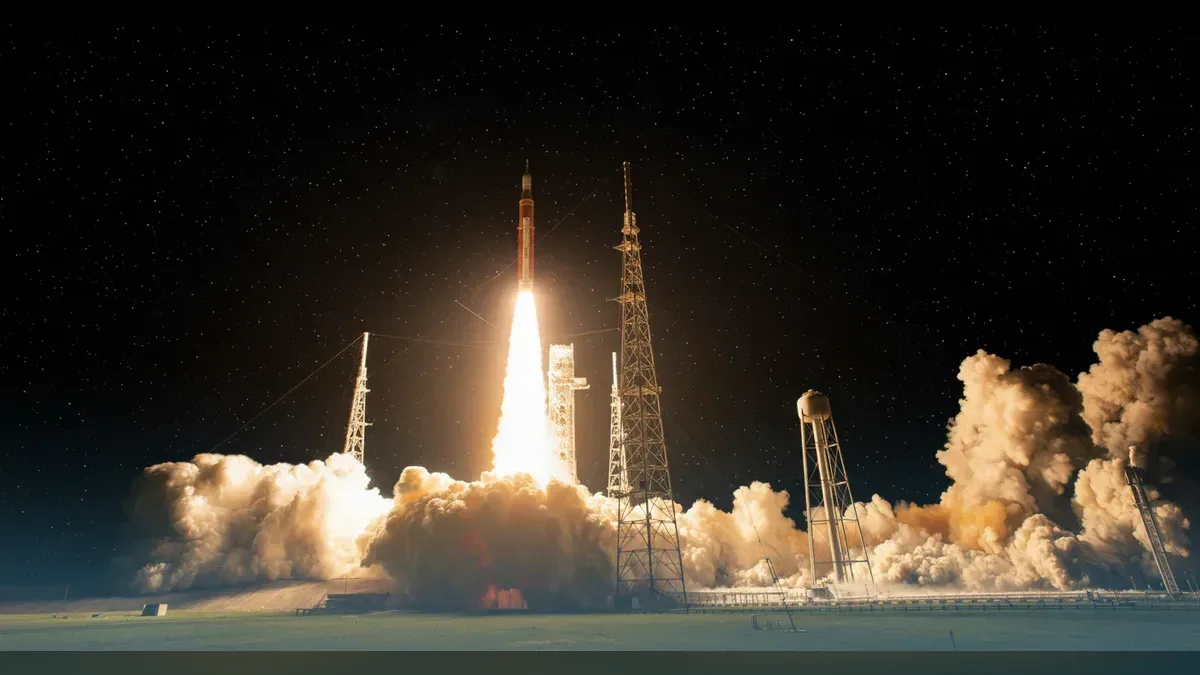
The SLS rocket carrying Orion lifting off Pad 39B on Artemis I, restyled onto a dark starfield.

Artemis programme

development

NASA · Moon

NASA's return to the Moon. Artemis II flew a crewed lunar flyby in April 2026; Artemis III is now planned as a low Earth orbit lander demonstration in 2027.

More

NASA's Artemis II mission launched on 1 April 2026 and returned on 10 April 2026, a crewed lunar flyby lasting 9 days, 1 hour and 32 minutes, the first crewed flight of NASA's deep space systems. NASA's own overview now describes a restructured plan: Artemis III, scheduled for 2027, becomes a low Earth orbit demonstration of one or both commercial landers, while Artemis IV carries the first crewed lunar landing, targeted for early 2028. Artemis V is expected by late 2028, with missions roughly annual thereafter.

Next: Artemis III, scheduled for 2027, a demonstration mission in low Earth orbit to test one or both commercial landers from SpaceX and Blue Origin

last verified 22 Aug 2026 · Image: NASA/Joel Kowsky, restyled
Full record →

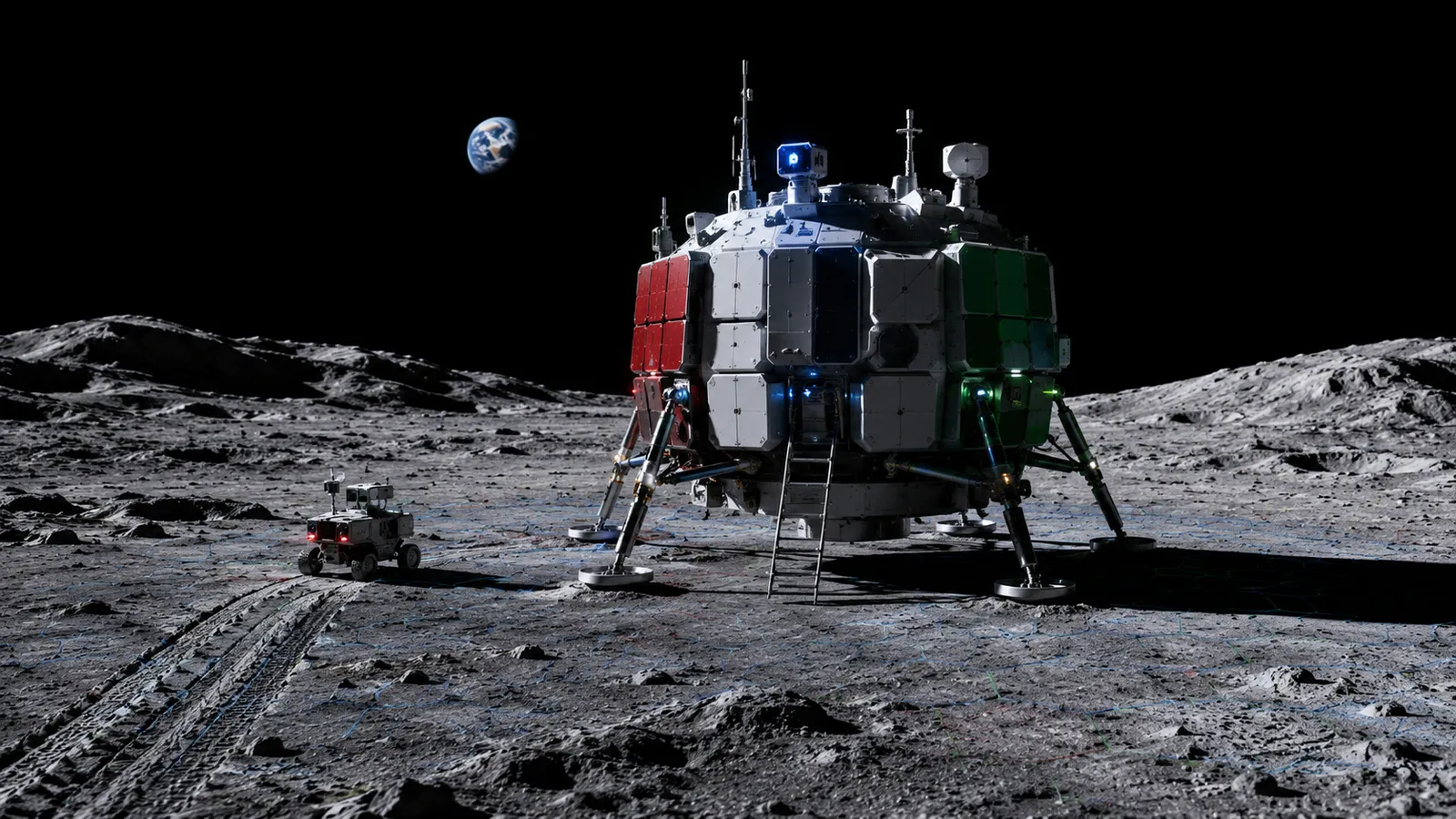
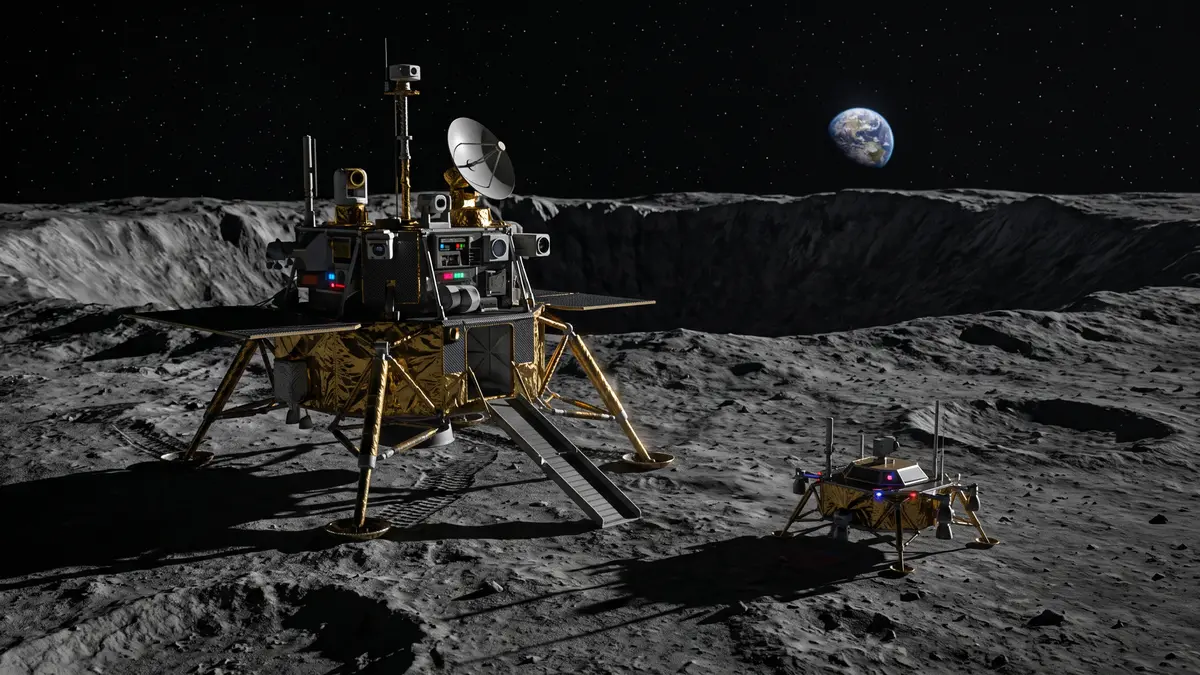
Concept artwork of a robotic lunar lander with a small hopper craft beside it near the Moon's south pole, Earth low on the horizon.

Chang'e-7

development

CNSA (China National Space Administration) · Moon (south pole)

China's next lunar mission is postponed: the agency announced on 23 August that it does not meet launch conditions and cannot fly in this year's planned window.

More

China's next lunar mission, Chang'e-7, has been postponed. The assembled stack completed vertical transfer to the launching area at Wenchang on 19 August 2026, but on 23 August the China Manned Space Agency announced that, on the principle of prudence, reliability and absolute success, and after comprehensive assessment, the mission does not meet launch conditions and its launch, in Xinhua's English wording, 'cannot take place during the planned window this year'. No reason was detailed and no new date was given. The mission combines orbiting, landing, roving and hopping to survey the environment and resources of the lunar south pole, including permanently shadowed craters.

Next: Launch of Chang'e-7 from Wenchang on the Long March-5 Y14; the agency says the mission cannot fly in this year's planned window and has announced no new date

last verified 29 Aug 2026 · Illustration: YFarmX, generated concept artwork of the mission class, not the actual spacecraft

Full record →

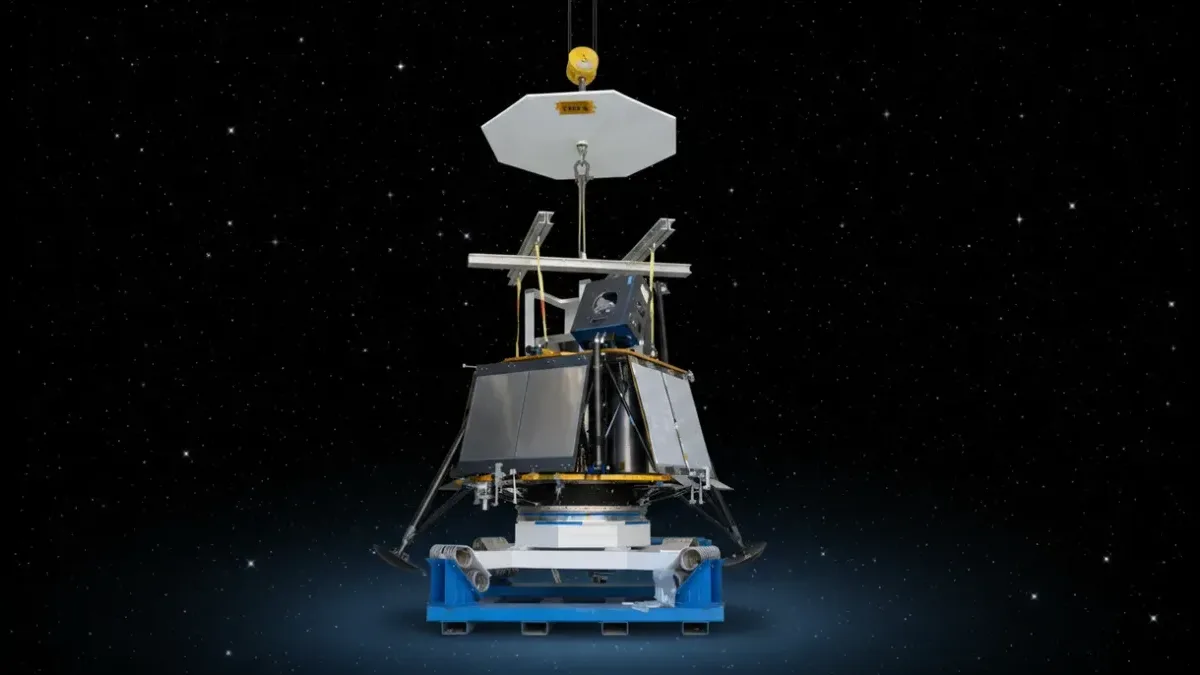
Blue Ghost Mission 2's structural qualification model during shaker testing at JPL, restyled onto a dark starfield.

Blue Ghost Mission 2

development

Firefly Aerospace · Moon (far side)

Firefly's second lunar lander targets the first American landing on the Moon's far side, no earlier than 2027 on the company's own page, with ESA's relay satellite riding along.

More

Firefly Aerospace's mission page now states Blue Ghost Mission 2 will launch no earlier than 2027 on a Falcon 9, moved from the earlier late-2026 wording; NASA's Commercial Lunar Payload Services overview page still lists the mission under 2026, and this record follows the launching company's own date. The mission targets America's first landing on the Moon's far side, near Nassau crater. The Blue Ghost lander carries six international payloads, including NASA's LuSEE-Night radio telescope and the UAE's Rashid Rover 2, while Firefly's Elytra orbiter deploys ESA's Lunar Pathfinder communications relay en route. The mission follows the first Blue Ghost, which completed the first fully successful commercial lunar landing in March 2025.

Next: Launch no earlier than 2027 on a SpaceX Falcon 9, on Firefly's own page; NASA's CLPS overview still lists 2026

last verified 22 Aug 2026 · Image: NASA/JPL-Caltech, restyled

Full record →

Latest coverage

More desks