YFARMX SPACE

YFarmX Space · Launches desk

Launches

Vehicles, windows, pads and payloads. We report a launch when the operator confirms it and the outcome once it is verified, not before.

State of play4windows tracked3in the next 30 daysVA270 (MTG-I2)next window2026-08-16last verified
Launch board · 4Every window from the provider's own schedule, shown in UTC.

The hardware

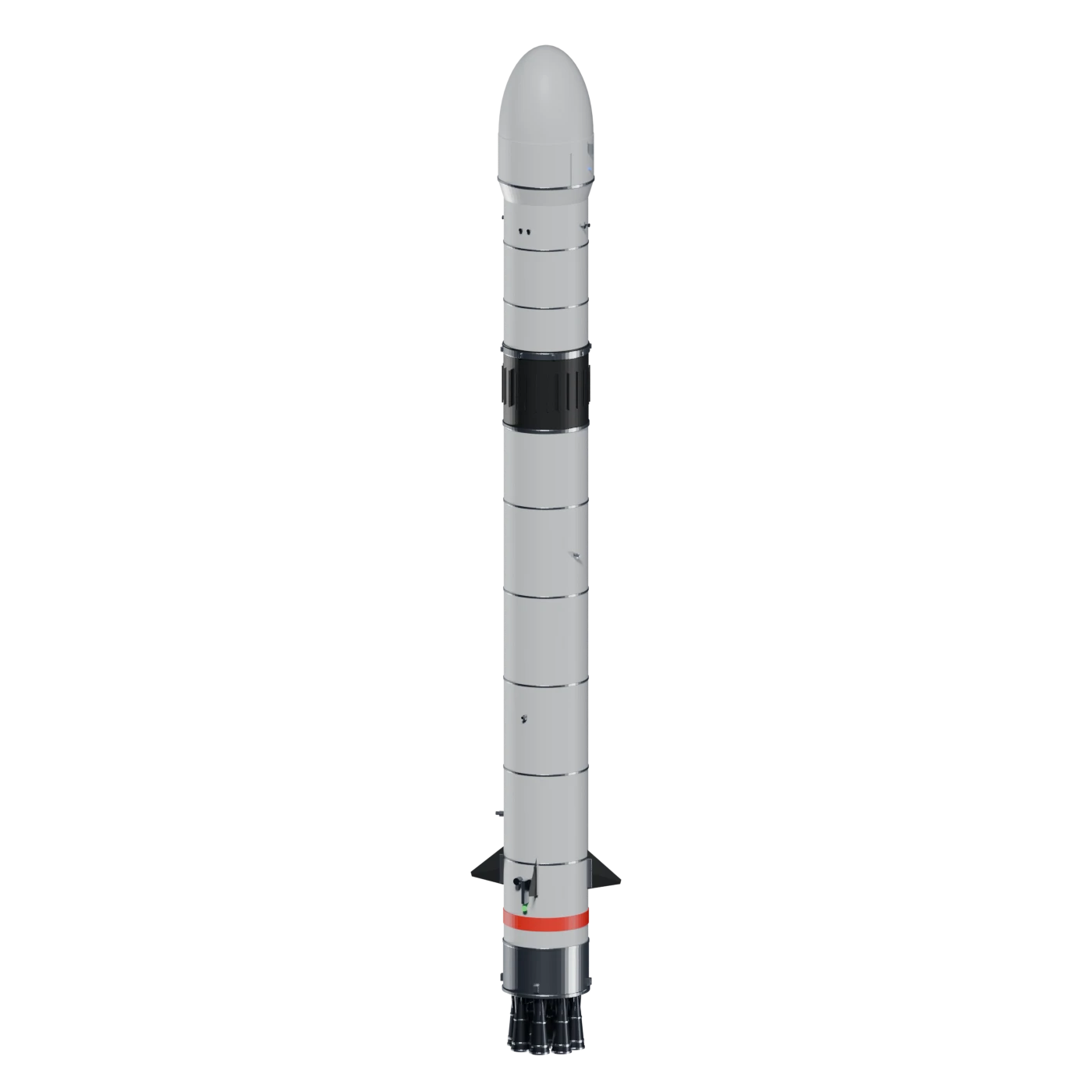
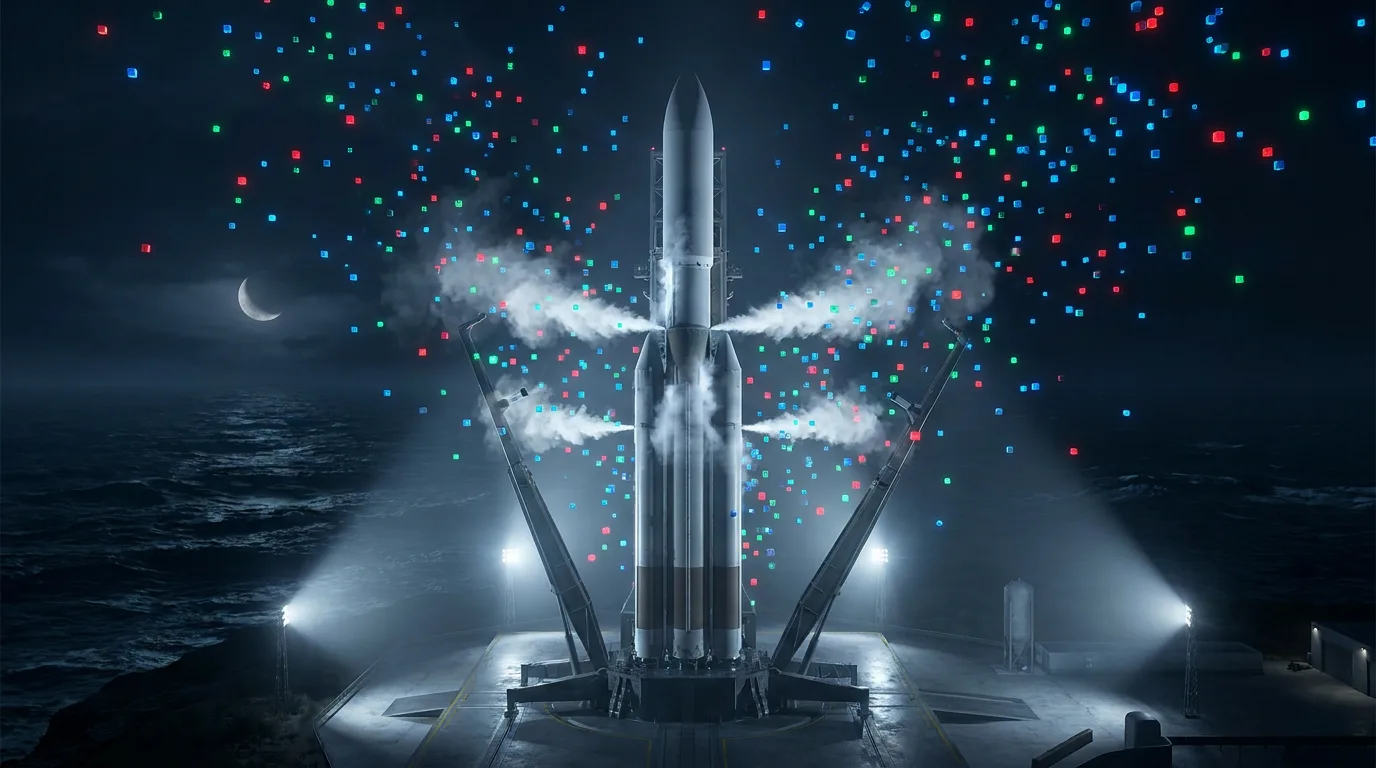
Model of a two-stage launch vehicle

Two-stage launch vehicle

Full stack in flight configuration: nine first stage engines, a dark interstage and an ogive fairing.

Illustration · class archetype · real geometry

Missions on this desk · 3
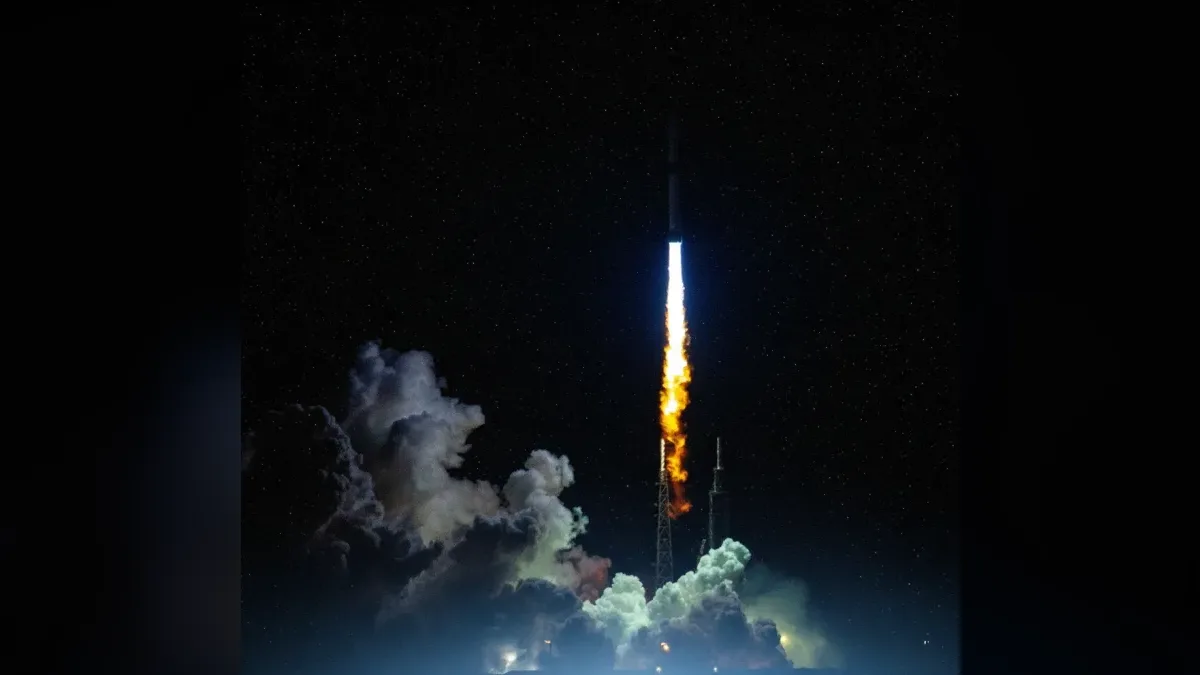
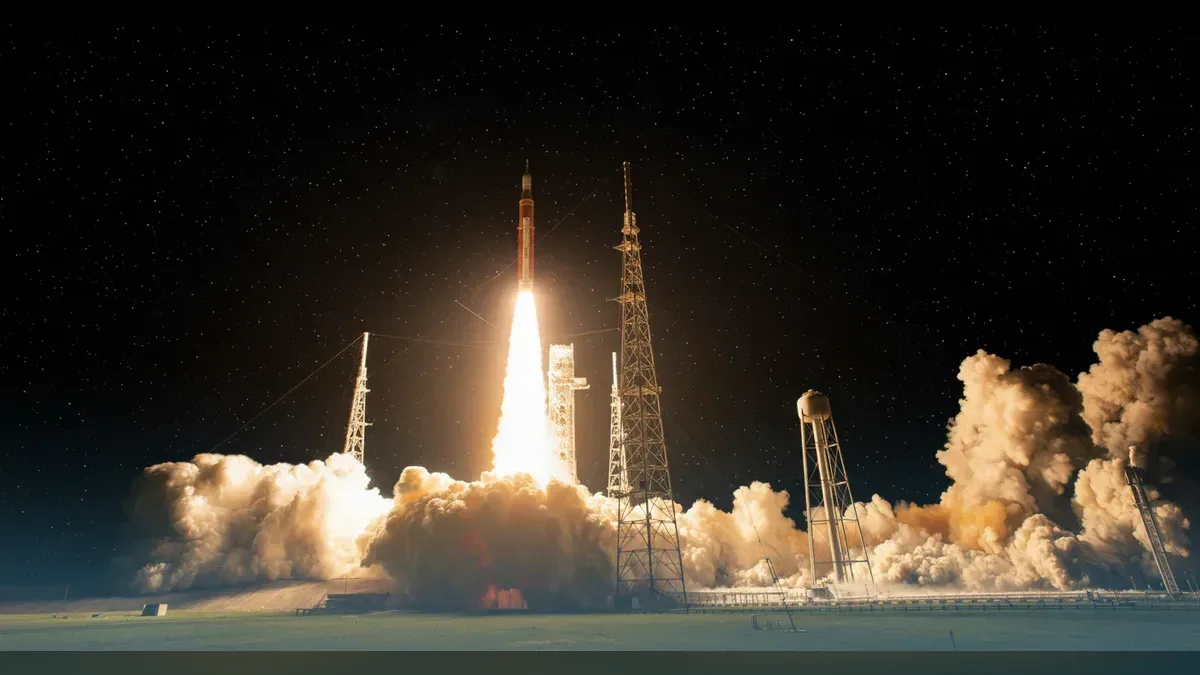
The SLS rocket carrying Orion lifting off Pad 39B on Artemis I, restyled onto a dark starfield.

Artemis programme

development

NASA · Moon

NASA's return to the Moon. Artemis II flew a crewed lunar flyby in April 2026; Artemis III is now planned as a low Earth orbit lander demonstration in 2027.

More

NASA's Artemis II mission launched on 1 April 2026 and returned on 10 April 2026, a crewed lunar flyby lasting 9 days, 1 hour and 32 minutes, the first crewed flight of NASA's deep space systems. NASA's own overview now describes a restructured plan: Artemis III, scheduled for 2027, becomes a low Earth orbit demonstration of one or both commercial landers, while Artemis IV carries the first crewed lunar landing, targeted for early 2028. Artemis V is expected by late 2028, with missions roughly annual thereafter.

Next: Artemis III, scheduled for 2027, a demonstration mission in low Earth orbit to test one or both commercial landers from SpaceX and Blue Origin

last verified 2026-08-07 · Image: NASA/Joel Kowsky, restyled
Full record →

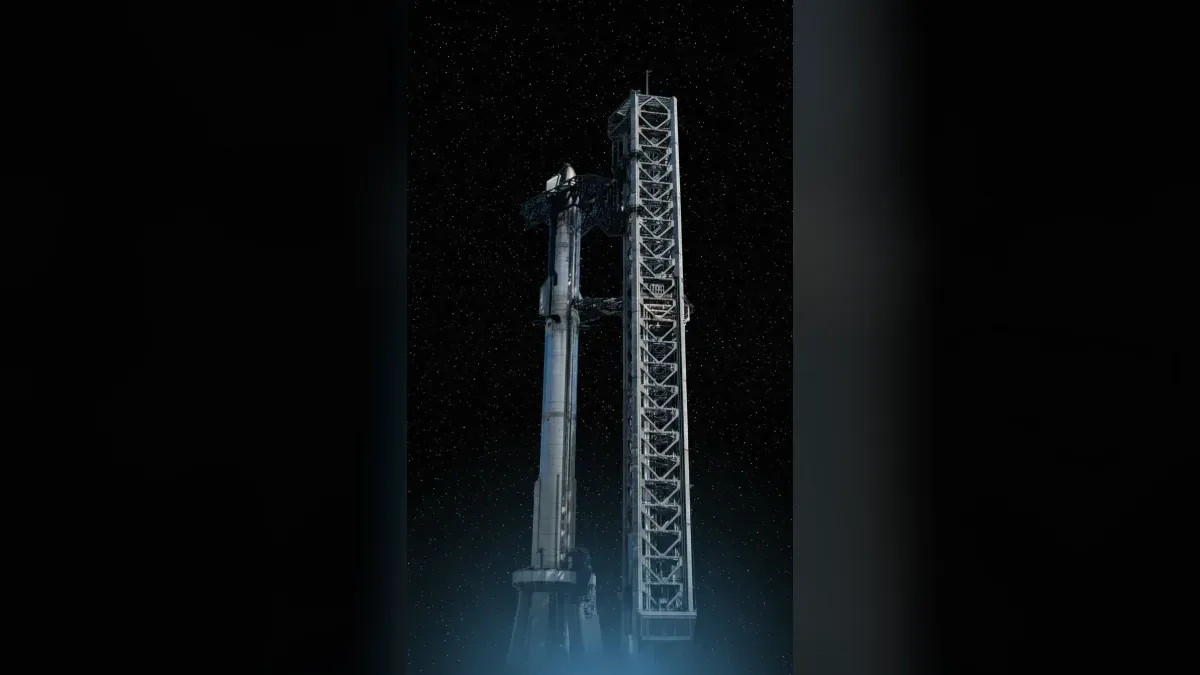
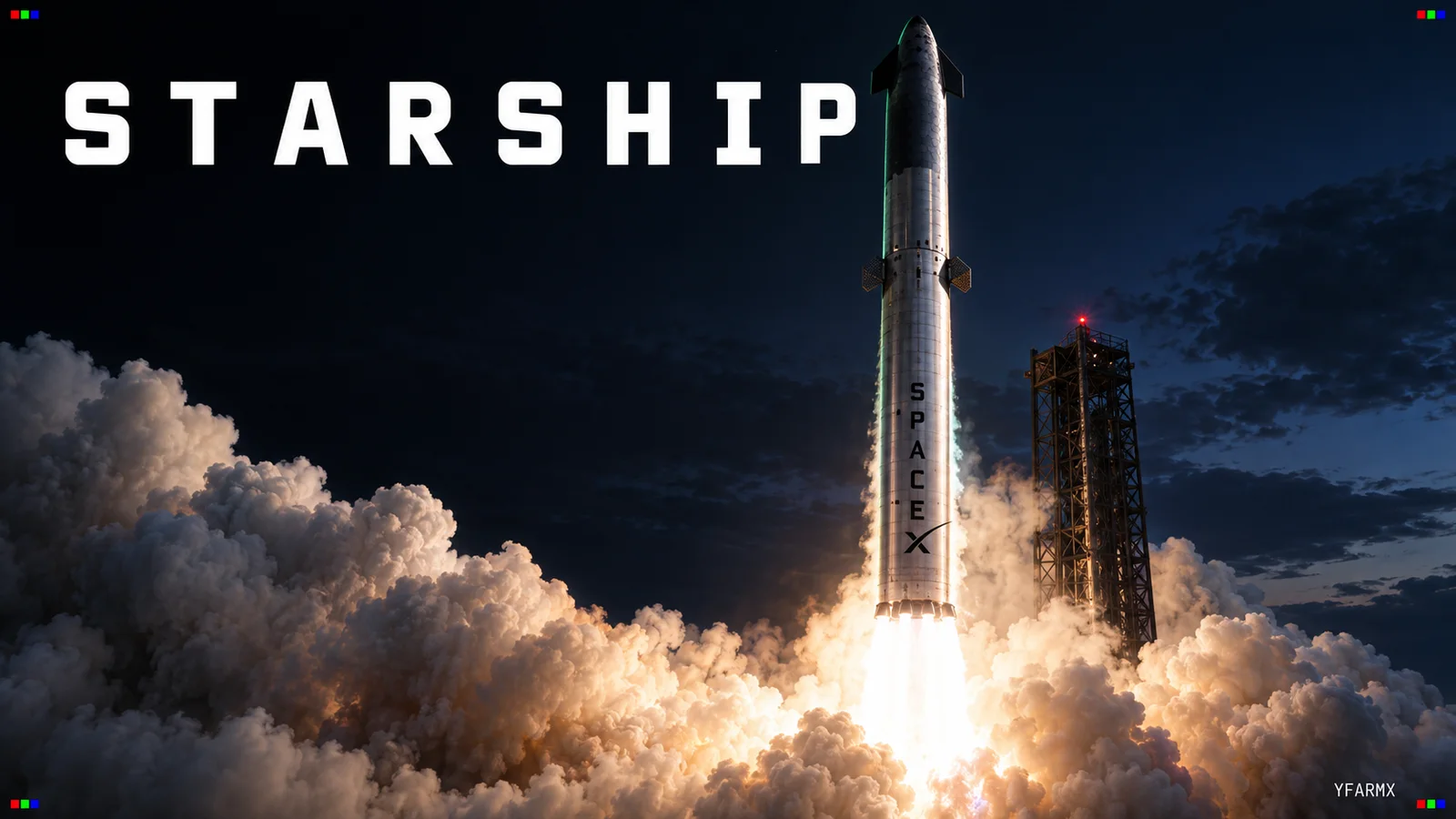
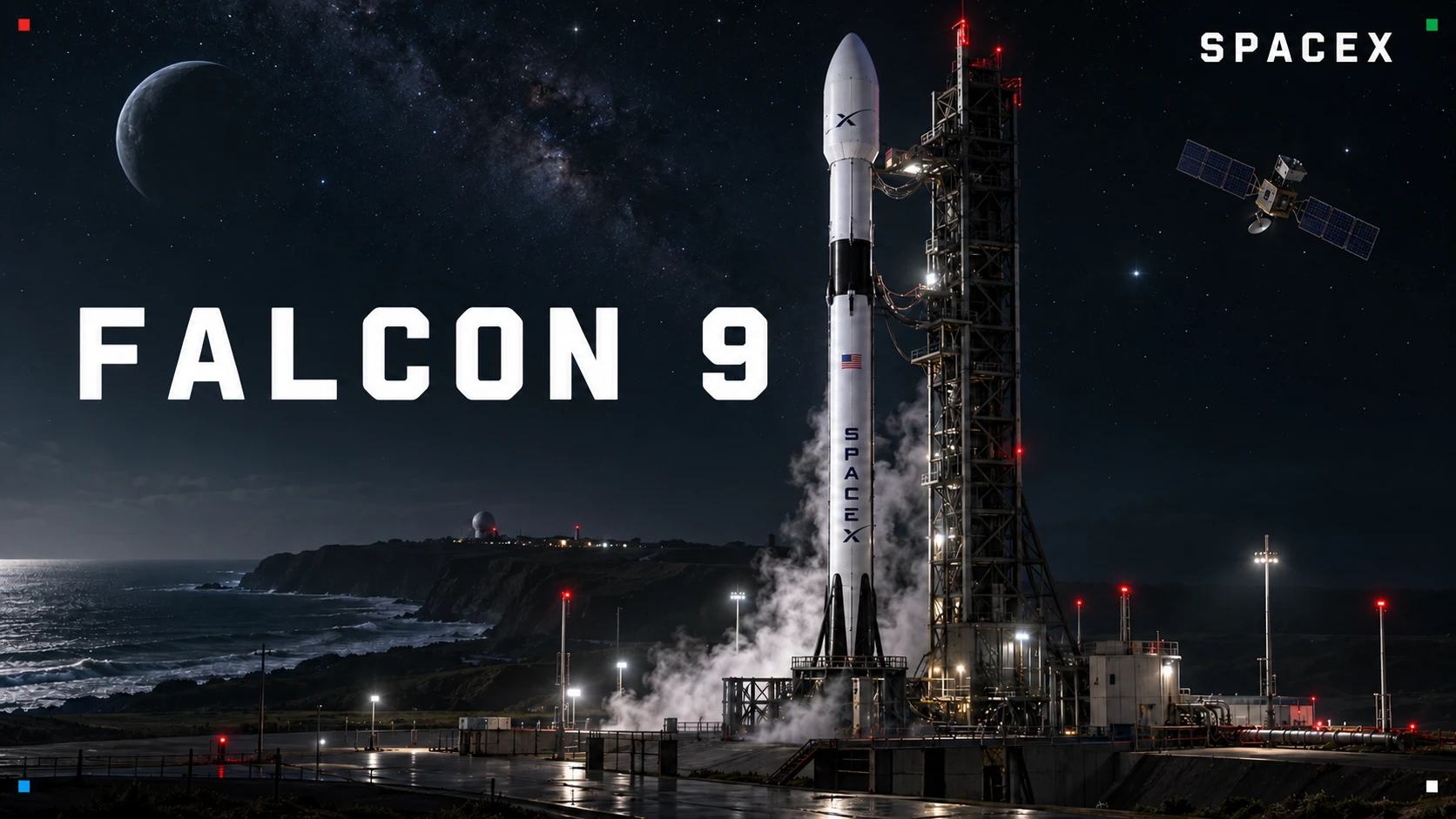
The fully stacked Starship on the orbital launch mount at Starbase, restyled onto a dark starfield.

Starship

testing

SpaceX · Earth orbit (development flights)

Flight 13 in July 2026 deployed 20 Starlink V3 satellites for the first time and proved an in-space Raptor relight.

More

SpaceX flew Starship's thirteenth flight test on 24 July 2026, the second flight of the next-generation vehicle, from Pad 2 at Starbase with all 33 Raptor engines powering the Super Heavy booster. The company confirmed deployment of 20 Starlink V3 satellites for the first time, a successful in-space Raptor engine relight, Super Heavy's splashdown in the Gulf, and Starship's splashdown in the Indian Ocean after a banking manoeuvre that mimics the final approach for a future return-to-Starbase catch. SpaceX described the flight as providing priceless data across air, space and sea.

last verified 2026-08-07 · Image: Jenny Hautmann, CC BY-SA 4.0, restyled

Full record →

New Glenn lifting off from Launch Complex 36 on its January 2025 debut, restyled onto a dark starfield.

New Glenn

testing

Blue Origin · Earth orbit

Blue Origin's heavy lifter has flown three times and landed its booster twice, but lost the next vehicle in a May pad explosion. Flight four is targeted before the end of 2026.

More

New Glenn's debut on 16 January 2025 reached orbit but lost the booster on landing. The second flight, on 13 November 2025, carried NASA's ESCAPADE spacecraft towards Mars and achieved the first successful booster landing; the third, on 19 April 2026, reused and landed that booster again, but the FAA's closure statement records a cryogenic leak that froze a hydraulic line and caused a second-stage thrust anomaly, leaving the AST SpaceMobile payload in the wrong orbit. On 28 May 2026 the next vehicle was destroyed in a hotfire test explosion at Launch Complex 36. Blue Origin has since pointed to a main oxygen valve fault on one of the booster's BE-4 engines and targets returning to flight before the end of 2026.

Next: Return to flight targeted before the end of 2026; no confirmed date

last verified 2026-08-14 · Image: US Space Force/Samuel Becker, restyled

Full record →

Upcoming windows · 4

Windows from the providers' own schedules · last verified 2026-08-16

Latest from the desk

More desks