
New Glenn
Blue Origin · Earth orbit
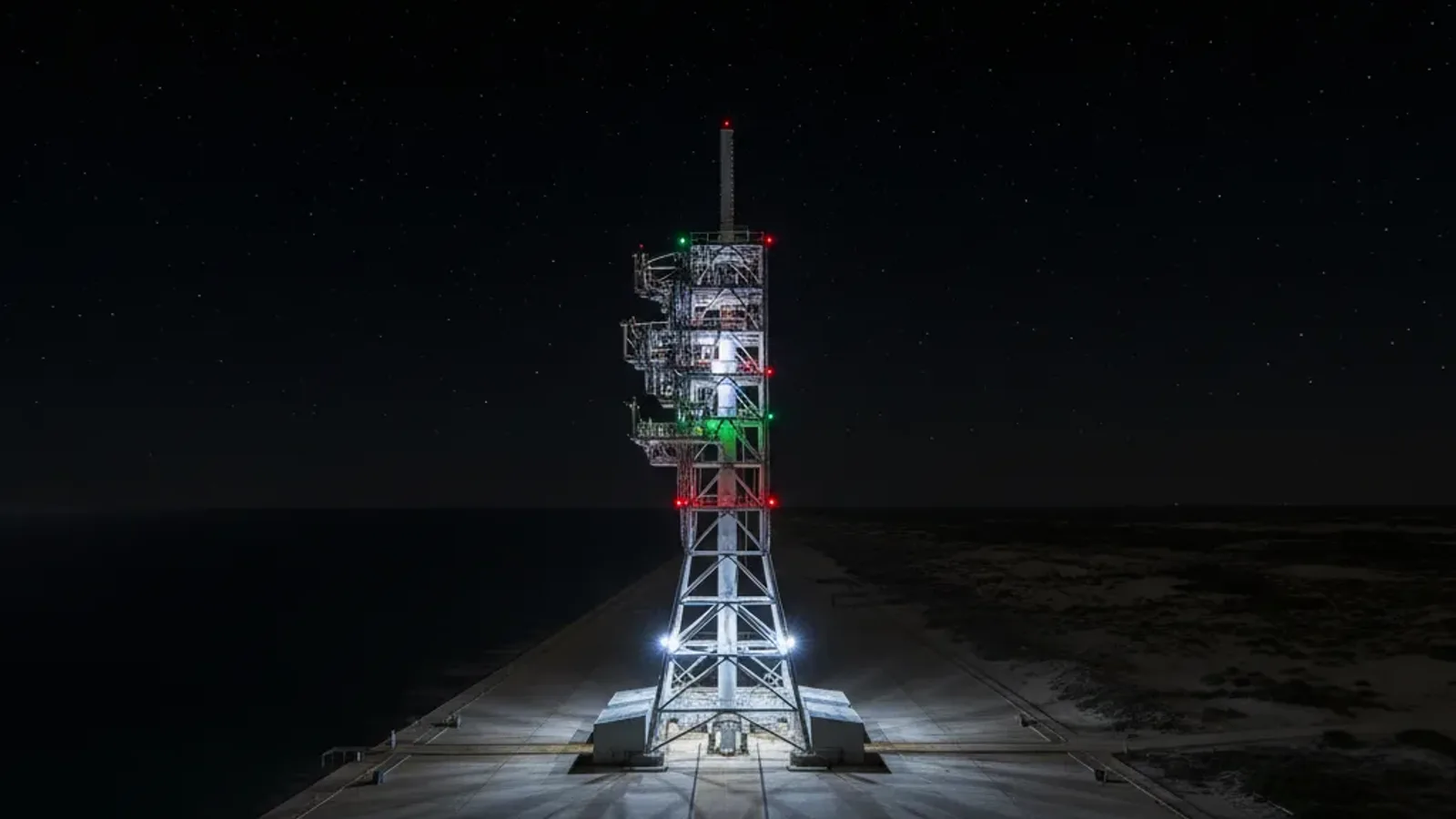
Blue Origin is restoring LC-36A, building LC-36B and planning more Florida launch infrastructure for New Glenn.
At a glance
- Phase
- testing
- Operator
- Blue Origin
- Destination
- Earth orbit
- Next milestone
- Complete the hotfire investigation and restore LC-36A; Blue Origin also plans additional launch infrastructure.
- Last verified
- 13 November 2026
Where it stands
Blue Origin said on 10 November that its modified BE-4 oxygen valve had completed qualification. The company is incorporating it into upcoming engines and expects the investigation to conclude later in November.
The mission
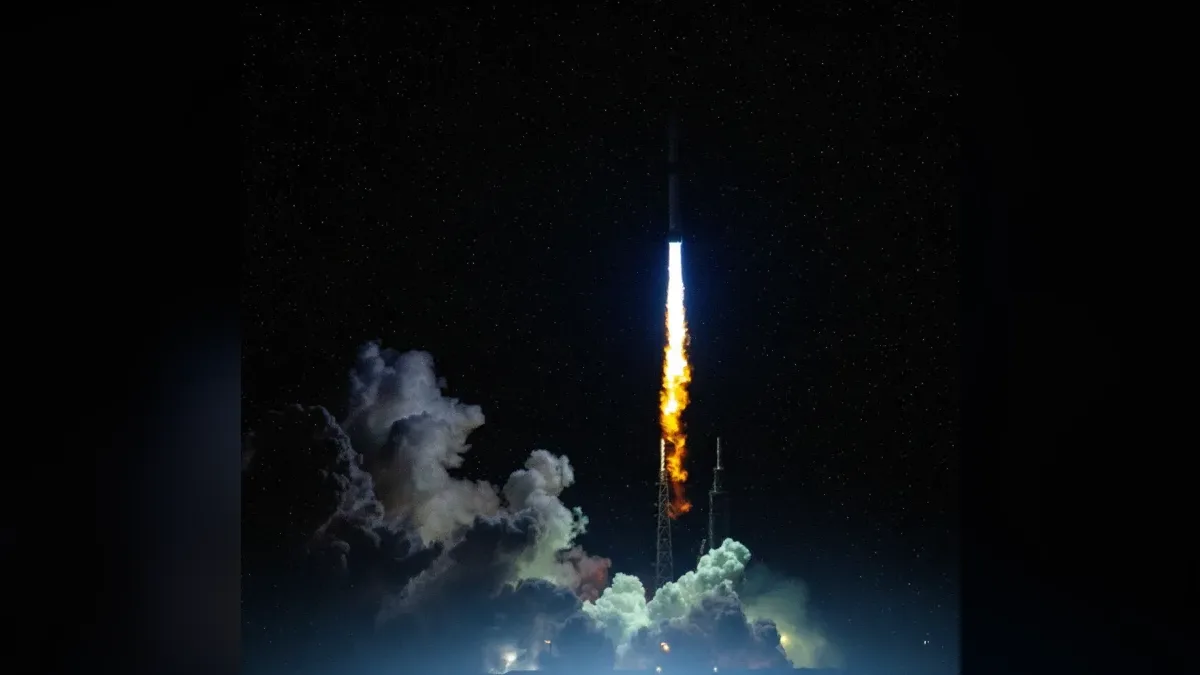
New Glenn's debut on 16 January 2025 reached orbit but lost the booster on landing. The second flight, on 13 November 2025, carried NASA's ESCAPADE spacecraft towards Mars and achieved the first successful booster landing; the third, on 19 April 2026, reused and landed that booster again, but the FAA's closure statement records a cryogenic leak that froze a hydraulic line and caused a second-stage thrust anomaly, leaving the AST SpaceMobile payload in the wrong orbit. On 28 May 2026 the next vehicle was destroyed in a hotfire test explosion at Launch Complex 36. On 5 August 2026 chief executive Dave Limp said the anomaly originated at the main oxygen valve on one of the BE-4 engines, confirmed by hardware recovery and inspections, with modified valve hardware ready by the end of that month. On 29 September 2026 NASA added Blue Origin's New Glenn 9×4 launch service to the NASA Launch Services II contract under its annual on-ramp clause, making it available for future NASA missions; the contract's ordering period runs through June 2030. On 16 October Blue Origin described restoration of LC-36A, construction of LC-36B, plans for additional pads and an Environmental Assessment requesting an increase in the permitted LC-36 rate from 12 to 50 launches a year. On 10 November the company said the modified BE-4 main oxygen valve had completed qualification and was being incorporated into upcoming engines through a rolling fleet update. It expects the investigation to conclude later in November.
Latest reporting
Related
Sources
- FAA statement on the New Glenn-3 mishap closure · https://www.faa.gov/newsroom/statements/general-statements
- Blue Origin on the hotfire anomaly · https://x.com/blueorigin/status/2060172114796204539
- Dave Limp, Blue Origin chief executive, on the engine valve finding · https://x.com/davill/status/2085074404627915059
- NASA adds New Glenn 9×4 to NLS II, 29 September 2026 · https://www.nasa.gov/news-release/nasa-adds-blue-origin-new-glenn-9x4-to-launch-services-contract/
- blueorigin.com · https://www.blueorigin.com/news/building-infrastructure-for-more-frequent-launches-in-florida
- Blue Origin hotfire investigation updates · https://www.blueorigin.com/news/gs1-3-hotfire-updates