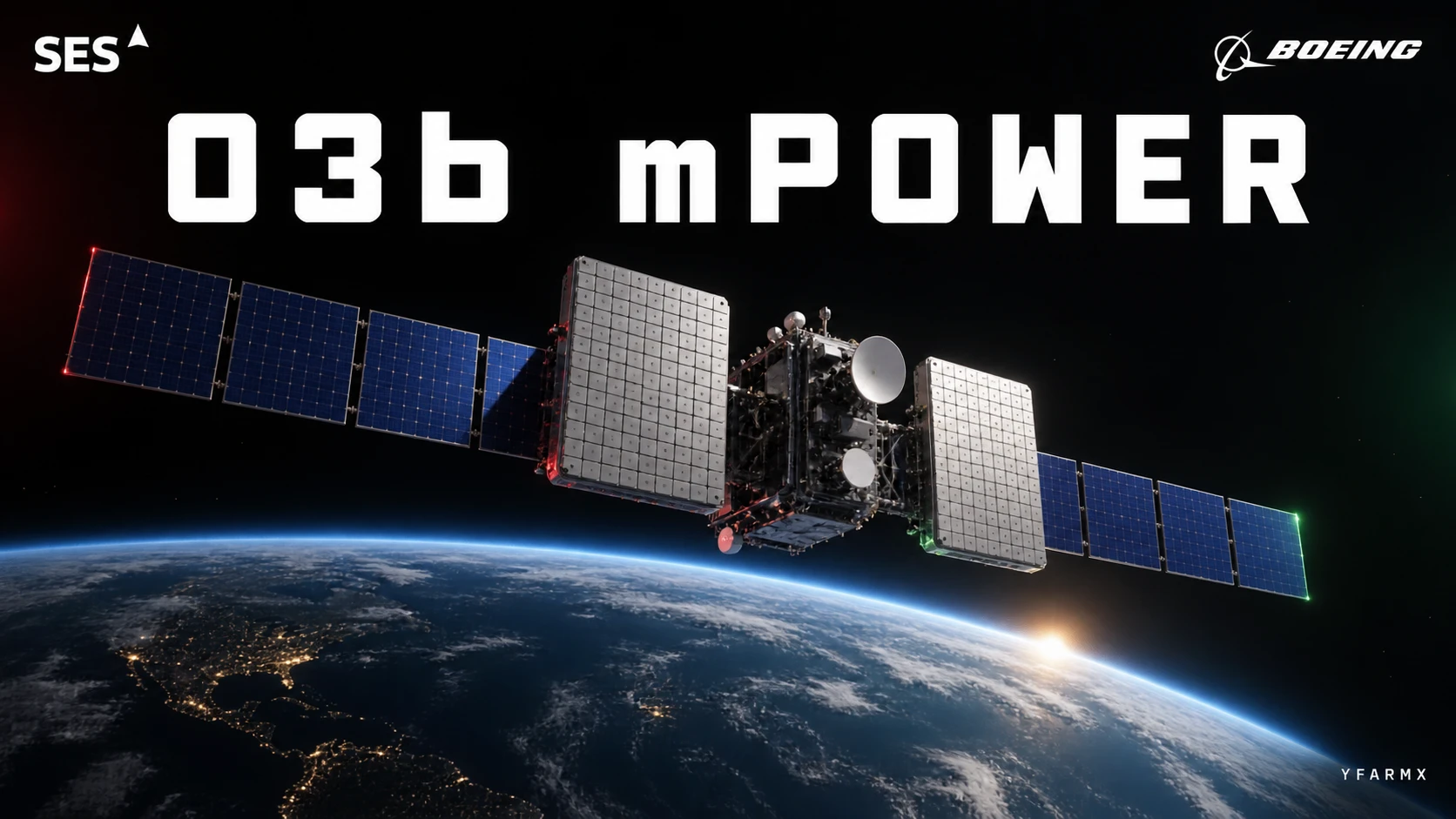
O3b mPOWER
orbital operationsSES / Boeing · Medium Earth orbit
last verified 15 Sept 2026
An operating broadband network with three newly launched spacecraft expected to add capacity in 2027.
More
SES uses O3b mPOWER to provide broadband capacity for mobility, government, telecoms and enterprise customers. The final three Boeing-built satellites undergo orbit raising and initialisation before joining the service fleet.
Next: Service entry for satellites 11, 12 and 13, expected by mid-2027
Concept artwork: YFarmX / ChatGPT Image 2
Full record →
Copernicus Sentinel-3C
commissioningESA / European Commission / EUMETSAT · Earth, sun-synchronous orbit
last verified 15 Oct 2026
Continuing the Sentinel-3 environmental record for forecasting and climate research.
More
The third Sentinel-3 spacecraft carries four science instruments to extend observations of oceans, land, ice and the atmosphere. Routine operations are managed jointly by ESA and EUMETSAT on behalf of the European Commission.
Next: Continue instrument calibration and commissioning, expected to take about five more months from ESA’s 8 October update
Full record →

FLEX
commissioningESA · Earth, sun-synchronous orbit
last verified 15 Sept 2026
A new global view of vegetation through the faint fluorescence emitted during photosynthesis.
More
The Fluorescence Explorer will measure plant fluorescence to study vegetation activity and environmental stress. ESA targets global maps at 300-metre resolution from 814 km altitude.
Next: Early-orbit checks and commissioning, as set out in ESA’s 15 September launch announcement, followed by commissioning
Concept artwork: YFarmX / ChatGPT Image 2
Full record →
Nancy Grace Roman Space Telescope
cruiseNASA · Sun-Earth L2
last verified 17 Oct 2026
Cruising towards L2 while NASA checks and calibrates the instruments.
More
NASA activated the Wide Field Instrument, the 300-megapixel primary camera, on 11 September 2026. On 30 September NASA reported that the fine-guidance tests showed the observatory holding steadier than 1/100,000 of a degree for half an hour at a time for Wide Field Instrument observations, and for eight hours at a time for the Coronagraph. NASA reported on 14 September that the first trajectory correction used about 18 kg of fuel against a 200 kg allocation, which with savings expected at the next correction and orbital insertion allows at least 22 years of potential science operations. On 25 September NASA reported that Roman's three ground stations, NASA's Near Space Network at White Sands, an ESA station near New Norcia in Western Australia and JAXA's Misasa station in Japan, received its test data between 7 and 17 September at up to 500 megabits per second. Roman is expected to downlink about 1.4 terabytes a day, the highest rate of any NASA astrophysics mission so far.
Next: Continue camera and deformable-mirror calibration before the Coronagraph’s light-blocking demonstration; L2 arrival remains expected around early December
Full record →
Artemis programme
developmentNASA · Moon
last verified 15 Oct 2026
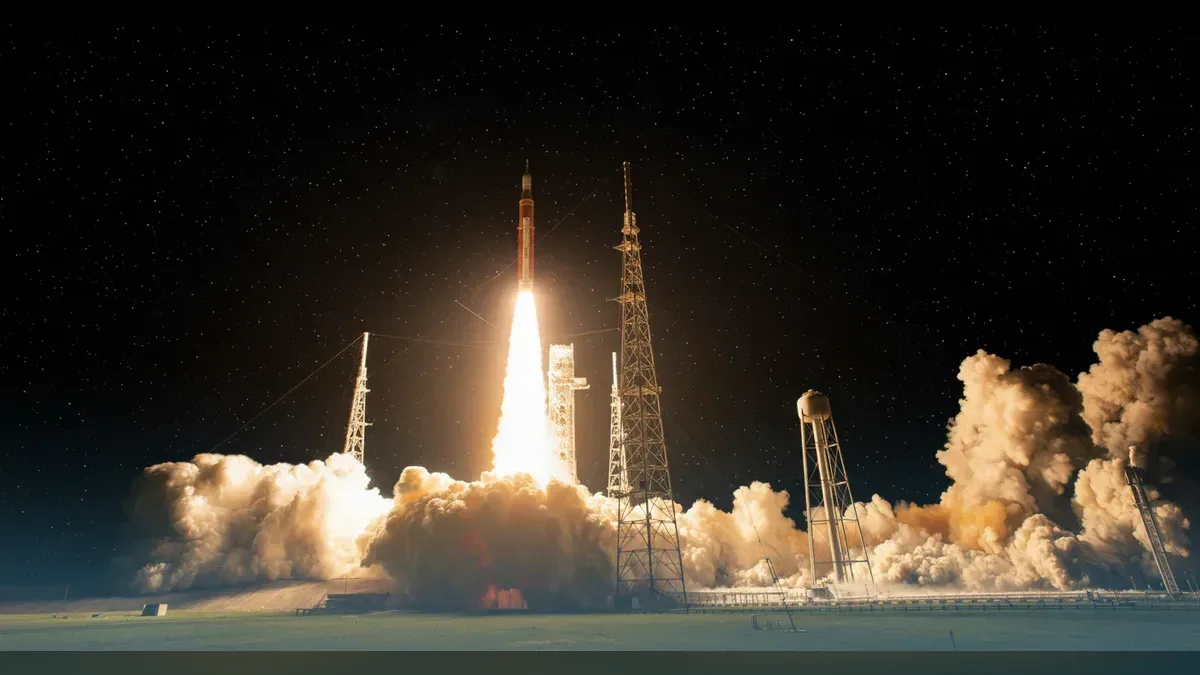
NASA's return to the Moon. Artemis II flew a crewed lunar flyby in April 2026; Artemis III is now planned as a low Earth orbit lander demonstration in 2027.
More
NASA's Artemis II mission launched on 1 April 2026 and returned on 10 April 2026, a crewed lunar flyby lasting 9 days, 1 hour and 32 minutes, the first crewed flight of NASA's deep space systems. NASA's own overview now describes a restructured plan: Artemis III, scheduled for 2027, becomes a low Earth orbit demonstration of one or both commercial landers, while Artemis IV carries the first crewed lunar landing, targeted for early 2028. Artemis V is expected by late 2028, with missions roughly annual thereafter.
Next: Artemis III, scheduled for 2027, a demonstration mission in low Earth orbit to test one or both commercial landers from SpaceX and Blue Origin
Image: NASA/Joel Kowsky, restyled
Full record →

Perseverance rover (Mars 2020)
extended missionNASA · Mars (Jezero Crater)
last verified 15 Oct 2026
Exploring Mars in an extended mission, with 45.22 km driven by 11 October and 29 rock and regolith samples collected.
More
Perseverance explores Jezero Crater and its surroundings, examining ancient environments and caching samples for a possible return to Earth. NASA’s 12 October update supplies the distance and sample count above. Potential biosignatures in the Sapphire Canyon sample remain evidence to investigate when assessing possible ancient life.
Image: NASA/JPL-Caltech, restyled
Full record →
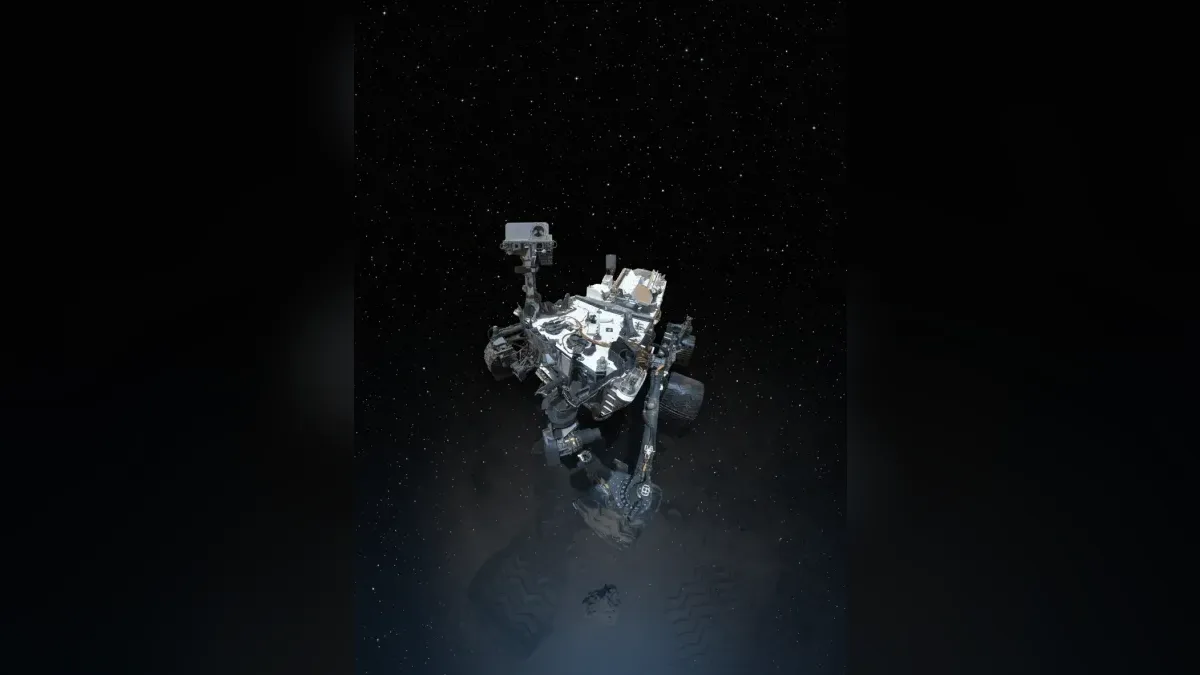
Curiosity rover (Mars Science Laboratory)
extended missionNASA · Mars (Gale Crater)
last verified 27 Sept 2026
Exploring Gale Crater since 2012 and still active, with 42 drilled samples and organic molecules never seen before on Mars.
More
Curiosity has been exploring Gale Crater since landing on 6 August 2012 and NASA still lists it as an active mission. It has collected 42 powderised rock samples with the drill on its robotic arm and recently found organic molecules never seen before on Mars. NASA reported that on 26 August 2026 the rover reached 1 km of elevation gain on its climb from Gale Crater up Mount Sharp, the highest point of its mission so far, and marked its 5,000th Martian day on 30 August 2026 with a two-panorama postcard from a sand ridge in the foothills of Mount Sharp.
Image: NASA/JPL-Caltech/MSSS, restyled
Full record →
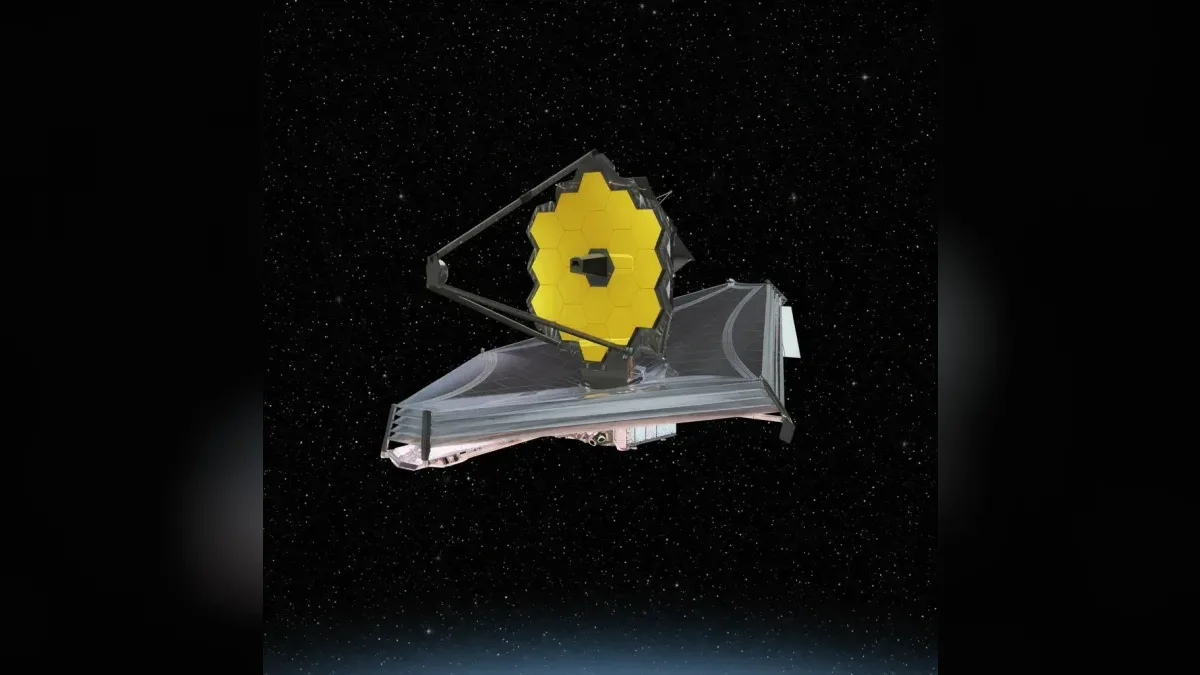
James Webb Space Telescope
orbital operationsNASA / ESA / CSA · Sun-Earth L2
last verified 02 Oct 2026
Four years into routine science at the second Lagrange point, most recently with a study of 21 young star systems where planets are colliding.
More
Webb continues routine science operations from its orbit around the second Lagrange point, 1.5 million kilometres from Earth. NASA released anniversary images on 6 July 2026 to mark four years of science, and on 15 July 2026 announced the discovery of a giant exoplanet hidden in the Beta Pictoris system. On 15 September 2026 NASA published one of Webb's largest images to date, a NIRCam panorama of the IC 348 star-forming region in Perseus, where it found brown dwarfs with as little as twice Jupiter's mass, smaller than theory predicts. On 1 October 2026 NASA reported a Webb study, led by Kate Su of the Space Science Institute, of 21 extreme debris disks, the dust signatures of planet-scale collisions that roughly 1% of young stars show; 16 of the disks come from Webb and five from Spitzer's archive.
Image: NASA/ESA/CSA/Northrop Grumman, restyled
Full record →
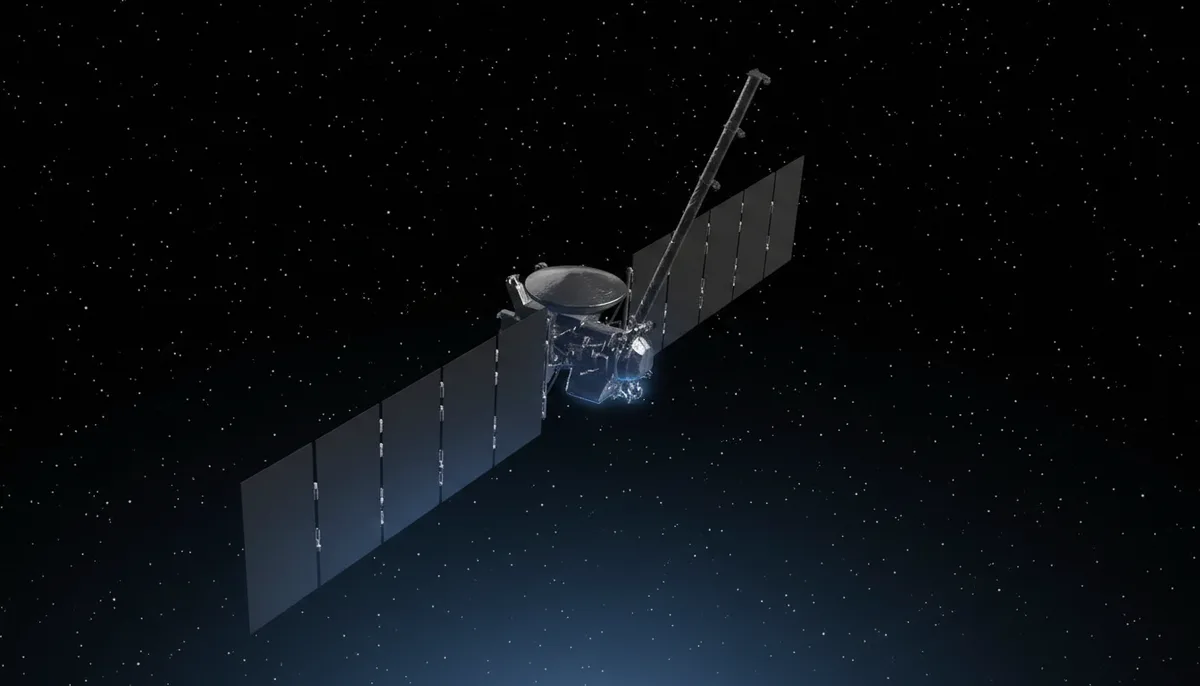
Europa Clipper
cruiseNASA · Jupiter (Europa)
last verified 02 Oct 2026
En route to Jupiter for 49 close flybys of the icy moon Europa, arriving April 2030. The next push is an Earth gravity assist in December 2026.
More
Europa Clipper launched on 14 October 2024 and is travelling 1.8 billion miles (2.9 billion kilometres) to reach Jupiter in April 2030, having completed a Mars gravity assist in 2025. NASA states the next milestone is an Earth flyby on 3 December 2026, which gives the spacecraft its final push towards Jupiter. Once in orbit it will conduct 49 close flybys of Europa to assess whether the icy moon could support life.
Next: Earth gravity assist flyby on 3 December 2026
Image: NASA/JPL-Caltech, restyled
Full record →
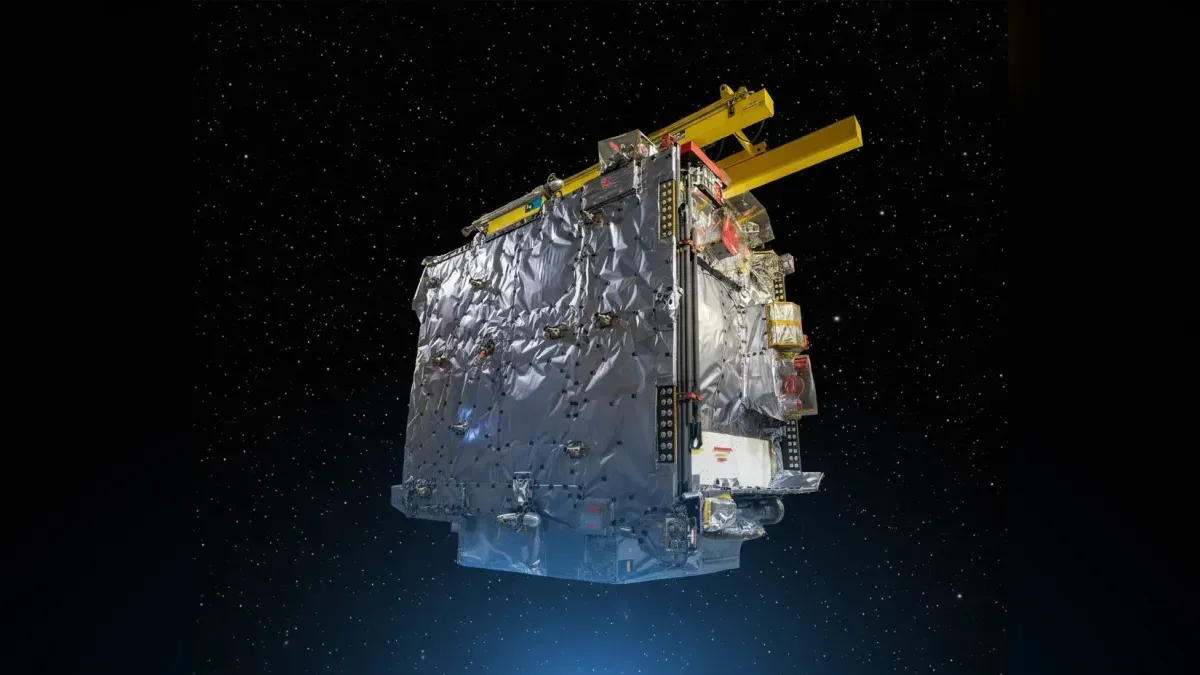
JUICE (Jupiter Icy Moons Explorer)
cruiseESA · Jupiter (Ganymede, Callisto, Europa)
last verified 02 Oct 2026
ESA's Jupiter-bound explorer swung past Earth on 28 September 2026 and gained 3.5 km/s. Arrival at Jupiter comes in July 2031.
More
JUICE launched on 14 April 2023 and has completed its lunar-Earth flyby (August 2024) and Venus flyby (August 2025), after the team resolved an anomaly on the Venus approach. ESA's stories from February to April 2026 describe the spacecraft's rare observations of interstellar comet 3I/ATLAS made with its science and navigation cameras. On 28 September 2026 Juice flew 8,640 km above the Indian Ocean at 11:45 UTC; ESA reports that the flyby deflected it by 20° from its pre-flyby path and raised its velocity by 3.5 km/s, after operators needed a single small trim in the four weeks before. A final Earth flyby follows in January 2029 before arrival at Jupiter in July 2031 for 35 flybys of the icy moons.
Next: Final Earth flyby in January 2029, which puts Juice on its last track to Jupiter, with arrival in July 2031
Image: Don-vip, Wikimedia France, CC BY-SA 4.0, restyled
Full record →
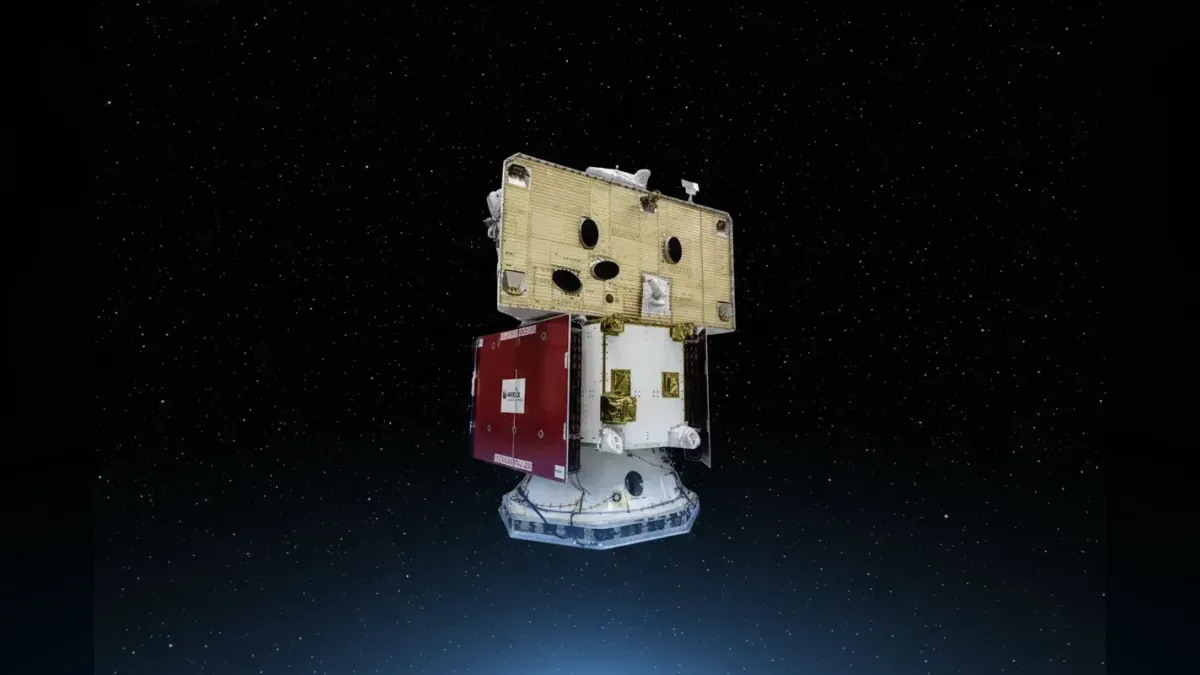
BepiColombo
cruiseESA / JAXA · Mercury
last verified 08 Oct 2026
The joint ESA and JAXA Mercury mission shed its transfer module on 3 September 2026 and enters Mercury orbit on 21 November.
More
BepiColombo, ESA's joint mission with JAXA, completed its sixth and final Mercury flyby on 8 January 2025 and shut down its solar electric propulsion on 24 June 2026, closing out the powered cruise. On 3 September 2026 the Mercury Transfer Module separated from the stack more than 200 million kilometres from Earth, after an eight-year journey of 9.9 billion kilometres. On 24 September the Mercury Planetary Orbiter tested its axial thrusters in this configuration for the first time, firing for 8 minutes 42 seconds for an 11.4 m/s correction. ESA describes arrival as a six-month sequence: orbit insertion on 21 November, Mio's separation on 9 to 10 December, the Mercury Planetary Orbiter reaching its final science orbit in March 2027, and science from both orbiters from April 2027. ESA’s 6 October update reports that all Mercury Planetary Orbiter science instruments were switched on on 15 September and were healthy. Mercury capture remains scheduled for 21 November, with orbiter separation on 9–10 December and science operations from April 2027.
Next: Mercury orbit insertion on 21 November 2026; Mio separates from the Mercury Planetary Orbiter on 9 to 10 December 2026, and the science phase begins in April 2027
Image: ESA, C. Carreau, CC BY-SA 3.0 IGO, restyled
Full record →
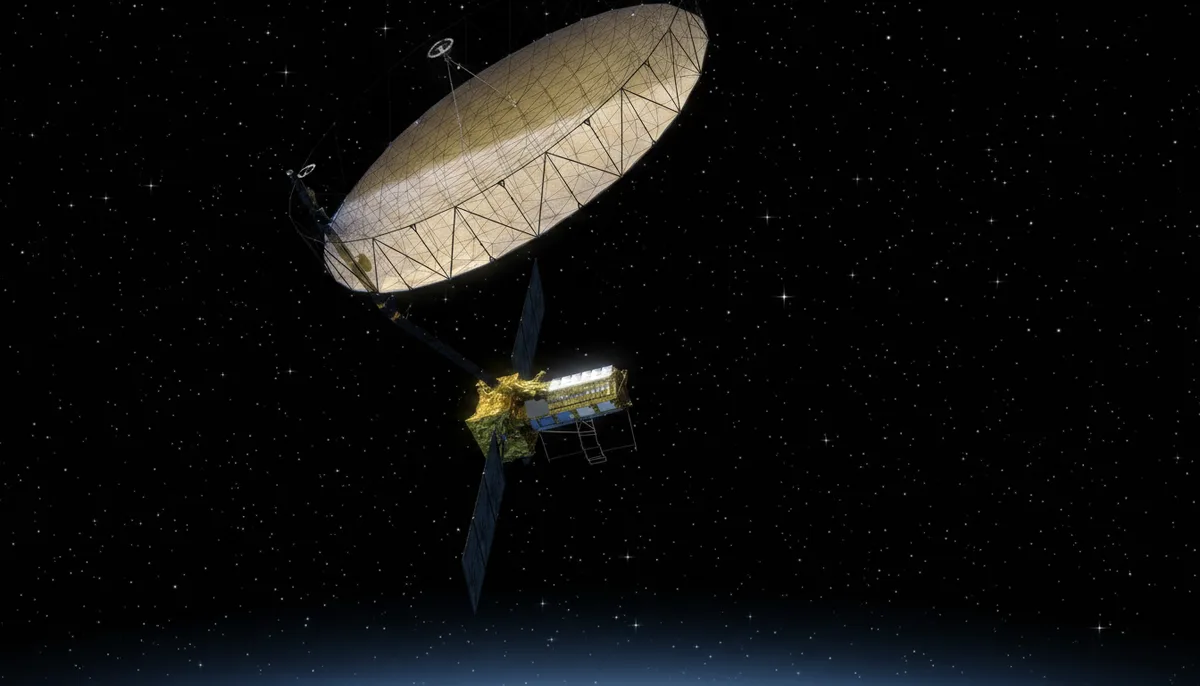
NISAR
orbital operationsISRO / NASA · Earth orbit
last verified 22 Aug 2026
The NASA-ISRO radar observatory is in its science phase, mapping change across Earth's land and ice, with S-band data now flowing to users.
More
NISAR, the NASA-ISRO Synthetic Aperture Radar mission, launched on 30 July 2025 on ISRO's GSLV-F16 and has entered its science phase. ISRO's site notes that S-band SAR data products are now available to users, and the agency is running training on SAR data analysis alongside its wider programme. The dual-frequency radar observatory maps changes to Earth's land and ice surfaces.
Image: NASA/JPL-Caltech, restyled
Full record →
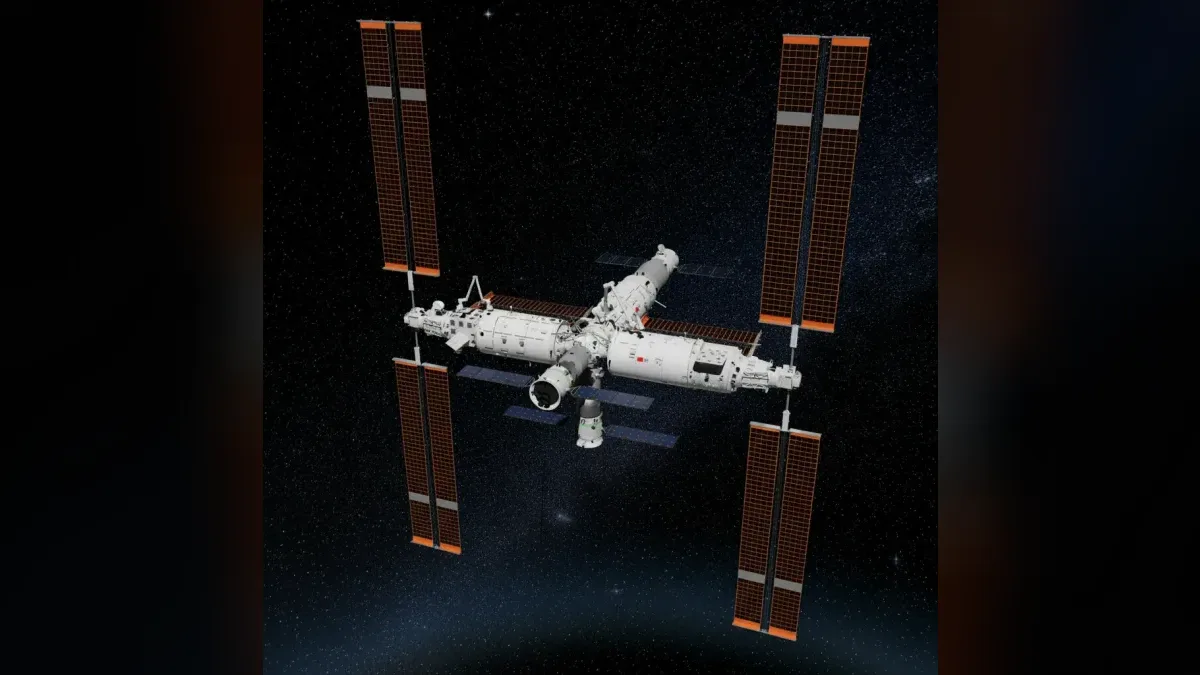
Tiangong space station
orbital operationsCMSA (China Manned Space Agency) · Low Earth orbit
last verified 02 Oct 2026
China's station is in continuous crewed operation; the Shenzhou-21 to Shenzhou-23 handover completed in May 2026.
More
China's Tiangong station remains in continuous crewed operation. The programme's official site records the in-orbit handover between the Shenzhou-21 and Shenzhou-23 crews, described as the eighth crew gathering in Chinese spaceflight history, completed on 28 May 2026, with the returning Shenzhou-21 crew of three arriving in Beijing on 30 May 2026 for medical checks and recuperation. The English-language site's ticker carries the station's orbital parameters dated 27 July 2026, confirming routine operations today.
Illustration: Shujianyang, Wikimedia, CC BY-SA 4.0, restyled
Full record →
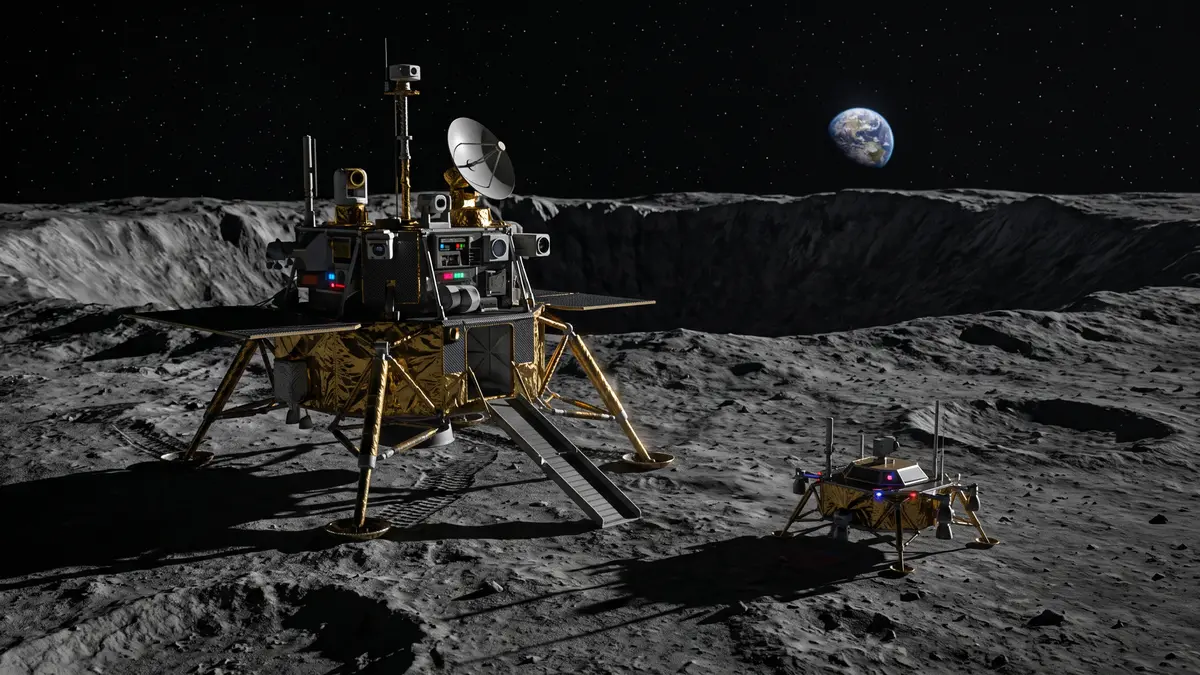
Chang'e-7
developmentCNSA (China National Space Administration) · Moon (south pole)
last verified 02 Oct 2026
China's next lunar mission is postponed: the agency announced on 23 August that it does not meet launch conditions and cannot fly in this year's planned window.
More
China's next lunar mission, Chang'e-7, has been postponed. The assembled stack completed vertical transfer to the launching area at Wenchang on 19 August 2026, but on 23 August the China Manned Space Agency announced that, on the principle of prudence, reliability and absolute success, and after comprehensive assessment, the mission does not meet launch conditions and its launch, in Xinhua's English wording, 'cannot take place during the planned window this year'. No reason was detailed and no new date was given. The mission combines orbiting, landing, roving and hopping to survey the environment and resources of the lunar south pole, including permanently shadowed craters.
Next: Launch of Chang'e-7 from Wenchang on the Long March-5 Y14; the agency says the mission cannot fly in this year's planned window and has announced no new date
Illustration: YFarmX, generated concept artwork of the mission class, not the actual spacecraft
Full record →
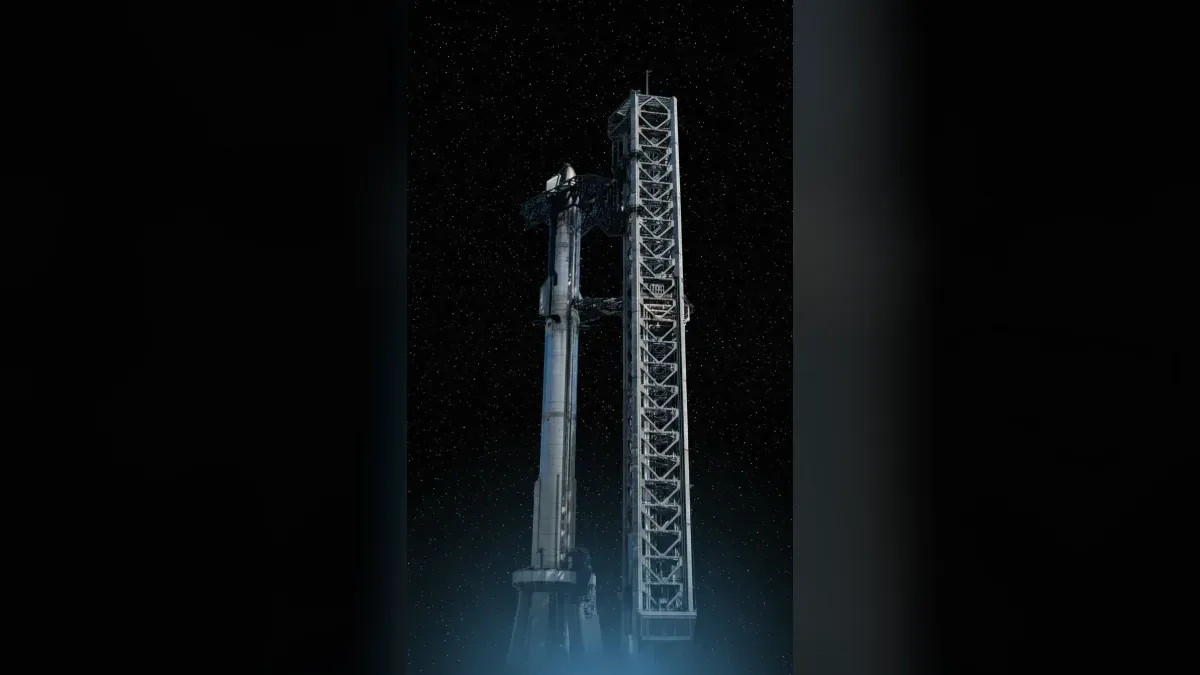
Starship
testingSpaceX · Earth orbit (development flights)
last verified 02 Oct 2026
Flight 14 on 28 September 2026 reached orbit for the first time and deployed 26 Starlink V3 satellites.
More
SpaceX flew Starship's 14th flight test on 28 September 2026 from Pad 2 at Starbase, its first attempt to reach orbit. One of the booster's 33 Raptors shut down on the climb; the booster relit 31 of 33 engines for its boostback, which was designed to burn through the remaining liquid oxygen to test performance limits, and 11 of 13 for its landing burn before splashing down in the Gulf, where its flight termination system was fired as a demonstration. One of the ship's Raptor Vacuum engines shut down early, the other five burned longer to reach the planned path, and a single sea-level Raptor then put Starship into orbit around Earth for the first time. After all 26 Starlink V3 satellites deployed, SpaceX shortened the time on orbit out of caution, flew the first deorbit burn and landed the ship on target in the northern Pacific at one of two pre-coordinated zones. Flight 13 on 24 July 2026 had deployed the first 20 V3 satellites on a suborbital path.
Next: Flight 15, on a date SpaceX will set; Flight 14's boostback was designed to test the booster's limits ahead of future return-to-launch-site missions
Image: Jenny Hautmann, CC BY-SA 4.0, restyled
Full record →
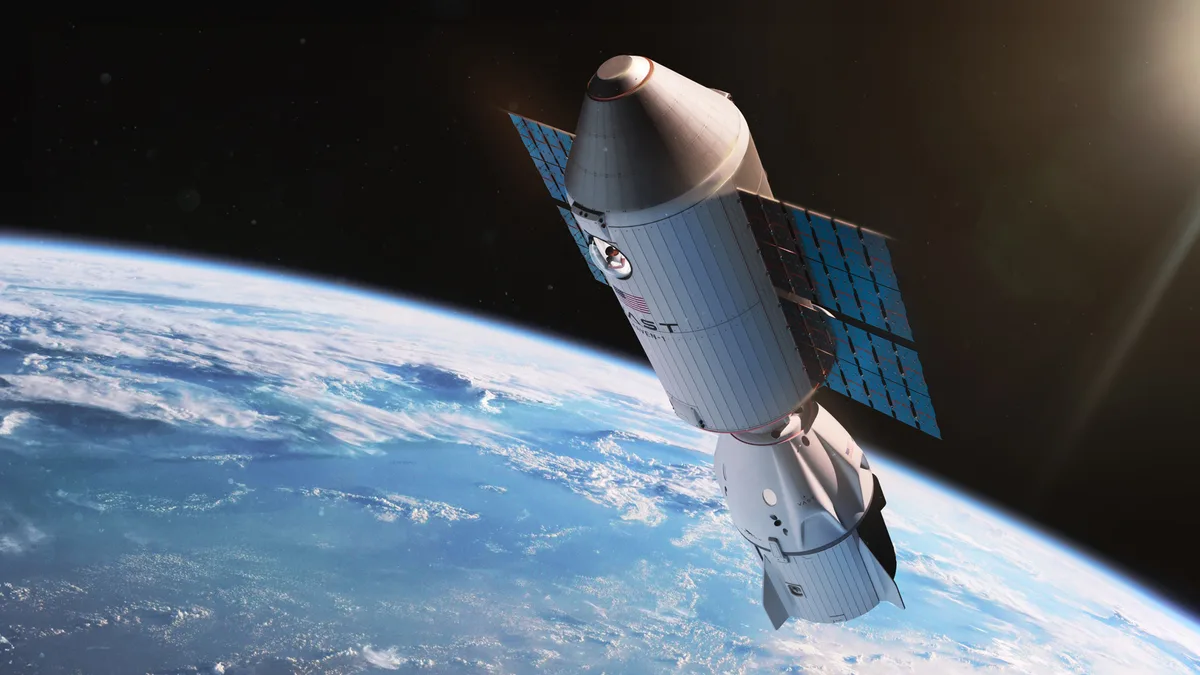
Haven-1
developmentVast · Low Earth orbit
last verified 05 Oct 2026
Vast's single-module commercial station, built for four-person visits, targets a 2027 Falcon 9 launch with structure testing well advanced.
More
Vast's Haven-1, a single-module commercial station designed for four-person, two-week missions, is targeted to launch in 2027 on a SpaceX Falcon 9, with crews arriving by Dragon. The primary structure has completed welding, pressure and load testing, docking hardware fit checks were finished in October 2025, and the Vast Control Unit flight computer entered electromagnetic compatibility testing in April 2026 before the final-integration phase reported in September. Vast's Haven Demo pathfinder satellite, launched in November 2025, achieved mission success and was deorbited in February 2026.
Next: Launch targeted for 2027 on a SpaceX Falcon 9, with crew transported by Dragon
Images courtesy of Vast
Full record →
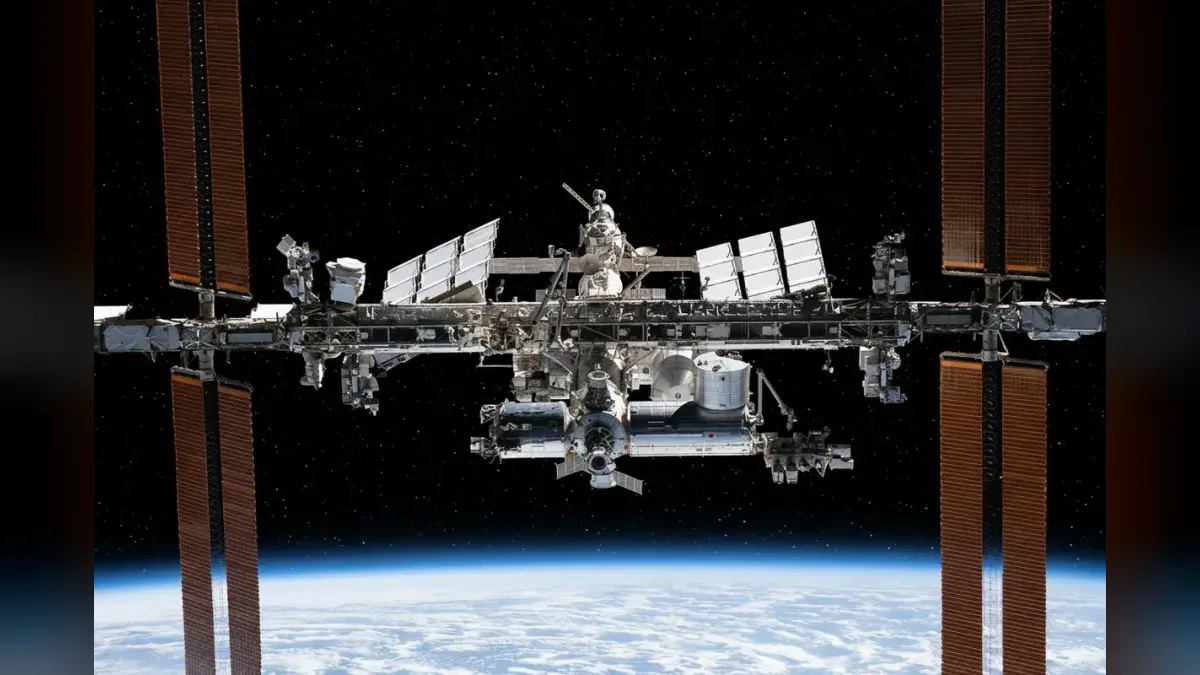
International Space Station
orbital operationsNASA / Roscosmos / ESA / JAXA / CSA · Low Earth orbit
last verified 17 Oct 2026
An inhabited orbital laboratory receiving new science and preparing to install the final roll-out solar arrays.
More
Crew-12 splashed down on 8 October. Cygnus XL departed on 9 October at 16:44 UTC. CRS-35 launched on 13 October at 10:33 UTC and docked on 15 October at 14:27 UTC. Its cargo includes the final IROSA pair, artificial-retina manufacturing hardware and heart-tissue experiments.
Next: Installation of the newly delivered IROSA solar arrays, planned for later in the autumn
Image: NASA, restyled
Full record →
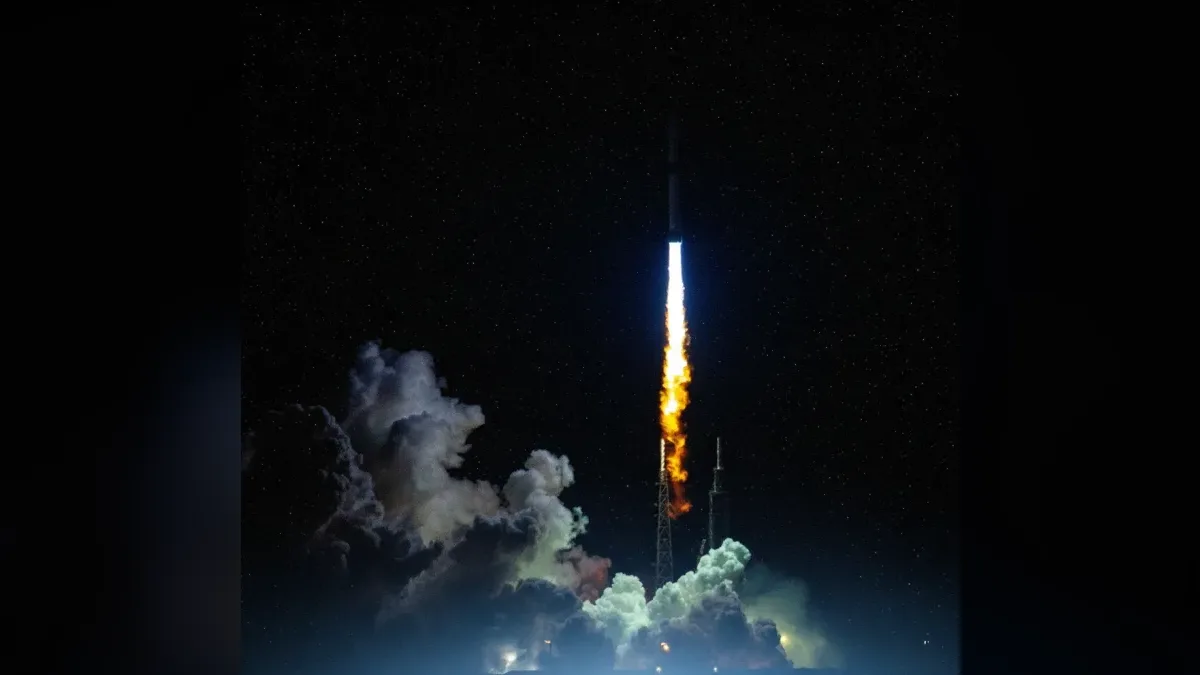
New Glenn
testingBlue Origin · Earth orbit
last verified 17 Oct 2026
Blue Origin is restoring LC-36A, building LC-36B and planning more Florida launch infrastructure for New Glenn.
More
New Glenn's debut on 16 January 2025 reached orbit but lost the booster on landing. The second flight, on 13 November 2025, carried NASA's ESCAPADE spacecraft towards Mars and achieved the first successful booster landing; the third, on 19 April 2026, reused and landed that booster again, but the FAA's closure statement records a cryogenic leak that froze a hydraulic line and caused a second-stage thrust anomaly, leaving the AST SpaceMobile payload in the wrong orbit. On 28 May 2026 the next vehicle was destroyed in a hotfire test explosion at Launch Complex 36. On 5 August 2026 chief executive Dave Limp said the anomaly originated at the main oxygen valve on one of the BE-4 engines, confirmed by hardware recovery and inspections, with modified valve hardware ready by the end of that month. On 29 September 2026 NASA added Blue Origin's New Glenn 9×4 launch service to the NASA Launch Services II contract under its annual on-ramp clause, making it available for future NASA missions; the contract's ordering period runs through June 2030. On 16 October Blue Origin described restoration of LC-36A, construction of LC-36B, plans for additional pads and an Environmental Assessment requesting an increase in the permitted LC-36 rate from 12 to 50 launches a year.
Next: Restoration of LC-36A and construction of LC-36B; the wider infrastructure programme targets higher launch capacity
Image: US Space Force/Samuel Becker, restyled
Full record →
Starlink constellation
orbital operationsSpaceX · Low Earth orbit
last verified 13 Oct 2026
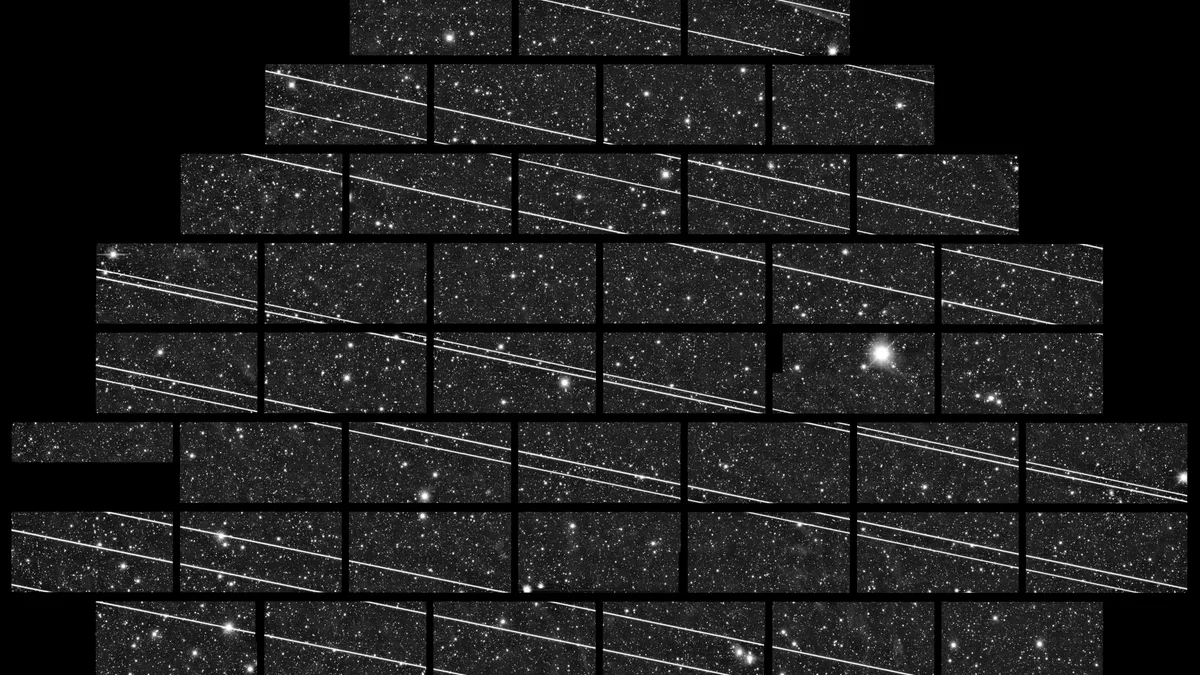
The largest satellite system ever flown: 11,114 active satellites in the independent catalogue as of 12 October 2026, with the first third-generation satellites in orbit from Starship.
More
Jonathan McDowell’s independent catalogue counted 11,114 active Starlink satellites on 12 October 2026, about 65% of its approximately 16,988 active satellites. The first 20 third-generation V3 satellites deployed from Starship's 13th flight on 24 July 2026 on a suborbital path. On 28 September Flight 14 put 26 V3 satellites into orbit, and SpaceX made contact with every one over laser links, ground stations and Starlink user terminals; SpaceX says each will run on-orbit checkouts and raise its orbit before it begins serving customers. The fleet serving customers today is the first two generations, launched on Falcon 9.
Next: Flight 14's 26 V3 satellites run on-orbit checkouts and raise their orbits before serving customers, on SpaceX's account
Image: NSF NOIRLab/CTIO/AURA/DELVE, CC BY 4.0
Full record →
GPS III
orbital operationsUS Space Force / Lockheed Martin · Medium Earth orbit
last verified 22 Aug 2026
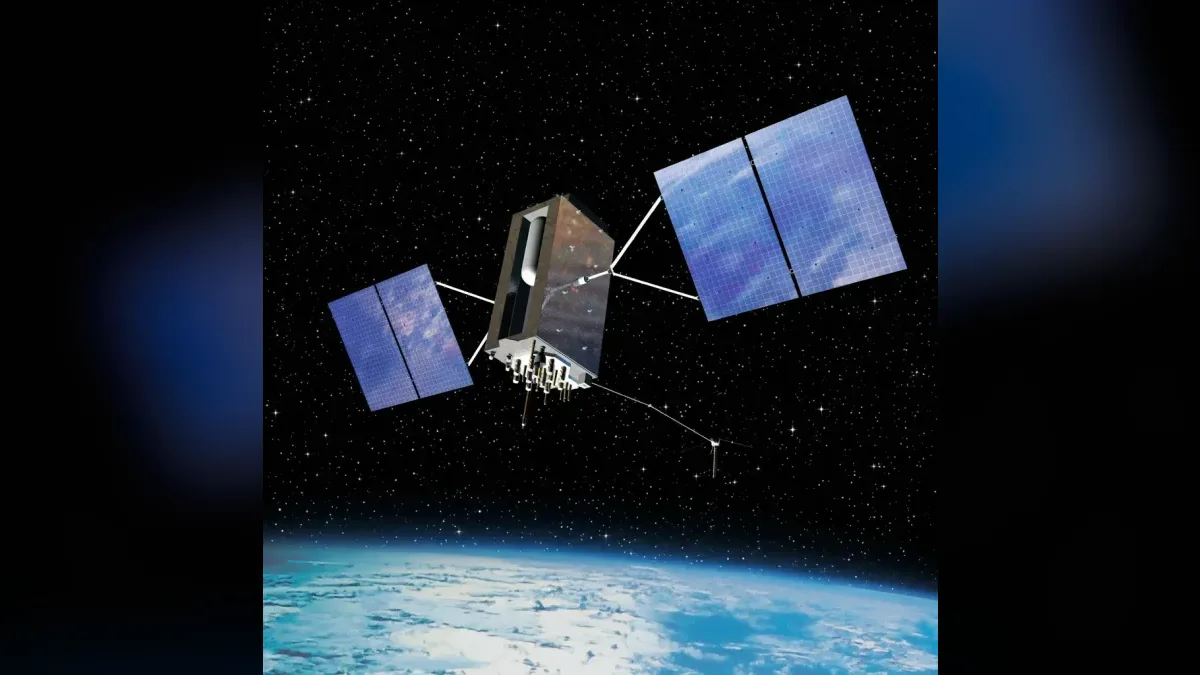
The block that completed America's navigation constellation: the tenth and final GPS III satellite launched in April 2026, taking the active fleet to 32.
More
The US Space Force completed the GPS III block on 21 April 2026 with the launch of the tenth satellite, stating the constellation now stands at 32 active spacecraft with added redundancy. Lockheed Martin, which builds the satellites in Denver, is under contract for 12 next-generation GPS IIIF spacecraft, and says GPS IIIF will add a Regional Military Protection signal with over 60 times the anti-jam capability of legacy vehicles for qualified military users.
Next: GPS IIIF production, 12 satellites under contract at Lockheed Martin
Image: US Air Force, restyled
Full record →
Blue Ghost Mission 2
developmentFirefly Aerospace · Moon (far side)
last verified 02 Oct 2026
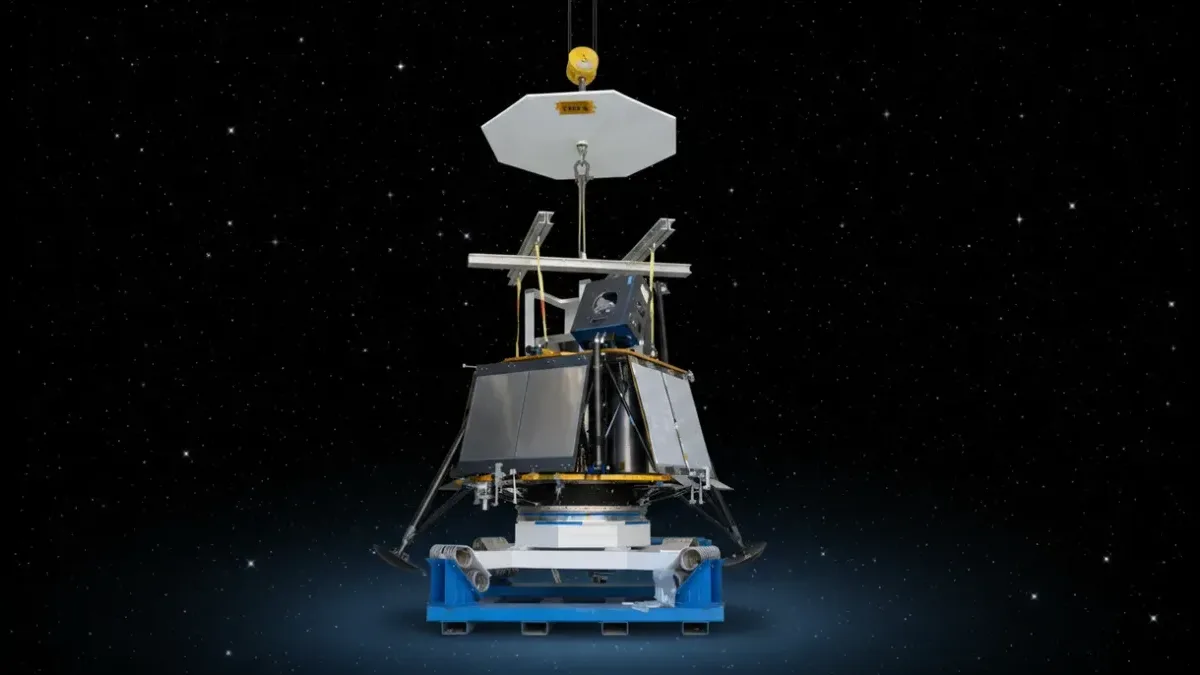
Firefly's second lunar lander targets the first American landing on the Moon's far side, no earlier than 2027 on the company's own page, with ESA's relay satellite riding along.
More
Firefly Aerospace's mission page now states Blue Ghost Mission 2 will launch no earlier than 2027 on a Falcon 9, moved from the earlier late-2026 wording, and Firefly's release of 30 September 2026 restates the no-earlier-than-2027 target; NASA's Commercial Lunar Payload Services overview page still lists the mission under 2026, and this record follows the launching company's own date. The mission targets America's first landing on the Moon's far side, near Nassau crater. The Blue Ghost lander carries six international payloads, including NASA's LuSEE-Night radio telescope and the UAE's Rashid Rover 2, while Firefly's Elytra orbiter deploys ESA's Lunar Pathfinder communications relay en route. The mission follows the first Blue Ghost, which completed the first fully successful commercial lunar landing in March 2025.
Next: Launch no earlier than 2027 on a SpaceX Falcon 9, on Firefly's own page; NASA's CLPS overview still lists 2026
Image: NASA/JPL-Caltech, restyled
Full record →
Mars Reconnaissance Orbiter
extended missionNASA · Mars (orbit)
last verified 22 Aug 2026
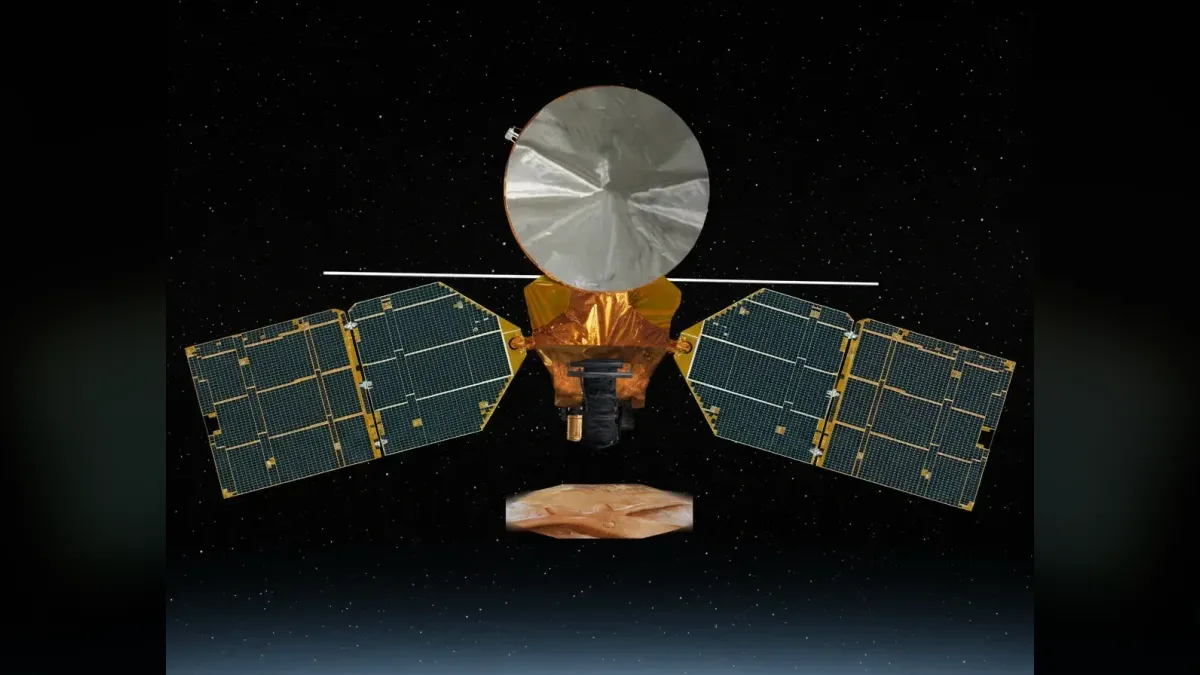
Twenty years at Mars and still working: the orbiter passed 100,000 HiRISE images in December 2025 and relays for both active rovers.
More
NASA's Mars Reconnaissance Orbiter has operated continuously since March 2006, and NASA marked its twentieth anniversary at Mars on 23 June 2026 with the orbiter still listed as an active mission. Its HiRISE camera passed its 100,000th image in December 2025, and the spacecraft continues studying the atmosphere and surface while relaying data for Perseverance and Curiosity. It is now the senior spacecraft of a thinner fleet: NASA declared MAVEN ended on 3 June 2026 after contact was lost the previous December.
Image: NASA/JPL, restyled
Full record →
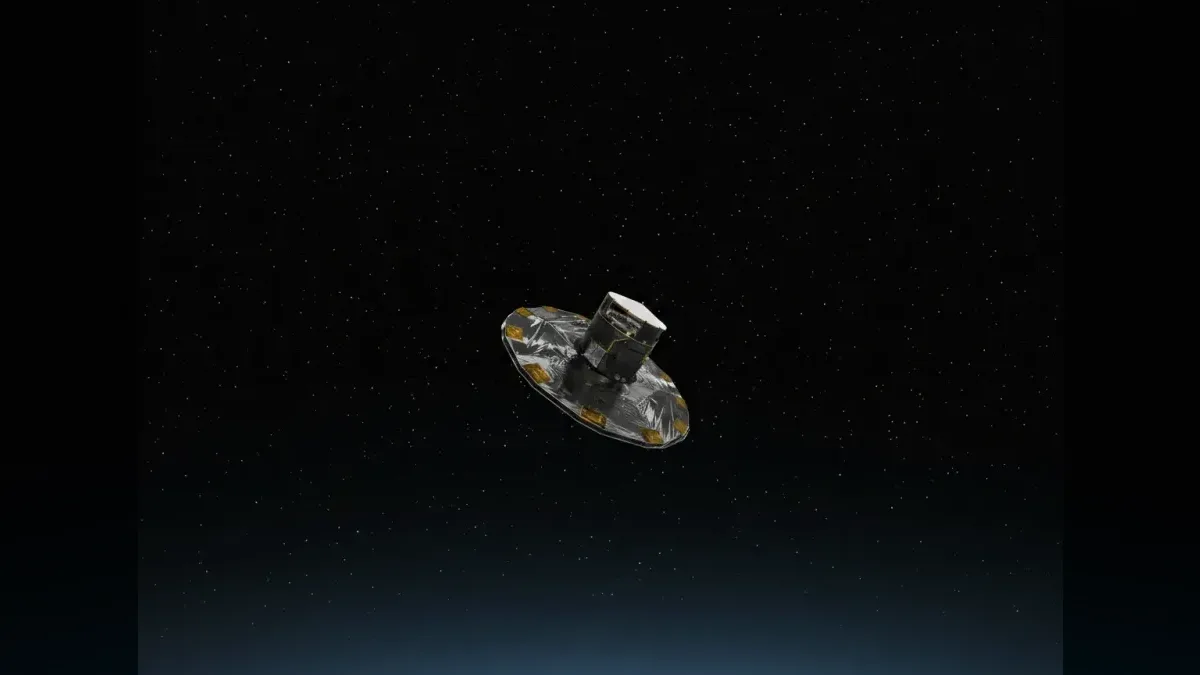
Gaia
data processingESA · Sun-Earth L2 (retired to solar orbit)
last verified 02 Oct 2026
The Milky Way mapper stopped observing in January 2025; the mission now lives in its archive, with Data Release 4 due on 2 December 2026.
More
Gaia's scientific observations ended on 15 January 2025 after nearly eleven years mapping the galaxy, and ESA passivated the spacecraft into a retirement orbit around the Sun on 27 March 2025. The mission continues on the ground: Data Release 4, targeted for 2 December 2026, is the first built from the full 5.5-year primary survey and spans more than 130 data products, over half of them new. A final legacy catalogue is expected around 2030.
Next: Gaia Data Release 4, targeted 2 December 2026
Illustration: ESA/ATG medialab, CC BY-SA 3.0 IGO, restyled
Full record →