SpaceX targets 13 October for ISS science delivery
NASA and SpaceX target 13 October for CRS-35, carrying science hardware, brain organoids and the final ISS roll-out solar arrays. Docking is planned for 15 October.
Listen to this articleListen
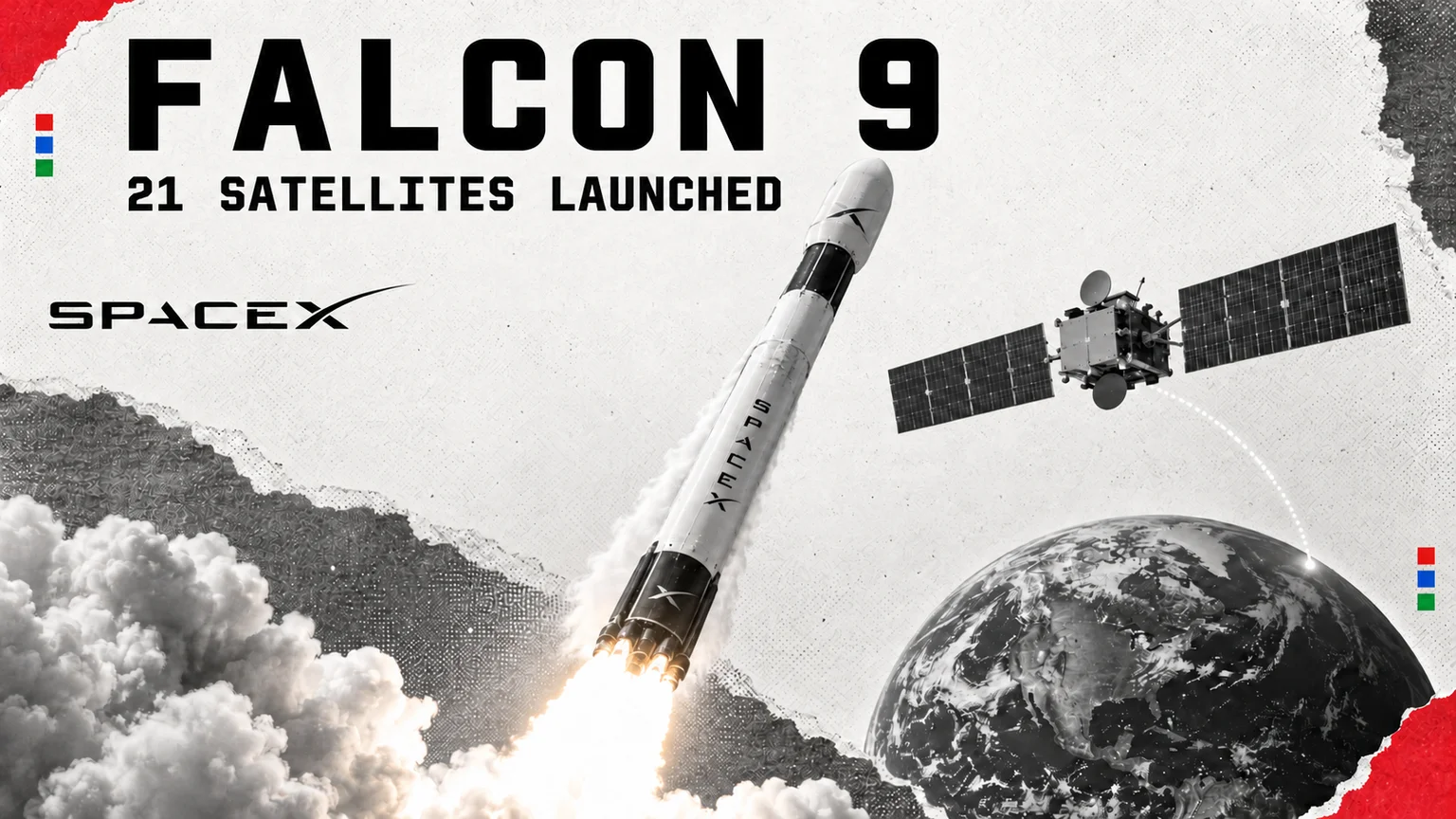
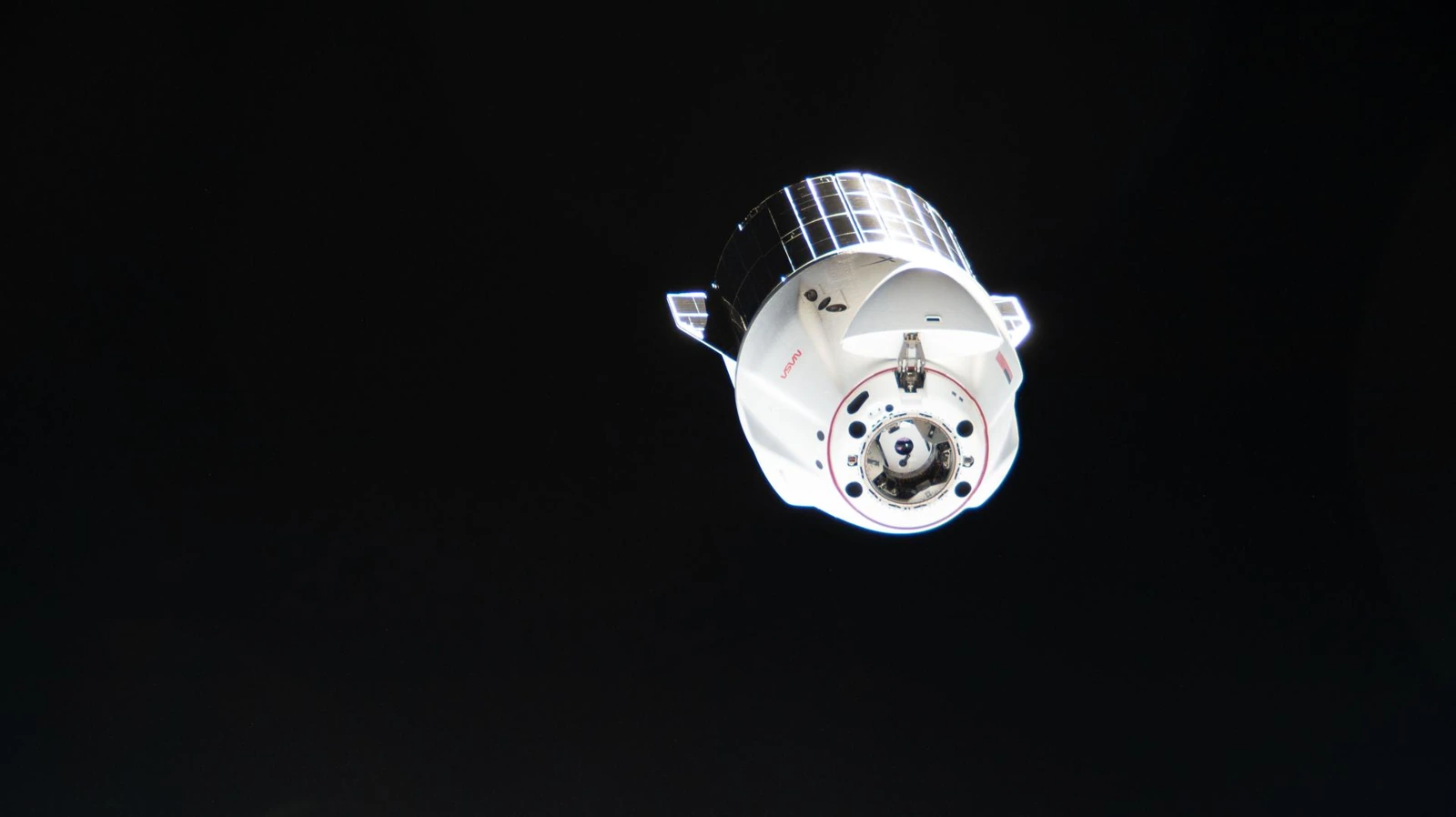
NASA and SpaceX are targeting 6:33 a.m. EDT on Tuesday, 13 October, for a cargo launch to the International Space Station. The CRS-35 mission will lift off on a Falcon 9 from Space Launch Complex 40 at Cape Canaveral Space Force Station in Florida, according to NASA’s launch advisory.
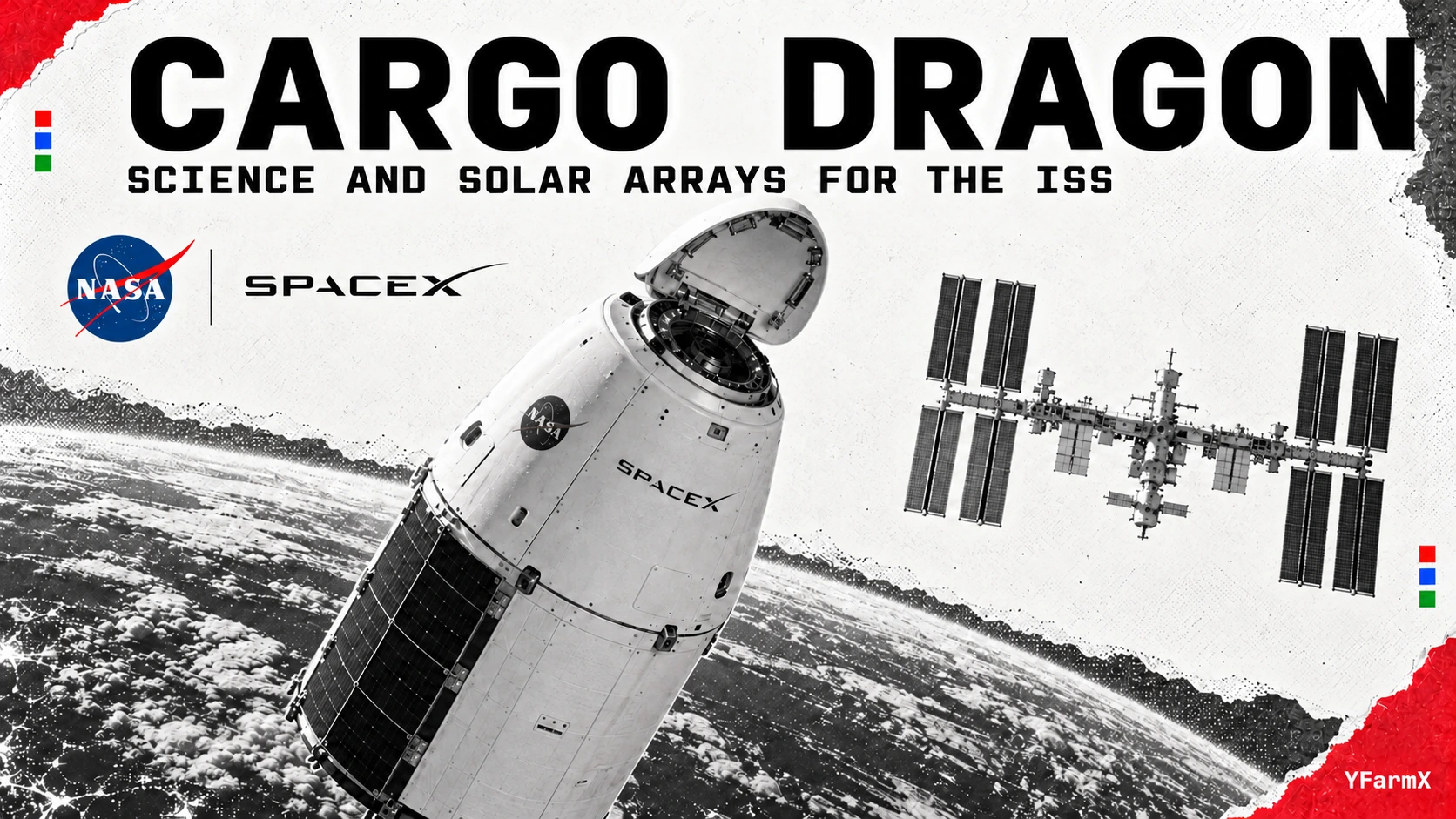
Dragon will carry science investigations, supplies and the final set of International Space Station Roll-Out Solar Arrays, known as iROSAs. The mission is SpaceX’s 35th commercial resupply flight to the station for NASA.
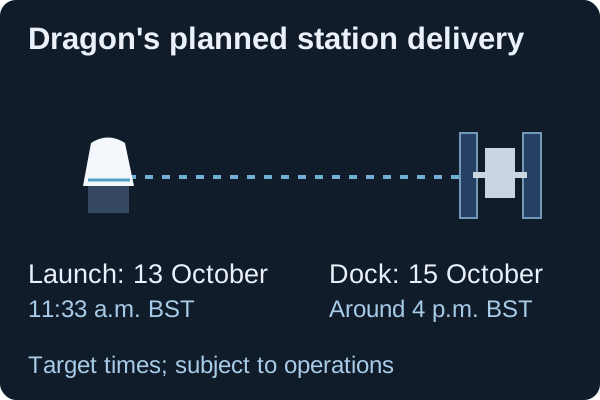
Liftoff is planned for 11:33 a.m. UK time
The current 13 October launch target is 10:33 UTC, or 11:33 a.m. BST. SpaceX lists a backup opportunity on Wednesday, 14 October, at 6:08 a.m. EDT if needed.
After a flight of about 52 hours, Dragon is scheduled to dock autonomously with the space-facing port of the station’s Harmony module. Arrival is planned for around 11 a.m. EDT on Thursday, 15 October, or 4 p.m. BST.
| Planned milestone | Eastern time | UK time |
|---|---|---|
| NASA launch coverage, 13 October | 6:15 a.m. EDT | 11:15 a.m. BST |
| Liftoff, 13 October | 6:33 a.m. EDT | 11:33 a.m. BST |
| Backup liftoff, 14 October | 6:08 a.m. EDT | 11:08 a.m. BST |
| NASA arrival coverage, 15 October | 9:15 a.m. EDT | 2:15 p.m. BST |
| Docking, 15 October | Around 11 a.m. EDT | Around 4 p.m. BST |
NASA’s coverage will stream through NASA Live. Launch and docking times remain subject to operational changes.
Brain tissue and retinal-manufacturing hardware are aboard
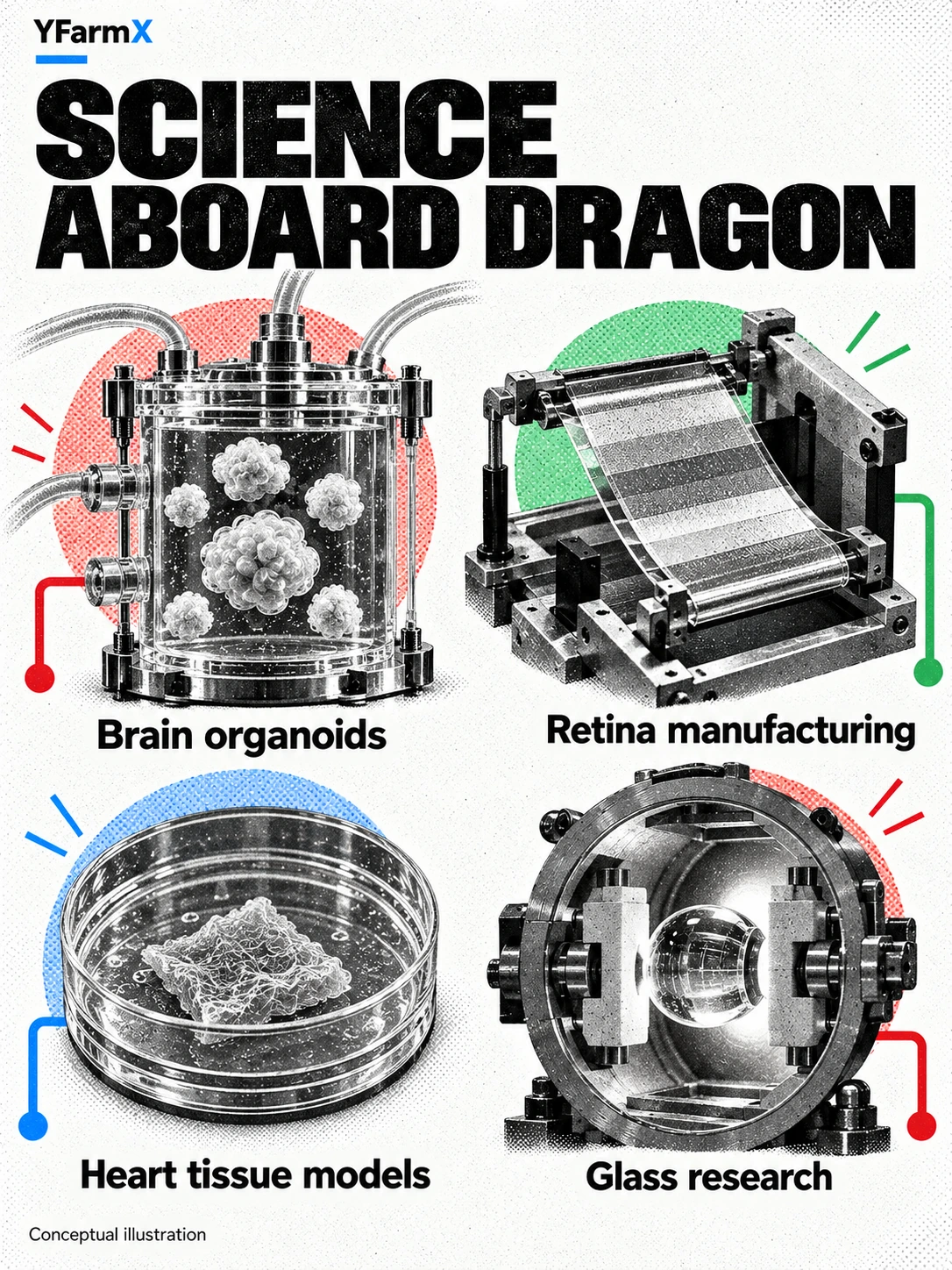
CRS-35’s scientific cargo includes brain organoids, hardware for manufacturing artificial retinas, three-dimensional heart-tissue models and materials for studying glass formation. NASA says the neural tissue could help identify treatment targets for neurodegenerative diseases, including Alzheimer’s, Parkinson’s and multiple sclerosis.
The retinal-manufacturing work uses microgravity to develop technologies intended to help restore vision on Earth. Heart-tissue models support the development of larger-scale drug testing on future missions. The glass investigation examines how a new type of glass forms in microgravity.
These are research and manufacturing investigations, with results to be studied during and after the flight.
Dragon carries the final roll-out solar arrays
The final iROSA delivery shares the flight with more than 6,300 pounds of supplies, about 2.9 tonnes, NASA says. The array hardware adds to the station’s solar-power system.
SpaceX says this Dragon spacecraft will make its fourth flight, following CRS-26, CRS-29 and CRS-33. The Falcon 9 first stage is scheduled for its eighth flight and a return landing at Landing Zone 40.
Dragon is expected to remain at the station until mid-November, then return time-sensitive research and cargo to Earth with a splashdown off California.