FLEX prepares to map plant health from space alongside Sentinel-3C
ESA's FLEX mission will measure the faint fluorescence of vegetation, sharing a planned Vega-C launch with the Copernicus Sentinel-3C satellite.
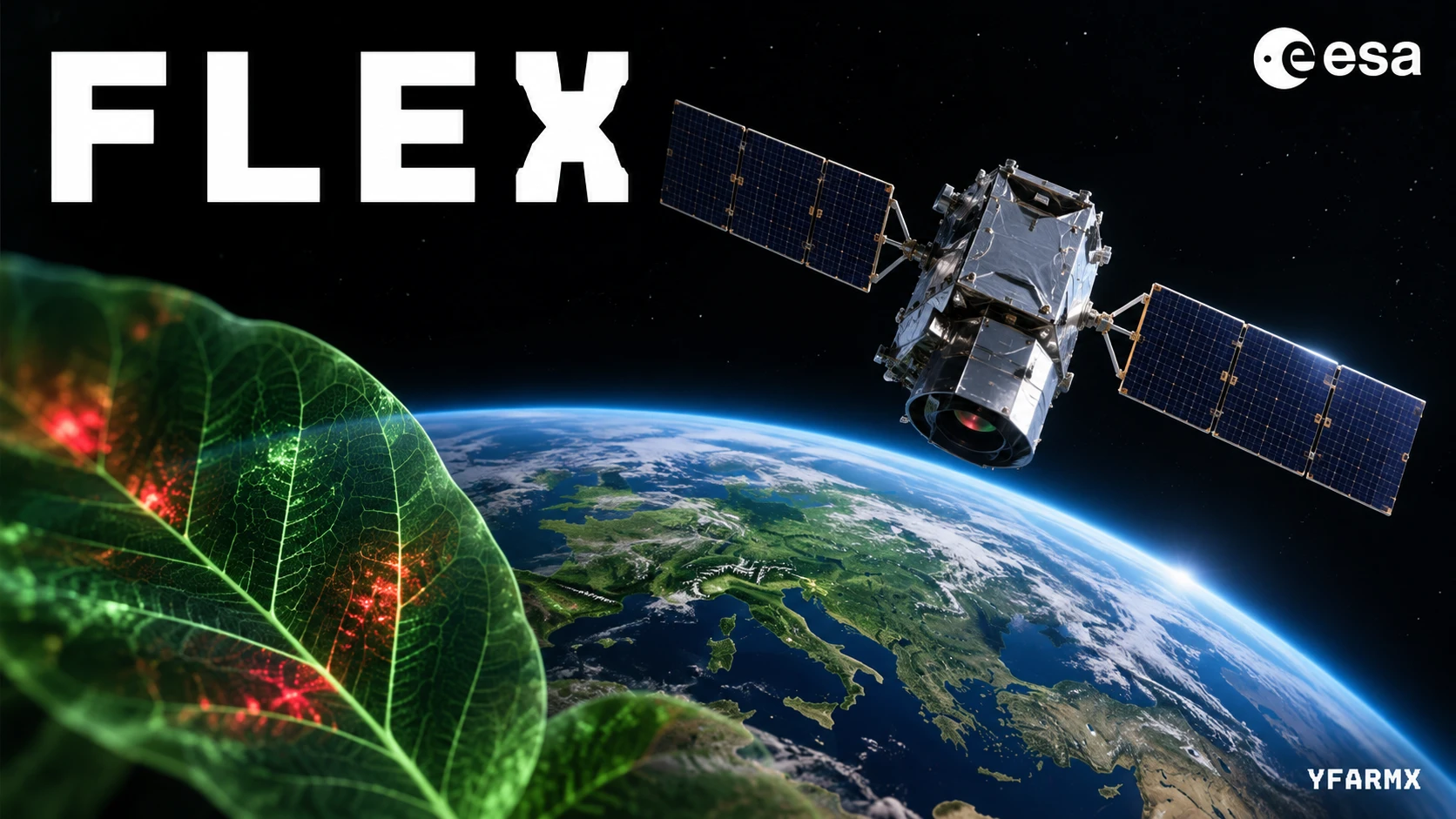
Europe’s FLEX satellite is preparing to measure plant activity across the globe, using the faint light vegetation emits during photosynthesis. It shares a Vega-C launch with Copernicus Sentinel-3C, combining a new research instrument with the next spacecraft in Europe’s environmental monitoring series.
ESA’s 14 September readiness update lists liftoff from French Guiana for 01:21 UTC on 15 September, or 02:21 British Summer Time. The mission’s status in that update is ready for launch.
Reading the light from leaves
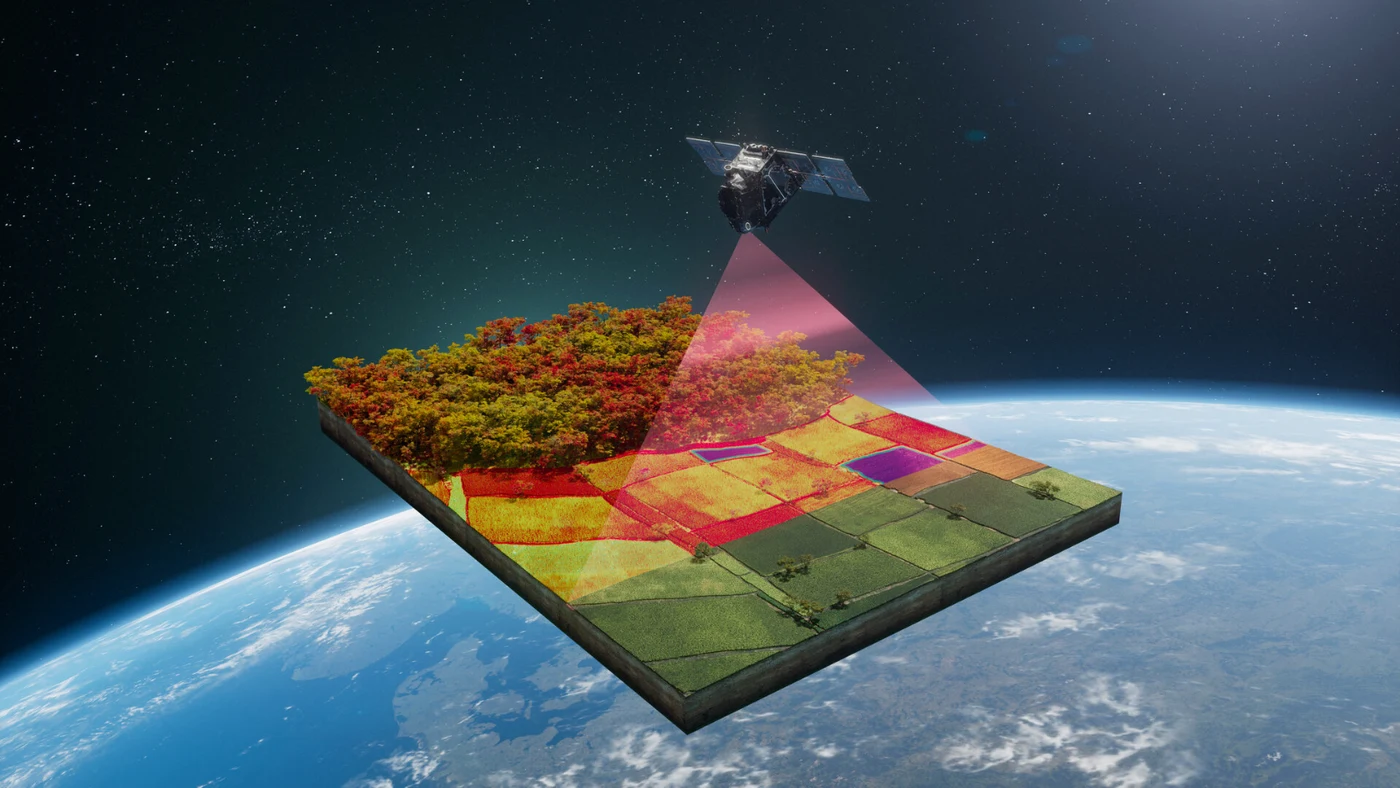
FLEX’s Fluorescence Imaging Spectrometer is designed to measure the weak glow released as plants photosynthesise. The signal varies with their health and environmental conditions. ESA expects global maps at 300 metres by 300 metres, observed from an altitude of 814 kilometres.
The intended benefit is an earlier view of vegetation under stress. ESA describes the measurements as a way to detect changes before they become apparent on the ground, improving scientists’ understanding of plant responses to drought, heat and changing rainfall.
Two missions with complementary measurements
Sentinel-3C carries four science instruments to continue observations of oceans, land, ice and the atmosphere. Its data support weather forecasting, environmental protection and climate research.
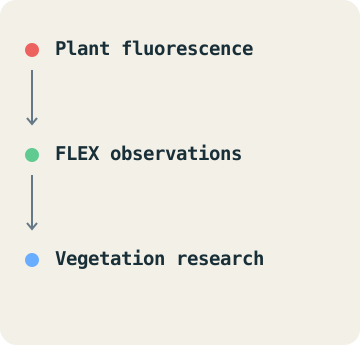
FLEX will initially work in tandem with Sentinel-3A. ESA’s mission plan says Sentinel-3 observations will supply context about clouds, aerosols, water vapour, surface temperature and land cover. Near-simultaneous measurements help researchers interpret the fluorescence signal.
Avio’s second flight as operator
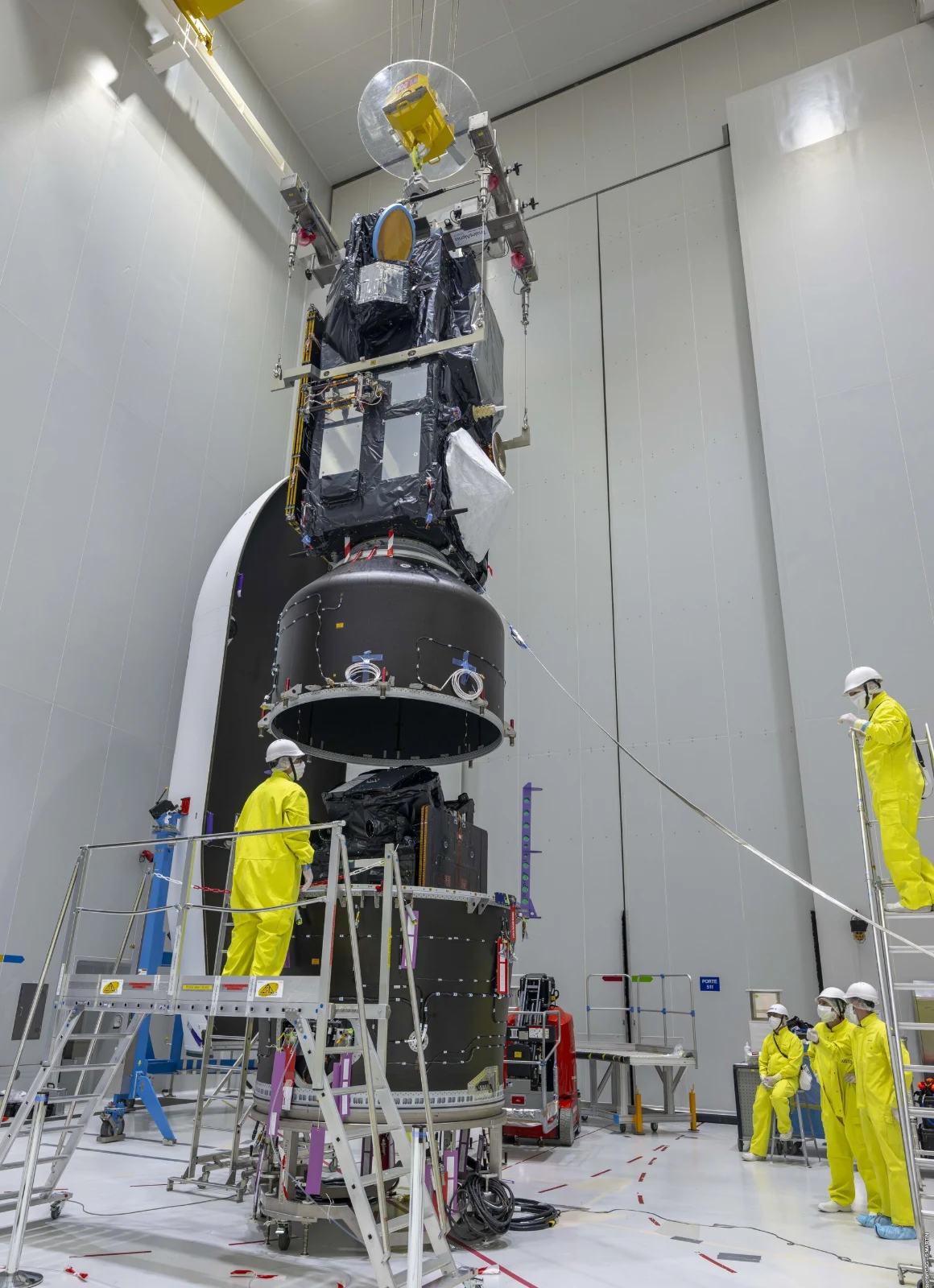
Avio identifies VV30 as its second Vega-C flight as launch operator. The planned sequence releases Sentinel-3C first, followed by FLEX, with 116 minutes from liftoff to the final separation.
For researchers, the combination offers two useful views of the same planet: continued measurements of its environment and a closer reading of how vegetation responds.