Nothing lined up to replace the space station has flown a crew
NASA funds the International Space Station to 2030 and has already bought the vehicle that will bring it down. Every company lined up to take over has money in the bank and no flight with a crew aboard.
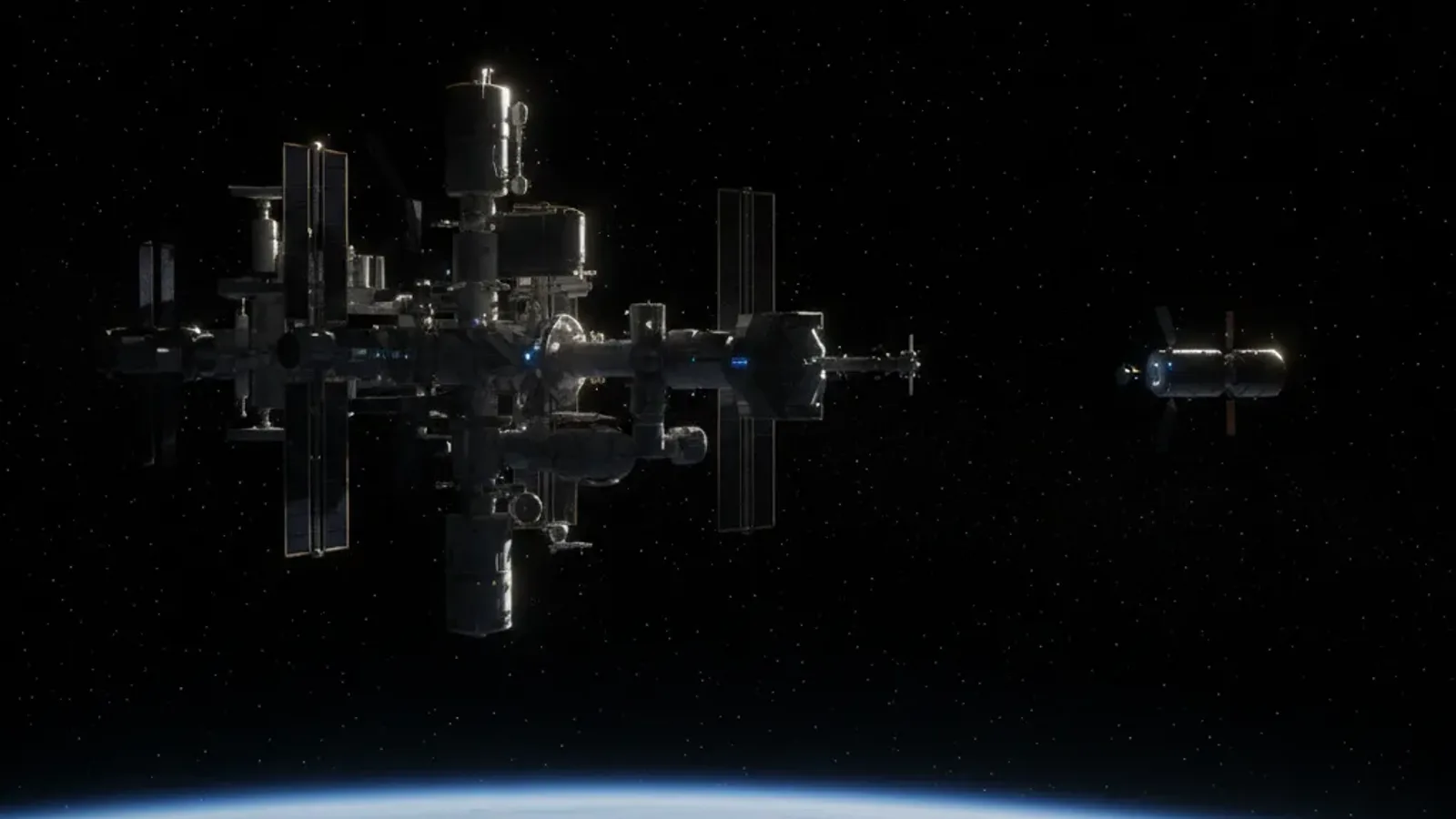
Somebody has been living in orbit since November 2000. Expedition 75 is aboard the International Space Station now, and NASA has introduced the crew flying up in September to replace part of it. Twenty-six years without a break is the best thing human spaceflight has done, and it is on course to end without anyone deciding to end it.
NASA commits to operating the station through 2030. The vehicle that will bring it down is already under contract: a modified Dragon, built by SpaceX under an award worth up to $843 million, owned and flown by NASA. Somebody has costed the ending, signed for it and put it in a diary.
Funded, and still on the ground
Vast raised $500 million in March and has signed a two-mission agreement with France and a memorandum with the UK Space Agency; its Haven-1 module has finished welding, pressure and load testing, and targets a Falcon 9 launch in 2027 for four-person, two-week stays. Axiom closed financing above $525 million in June and holds NASA’s order for a fifth private mission to the ISS. Sierra Space raised $550 million at an $8 billion valuation and wants to fly Dream Chaser without a crew before the year is out.
That is well over one and a half billion dollars raised in five months, which settles whether anyone wants to build these things. It leaves the harder part open. None of these stations has flown a crew, and Haven-1 is one module built for short visits, with room for four people for a fortnight. A 400-tonne laboratory staffed without a break for a quarter of a century is a different job, and several years of work sit between the two.
A break would be hard to undo
Skills decay when they stop being used: rendezvous operations, spacewalk procedure, the whole institutional muscle of running a shift rota 400 kilometres up. Ground teams hold on to those by exercising them on a live station. Stand the programme down for three years and the restart costs far more than turning the lights back on.
Tiangong meanwhile is crewed and running, and China has been turning its crews over smoothly, including the eighth handover in May. A western pause would leave China as the only country doing this on an ordinary week.
Judge them on hardware that has flown
There is a contract behind 2030, so treat the date as fixed and judge the companies filling the space afterwards on hardware that has carried people. Three questions cover the next eighteen months. Does Haven-1 launch in 2027. Does anybody fly a crew to a commercial free-flyer before 2029. And does NASA’s transition schedule ever admit that the private timelines underneath it have slipped.
The money is in. Until somebody rides one of these up and comes home again, it is still only money.
Sources
- NASA: ISS transition plan FAQnasa.gov
- NASA space station blog, 3 August 2026nasa.gov
- Vast on its $500m raisevastspace.com
- Axiom Space closes financing at over $525maxiomspace.com
- Sierra Space $550m Series Csierraspace.com