The stablecoin yield ban fight: six trillion dollars and a very nervous banking lobby
The most consequential fight in American finance right now concerns a single clause, and the stablecoin yield ban sits at the centre of it. The question sounds almost quaint: should digital dollars be allowed to pay their holders interest?
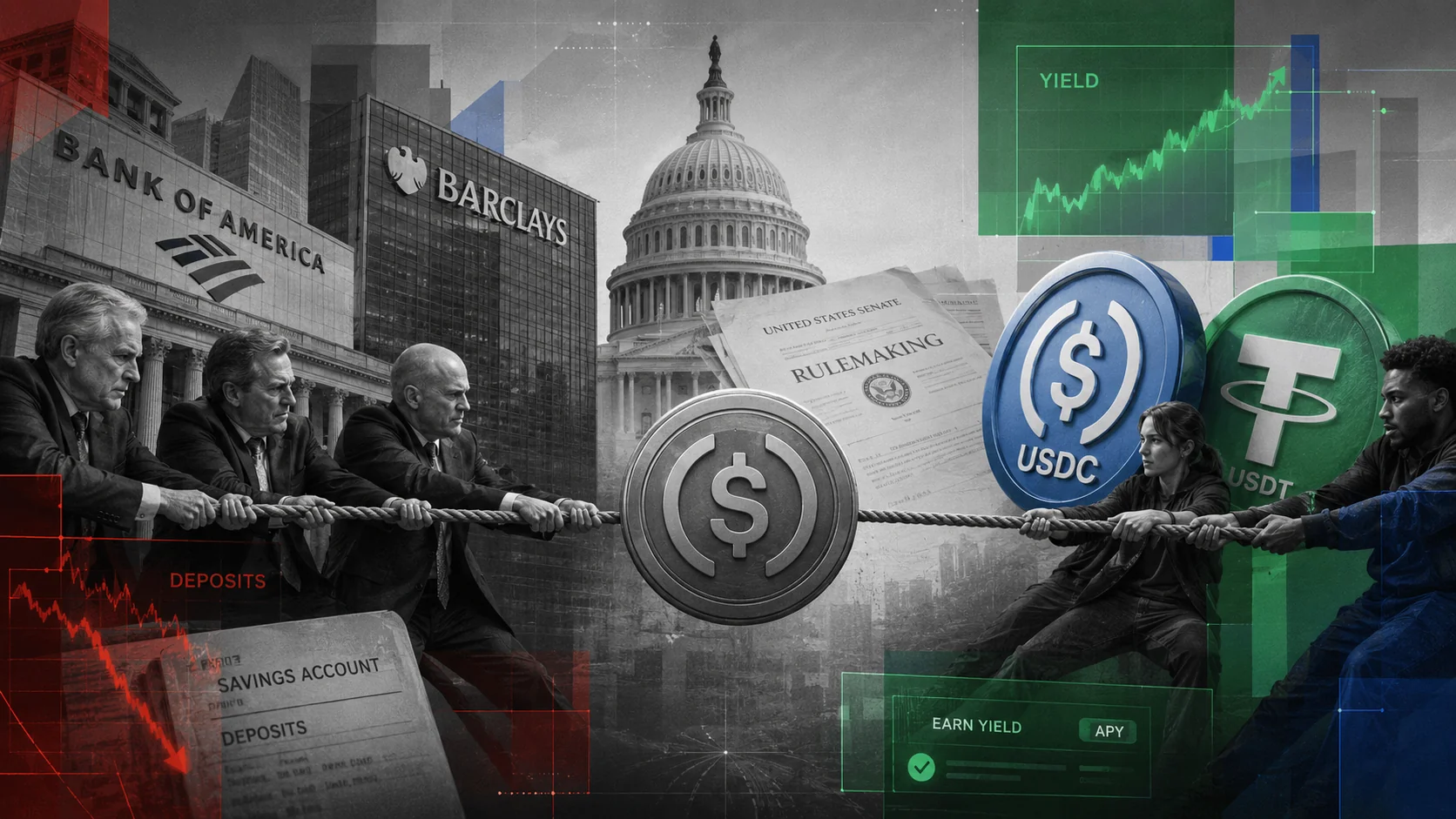
The most consequential fight in American finance right now concerns a single clause, and the stablecoin yield ban sits at the centre of it. The question sounds almost quaint: should digital dollars be allowed to pay their holders interest? Banks say yes would drain trillions in deposits and break the lending machine. The crypto industry says the banks are defending a monopoly on other people’s money. Between those positions sits the Senate’s stalled market structure bill, held hostage to the answer.
The number that frames the argument comes from Bank of America chief executive Brian Moynihan, who told analysts in January that as much as six trillion dollars, some 30 to 35 per cent of all US commercial bank deposits, could migrate into stablecoins if issuers were permitted to pay yield. He attributed the estimate to Treasury Department studies, and the figure has anchored the debate ever since. His logic is orthodox banking: stablecoins resemble money market funds, parking reserves in short-dated Treasuries rather than recycling them into loans, so every dollar that leaves a deposit account shrinks the base that funds mortgages and small business credit.
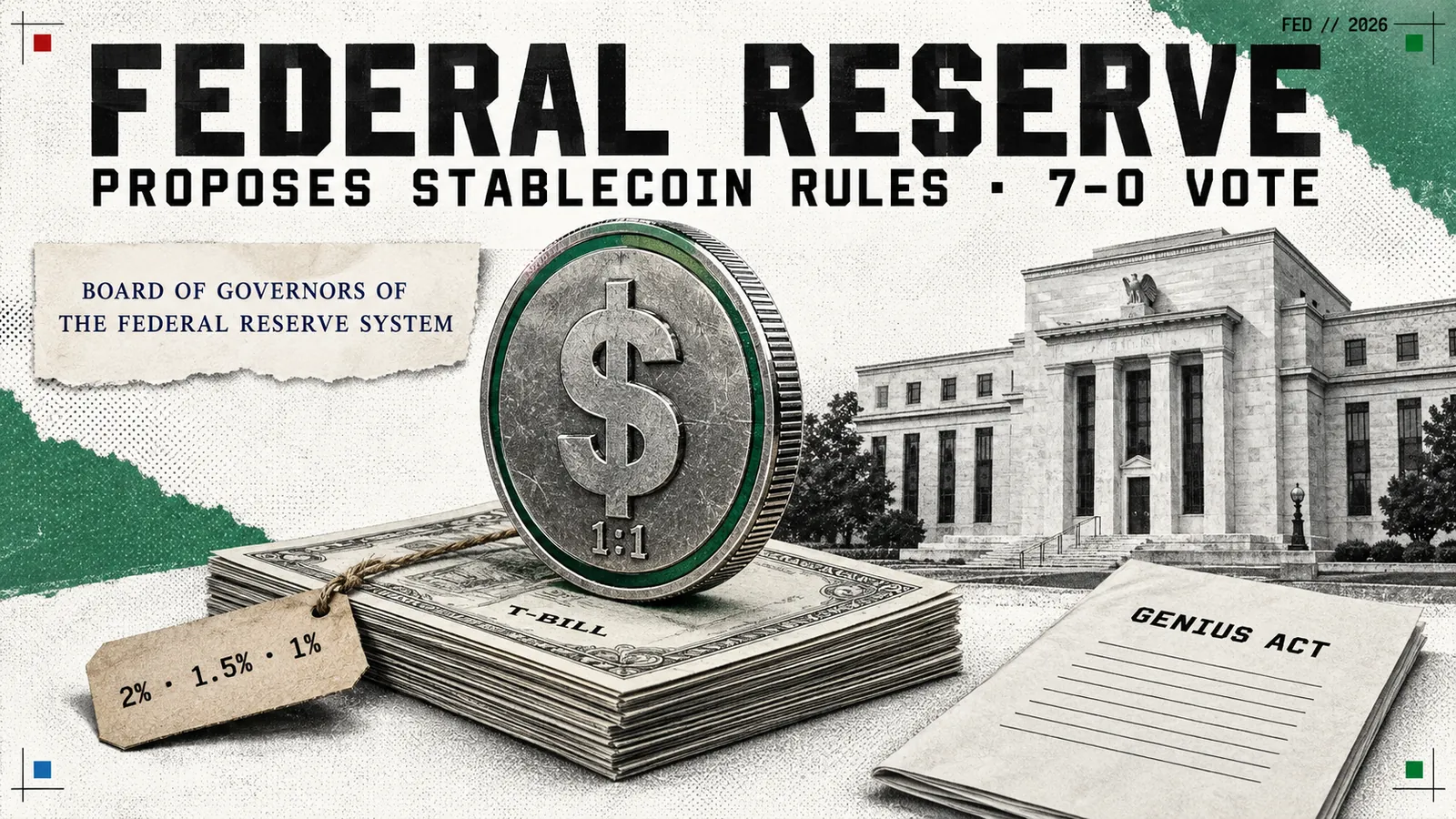
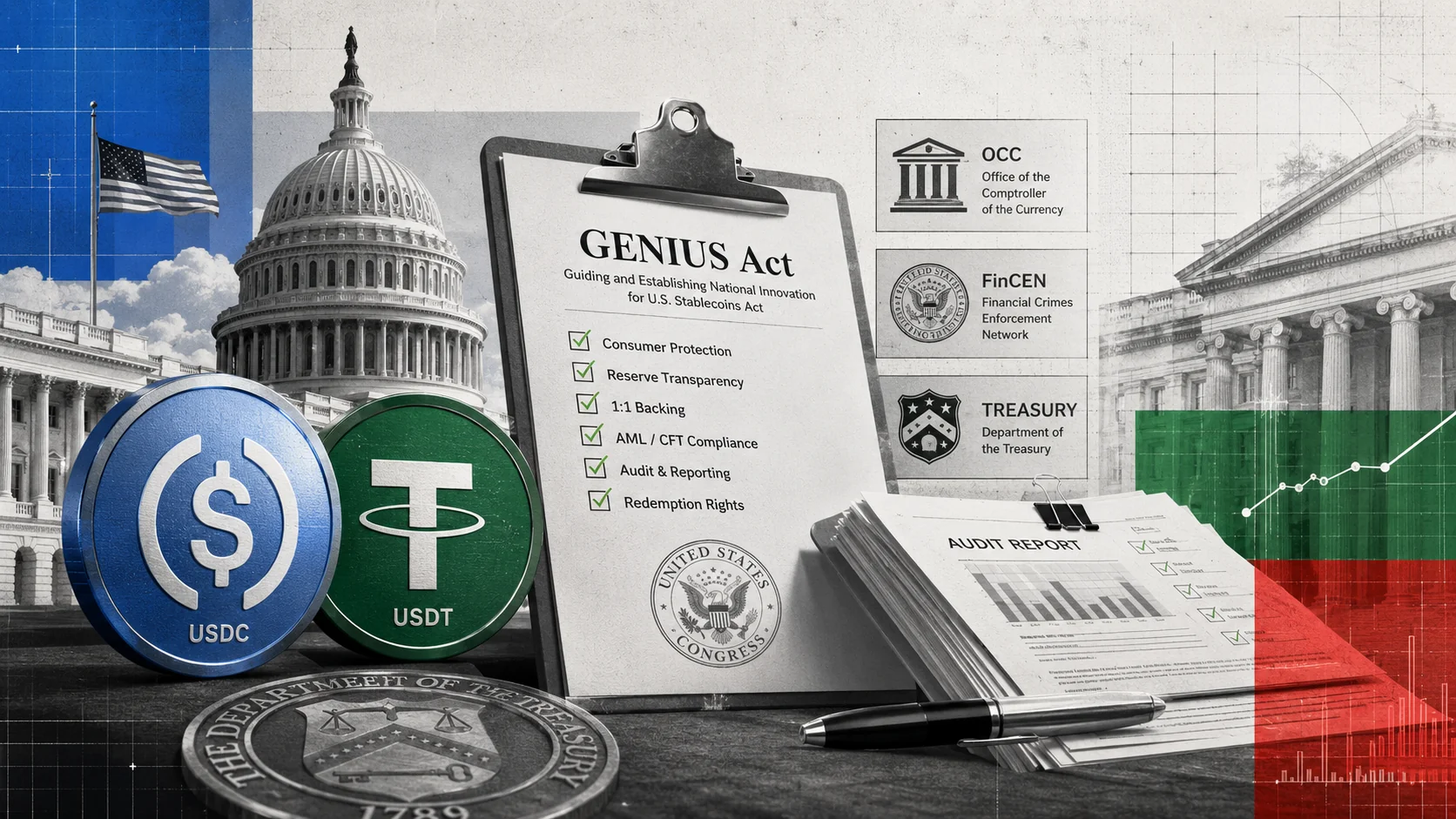
The GENIUS Act already contains a stablecoin yield ban of sorts, prohibiting issuers from paying interest directly, a clause the banking lobby fought for and won. The result is one of the odder arrangements in modern finance: tens of millions of holders collectively finance a float in the hundreds of billions, and the entire risk-free return on that float accrues to issuers and their distribution partners. Tether’s profitability suggests the arrangement suits at least one party very well.
The current battle is over the loopholes. Issuers cannot pay interest, but exchanges and affiliates have offered rewards for holding, and the American Bankers Association has urged senators to close what it calls dangerous gaps. A compromise under discussion would ban passive interest outright while permitting activity-based rewards tied to staking, liquidity provision or collateral posting. Coinbase, for its part, withdrew support for an earlier draft it deemed anti-competitive, arguing the amendments existed to eliminate competition to banks.
Meanwhile the banks themselves are hedging, which tells its own story. Barclays has taken a stake in Ubyx, the clearing network built to let banks and fintechs redeem stablecoins at par across issuers, the first direct stablecoin infrastructure investment by a major bank since the yield fight broke into the open. One does not buy the plumbing for a technology one expects to fail. Details of the bank’s ventures activity sit at Barclays; Bank of America’s official positions are published via its newsroom.
The economics underneath are stark. With short rates elevated and possibly rising further, the gap between what a chequing account pays and what a Treasury bill earns is wide enough to make a yield-bearing digital dollar genuinely attractive to ordinary savers. That is exactly what the banking system fears, and exactly what crypto advocates think savers deserve.
Expect the stablecoin yield ban question to decide more than stablecoins. It has become the hinge on which the CLARITY Act swings, the proxy war between two financial systems, and a live experiment in whether Congress protects incumbency or competition. Six trillion dollars is a large number to hang on a subordinate clause, but here we are.
The collision of calendars sharpens everything. The GENIUS Act’s implementing rules are due this very week, and how the agencies define prohibited interest versus permissible rewards will effectively arbitrate the fight before the Senate does. Draft language distinguishing passive holding from staking, liquidity provision and collateral posting reads like a treaty line drawn through a battlefield, and both camps are lobbying over every word. Foreign regulators are watching closely too, since whatever settlement Washington reaches on yield will become the reference point for London, Brussels and Singapore, none of which relishes refereeing the same fight twice.
Sources
- Barclayshome.barclays
- Bank of Americanewsroom.bankofamerica.com