LongCat-2.0 trained without a single Nvidia chip
Meituan disclosed LongCat-2.0 on 2 July, a 1.6 trillion parameter mixture of experts model, and attached one detail that will be studied in Washington more closely than any benchmark.
Listen to this articleListen
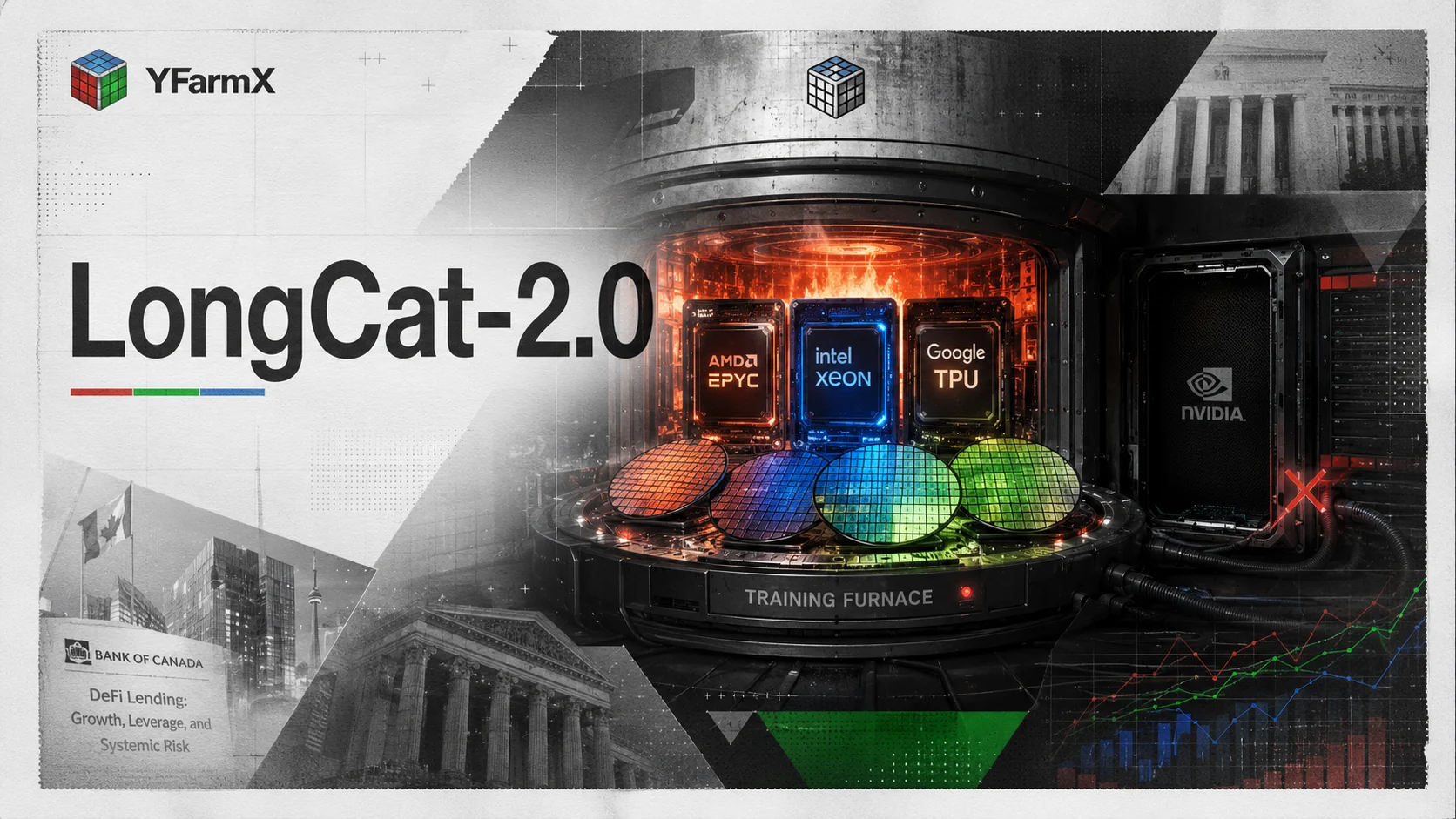
Meituan disclosed LongCat-2.0 on 2 July, a 1.6 trillion parameter mixture of experts model, and attached one detail that will be studied in Washington more closely than any benchmark. LongCat-2.0 was trained entirely on Chinese application specific integrated circuits, with no Nvidia hardware involved at any stage.
The performance is competitive without being record breaking, which is the point. LongCat-2.0 scores 59.5 on SWE-bench Pro and runs at $0.038 per million tokens with free cache hits, which is roughly two orders of magnitude below the flagship Western models. The model had been serving anonymously as Owl Alpha before the disclosure and ranks among the highest volume models on OpenRouter, meaning that developers were already using it at scale without knowing its provenance or its training hardware.
Export controls on advanced accelerators were designed on a straightforward theory: restrict the hardware and you restrict the models. LongCat-2.0 is the clearest evidence to date that the theory has a shelf life. A Chinese food delivery company, not a dedicated AI laboratory, trained a 1.6 trillion parameter model on domestic silicon and released it at a price that makes Western inference look like a luxury good. The chips are almost certainly less efficient than the restricted alternatives. At sufficient scale, and with sufficient state support for the fabrication base, that becomes a cost problem, and no longer a capability ceiling.
The pricing deserves separate consideration. At $0.038 per million tokens, LongCat-2.0 is not competing on margin. It is competing on the assumption that inference should be close to free and that value accrues elsewhere, in applications, in data, in distribution. That is a familiar strategy from the Chinese consumer internet and it is now being applied to foundation models. Western laboratories charging $10 and $50 per million tokens for frontier access are operating on the opposite assumption.
The aggregate trend is visible in the routing data. Chinese open weight models now account for roughly 30 per cent of usage on OpenRouter, up from 1.2 per cent eleven months earlier. That shift has been driven by Z.ai’s GLM-5.2, Moonshot’s Kimi series, MiniMax M3, DeepSeek and now Meituan, and it reflects developers making a cost calculation, with geopolitics some way down the list. Most of these models are good enough for most tasks at a fraction of the price, and the routing layer makes switching close to costless.
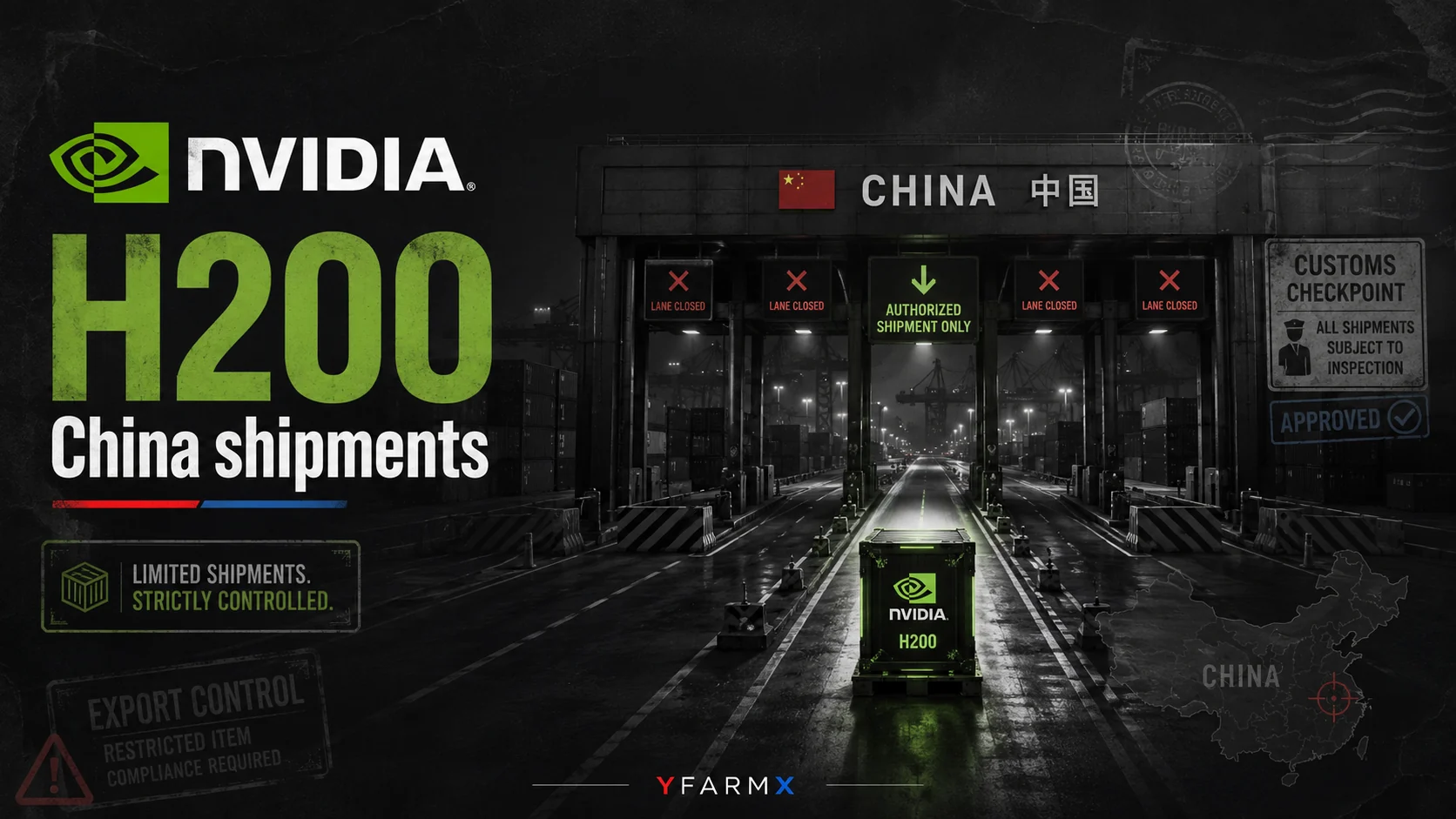
For anyone assessing the effectiveness of American export policy, the LongCat-2.0 disclosure sits awkwardly alongside the news from twelve days later that Nvidia H200 shipments to China had restarted in what a senior Commerce official described as trivial volumes. The restricted market is buying very little of what it is now permitted to buy, partly because Beijing discourages it, and partly because domestic alternatives have proved adequate for training a model of this scale.
Two caveats apply. Meituan has not published detailed training infrastructure documentation, so the claim rests on the company’s own disclosure. And a 1.6 trillion parameter mixture of experts model is large in total parameters while activating a small fraction of them per token, which reduces the hardware demand relative to a dense model of the same size. Neither point undermines the central fact, which is that a frontier scale training run completed without restricted hardware.
Meituan is not alone in the pattern. Shanghai AI Lab released Agents-A1 on 7 July, a 35 billion parameter mixture of experts model built on Qwen3.5 for long horizon agent work with a 256,000 token context window, under Apache 2.0 with quantised variants. Z.ai shipped ZCode, an agentic coding environment on GLM-5.2 running at 173 tokens per second with a 1.4 second time to first token.
The strategic conclusion for Western product teams is practical. LongCat-2.0 and its peers should be in the routing table, tested on the workloads that consume the most tokens, with the frontier models reserved for work that genuinely needs them. The cost difference is large enough to change what a business can afford to build.
Sources
- Huggingfacehuggingface.co
- Longcatlongcat.chat
- Openrouteropenrouter.ai