Google Willow produces 99.99% fidelity quantum magic states
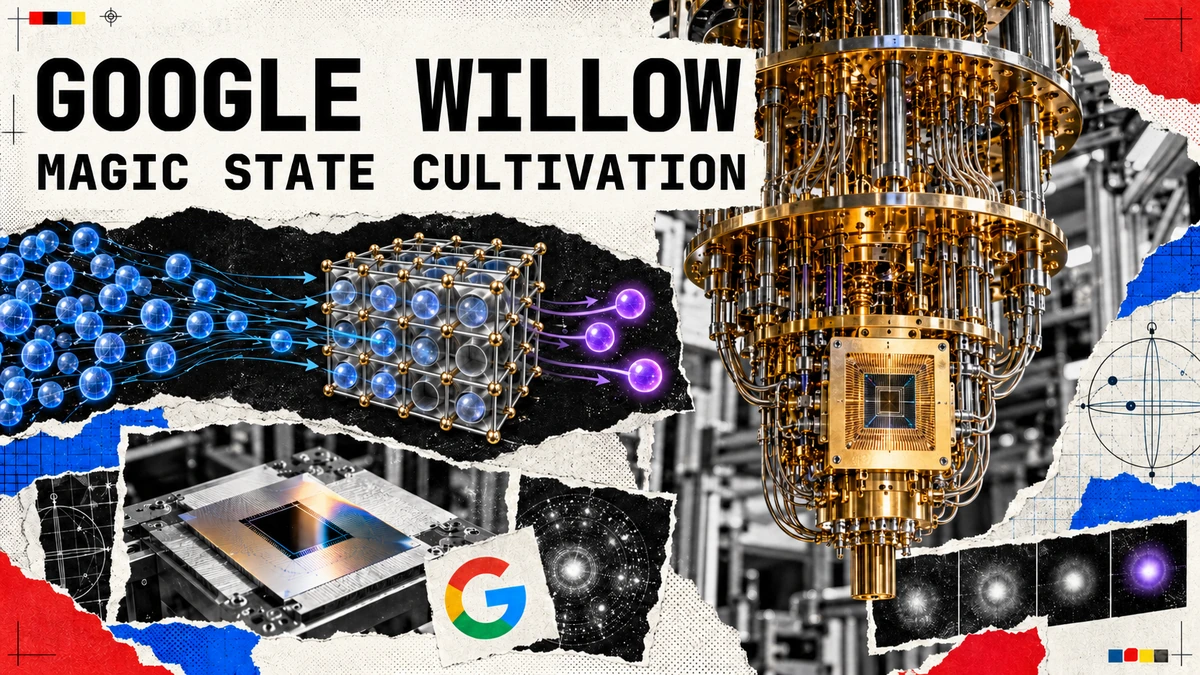
Google's Willow experiment reduced magic-state errors 40-fold. Its 99.99% fidelity result retained 8% of attempts, making yield central to the engineering picture.
Quantum News
The desk's complete reporting record, newest first.
Google's Willow experiment reduced magic-state errors 40-fold. Its 99.99% fidelity result retained 8% of attempts, making yield central to the engineering picture.
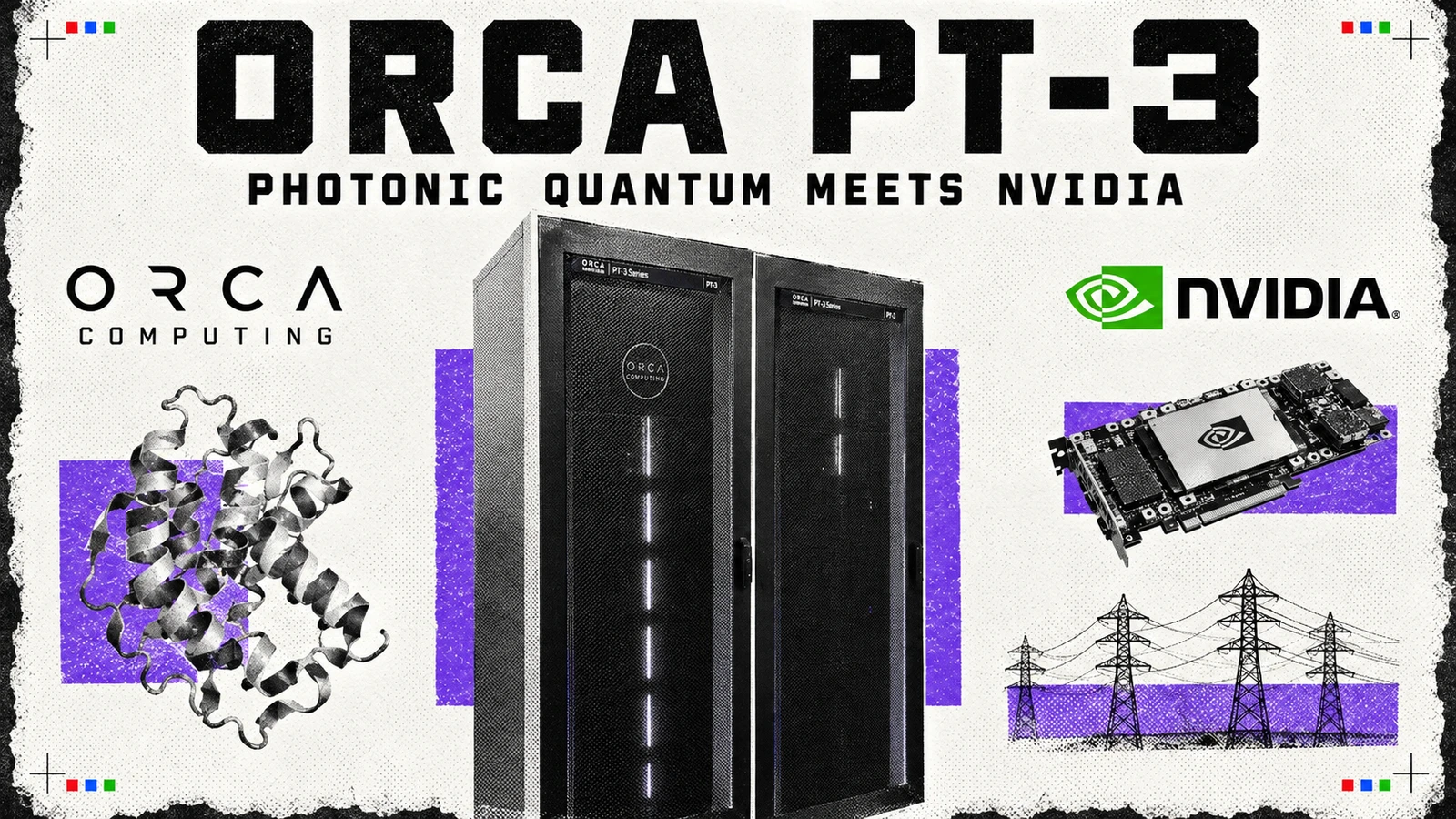
ORCA launched its PT-3 alongside NVIDIA computing in London, reporting better protein-design results and a faster energy-scheduling workflow than its previous generation.
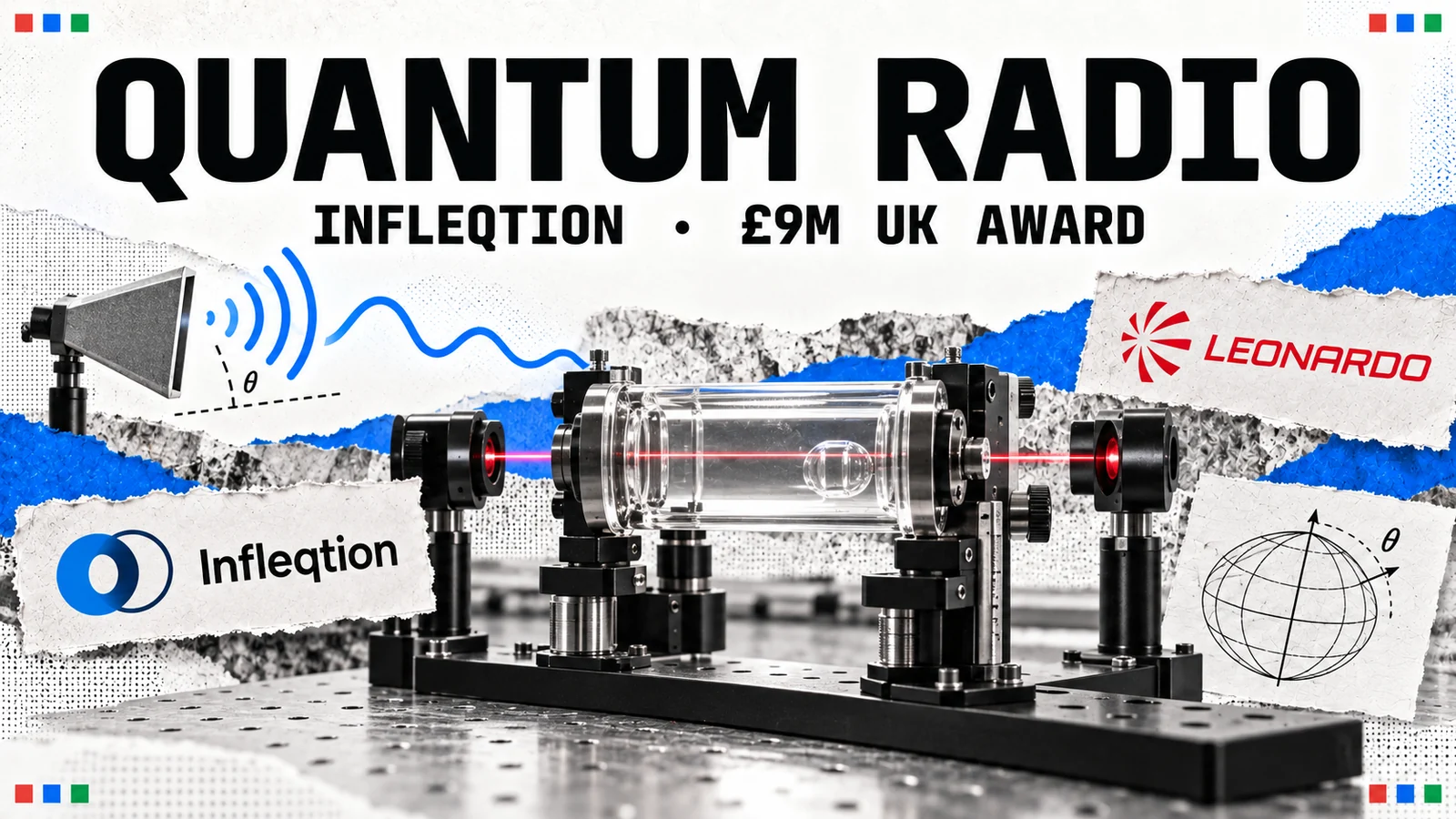
Innovate UK awarded Infleqtion £9 million to develop deployable Rydberg-atom radio direction-finding equipment with Leonardo, building on the QuDiFi prototype project.
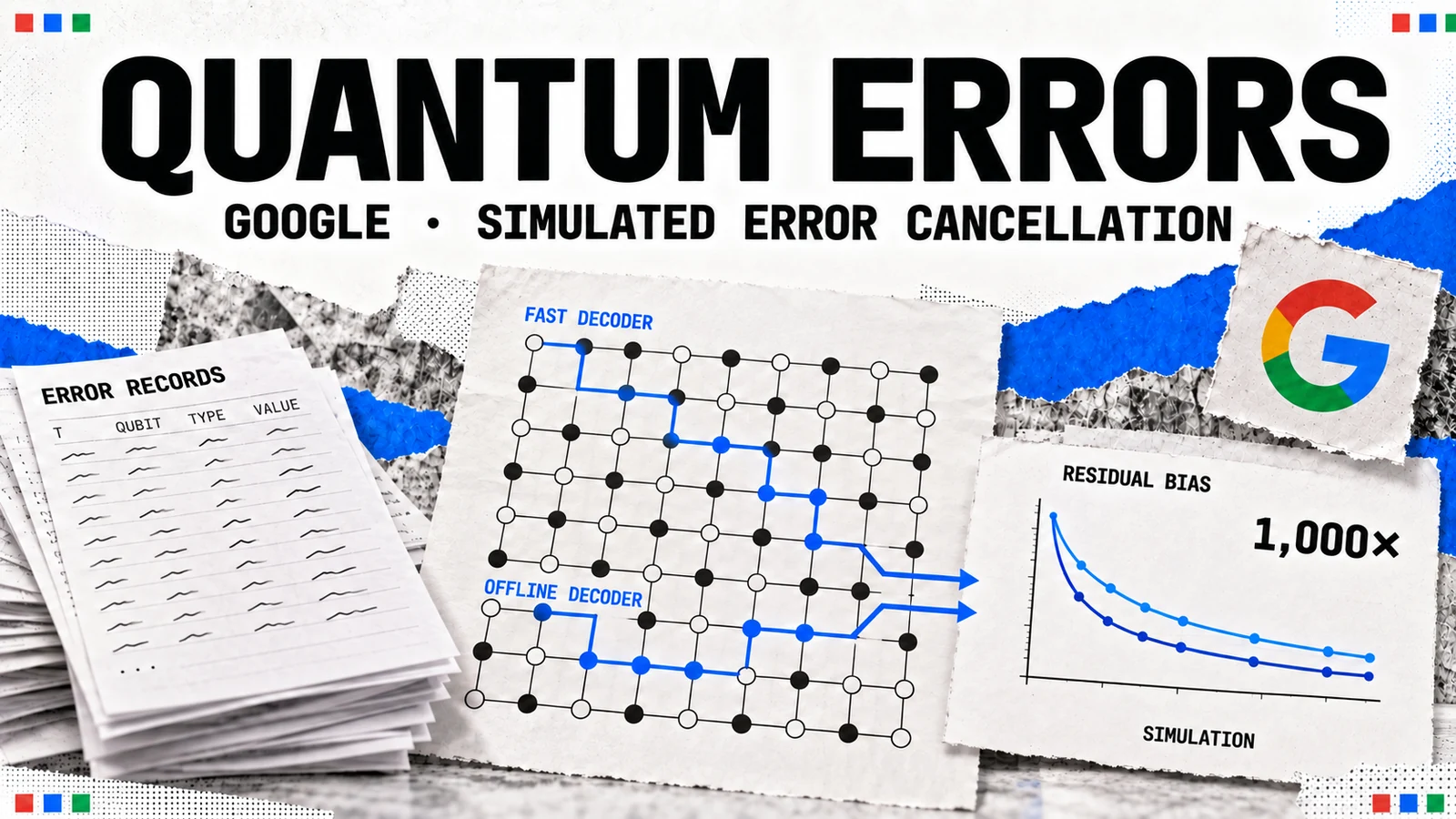
Google Quantum AI researchers propose using saved error records and two decoders to reduce statistical bias after quantum execution. The headline result comes from simulations.
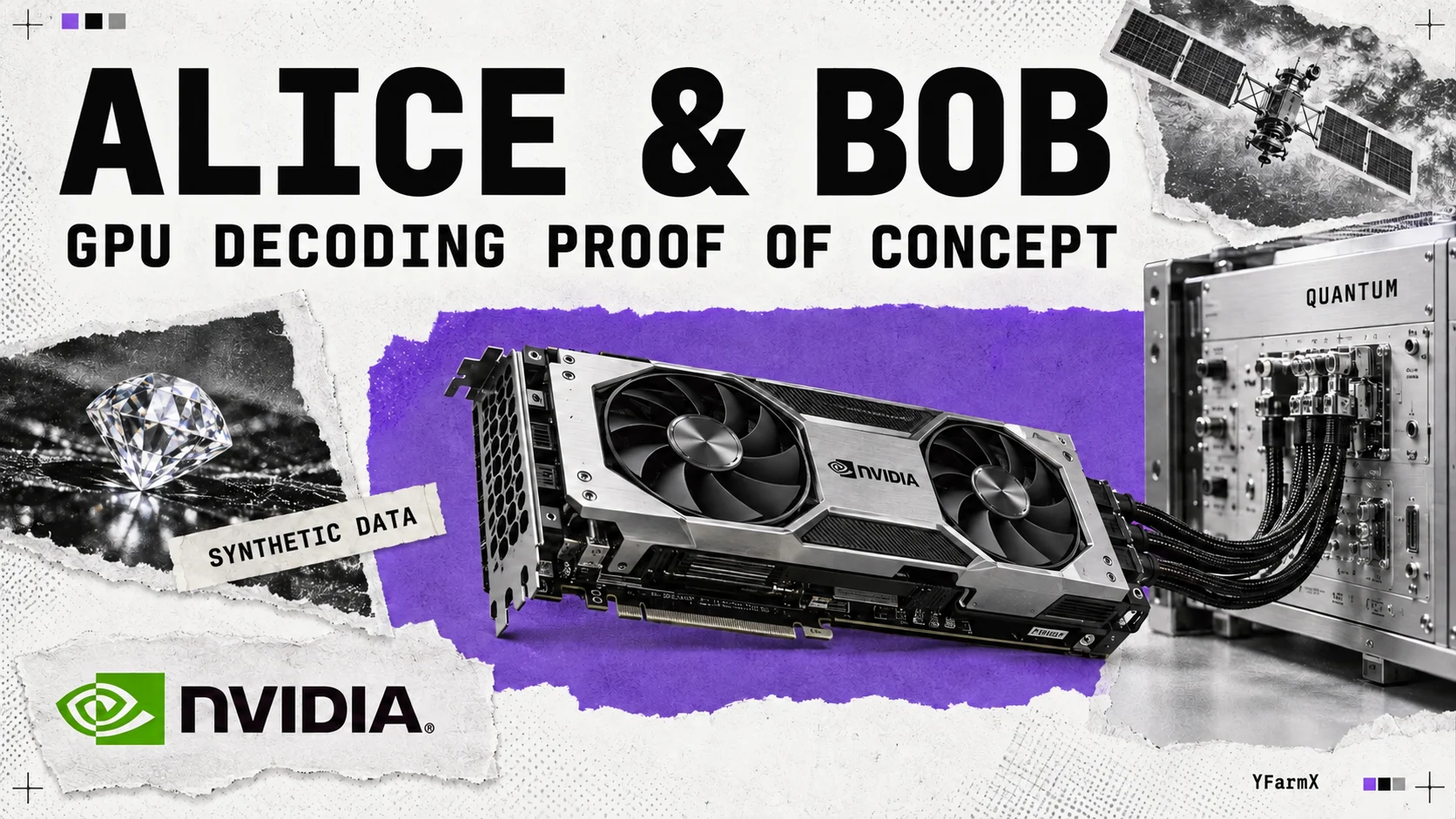
Alice & Bob reports a synthetic-data GPU decoding test. Fujitsu's diamond-spin prototype and SEALSQ's satellite-security investment show other quantum developments.
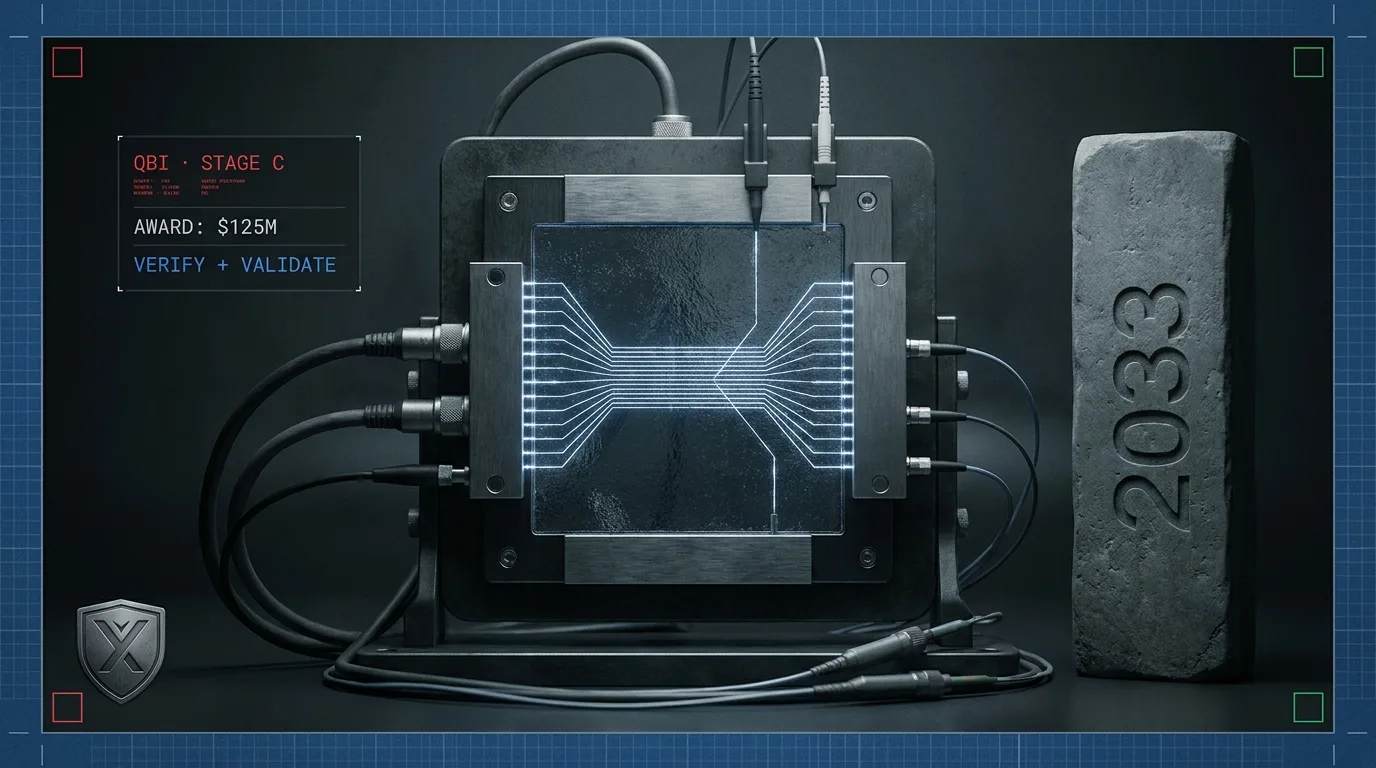
IBM, IonQ, Atom Computing and Diraq enter DARPA's final verification stage, testing plans for quantum computers whose value exceeds their cost by 2033.
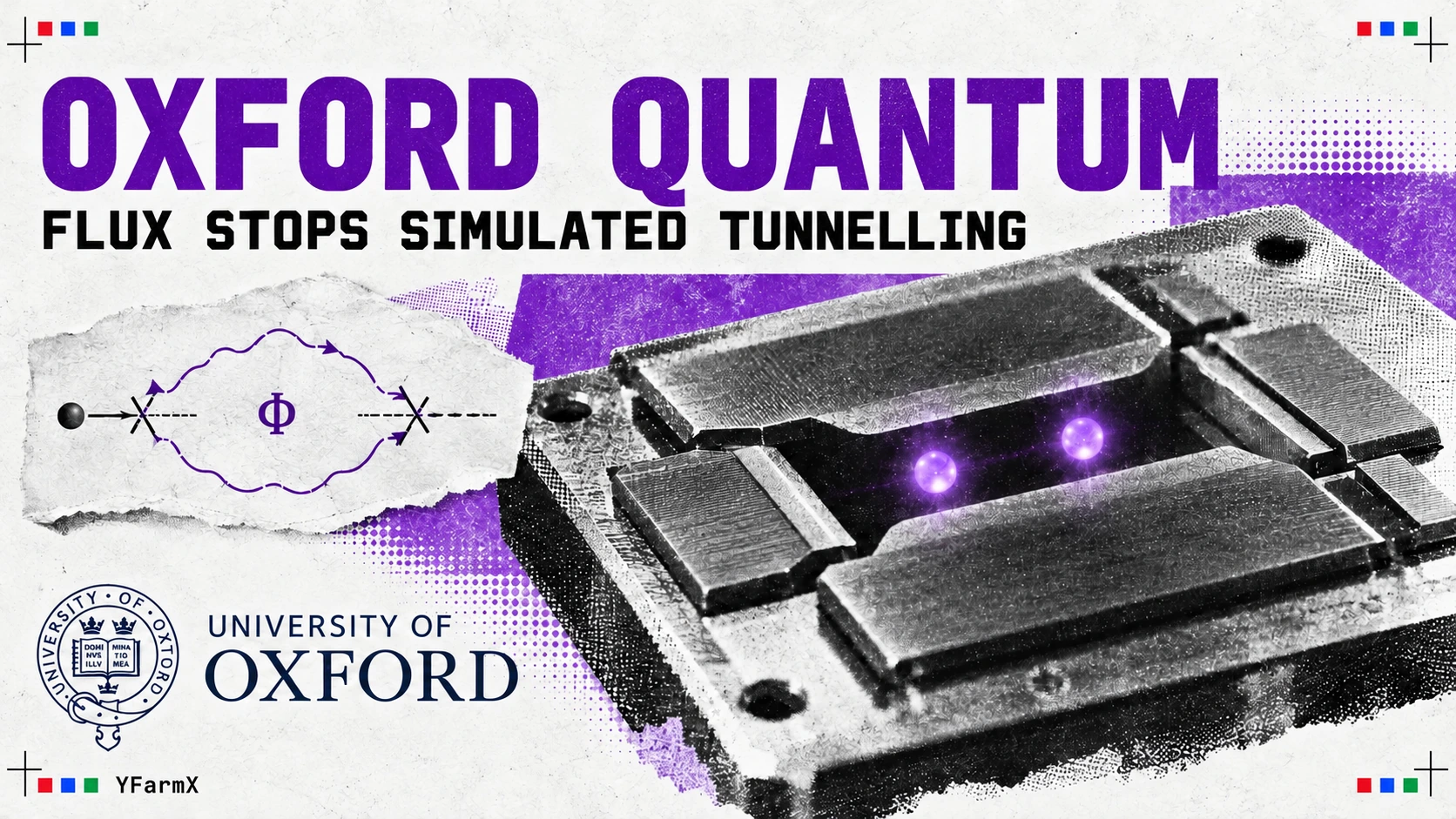
Oxford physicists used qubits and vibrating trapped ions to observe magnetic-flux interference in a simulated particle system. The study appeared in Nature Physics on 25 September.
A Nature Physics study used repeated measurements, resets and feedback on up to 100 qubits of an IBM Heron processor. The experiment probes control of quantum chaos.
IonQ reported a 1.03 kHz entanglement rate between a trapped-ion qubit and a silicon-vacancy memory. The preprint reports 87.9% Bell-state fidelity for the heterogeneous link.
Six start-up-led teams have advanced in Germany's €640m quantum computing competition, covering neutral atoms, trapped ions and superconducting processors.
Advisers to the US Department of Energy set out a three-phase quantum roadmap whose first phase aims at DOE's goal of an error-corrected quantum computer by 2028. Under Secretary Darío Gil announced it on 17 September 2026. Their illustrative 2028 range is about 50 to 100+ logical qubits.
Quantum computing could eventually cut 3 to 7 gigatonnes of CO2-equivalent a year, the BCG Institute estimated on 17 September 2026. Its own footprint would be about 0.09 gigatonnes in 2040, against 1.31 for data centres at BCG's midpoint, and only 10% to 15% of the savings would arrive by 2040.
D-Wave opened a beta of its gate-model quantum simulator on 1 October 2026 to customers including BBVA, FirstQFM, Florida Atlantic University and the Jülich Supercomputing Centre. It models up to 21 of the dual-rail qubits D-Wave is building.
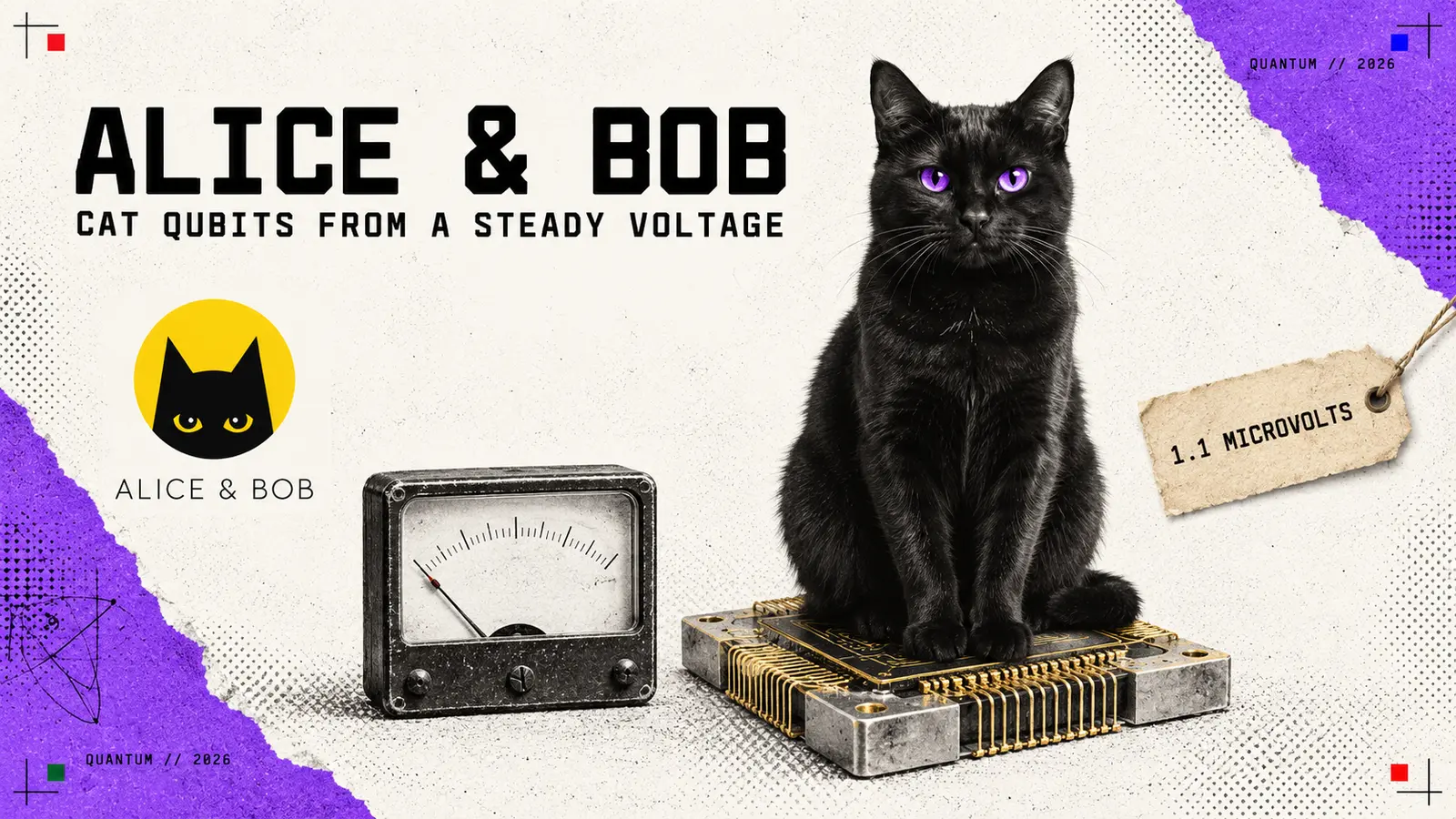
Alice & Bob and ENS Lyon made a superconducting memory lose its photons in pairs with a steady bias of about 1.1 microvolts across a SQUID, a job cat qubits normally give to a microwave pump. Alice & Bob announced the result on 30 September 2026.
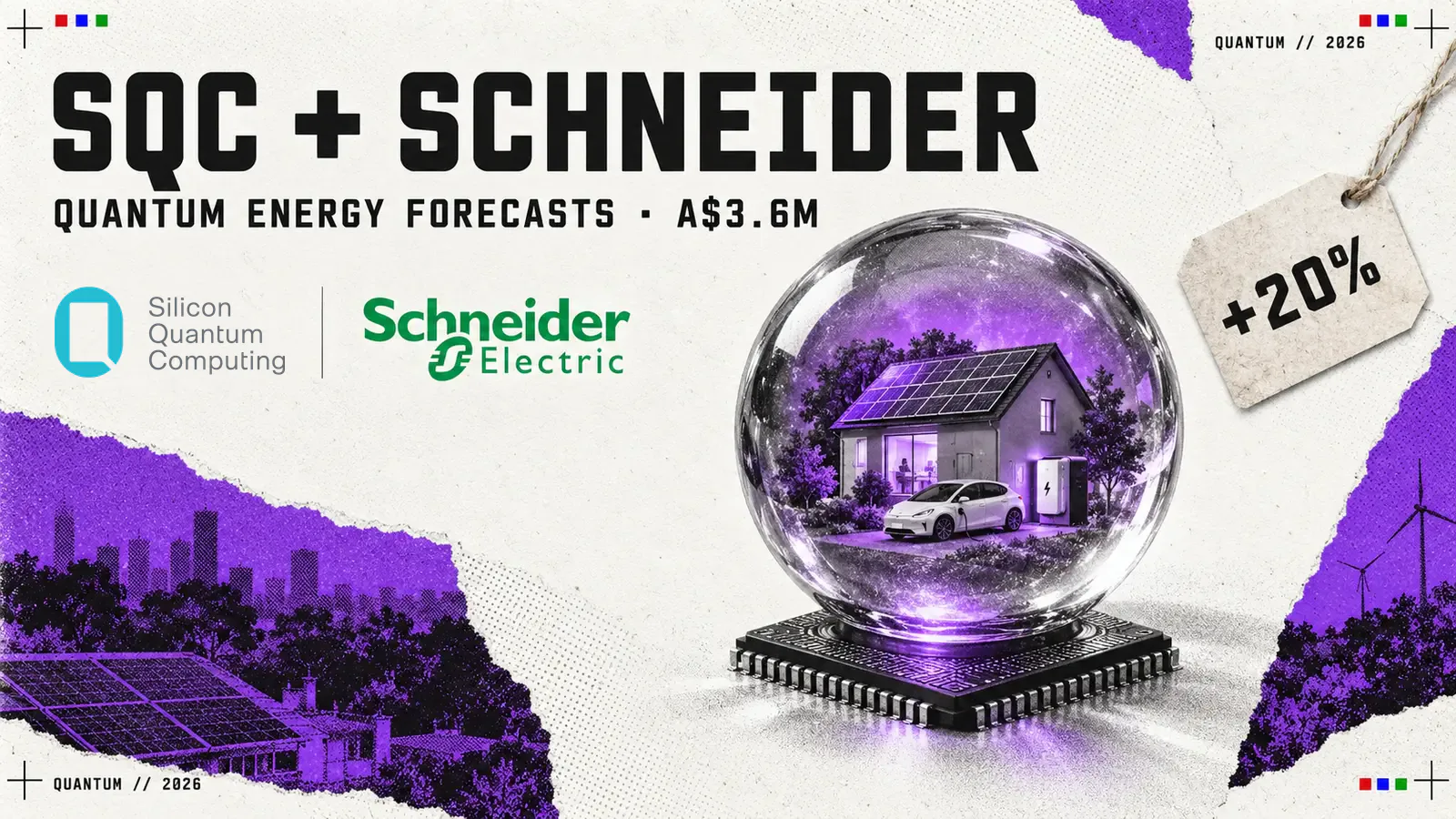
On 2 October 2026, Silicon Quantum Computing and Schneider Electric reported an average 20% improvement in the accuracy of next-day energy forecasts, with gains up to 41%, using SQC's Watermelon chip on 12 months of data. Australia has granted the pair A$3.6m (US$2.5m) for the next stage.
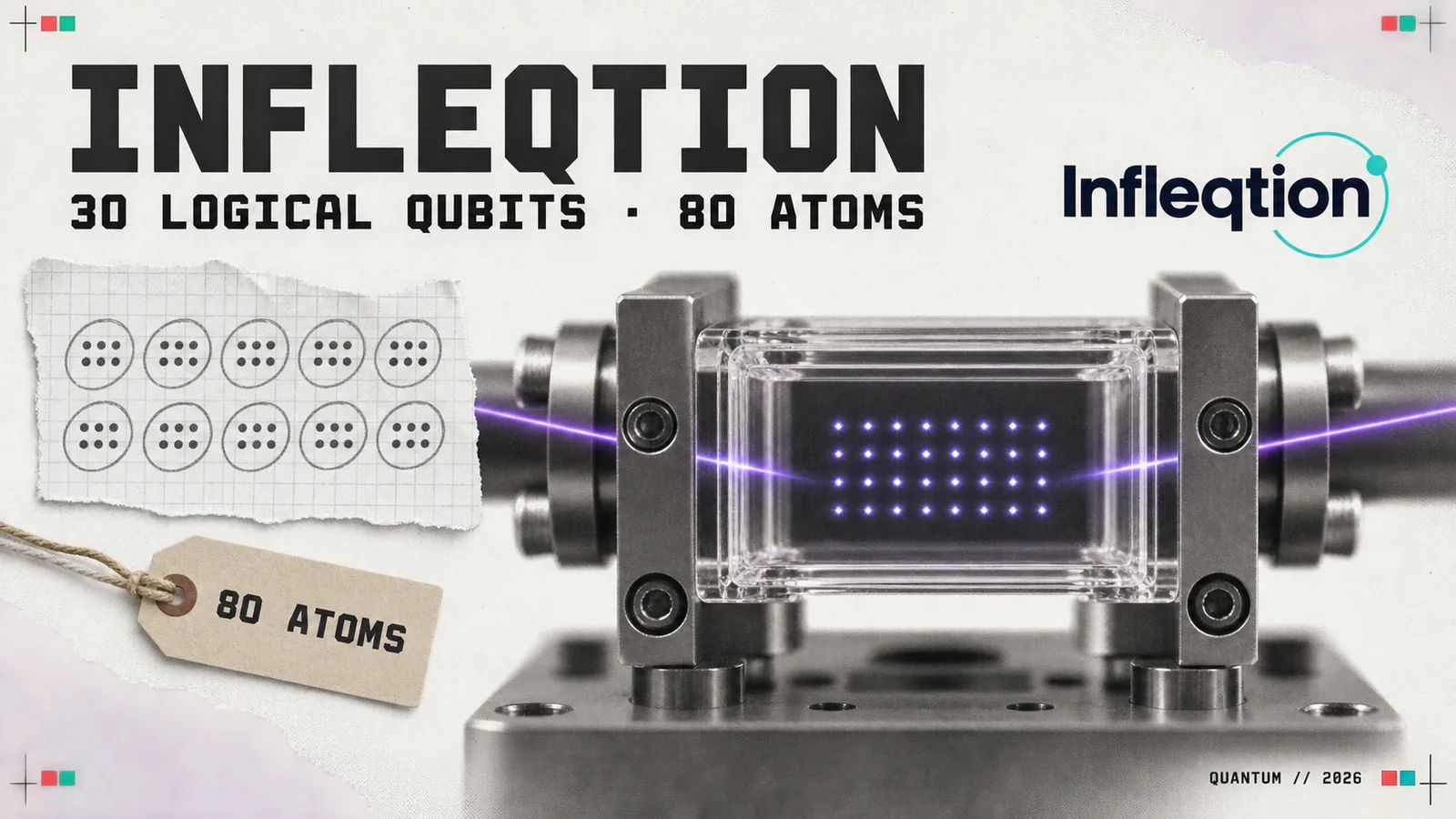
Infleqtion said on 24 September 2026 that it entangled 30 logical qubits, encoded in 80 atoms, on its commercial Sqale quantum computer, helped by an entangling gate found with an AI model. It targets 100 logical qubits in 2028.
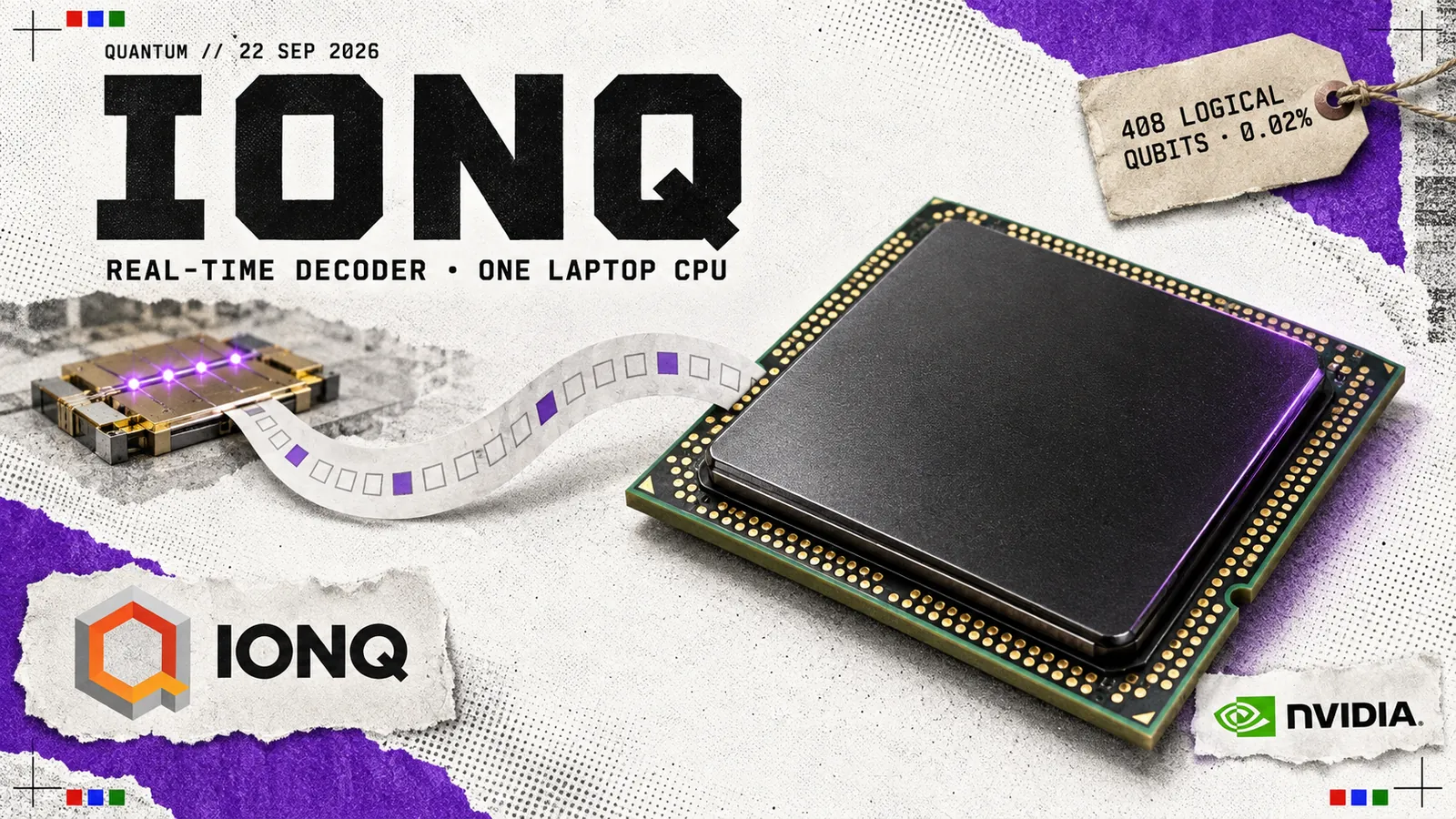
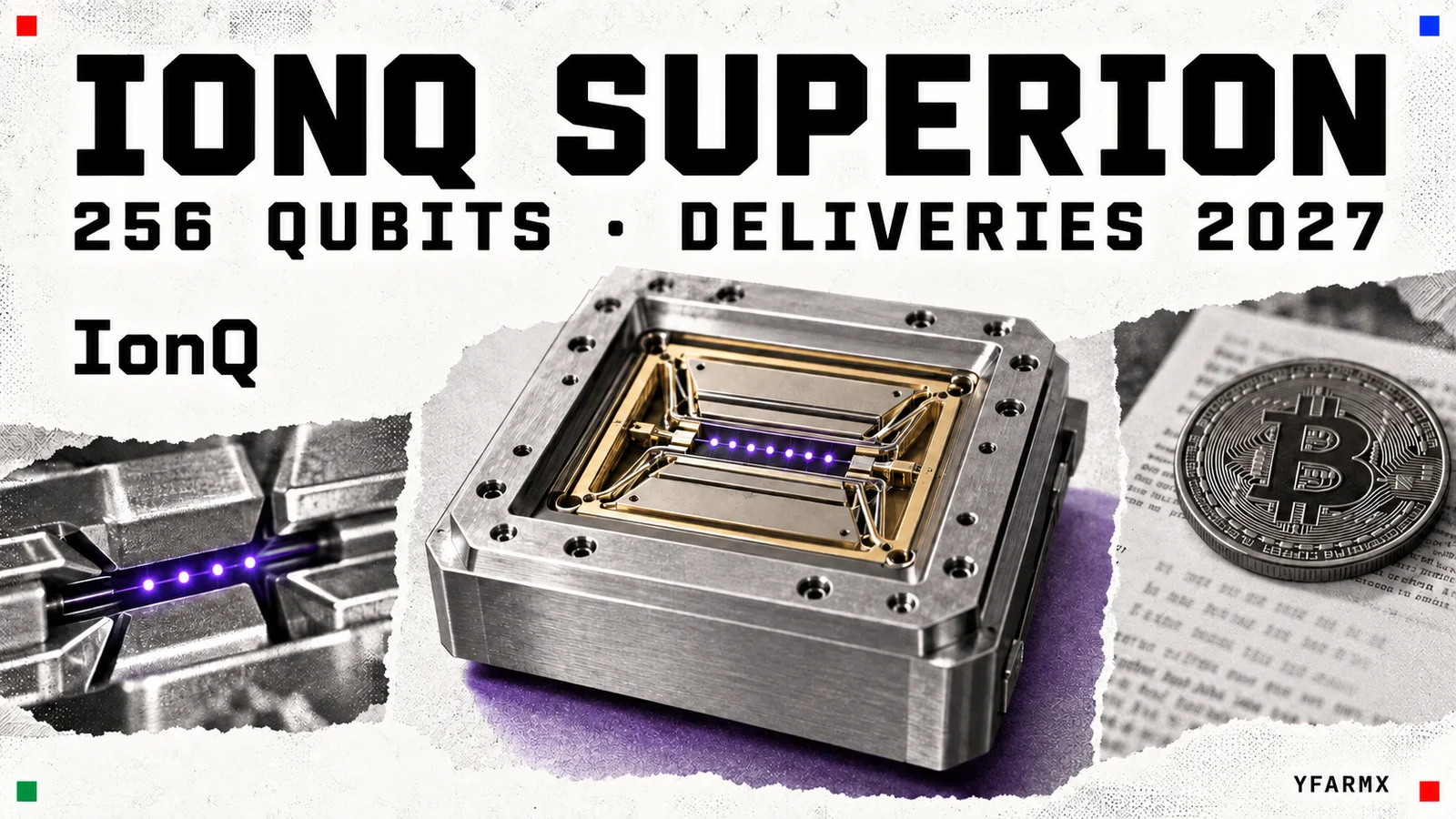
IonQ said on 22 September 2026 that its decoder kept pace with a simulated 408-logical-qubit machine on one Apple M4 Max chip, adding 0.02% to run time. On 23 September it said a Superion 256 will be installed at Nvidia's Boston quantum research centre in 2027.
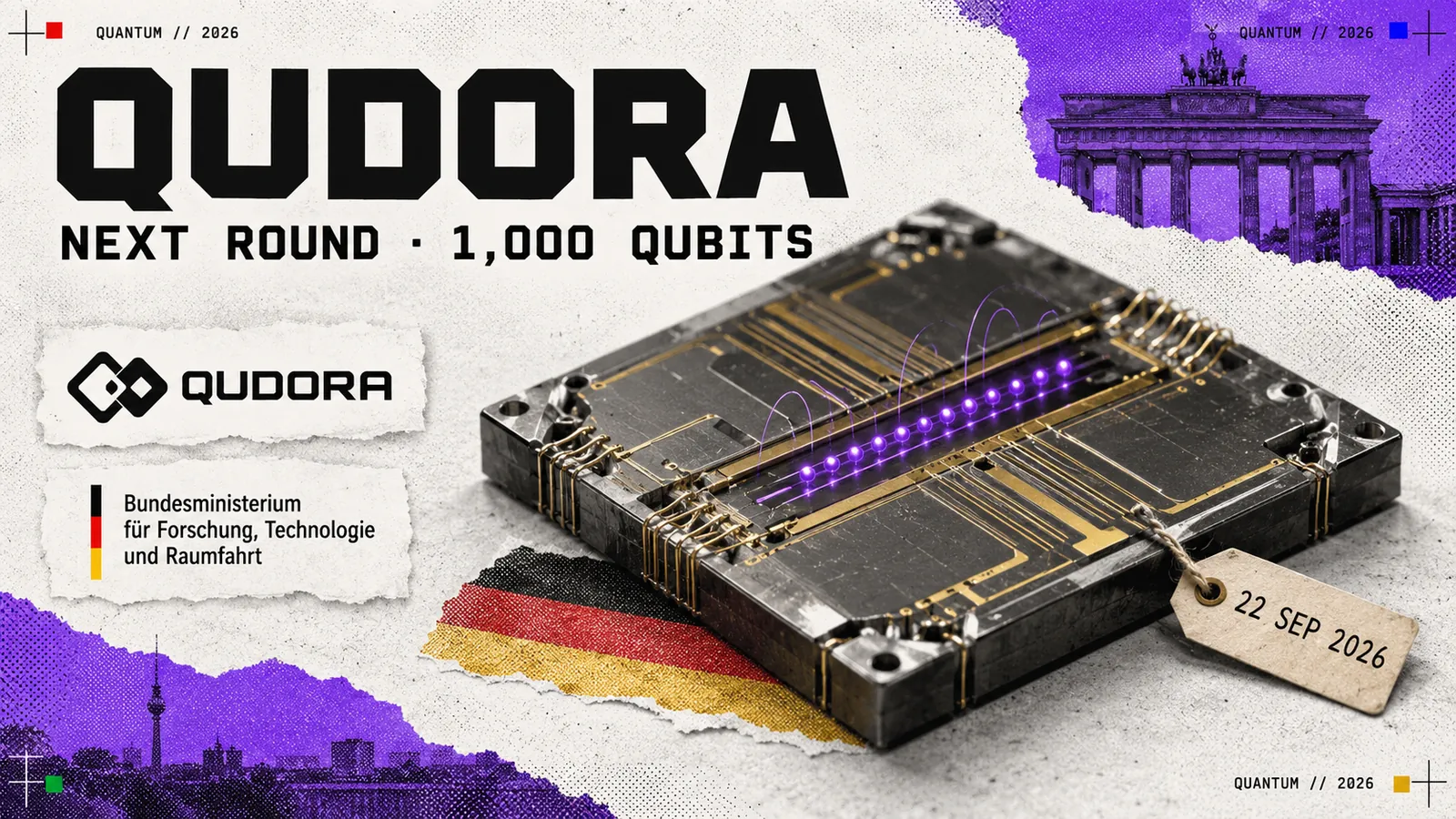
Germany's research ministry has put a seven-member consortium led by the start-up QUDORA through to the next round of its contest to build a trapped-ion quantum computer with at least 1,000 physical and 50 logical qubits. The NFQC-1k project totals about €122m ($139.8m) over up to five years.
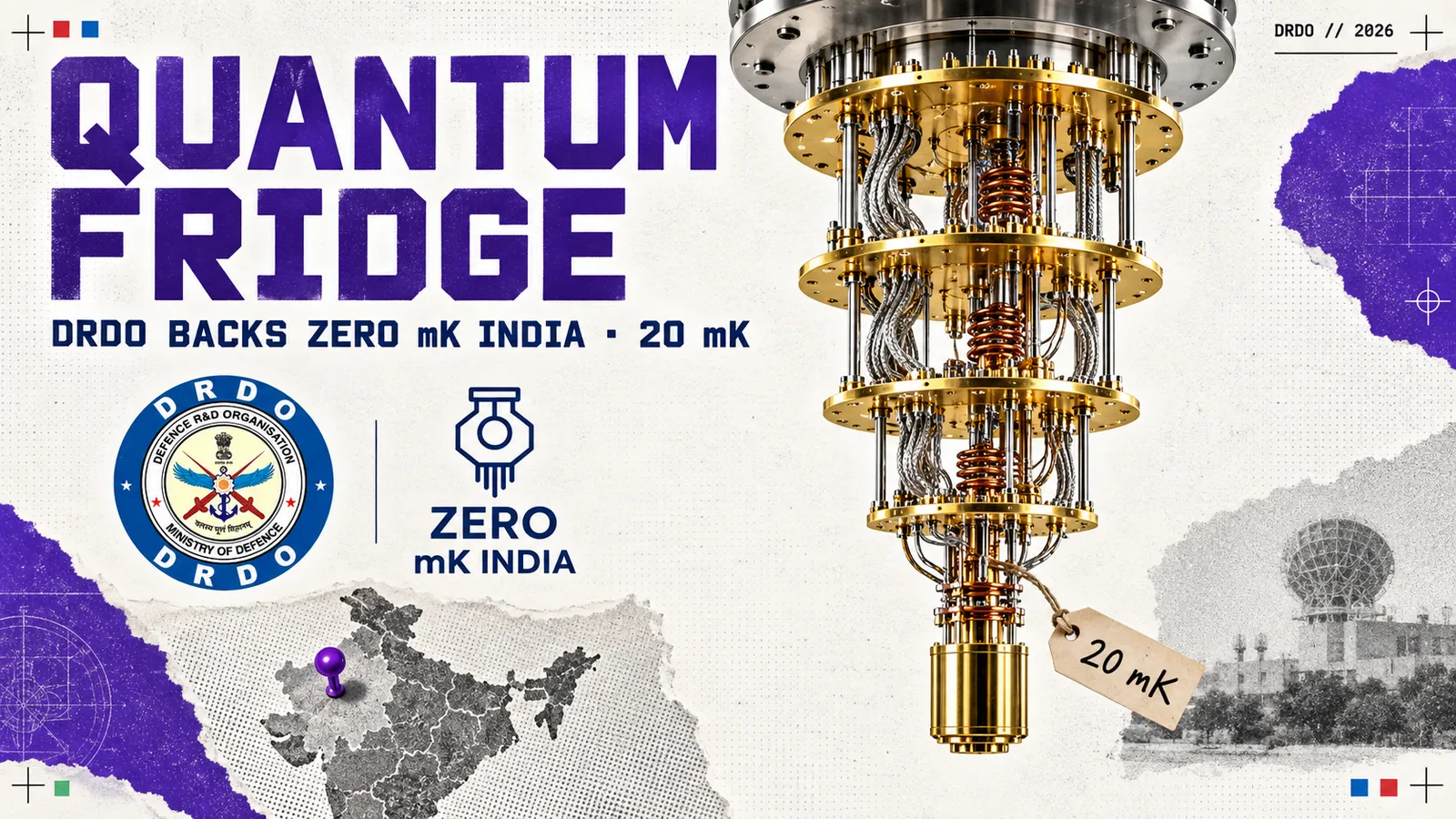
India's Defence Research and Development Organisation has signed a Technology Development Fund agreement with Zero mK India, a start-up in Alwar, Rajasthan, to develop a 20 millikelvin dilution refrigerator in India. The Ministry of Defence announced it on 24 September 2026.
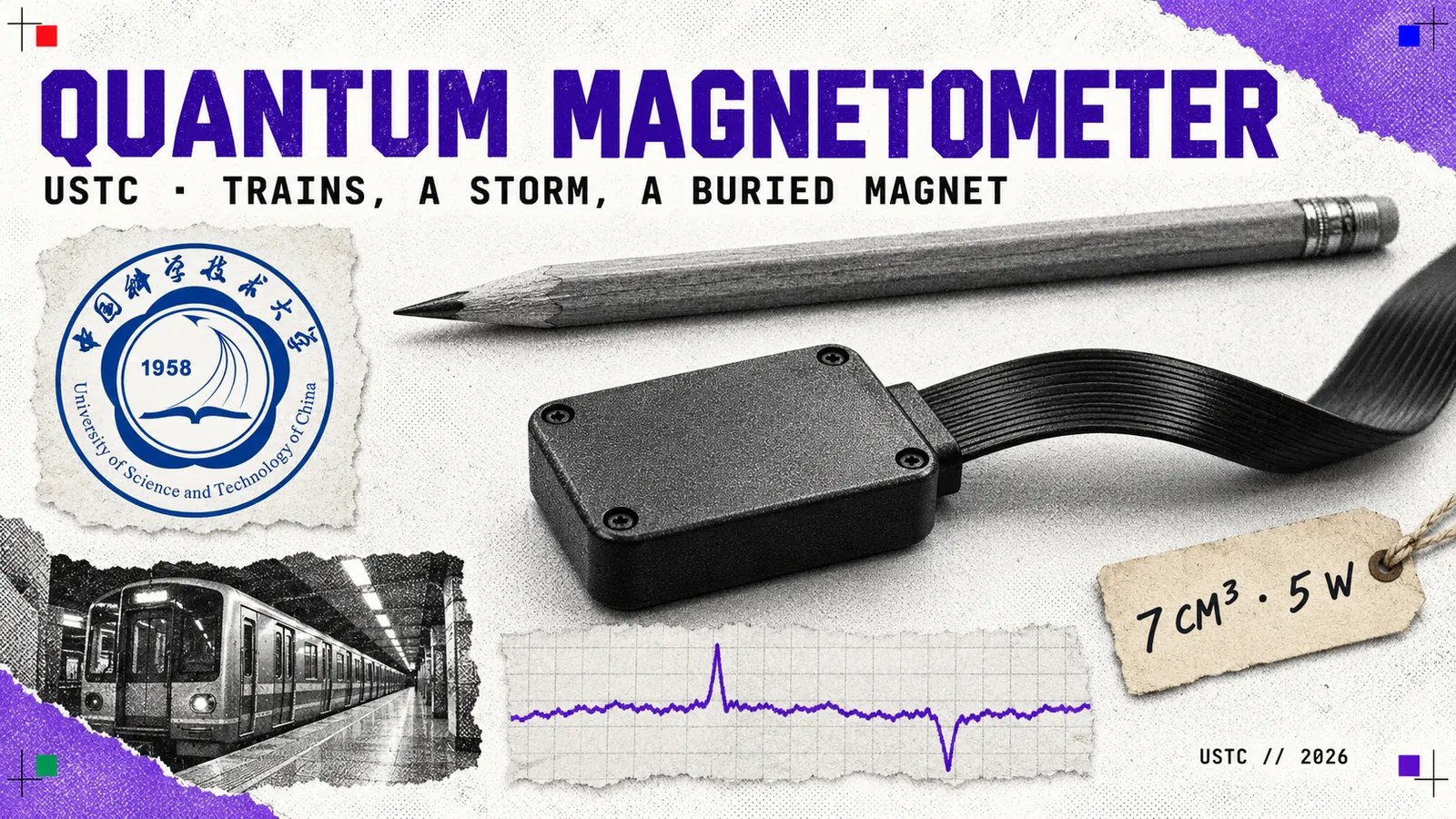
Physicists at the University of Science and Technology of China, with a China State Shipbuilding Corporation laboratory, built a rubidium magnetometer with a 7 cm³ sensor head. Acta Physica Sinica posted their paper on 8 September 2026.
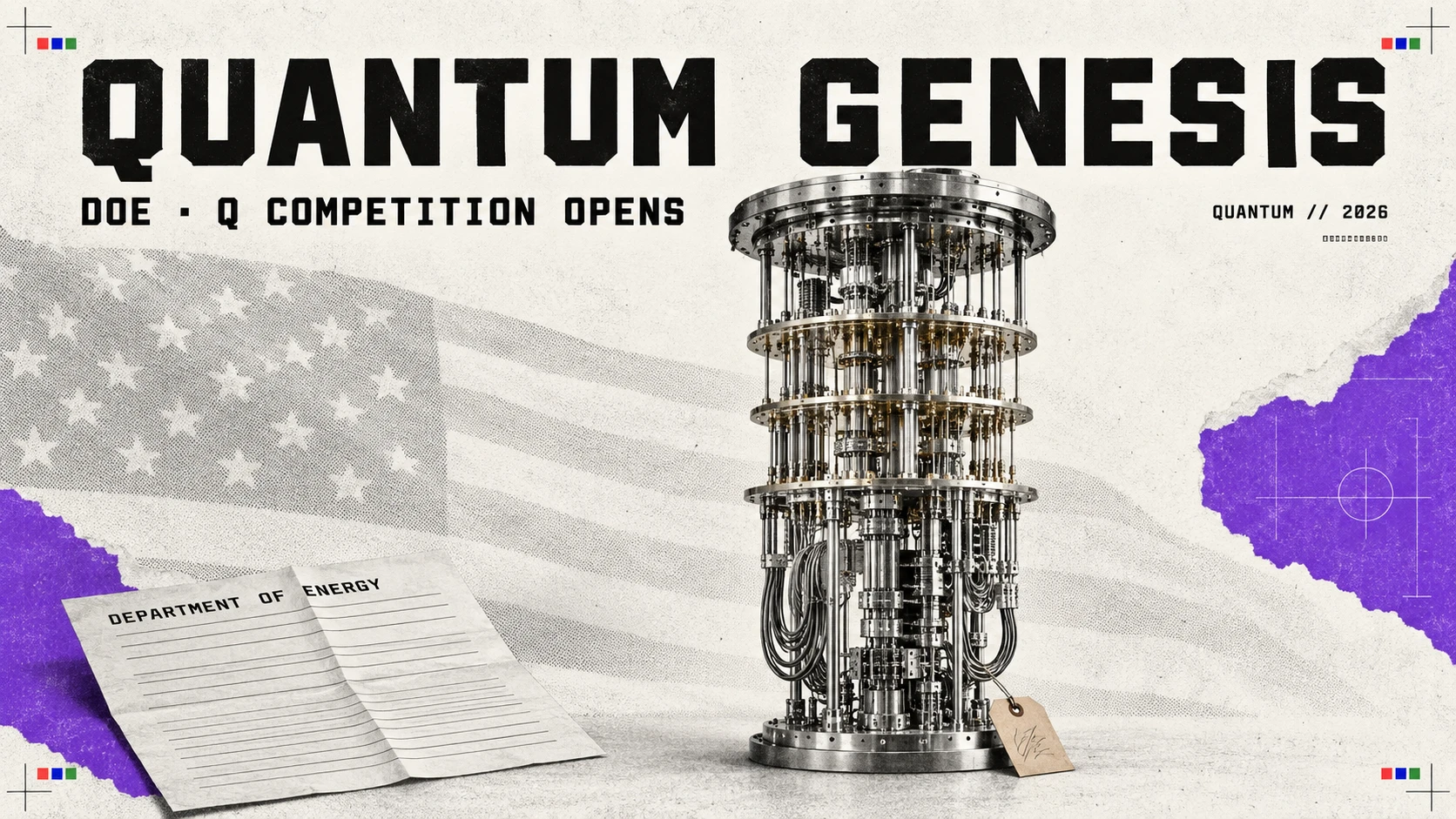
The Energy Department opened its Quantum Genesis Q Competition on 17 September 2026. It plans up to $215 million for a fault-tolerant machine of at least 100 logical qubits by 2028. DOE's own announcement says $2.5 million of that is Fiscal Year 2026 money.
Superion 256 deliveries are targeted for 2027. A separate IonQ study models a secp256k1 attack using 19,397 physical qubits with an estimated 63% success probability per attempt.
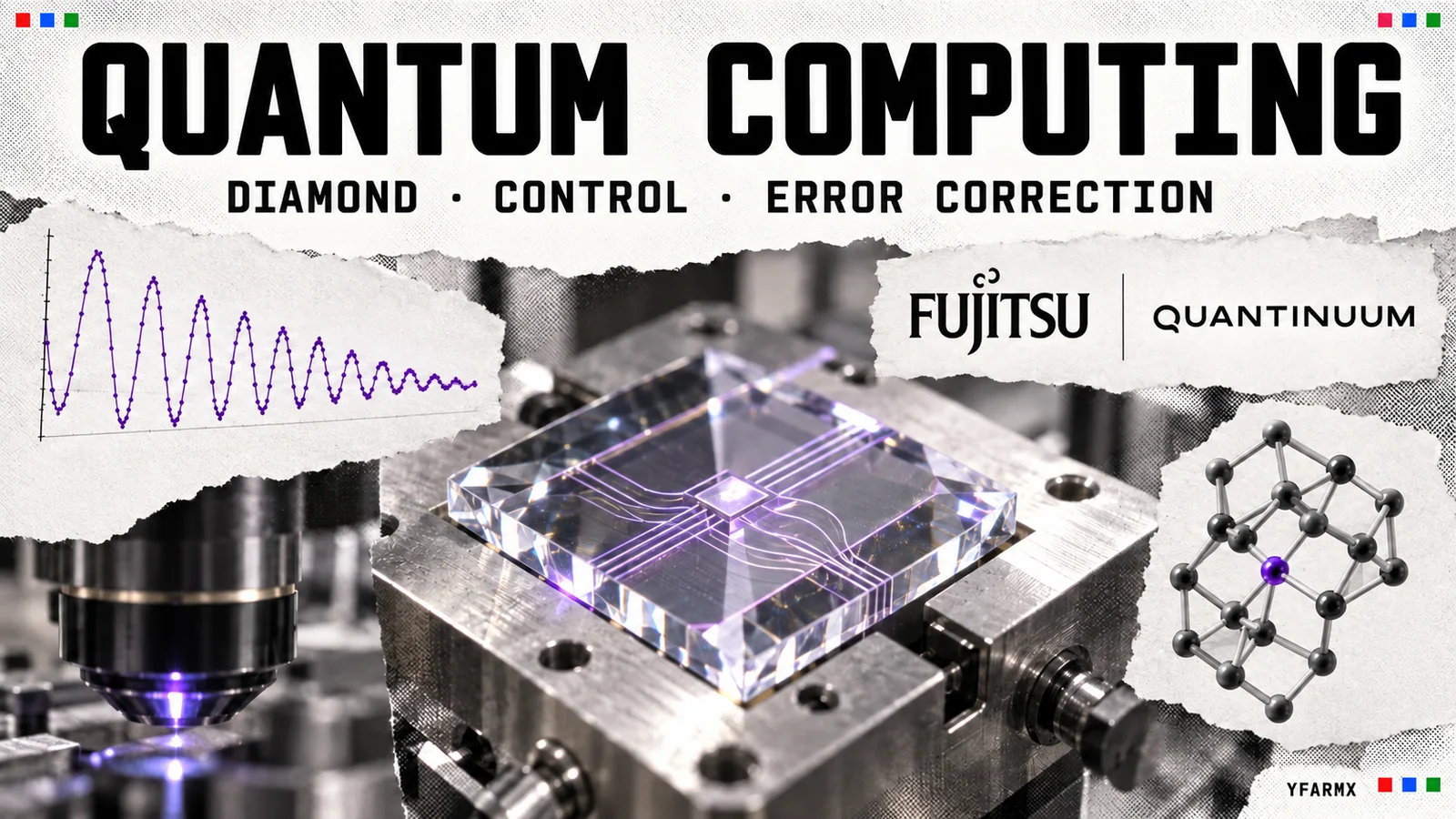
Fujitsu's diamond-spin prototype, Chalmers' theoretical Floquet method and Quantinuum's Helix experiments address hardware connections, control speed and error correction.
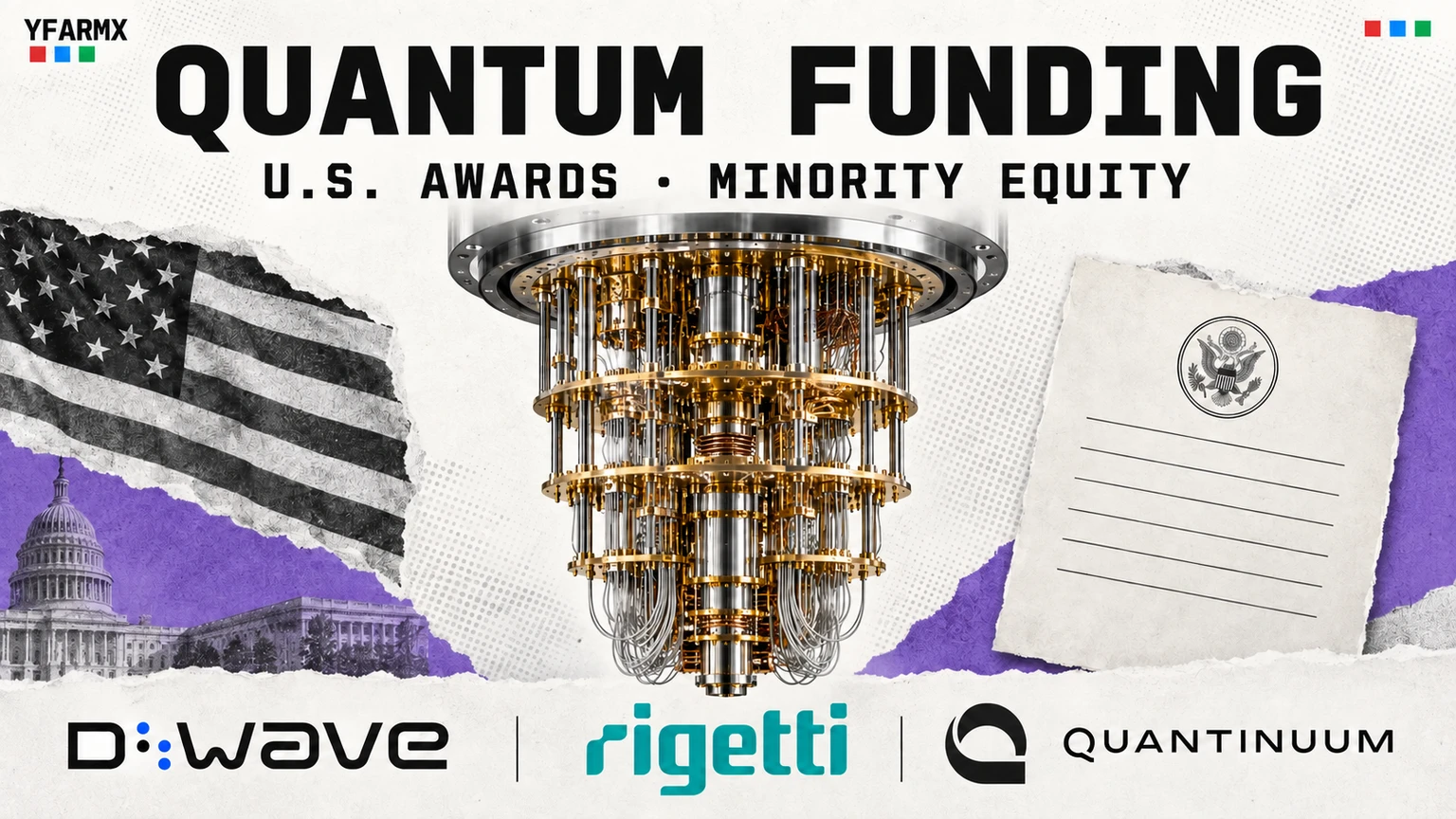
D-Wave, Rigetti and Quantinuum have finalised CHIPS awards totalling up to $300 million under a programme requiring minority government equity stakes.
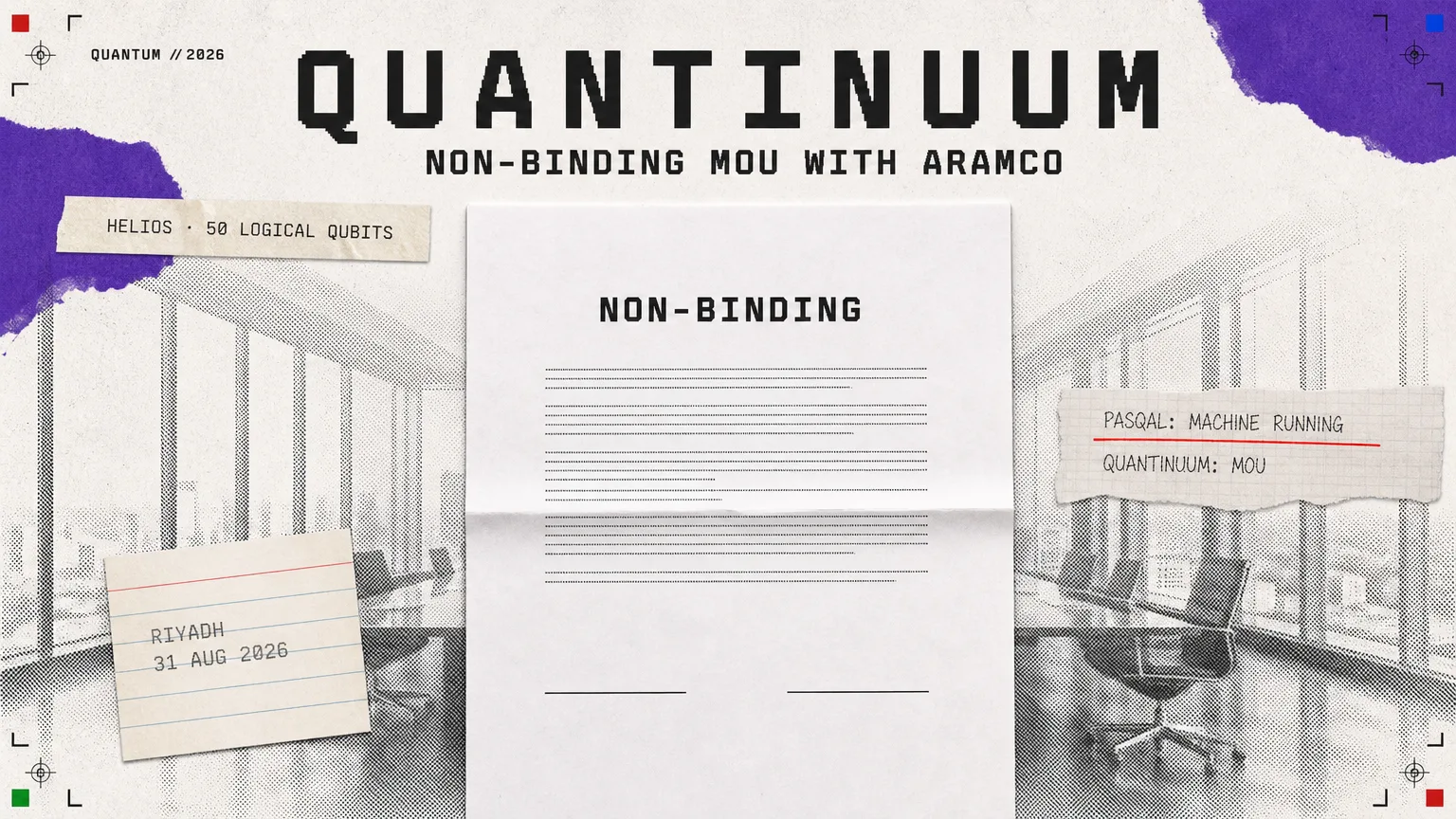
Quantinuum announced a memorandum of understanding with Aramco signed in Riyadh on 31 August. Read in full, it commits to technical onboarding, knowledge exchange and benchmarking. Aramco already has a rival's quantum computer installed and running.
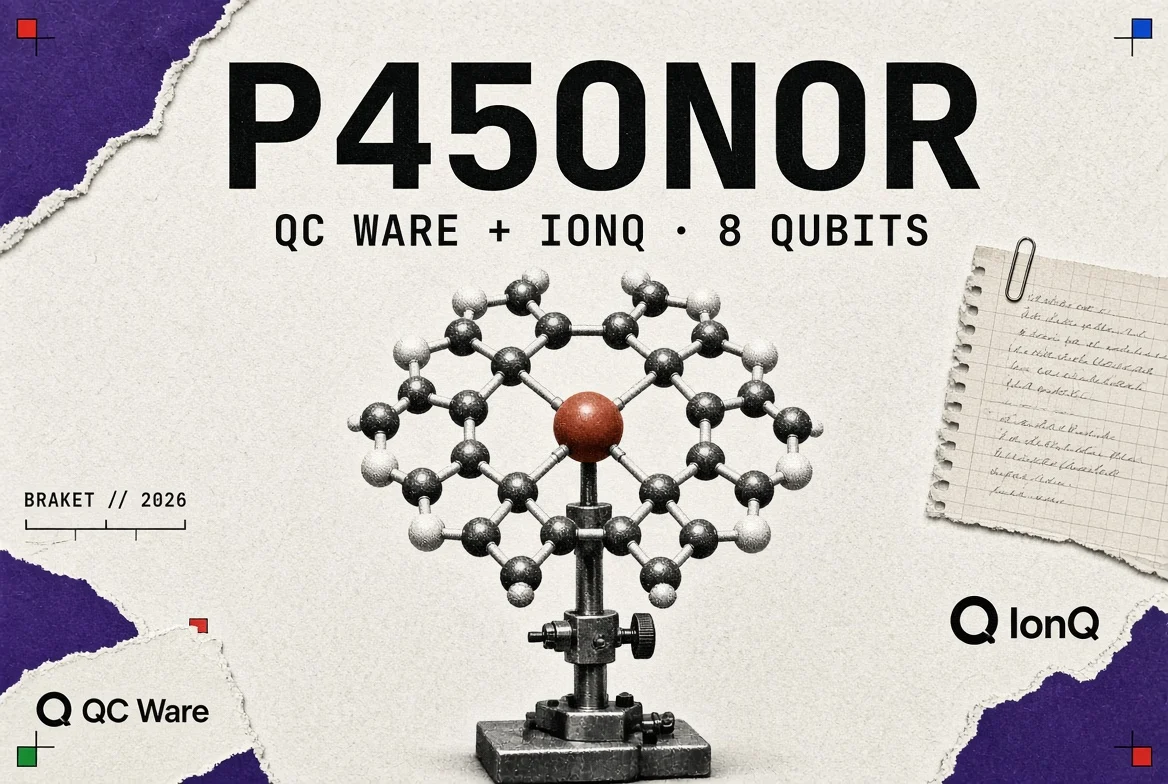
QC Ware said on 1 September 2026 that a hybrid workflow on IonQ's Forte computer got within 0.5 kcal/mol of classical benchmarks for an enzyme active site. The quantum part was eight qubits, and the benchmark it was measured against is not named.
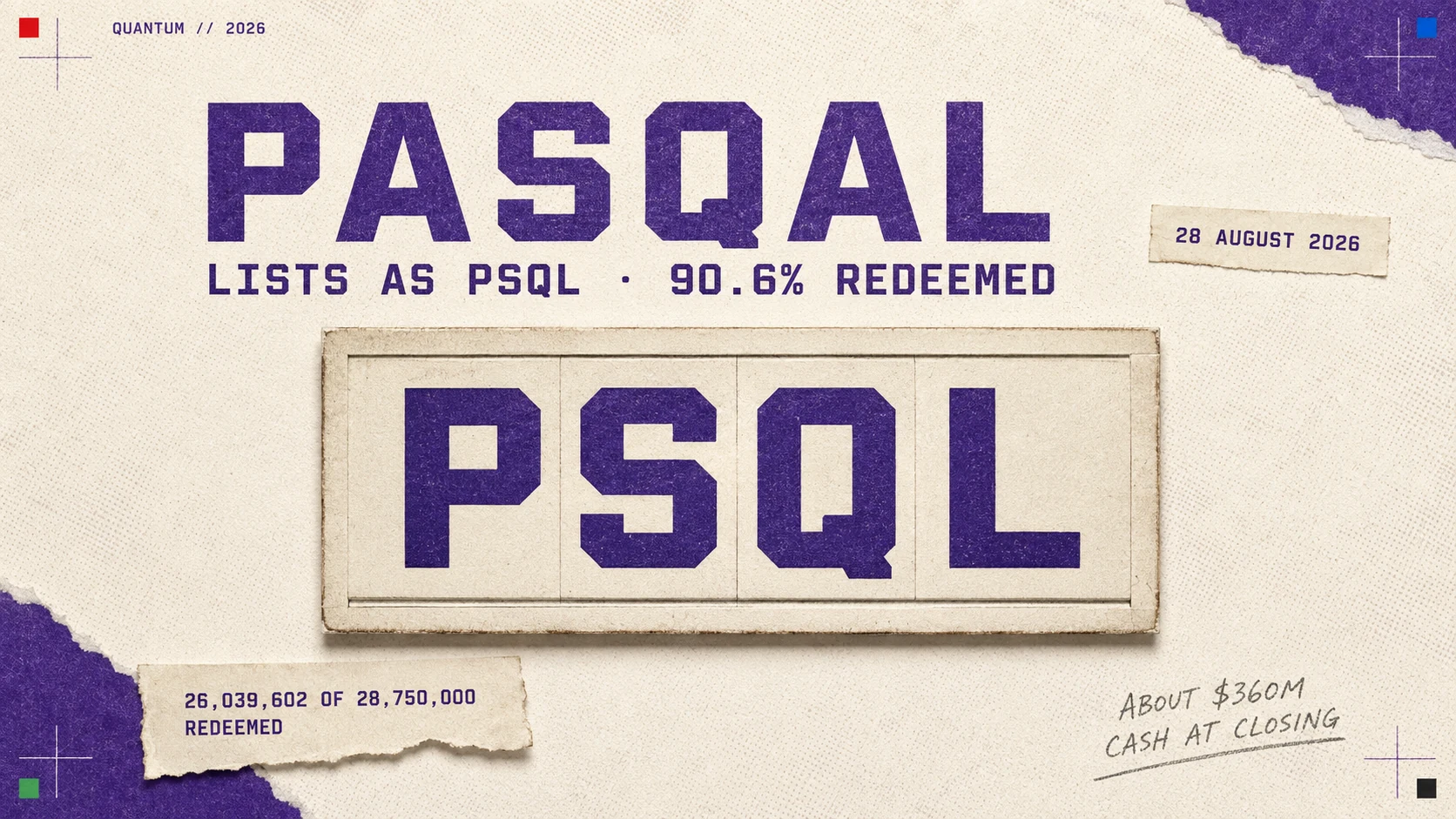
Pasqal began trading as PSQL on 28 August and closed its first session at $19.11. Shareholders redeemed 26,039,602 of 28,750,000 SPAC shares, and $250m of the cash at closing came from convertible bonds sold at a 20% discount.
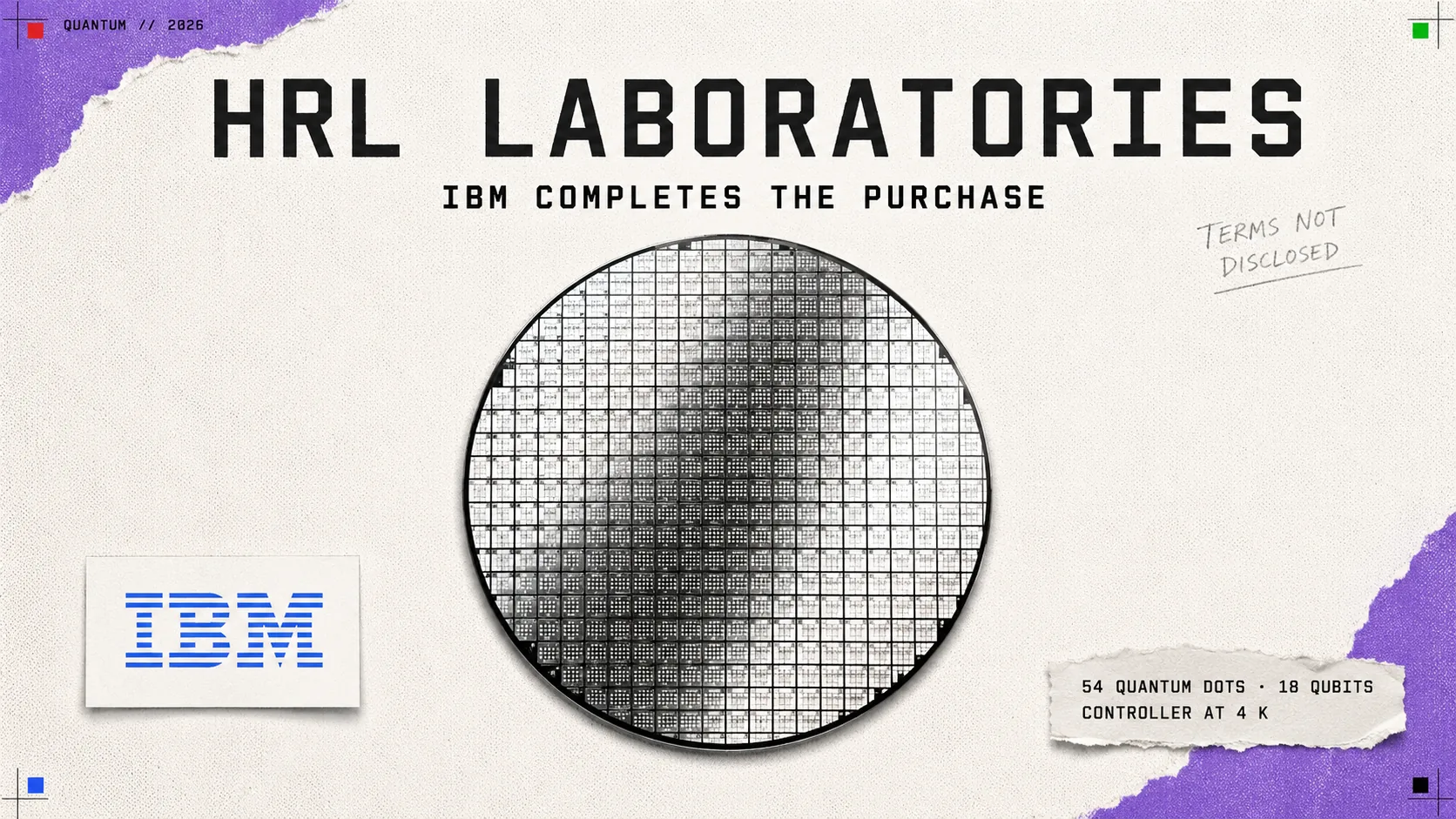
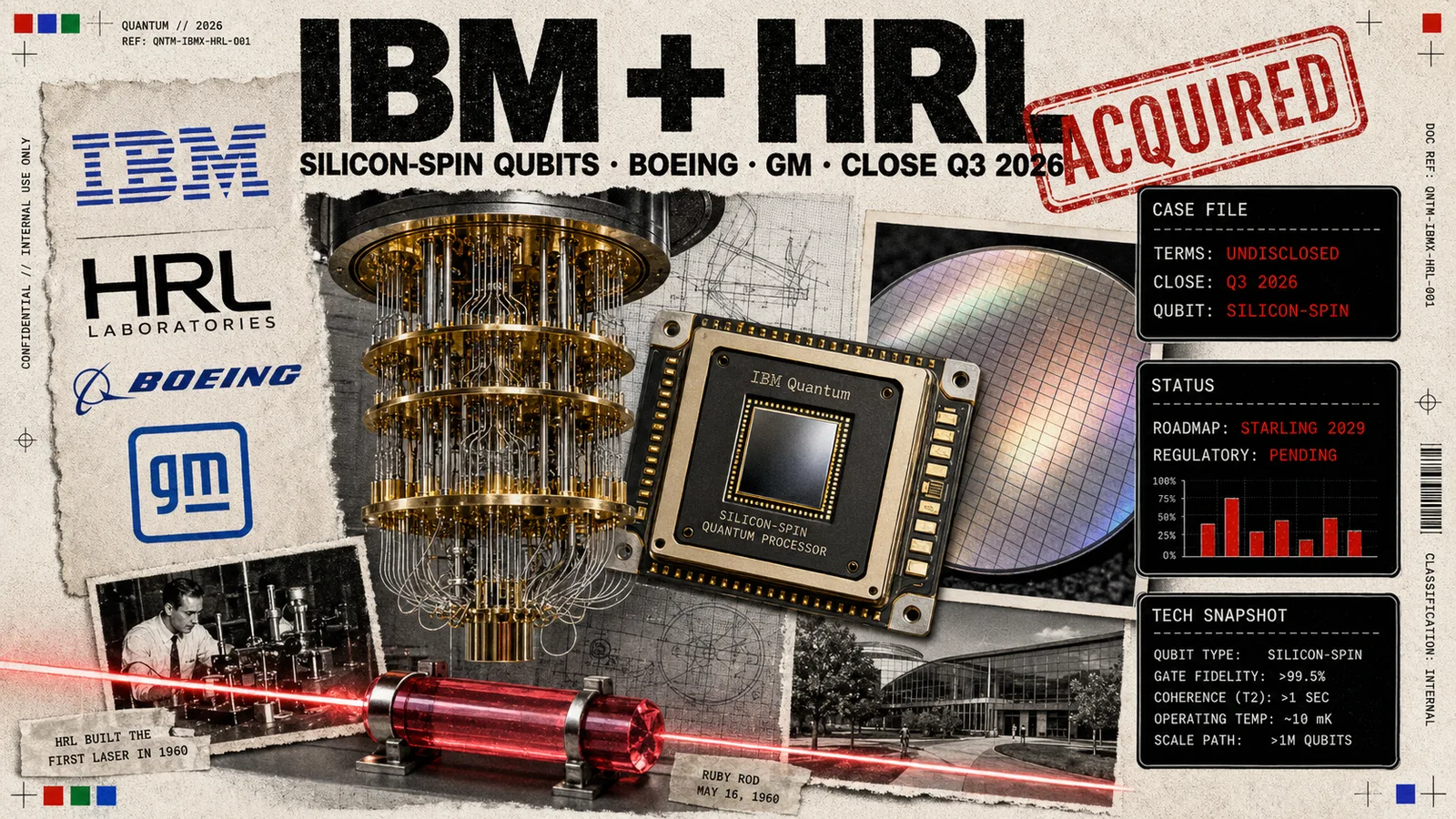
IBM completed its purchase of HRL Laboratories on 26 August. The releases describe a whole second qubit modality. IBM's own quantum roadmap names spin qubits, silicon, HRL and Anderon zero times.
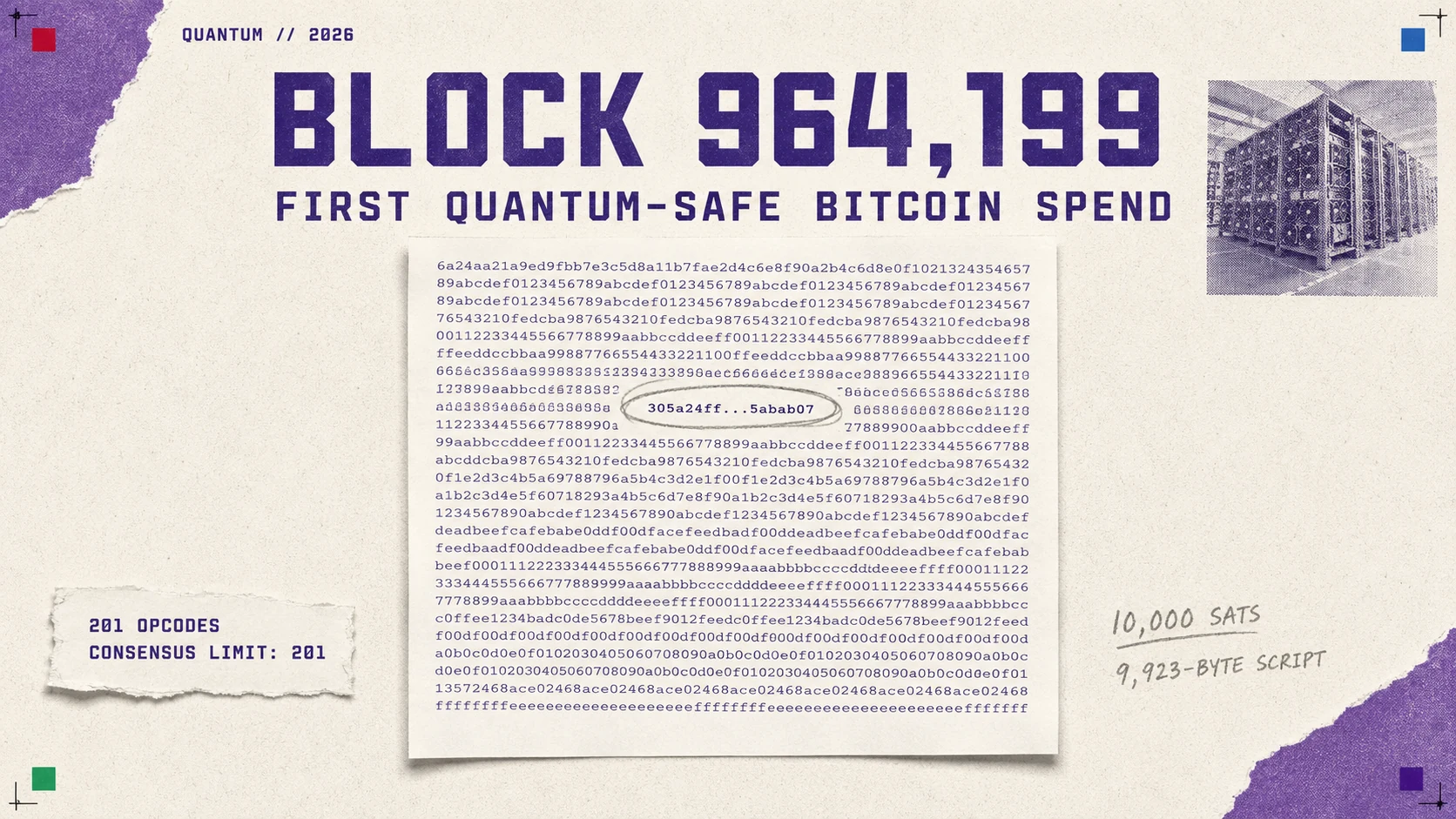
StarkWare spent a 10,000-satoshi output with a hash-based signature on Bitcoin mainnet on 26 August. We disassembled the locking script. It is 9,923 bytes against a 10,000-byte ceiling and exactly 201 opcodes against a limit of 201.
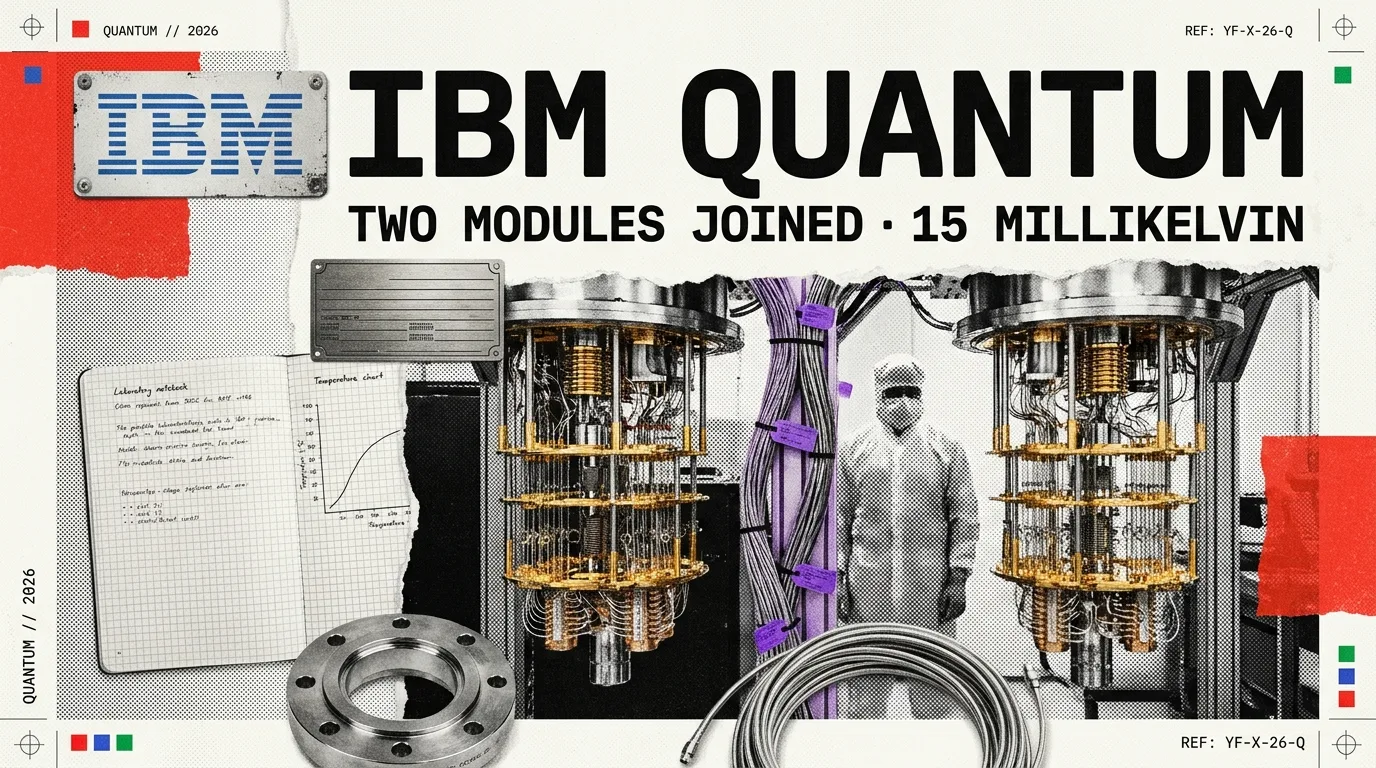
The two joined modules stand over eight feet tall, cool to 4 kelvin in under five days and settle below 15 millikelvin. Each carries twelve times the wiring space of IBM's existing quantum systems, which is the constraint that decides how many qubits fit in one machine.
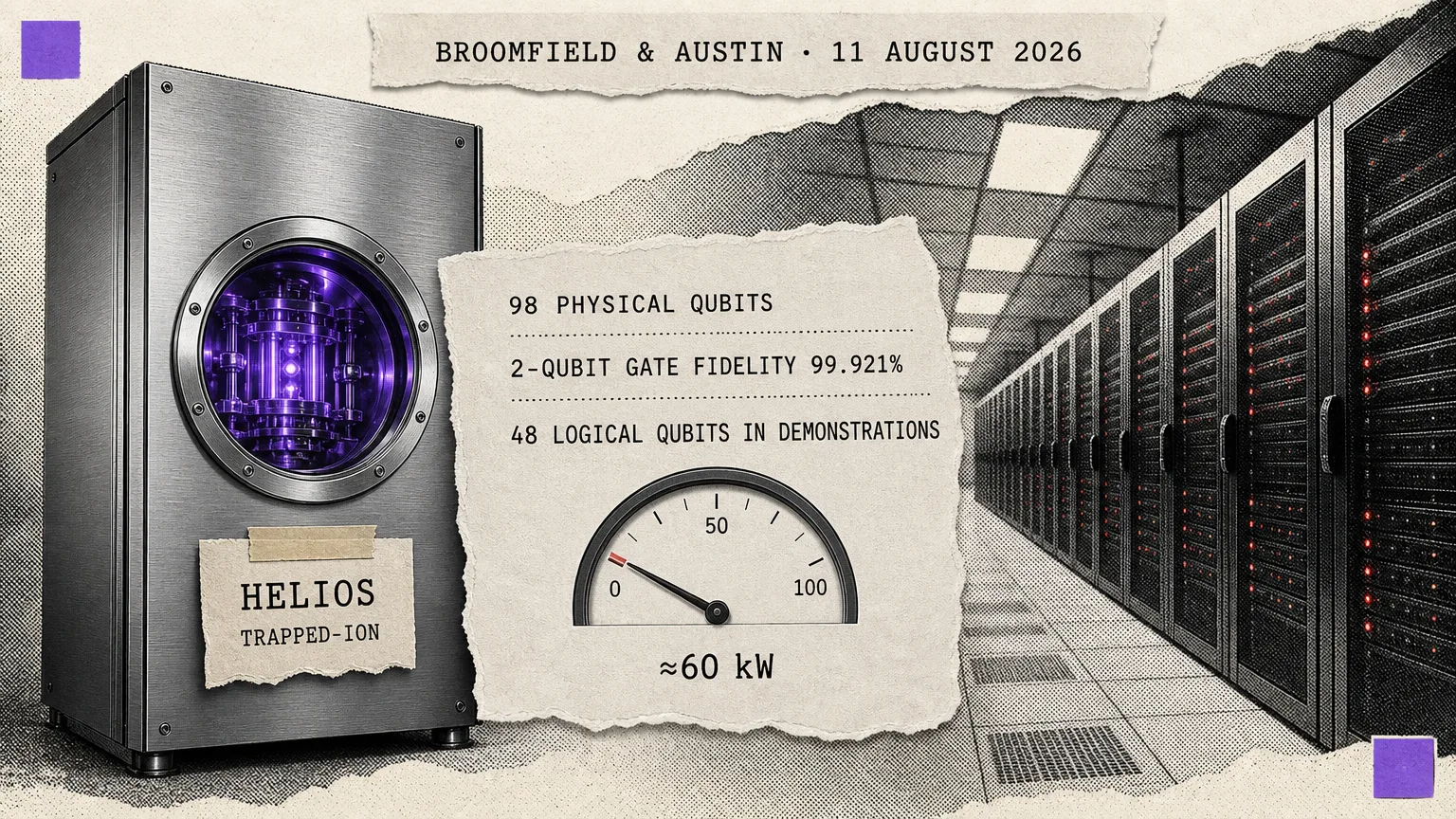
Oracle and Quantinuum announced a multi-year partnership on 11 August to deploy Helios, the 98-qubit trapped-ion system, inside a US Oracle Cloud AI data centre, with an OCI quantum service to preview in the coming months.
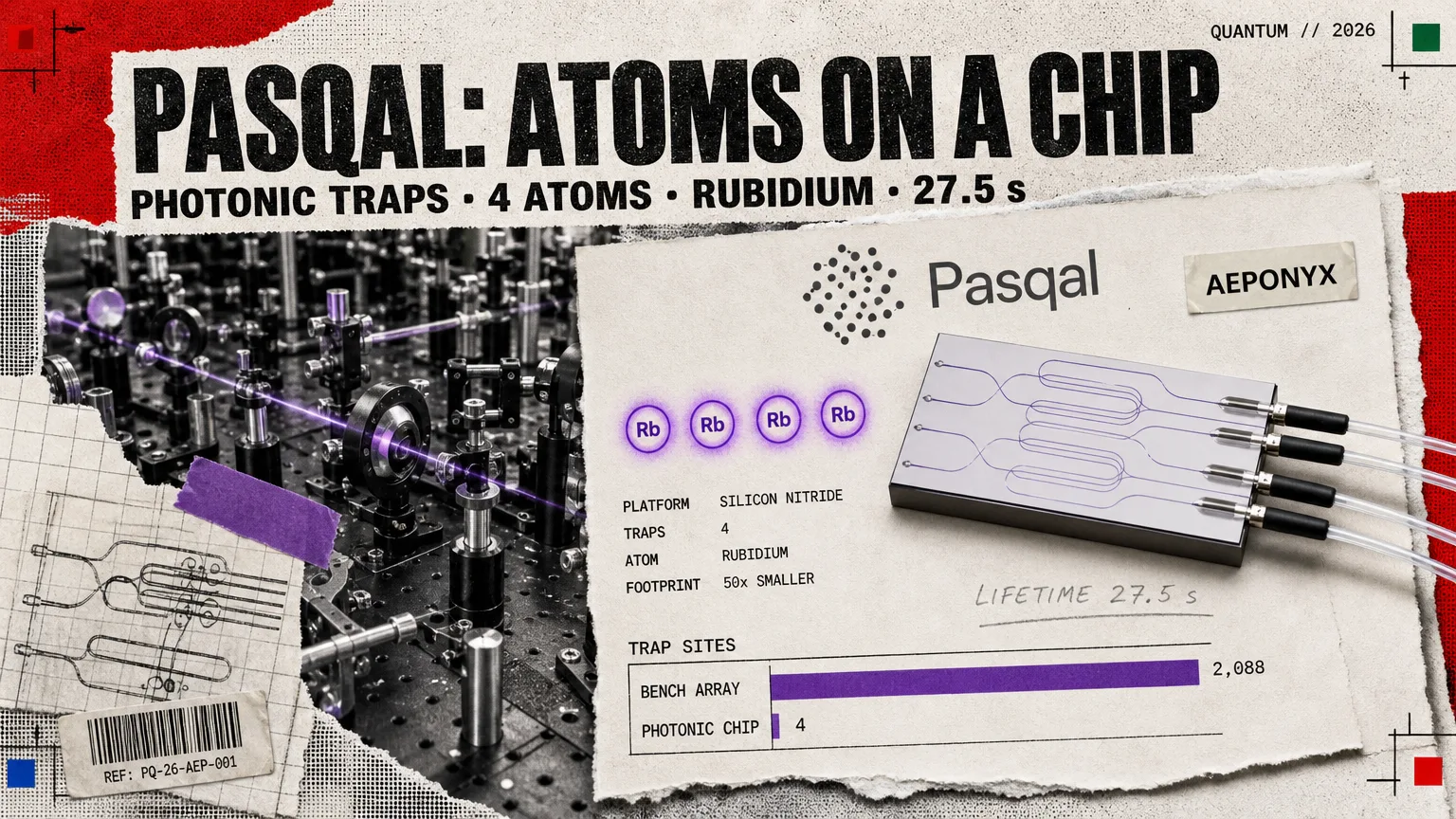
Pasqal says it is the first to trap atoms on a quantum computer using light generated by a photonic chip rather than a bench of free-space optics. Four traps, four rubidium atoms, and an atom lifetime of about 27.5 seconds.
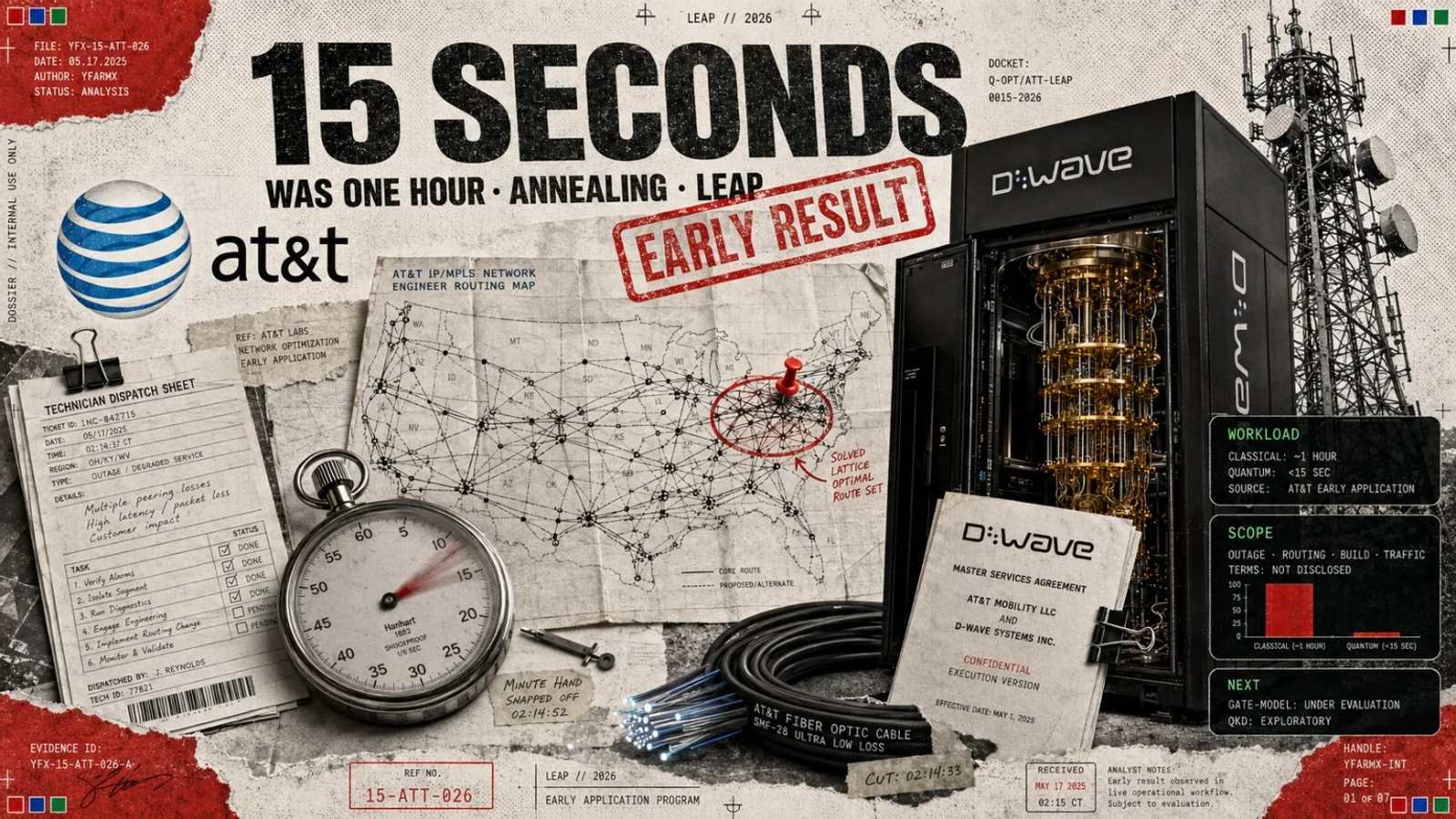
AT&T has signed an agreement to expand its use of D-Wave's annealing machines across network operations, after cutting one optimisation workload from about an hour to under 15 seconds. Here is what the deal covers, from outage response to technician routing.
IBM has agreed to buy HRL Laboratories, the Boeing- and GM-owned research lab, for its silicon-spin qubit expertise. It is a hedge: a second kind of qubit alongside the superconducting chips IBM has built its whole roadmap on.
DARPA has signed a $125m agreement with PsiQuantum, its largest US government award, to verify a path to a utility-scale quantum computer by 2033. What the money buys, and why that date belongs on a crypto and AI radar.
NEAR Protocol's 2.13 upgrade adds NIST-approved ML-DSA signing and dynamic resharding to mainnet. What it actually delivers, how it compares to Algorand and QRL, and why wallets are the real obstacle.
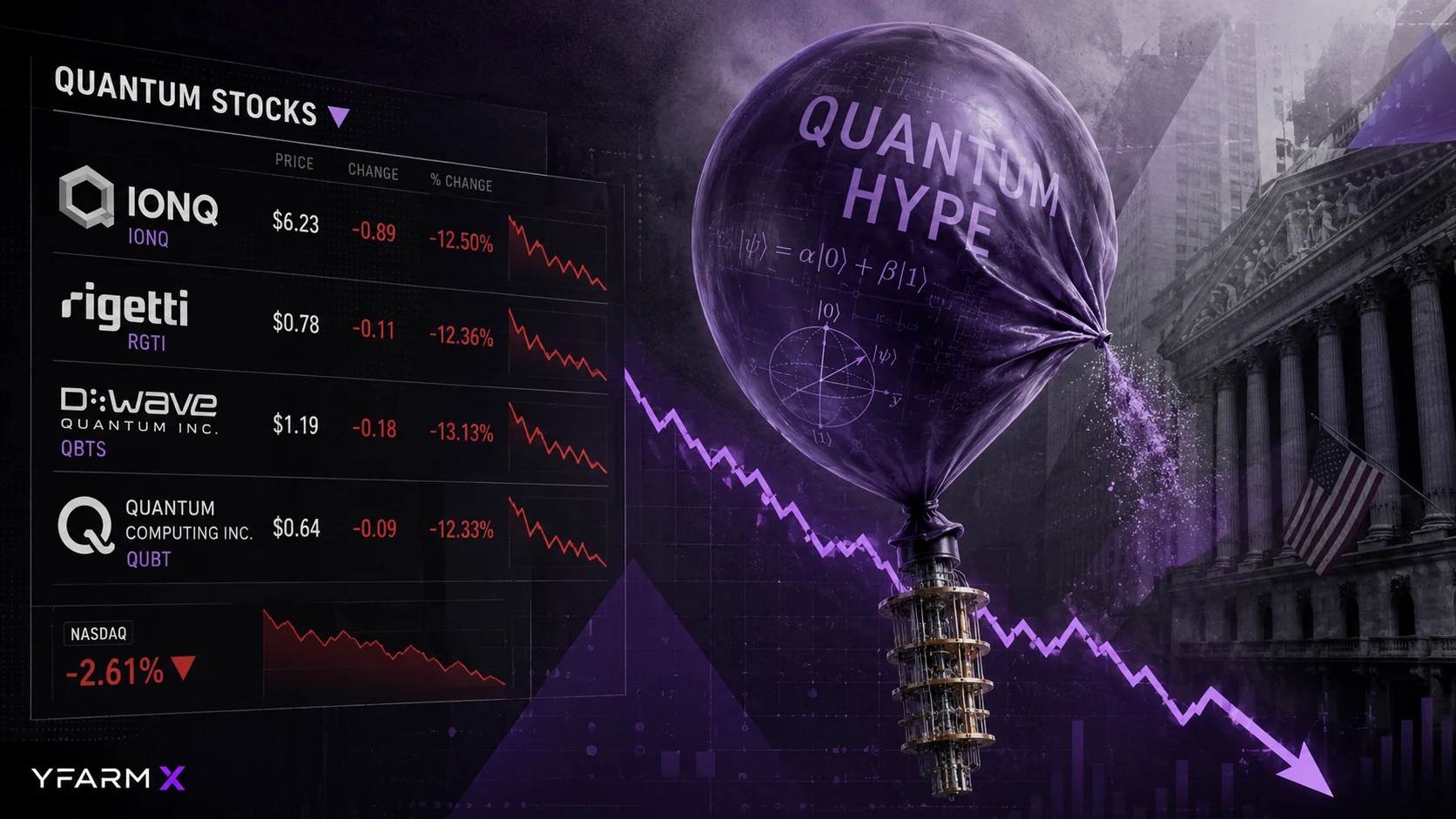
Quantum computing stocks completed a punishing week on 17 July, with IonQ, Rigetti and D-Wave trading between 60 and 76 per cent below their 52 week highs after shedding a further 17 to 20 per cent in five sessions.
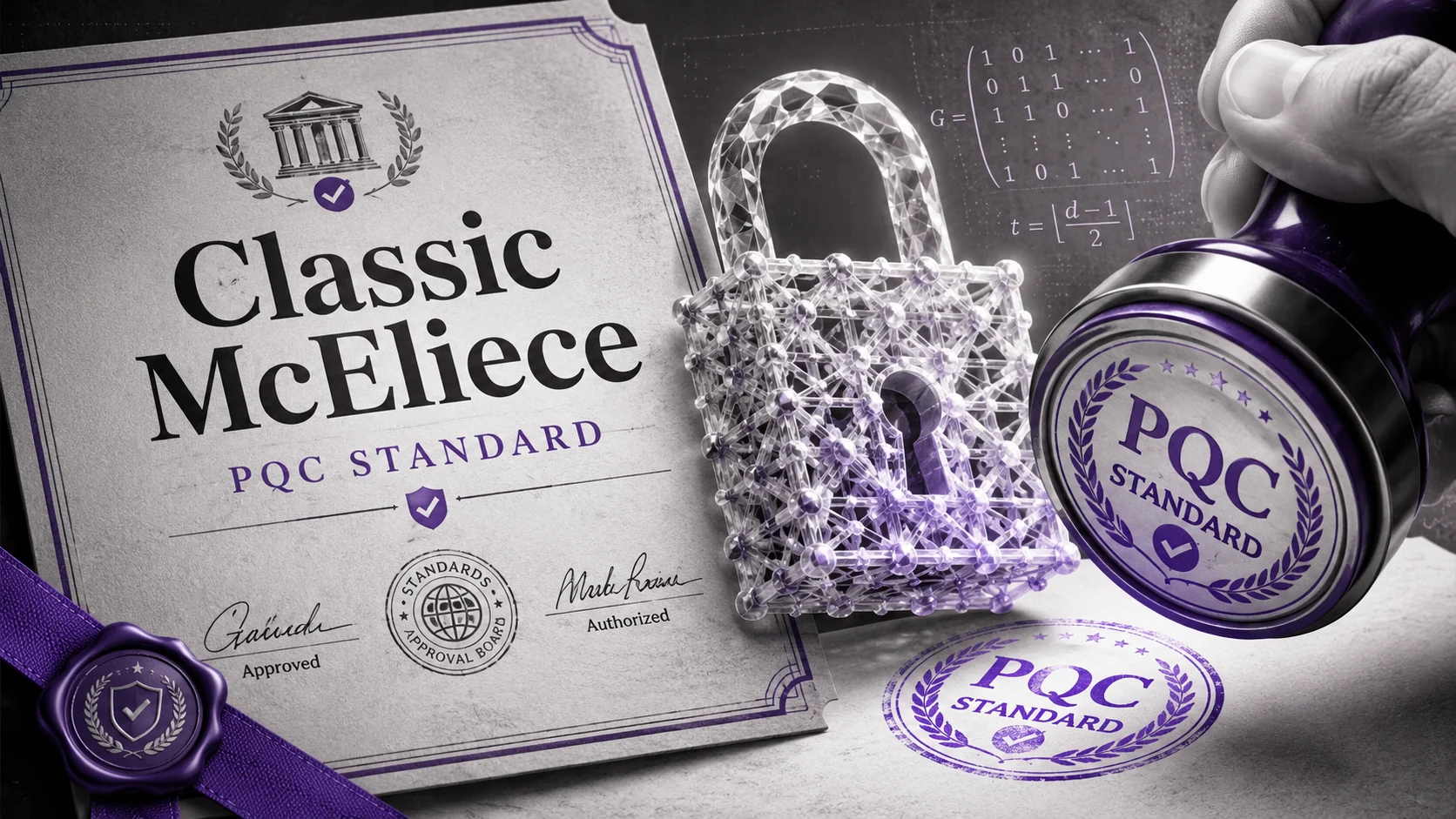
Classic McEliece achieved global ISO standardisation on 15 July under ISO/IEC 18033-2, becoming the first post-quantum cryptography algorithm to reach that status.
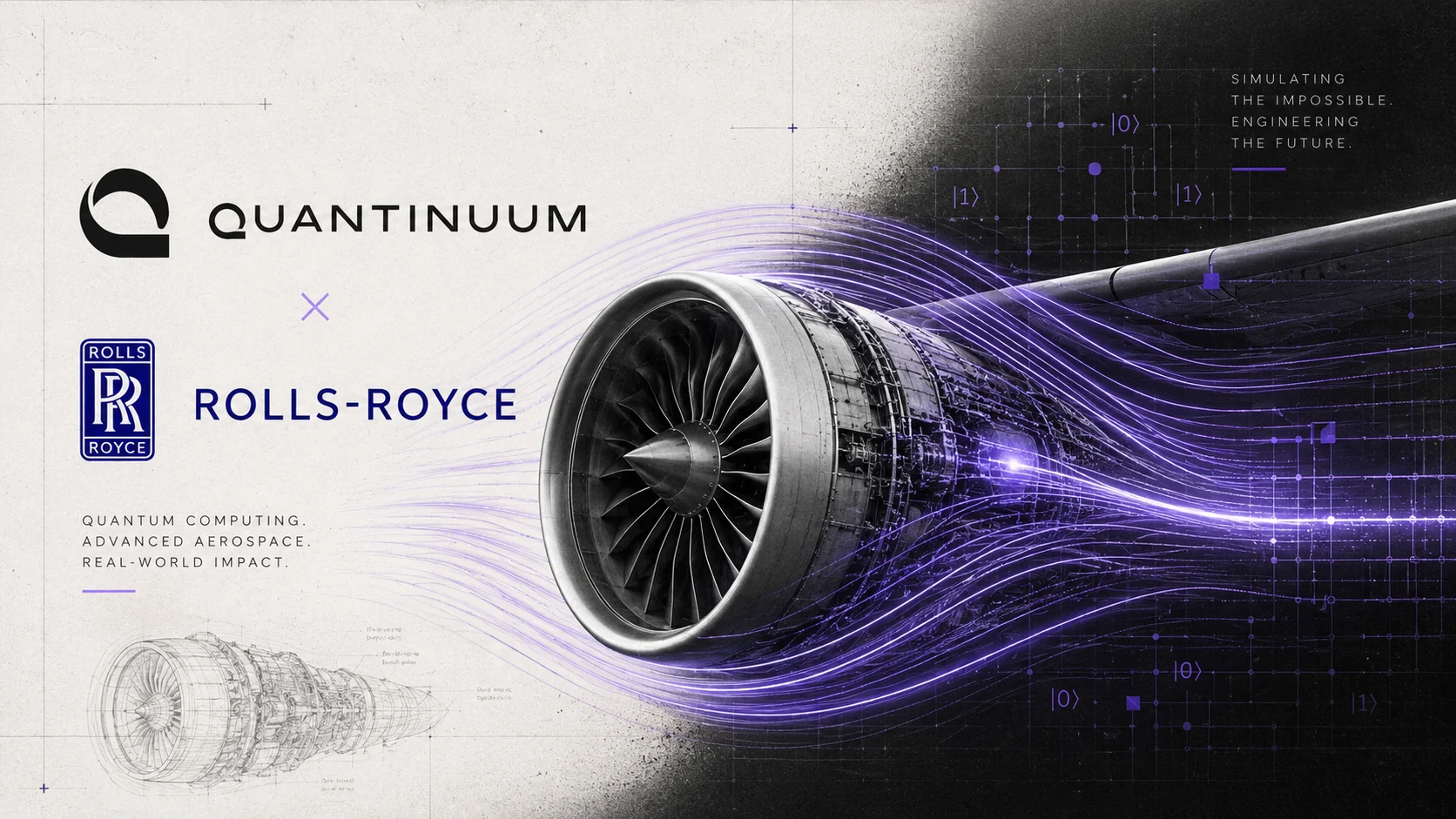
Quantinuum, Rolls-Royce, Riverlane and EPCC signed a multi-year agreement on 14 July to test whether near term quantum hardware can accelerate computational fluid dynamics for gas turbine design.
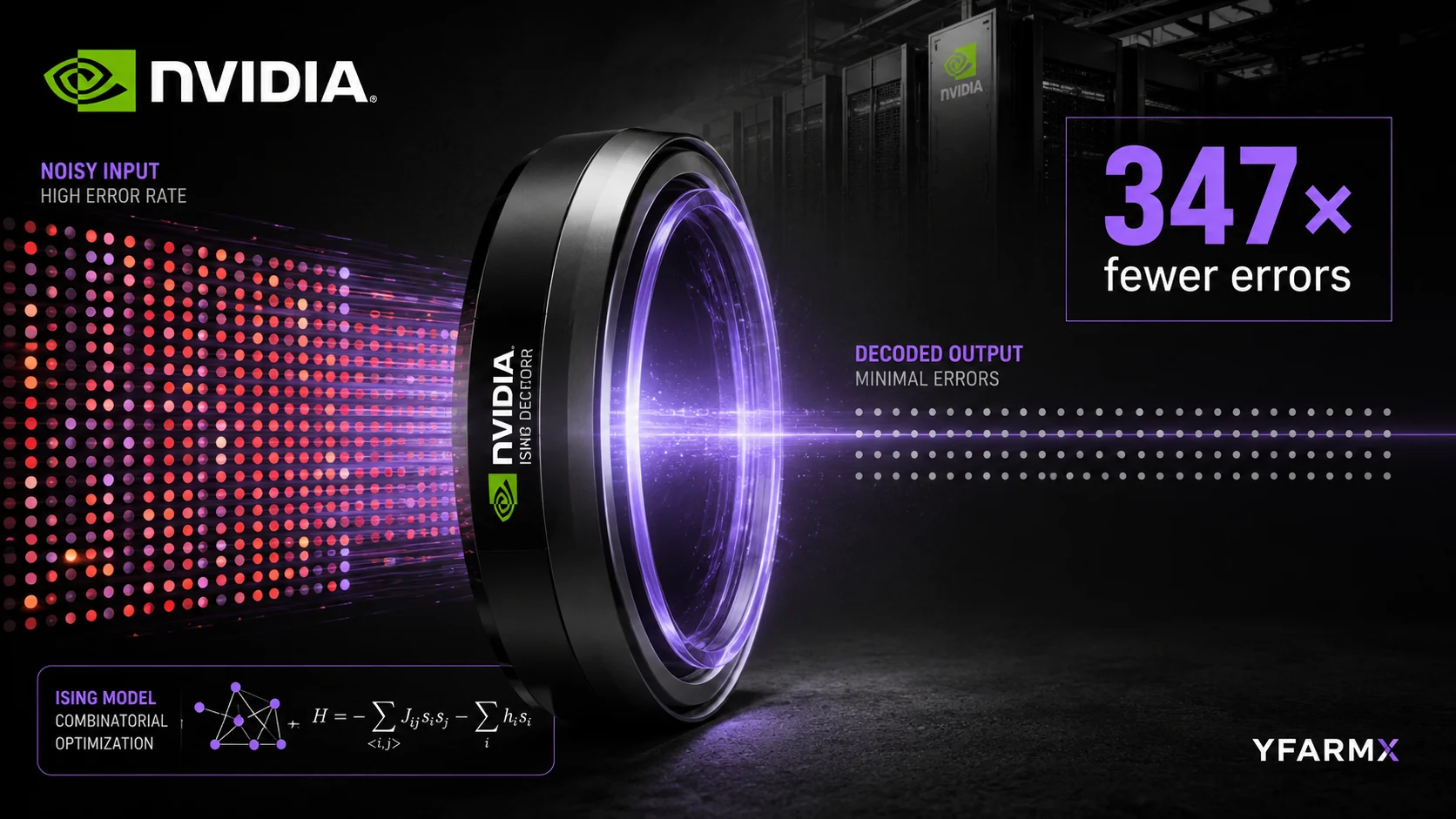
Nvidia's quantum computing division released the Nvidia Ising decoder on 13 July, an open source model family that applies neural networks to quantum error correction.
Page 1 of 2 · Open the full Newswire · RSS