DARPA advances four quantum companies to final testing stage
IBM, IonQ, Atom Computing and Diraq enter DARPA's final verification stage, testing plans for quantum computers whose value exceeds their cost by 2033.
Listen to this articleListen
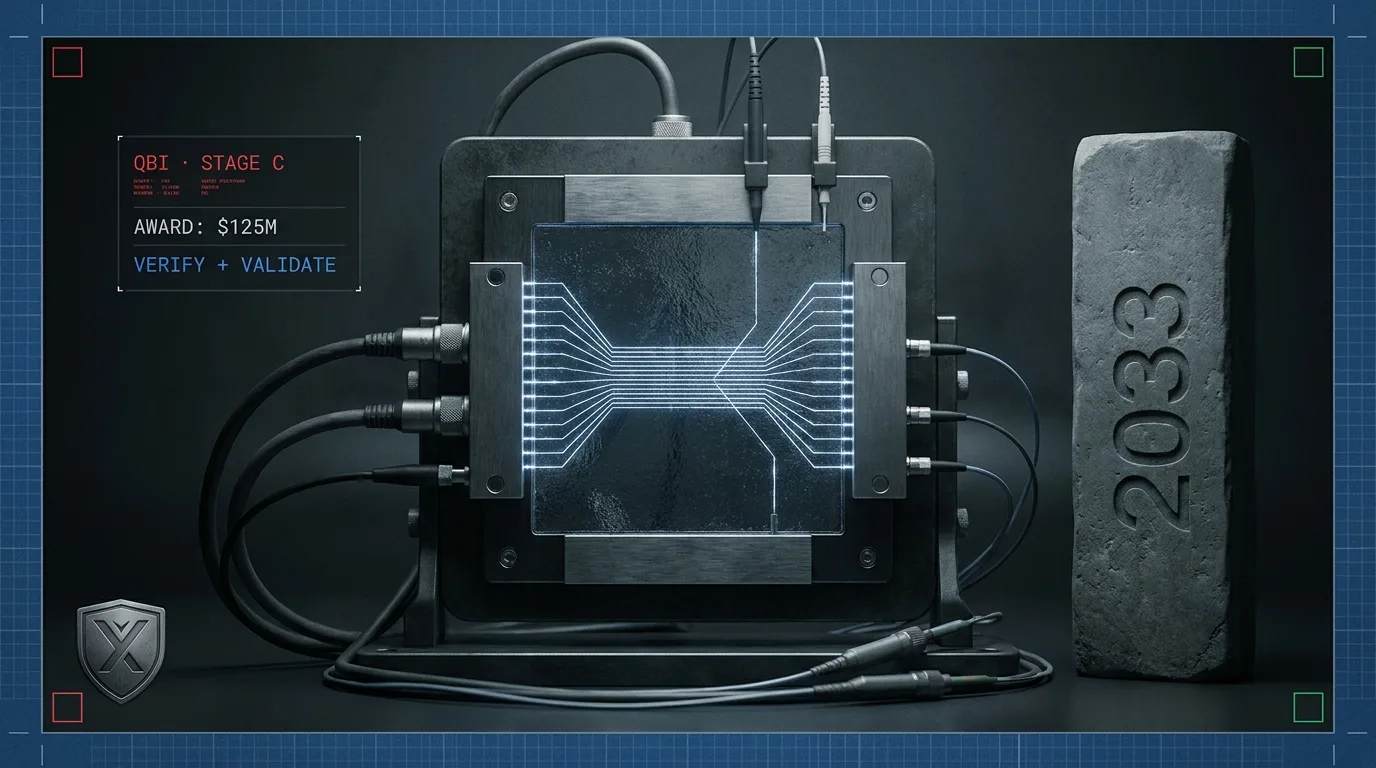
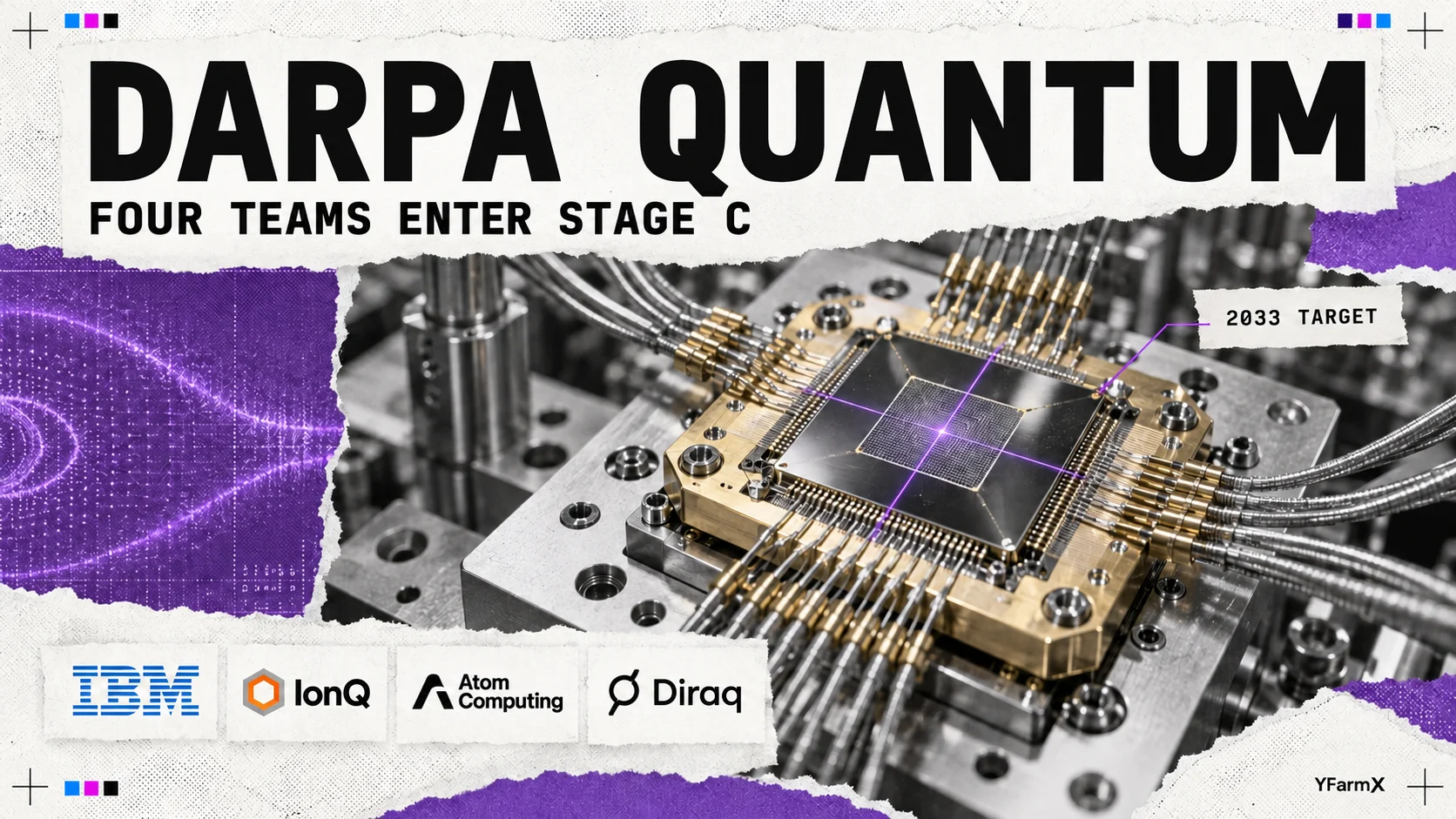
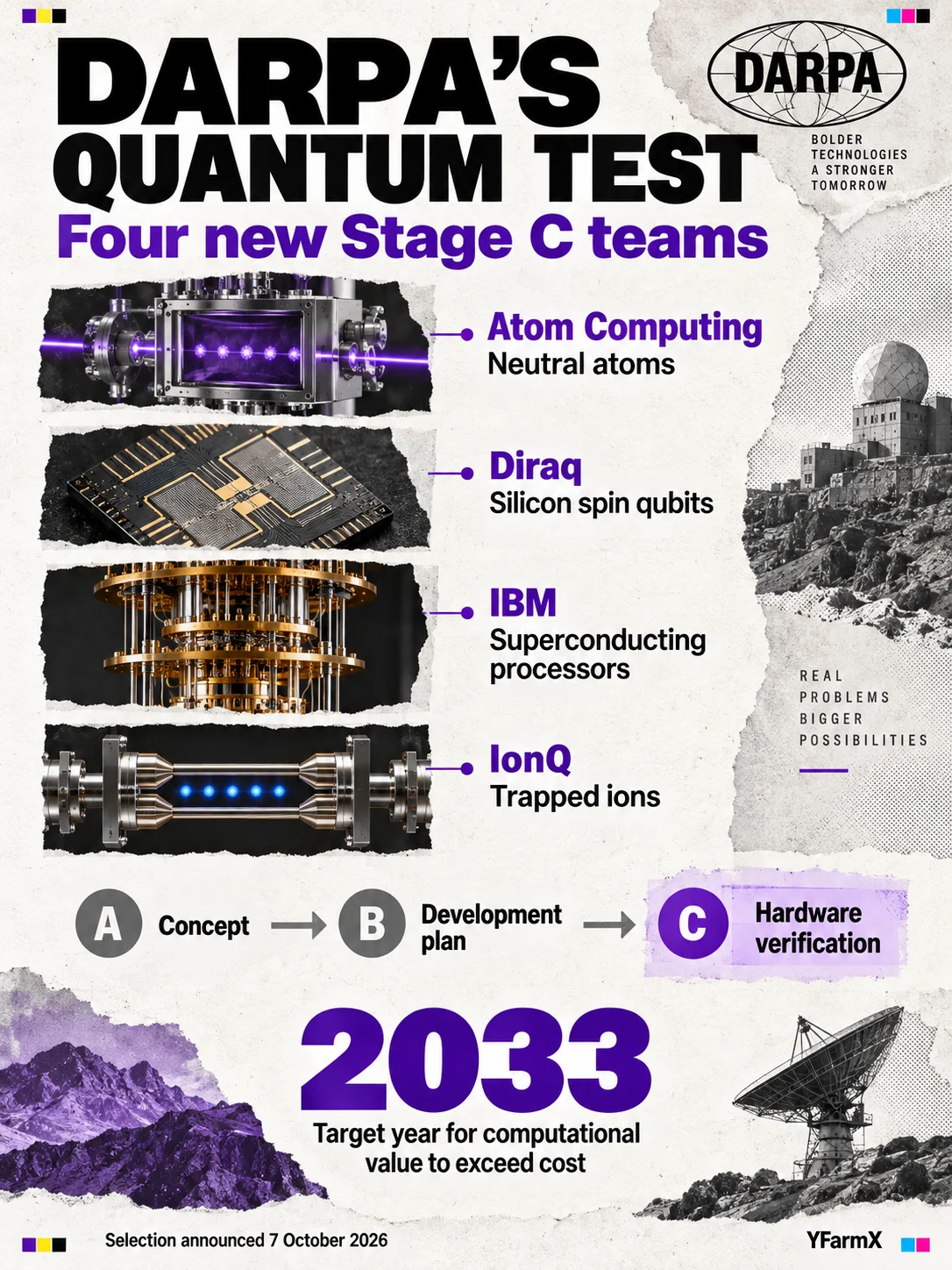
DARPA has selected IBM, IonQ, Atom Computing and Diraq for the final testing stage of its Quantum Benchmarking Initiative. Announced on 7 October, the decision puts four different approaches to quantum computing under closer independent examination.
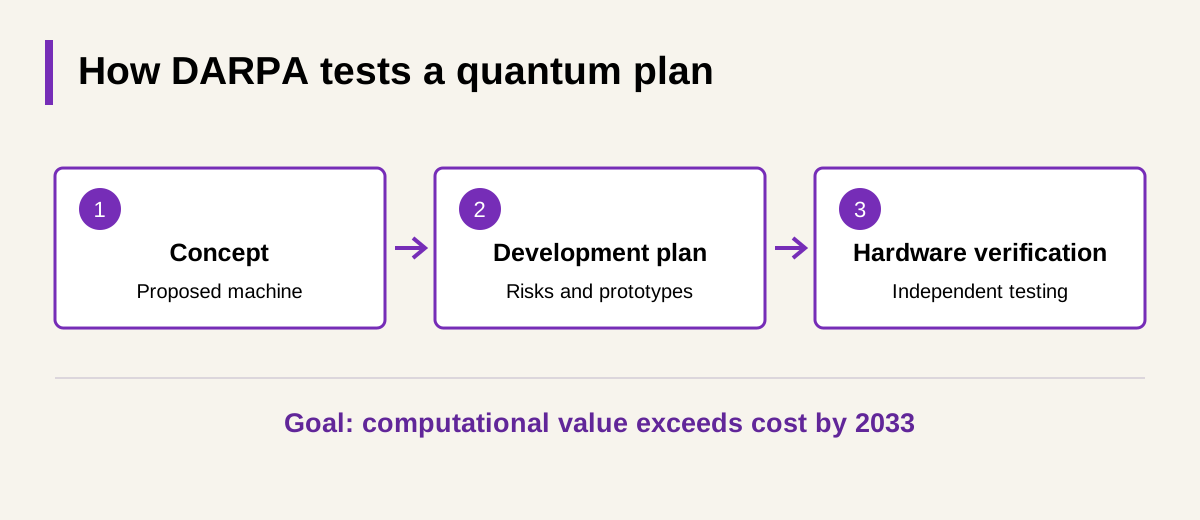
The US defence research agency wants to establish whether a quantum computer can reach utility scale by 2033: a machine whose computational value exceeds the cost of building and running it. Its Stage C assessment will test whether the proposed systems can be built and perform as intended.
Four ways to build a quantum computer
The new Stage C group covers neutral atoms, silicon spin qubits, superconducting processors and trapped ions. DARPA listed the following approaches in its selection announcement:
| Company | Quantum hardware approach |
|---|---|
| Atom Computing | Scalable arrays of neutral atoms |
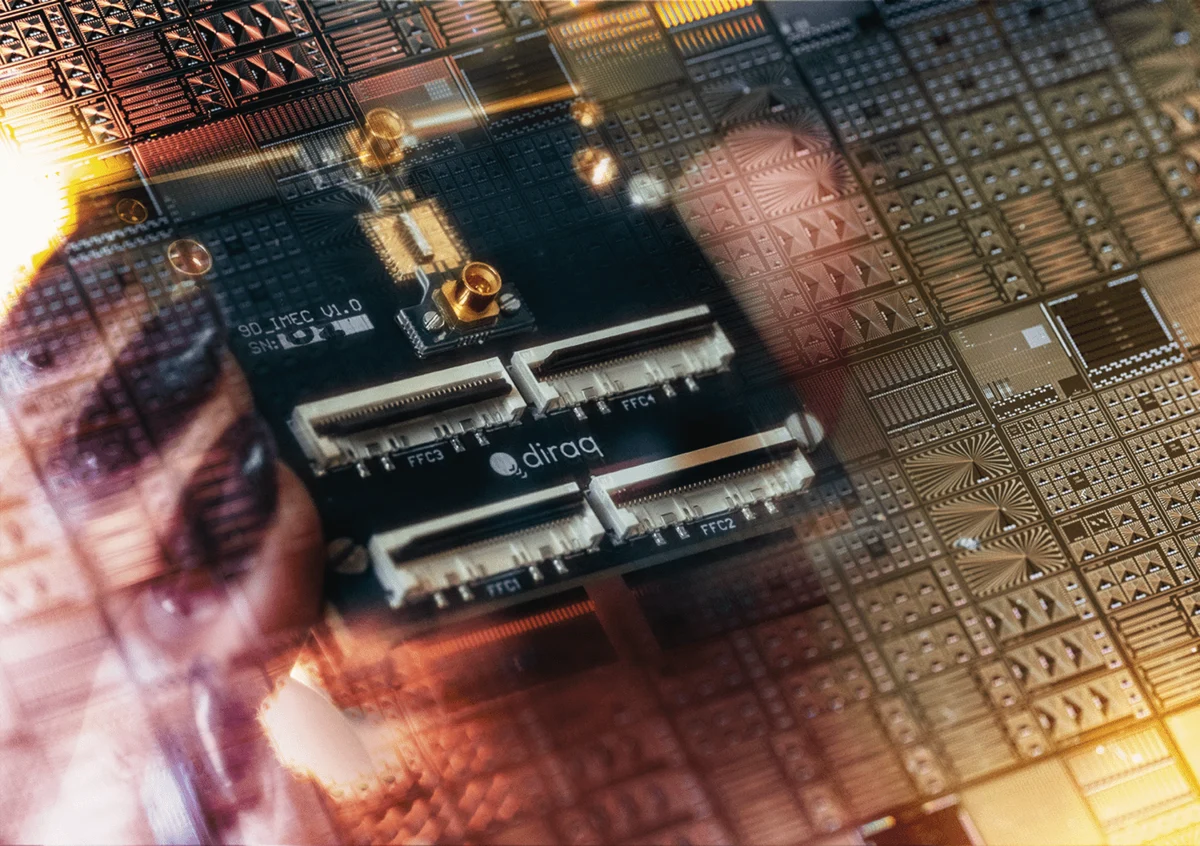
| Diraq | Silicon CMOS spin qubits |
| IBM | Modular superconducting processors |
| IonQ | Trapped-ion quantum computing |
Microsoft and PsiQuantum reached this phase through DARPA’s earlier US2QC programme. The agency evaluates each approach on its merits and expects further companies to advance as their assessments progress.
Independent teams will test the hardware
Stage C brings independent experts into hardware measurement and systems testing. IBM describes the process as an examination of quantum hardware, engineering and architectures to assess whether a company can deliver a fault-tolerant computer.
The earlier stages established technical concepts and detailed development plans, including risks and ways to reduce them. IBM says its own programme remains aimed at delivering its first fault-tolerant system in 2029. That is a company target undergoing assessment.
Fault-tolerant computing combines physical hardware with error correction so useful calculations can continue despite individual errors. The test therefore reaches beyond a processor’s headline qubit count to the behaviour of a complete machine.
The funding can reach $300 million per agreement
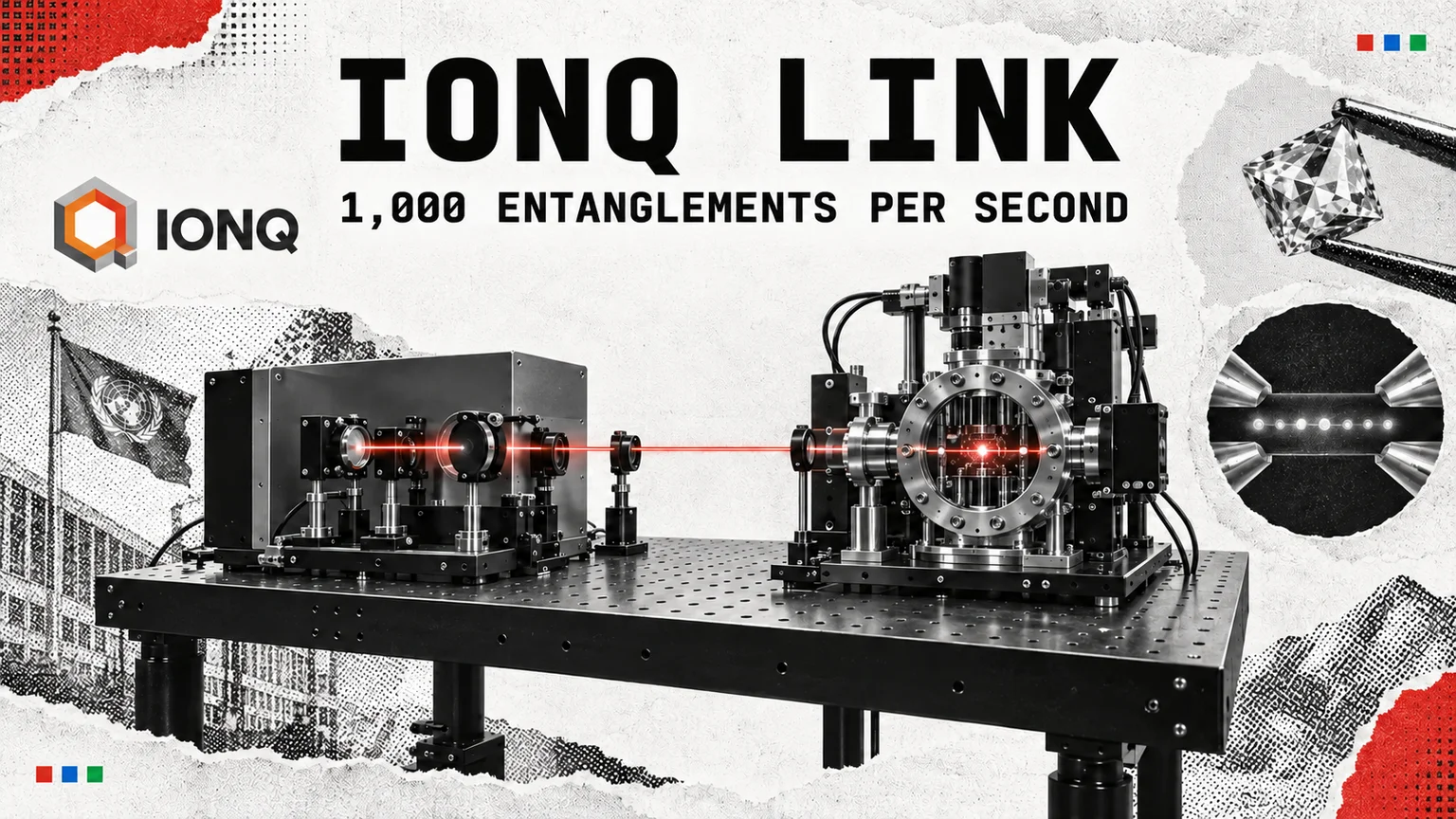
IonQ, Atom Computing and Diraq each announced potential Stage C funding of up to $300 million. IonQ’s agreement runs through 2029 and covers verification of multiple generations of its Superion systems. Funding beyond the initial obligation depends on future appropriations and DARPA funding decisions.
Diraq announced an initial $51 million tranche to support the next year of development. Its work includes technical demonstrations, system updates and research infrastructure. Atom Computing says Microsoft will provide algorithmic support and error-correction codes for its neutral-atom approach.
IonQ also agreed a cybersecurity acquisition
IonQ announced a separate agreement on 12 October to acquire Elisity for up to $1.3 billion in stock. The proposed transaction includes up to $150 million in performance-linked earnout payments. IonQ expects it to close in the fourth quarter of 2026, subject to regulatory approval and other customary conditions.
Elisity’s software controls which users, devices and applications can communicate across a network. IonQ plans to combine that access control with its post-quantum cryptography and quantum key distribution capabilities. The acquisition would expand the company’s security business alongside its quantum hardware programme.
Sources
- DARPA: four more teams enter QBI's final stage, 7 October 2026darpa.mil
- IBM: advancement to Stage C, 7 October 2026newsroom.ibm.com
- IonQ: Stage C agreement, 7 October 2026ionq.com
- Atom Computing: Stage C selection, 7 October 2026atom-computing.com
- Diraq: Stage C funding and verification, 8 October 2026diraq.com
- IonQ: proposed Elisity acquisition, 12 October 2026ionq.com