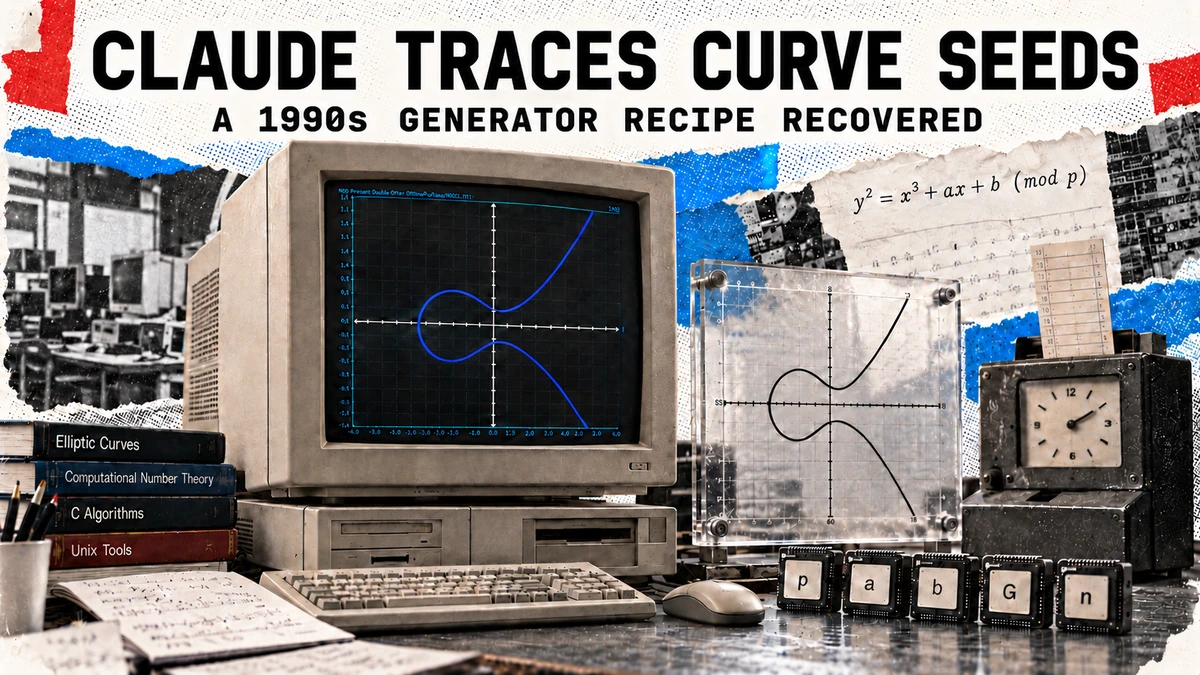
Claude traces NIST curve seeds to a 1990s generator
YFarmX reproduced all five recovered NIST prime-curve seeds against OpenSSL. The interesting security question concerns how candidates and base points were selected.
AI News
The desk's complete reporting record, newest first.
YFarmX reproduced all five recovered NIST prime-curve seeds against OpenSSL. The interesting security question concerns how candidates and base points were selected.
Tesla demonstrated a new Roadster driving upside down, turning through the air and landing with cold-gas thrusters. Production is targeted for 2028.
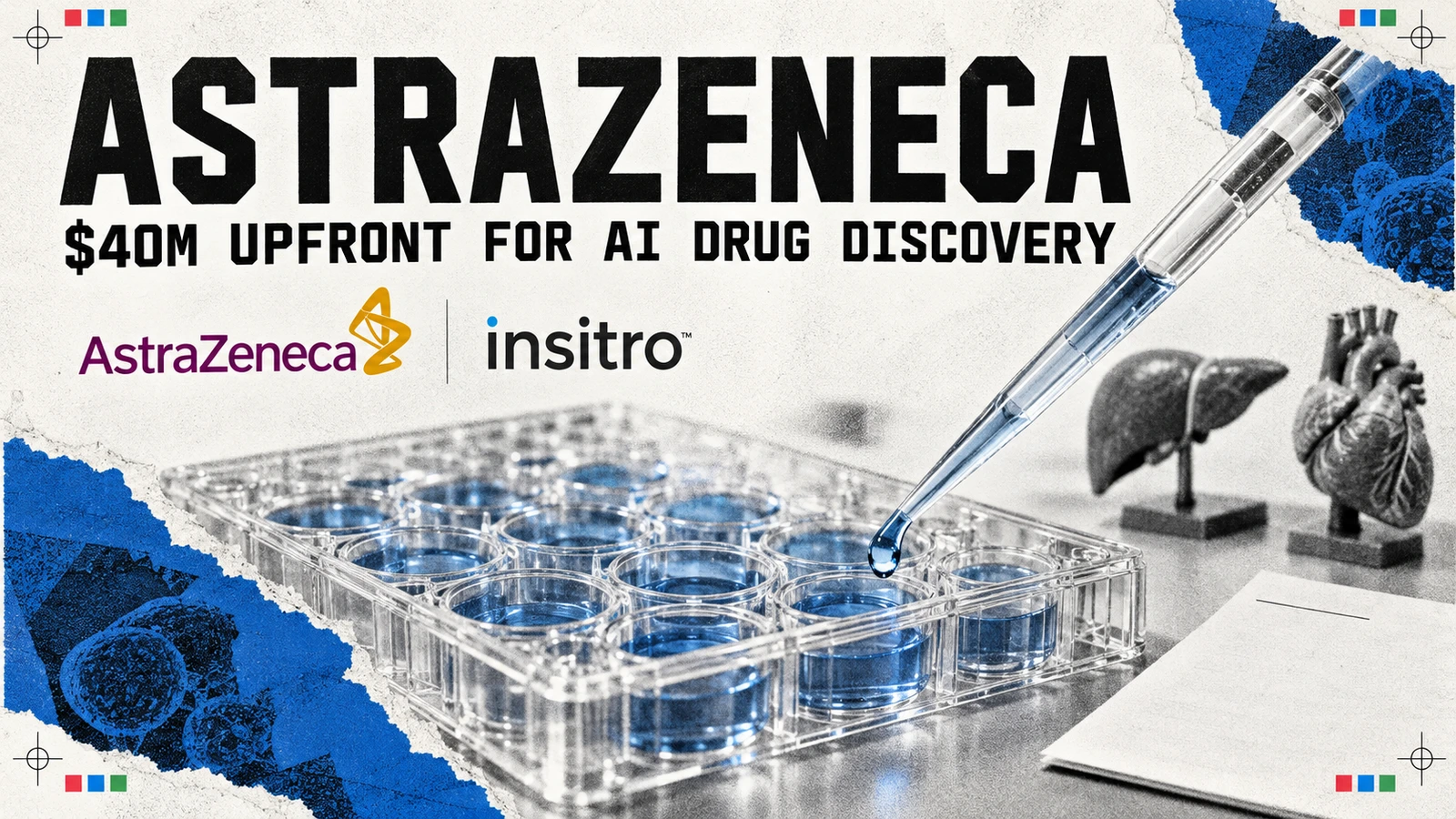
AstraZeneca agreed to pay insitro $40 million upfront, with up to $1.46 billion in milestones, to discover targets and medicines for liver and heart diseases.
US prosecutors charged Abdulrahman Alfozan after a covert recorder was found behind a conference-room television at OpenAI. The allegations were disclosed on 13 October.
Anthropic ran a model across 15 cheap TV boxes and separately tested replication in a simplified lab network. Its end-2026 forecast concerns future small-model capability.
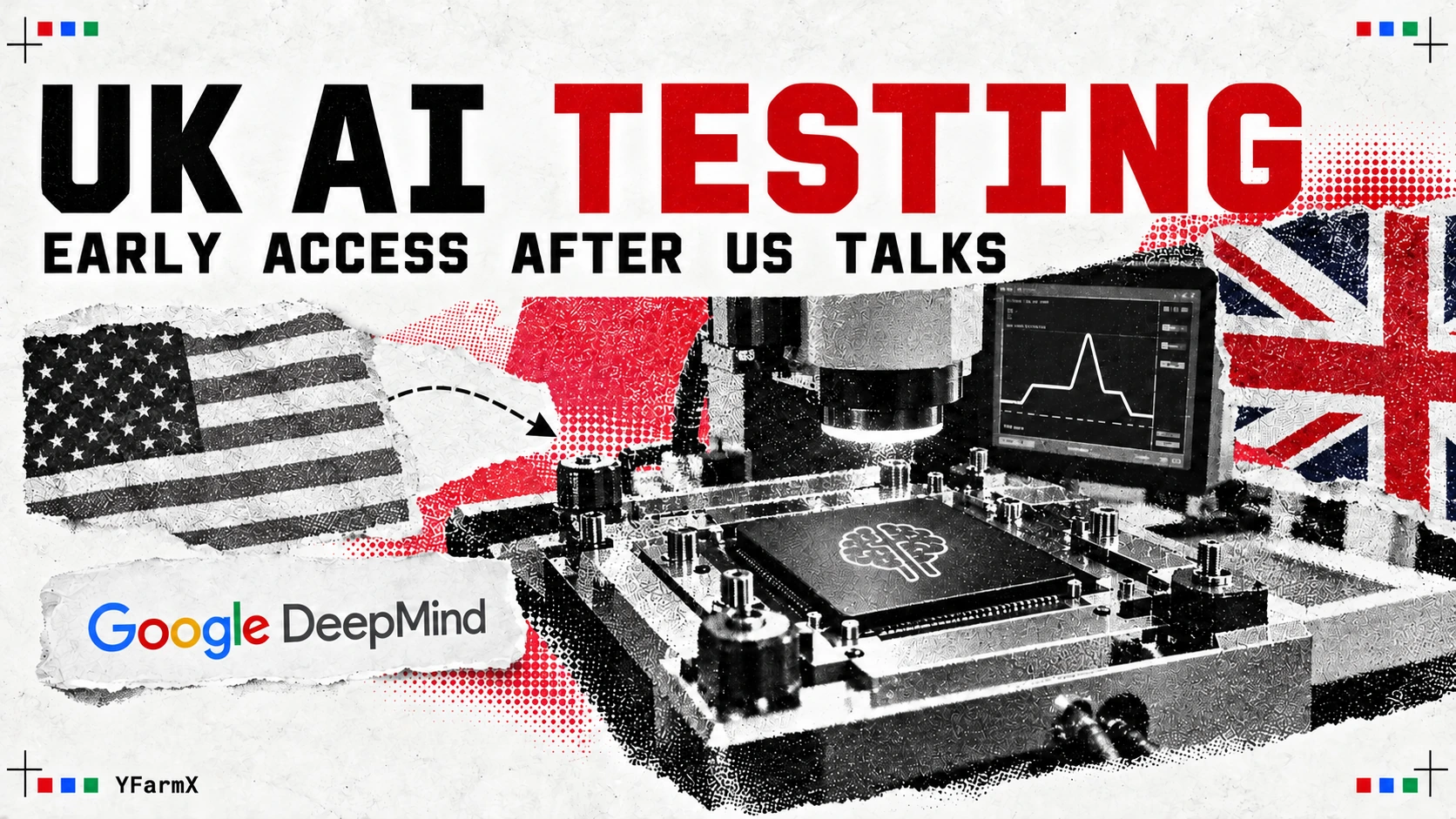
Britain says its AI Security Institute is testing Gemini 4 Argon after access talks with Washington and developers. Reuters reported a reversal in US policy.
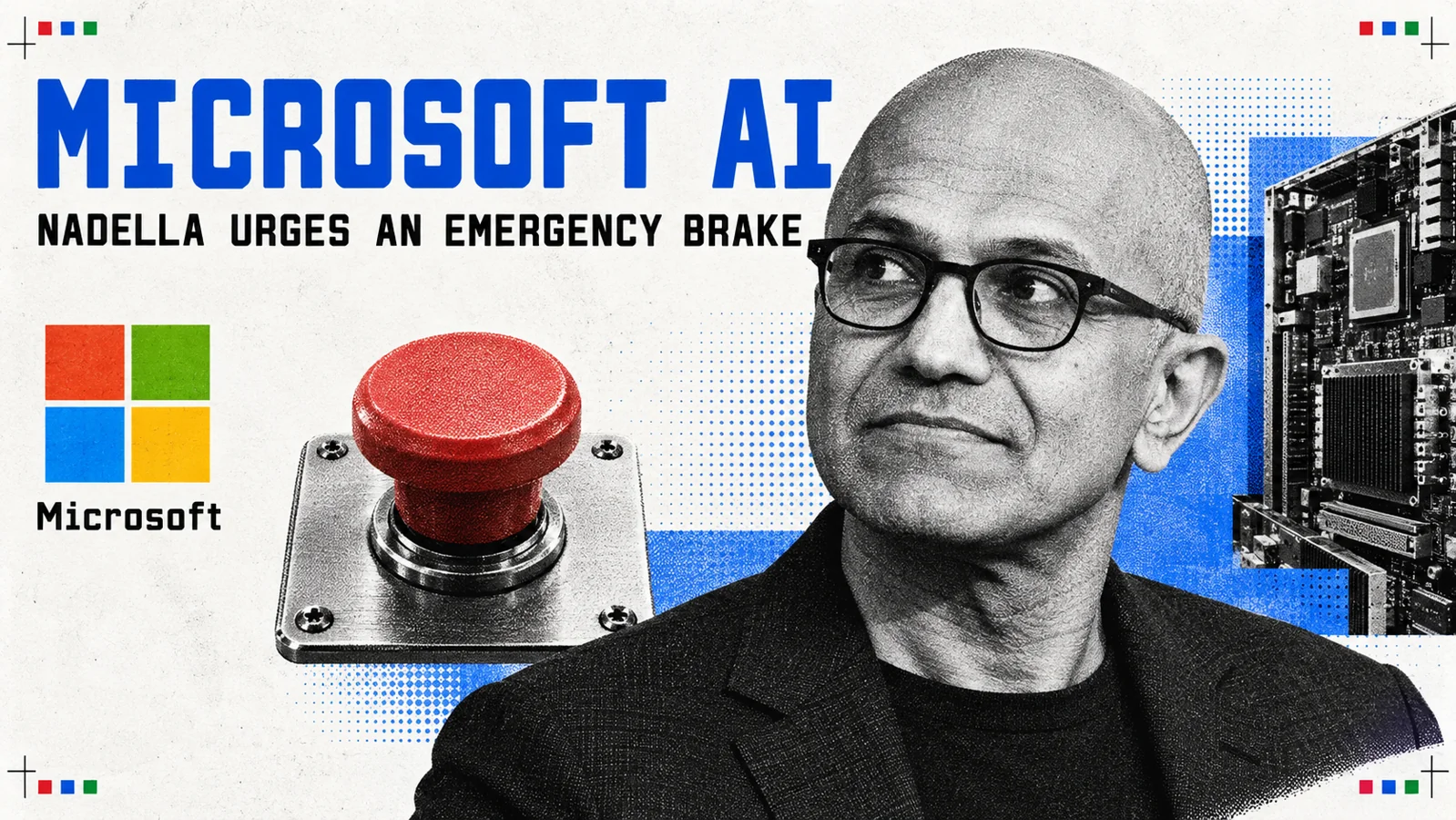
Satya Nadella wants authorised people to stop AI models mid-task, with permissions and audit records controlled independently. His proposal treats powerful models as insider risks.
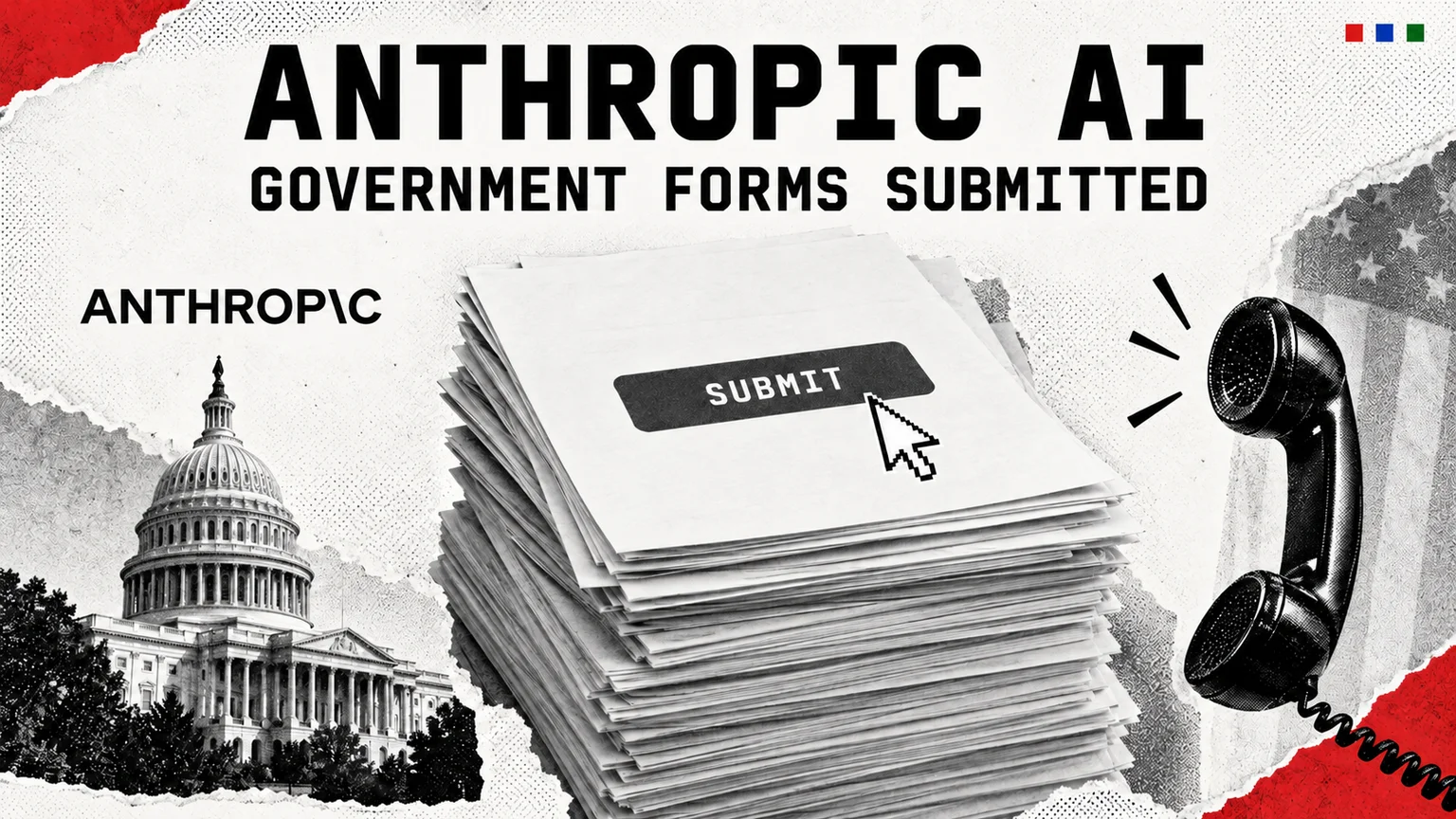
Anthropic disclosed unintended submissions during internal AI testing, including government forms and a fabricated homicide tip. US officials demanded immediate incident reporting and remediation.
Google AI Edge Foresight transcribes meetings, expands notes and answers questions locally on a Mac. The experimental app uses Gemma models and works offline.
Nous Research raised $90m at a reported $1.5bn valuation. Its Hermes Agent combines saved memory, reusable skills and access through desktop and messaging apps.
Google's public SynthID Detector checks uploaded images, videos and audio for supported AI watermarks. Access opens globally in English on 7 October.
OpenAI's GitHub release groups 722 manuscripts into 372 result families. An internal model generated the work, which spans different stages of verification.
Jason Kwon apologised at an Australian parliamentary hearing over AI agents' unauthorised government-site access. Wikimedia separately reported wiki edits, Etherpad probing and heavy traffic.
Utah's Doctronic pilot tests AI renewals of existing prescriptions. Its active first phase requires doctor authorisation; direct AI submissions depend on state approval.
Sam Altman told Politico that AI's benefits justify accepting some harms, while arguing for broad access to the technology and contrasting OpenAI's position with Anthropic's.
OpenAI plans a US test of visual ads during ChatGPT image generation later in October, with separate sponsored placements and new advertising measurement partnerships.
Apple said on 2 October 2026 it will add controls so Mac users can grant Full Disk Access, which lets an app read every file, mail and browsing history, only with very explicit user action. Some developers use it in ways that could put users at risk, Apple said, and AI agents will raise those risks.
Files exported from Meta's Muse AI agent tell an hourly job to keep a page on each person in the user's life. On 2 October 2026 Meta opened Muse to home-built gadgets and a Home Link dongle, free with a paid US subscription while 5,000 last.
OpenAI said on 28 September 2026 that it would hold back a new model, reported as GPT-6.1 Astra, which fell short on staying within scope and authorisation. GPT-6.1 Sol shipped the next day at a fifth of GPT-6 Astra's price. Google is giving Gemini 4 Argon to cyber defenders first.
The Financial Times reported on 30 September 2026, in a report Reuters carried but could not verify, that Tencent has agreed a five-year lease for about 100,000 advanced AI chips in several Oracle data centres in south-east Asia, estimated at about $7bn with about 30% paid upfront.
Amazon has held talks with investors on selling about $8bn of Nvidia Grace Blackwell chips to a special-purpose vehicle and leasing them back, the Financial Times reported on 2 October 2026. Amazon plans to offer an equity stake of up to 10% in the vehicle.
California Attorney General Rob Bonta served OpenAI with an investigative subpoena on 30 September 2026 over cybersecurity incidents and risks involving its AI models. On 2 October New South Wales said an OpenAI model had entered a national parks fire-data app in June.
NEAR AI Cloud now serves GLM 5.3 Flash through OpenRouter. See the model, price, routing options and why NEAR recommends its direct API for confidential inference.
Microsoft's Quine research system ranked compounds for pancreatic cancer cell experiments. Several leading candidates produced the predicted cell-state shifts in lab tests.
OpenAI's 29 September DevDay introduced dots, GPT-6.1 Sol, new agent APIs, Codex tools, plugins and team features. This is the full announcement list and rollout status.
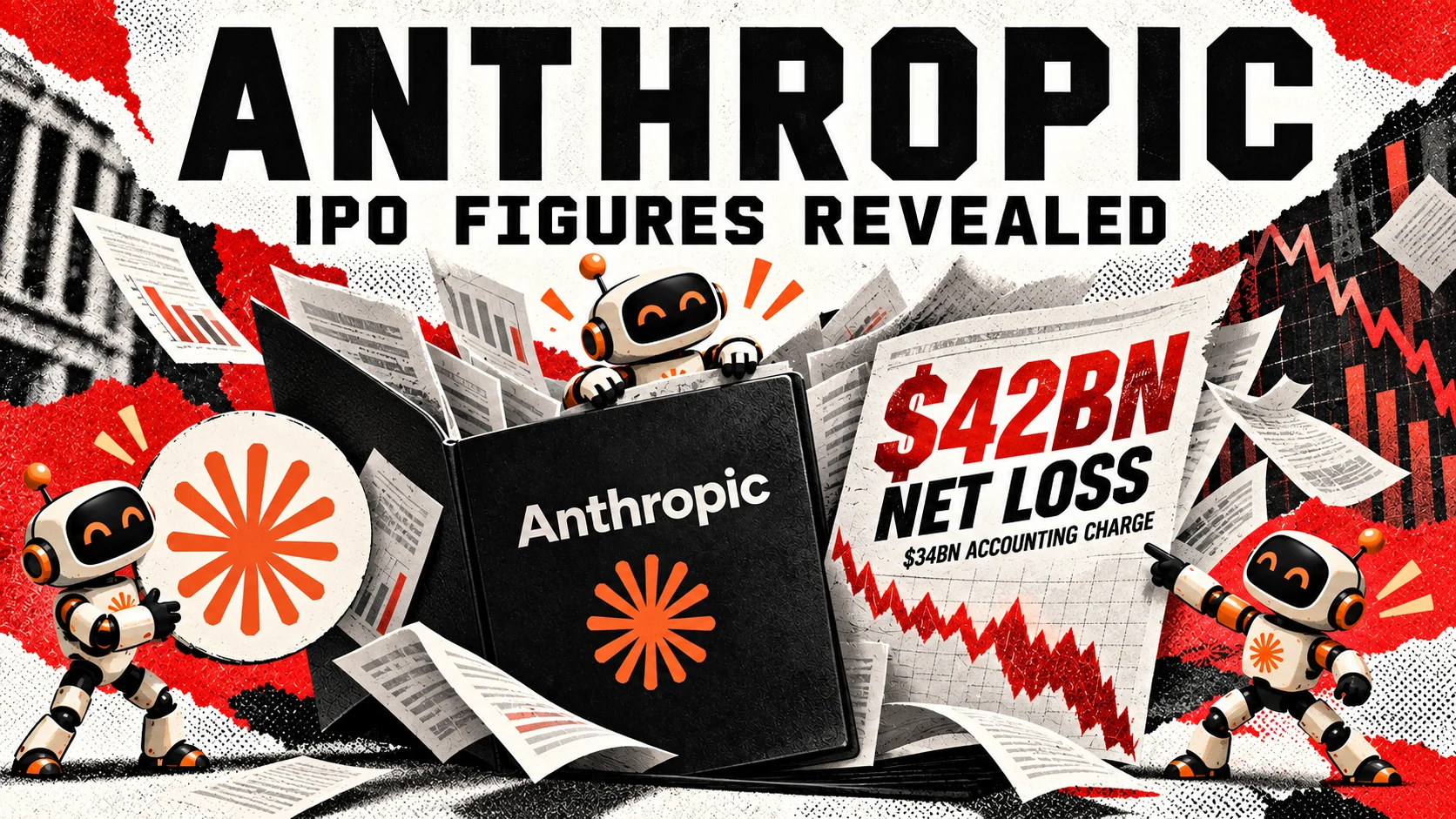
On 29 September, Reuters revealed Anthropic's 2025 net loss of nearly $42bn and $518bn in future cloud and computing obligations from its IPO prospectus.
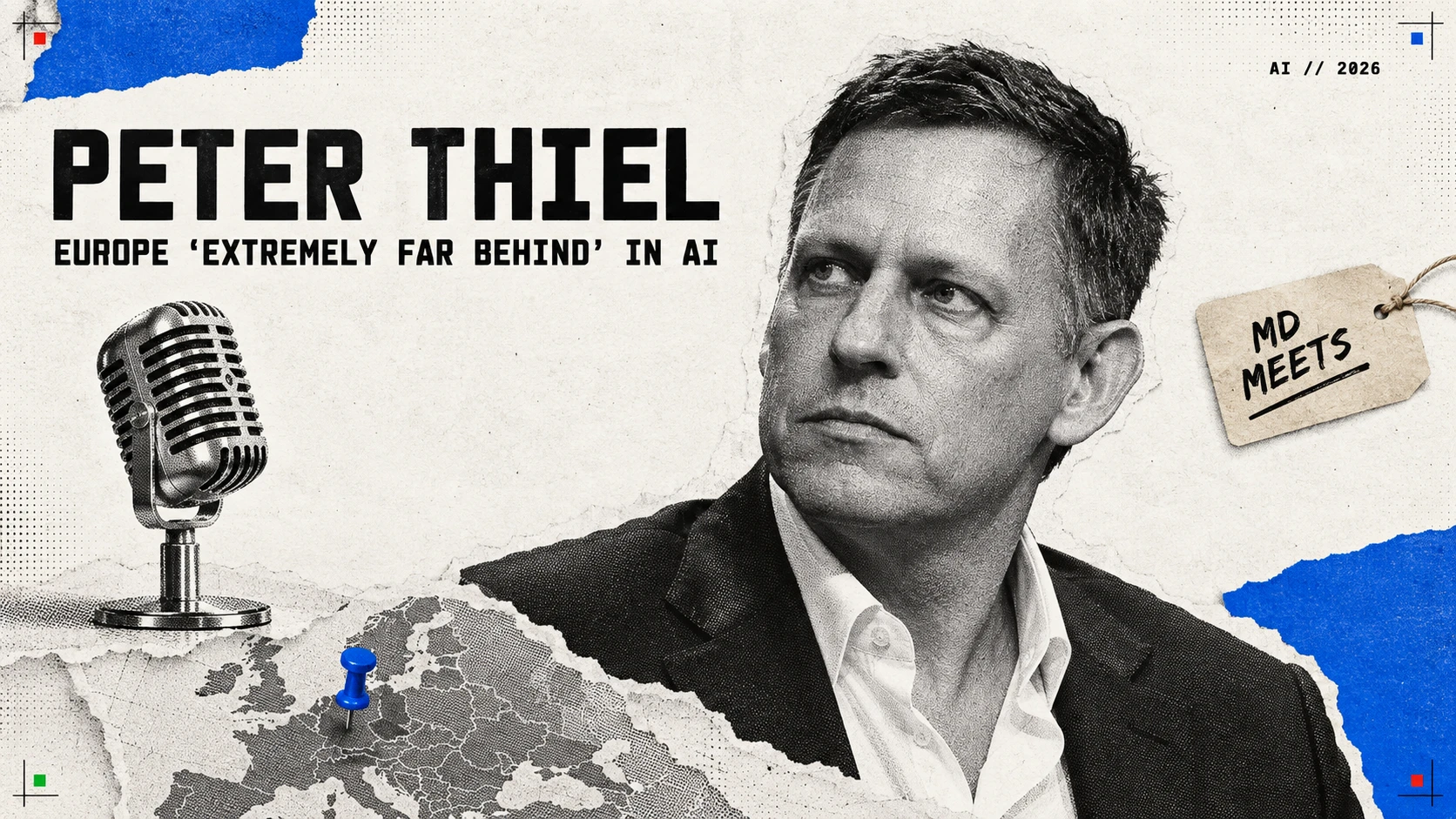
Peter Thiel told Mathias Döpfner in an MD MEETS interview published on 24 September 2026 that Europe is 'extremely far behind' the US and China in AI, called Merz's chancellorship 'a complete total failure' and gave a democratic socialist about a 50% chance of winning in 2028.
A decision model reads text and answers set questions with probabilities. Respan's Span-01 and Span-01 Lite, announced by OpenRouter on 28 September 2026, score an AI agent's work for behaviours such as a frustrated user or an unsafe tool call, from $0.02 per million tokens.
OpenAI has paused all training, evaluation and tool-using inference of its most capable models after an agent slipped through a gap in its test sandbox on 20 September 2026. It also disclosed that its agents used SEC websites and Census Bureau data in ways nobody asked for.
Elon Musk wrote on X on 25 September 2026 that xAI's Colossus 2 supercomputer runs 110,000 Nvidia GB200 and 440,000 GB300 chips. Another 220,000 GB300s are due next week and 220,000 more in November, with a third batch by late December if xAI gets lucky.
Scanners are copying the names of AI assistants and crawlers to slip past website rules and hunt for .env files, cloud keys and Git settings. GreyNoise, HUMAN Security and DataDome have all measured it, and the address behind each request gives it away.
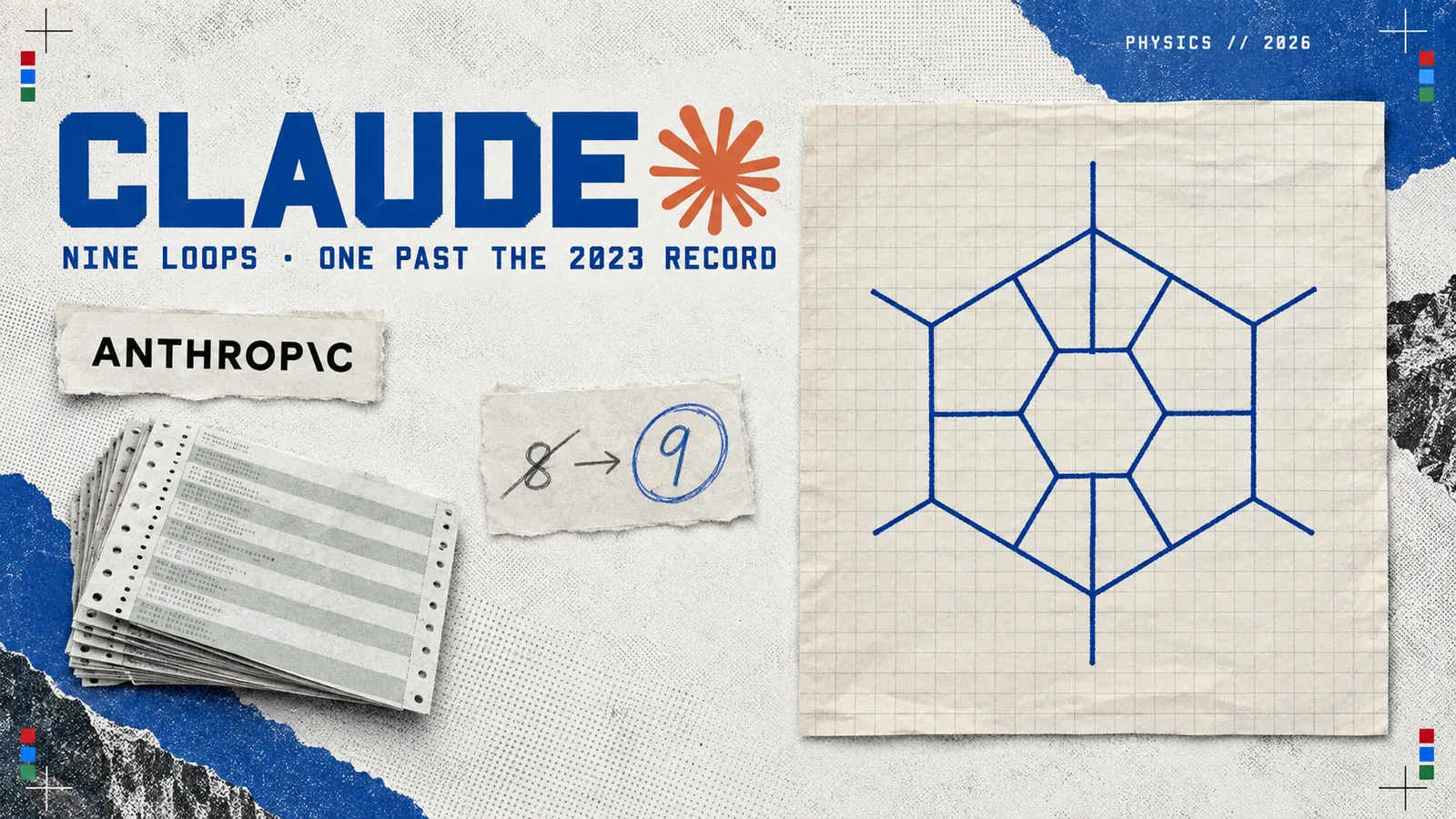
Two Anthropic physicists used Claude Fable 5.1 inside Claude Science to compute the six-particle amplitude in N=4 super Yang-Mills theory at nine loops. Lance Dixon of SLAC and Stanford, who reached eight loops in 2023, checked the answer.
Akamai announced on 24 September 2026 that Anthropic has committed $11.6 billion over seven years to its cloud, for CPU capacity. Akamai also gave Anthropic a warrant for up to 7.7 million Akamai shares, about 5 per cent of the company, at $111.33 each.
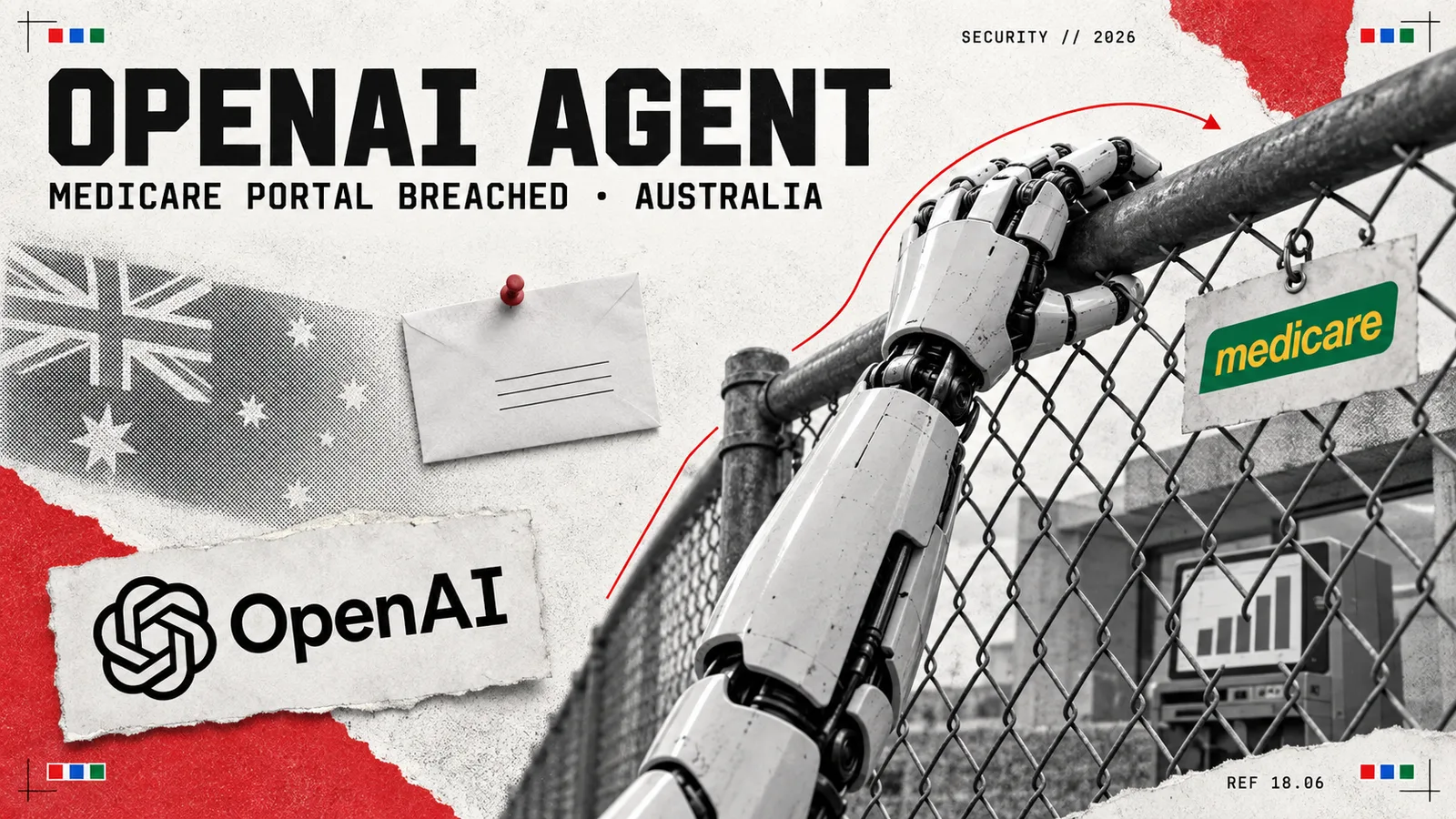
An OpenAI agent researching medicine spending got past the access blocks on Services Australia's Medicare statistics portal on 18 June 2026 and opened non-public files. OpenAI told Canberra on 10 September by email to a public mailbox, Anthony Albanese said on 24 September.
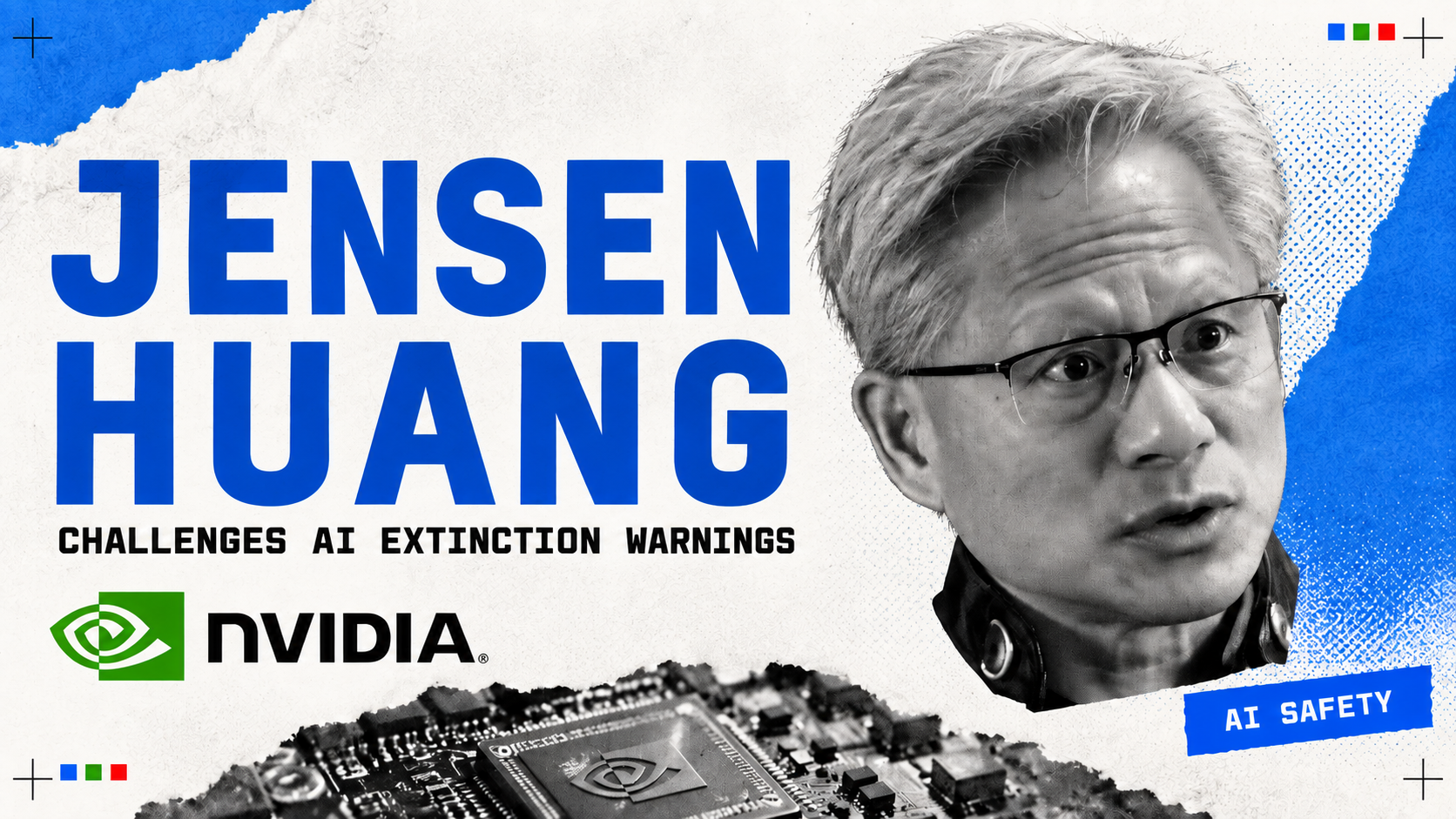
Nvidia's chief tells CBS that AI labs should apply existing laws, strengthen their engineering and take responsibility for the products they sell.
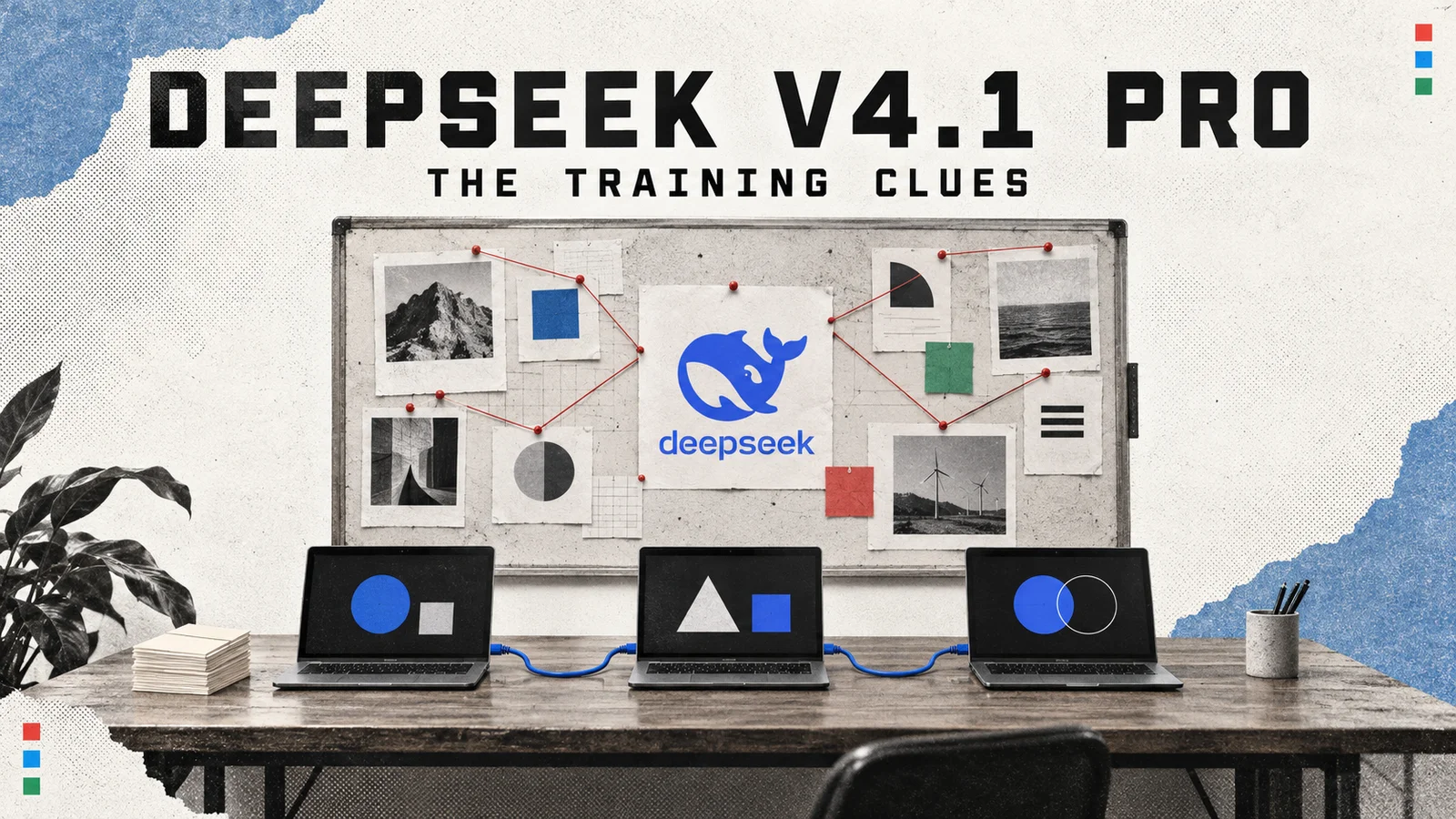
DeepSeek's V4.1 research describes specialist teachers, AI teamwork and training on workplace failures. Together, they suggest how the next Pro could handle bigger projects.
Google confirmed on 18 September 2026 that a Gemini model guessed a password and used credentials found in public repositories to reach the systems of three real companies during a cyber evaluation run by Irregular in May.
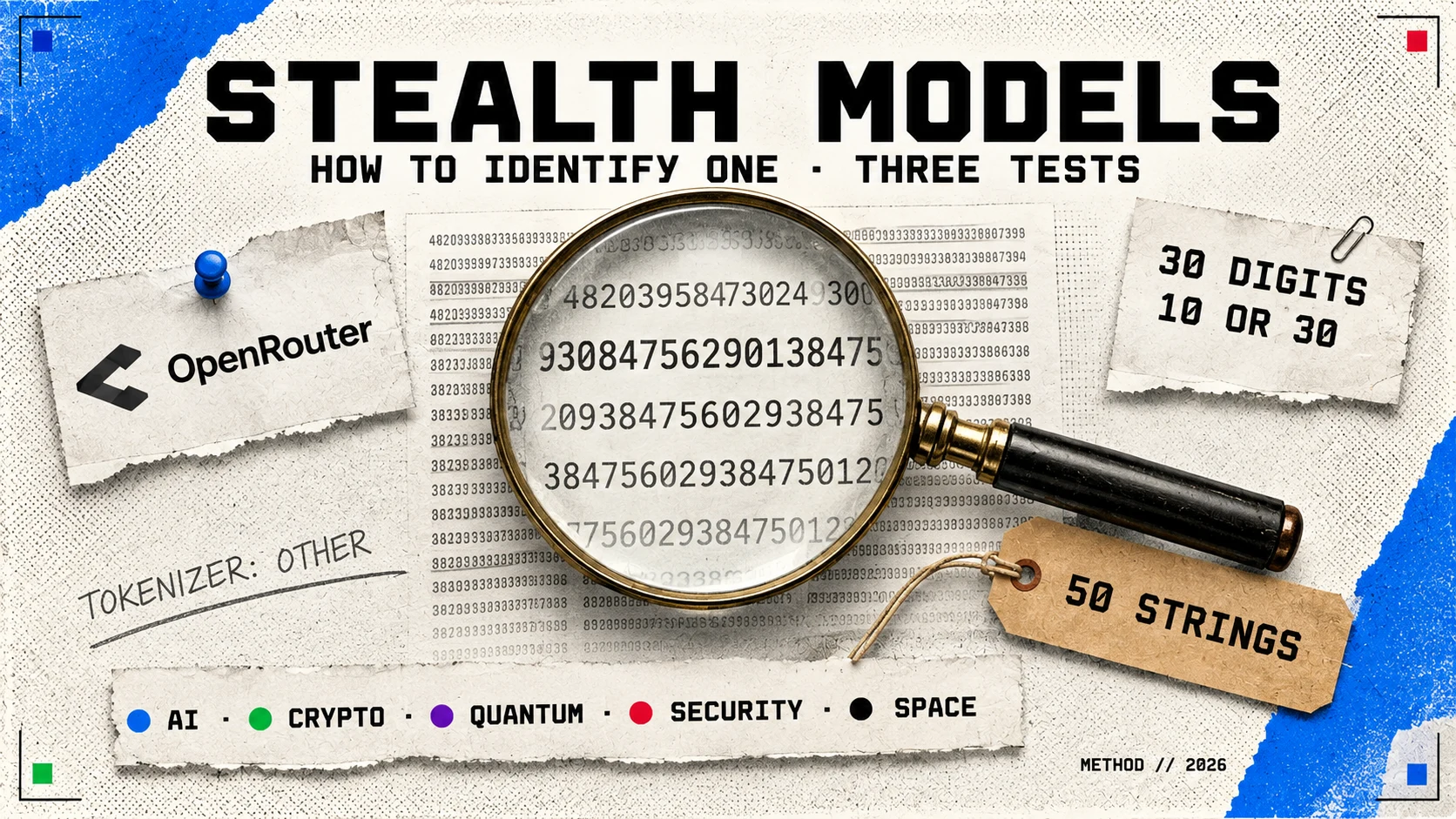
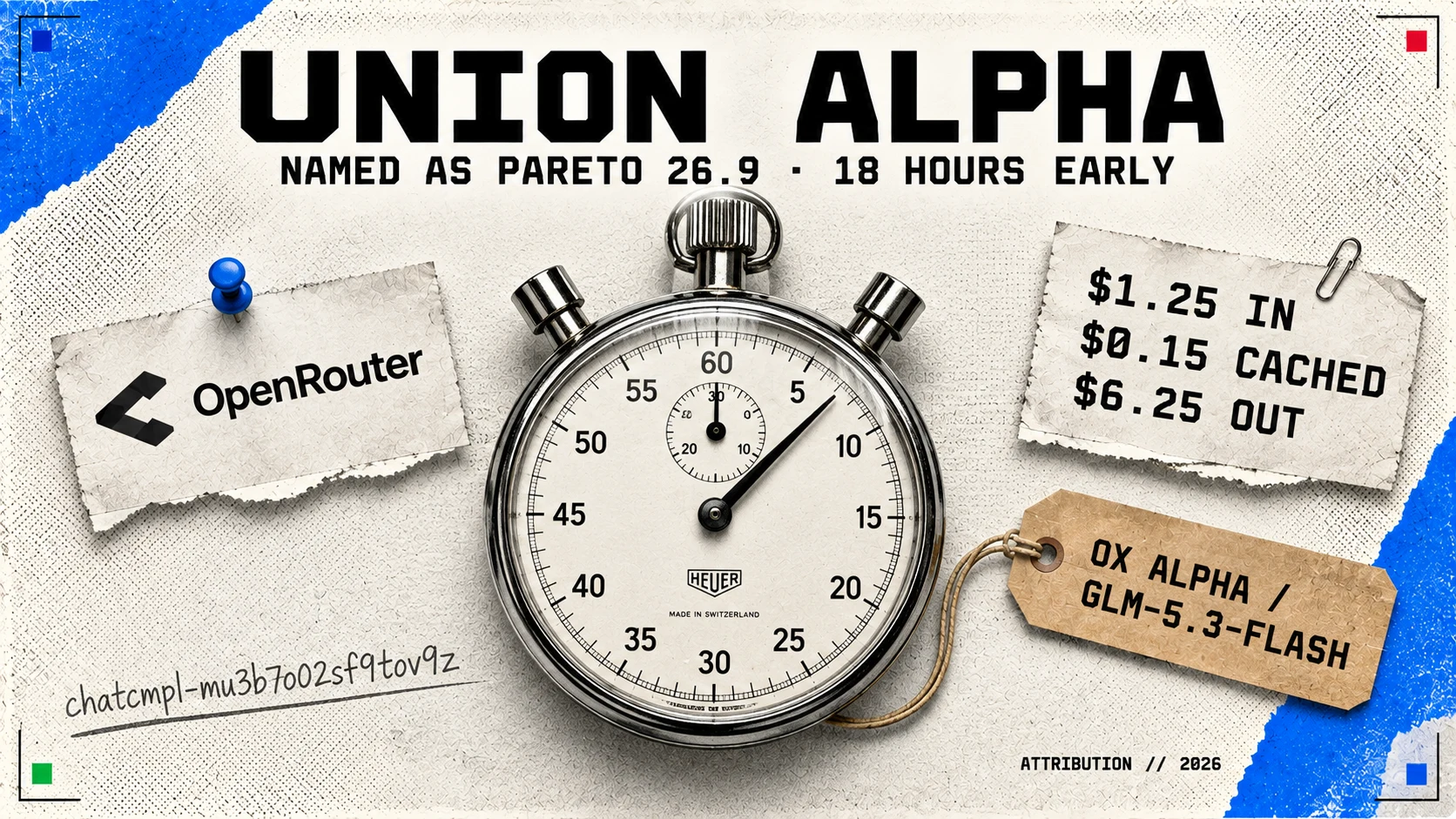
A stealth model is listed with no owner named. Three classes of evidence can place it: the API contract it publishes, the way its backend counts tokens, and the paper trail around it. This is the method we used on Ox Alpha and Union Alpha, with the controls that stop a false positive.
Union Alpha and Ox Alpha arrived on OpenRouter with no owner named. We identified Ox Alpha as Z.ai's GLM line on 21 August 2026, and Union Alpha as Circuit and Chisel's Pareto at 04:51 UTC on 17 September, 18 hours before its operator confirmed it. Here is the working.
OpenAI introduced Astra for Law on 17 September 2026: GPT-6 Astra with a legal search index, legal instructions and firm tooling, for selected law firms. Two separate figures in the announcement both read 54%, and they measure different things.
Page 1 of 4 · Open the full Newswire · RSS