DeepMind researchers quit over Google's military AI contracts
Sofia Liguori and Andreas Kirsch left Google DeepMind over military AI concerns, BBC interviews report. Google says its contracts follow its policies and AI principles.
Listen to this articleListen
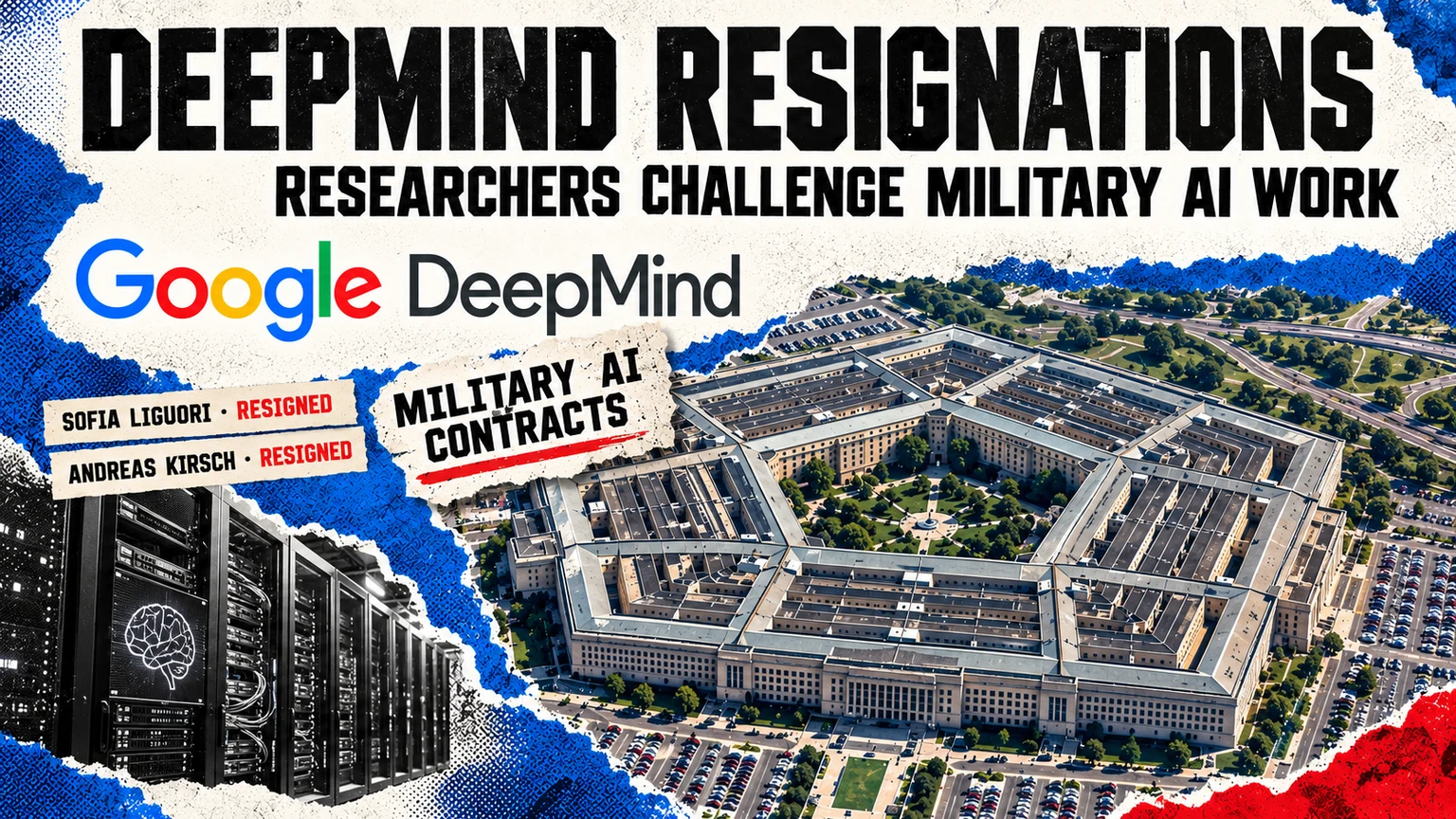
Google DeepMind employees Sofia Liguori and Andreas Kirsch have resigned over concerns about the company’s military AI work, according to BBC interviews published on 21 October. Liguori, a London-based research engineer, left during that week; Kirsch left earlier in October, the BBC report syndicated by AOL says.
Their concerns centre on the oversight of powerful AI in military and classified environments. Google DeepMind develops AI technology used across Google’s products, making the dispute about how that technology is deployed as well as the terms under which it is supplied.
The departures put oversight at the centre
Liguori told the BBC that Google’s growing work with the US and Israeli militaries had undermined her confidence in the company’s direction. Kirsch questioned whether its governance and visibility into military deployments were sufficient.

Google told the BBC that it follows a consistent process for reviewing public-sector contracts, including its acceptable-use policies and AI principles. It also said employees have channels for raising concerns and that workplace rules prohibit retaliation.
Classified deployments put oversight under scrutiny
The former employees’ concerns include how AI is supervised in classified military settings. The BBC interviews connect their objections to questions about reliability, human control and the supplier’s visibility into deployments.
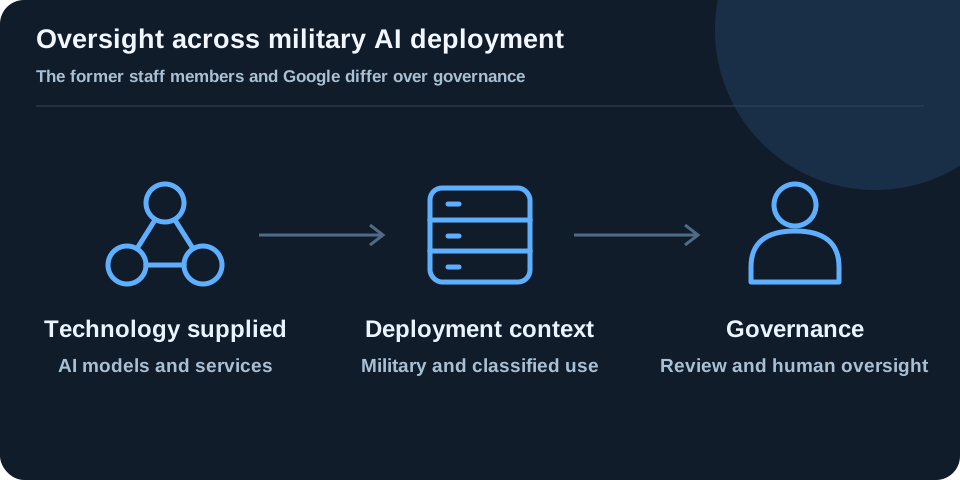
Classified networks handle sensitive military information. Assessing a deployment’s governance involves the people who can review its behaviour, the tasks it is permitted to perform and the routes for escalating a concern.
Google’s principles commit to human oversight
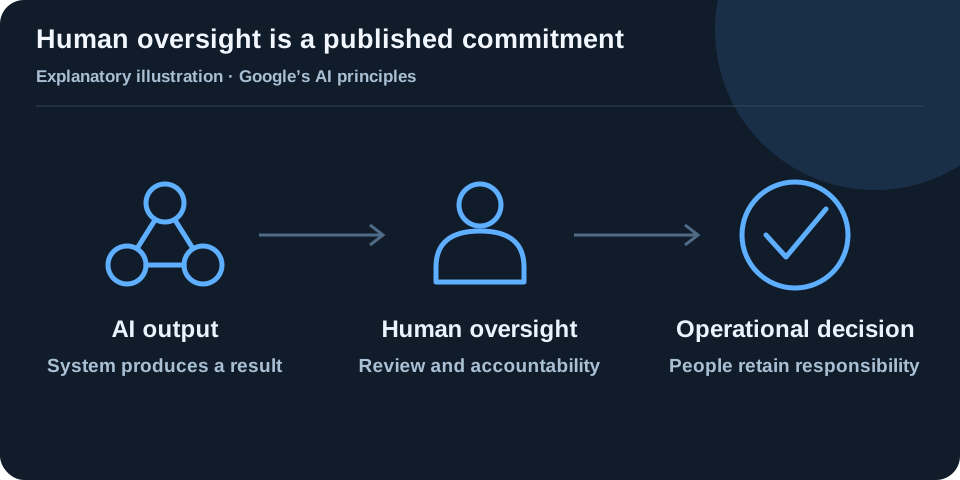
Google’s published AI principles commit to appropriate human oversight, due diligence and feedback mechanisms aligned with social responsibility, international law and human rights. The principles also describe investment in safety research, testing and technical measures to address risks.
Applying those commitments requires decisions throughout a system’s use: which tasks it can perform, who checks its output and who can change or stop a deployment. Those are the practical governance questions raised by the resignations.
The named departures give the debate identifiable participants and specific concerns. Google’s response rests on its review processes and published commitments; the former staff members question how effectively those arrangements govern military AI use.