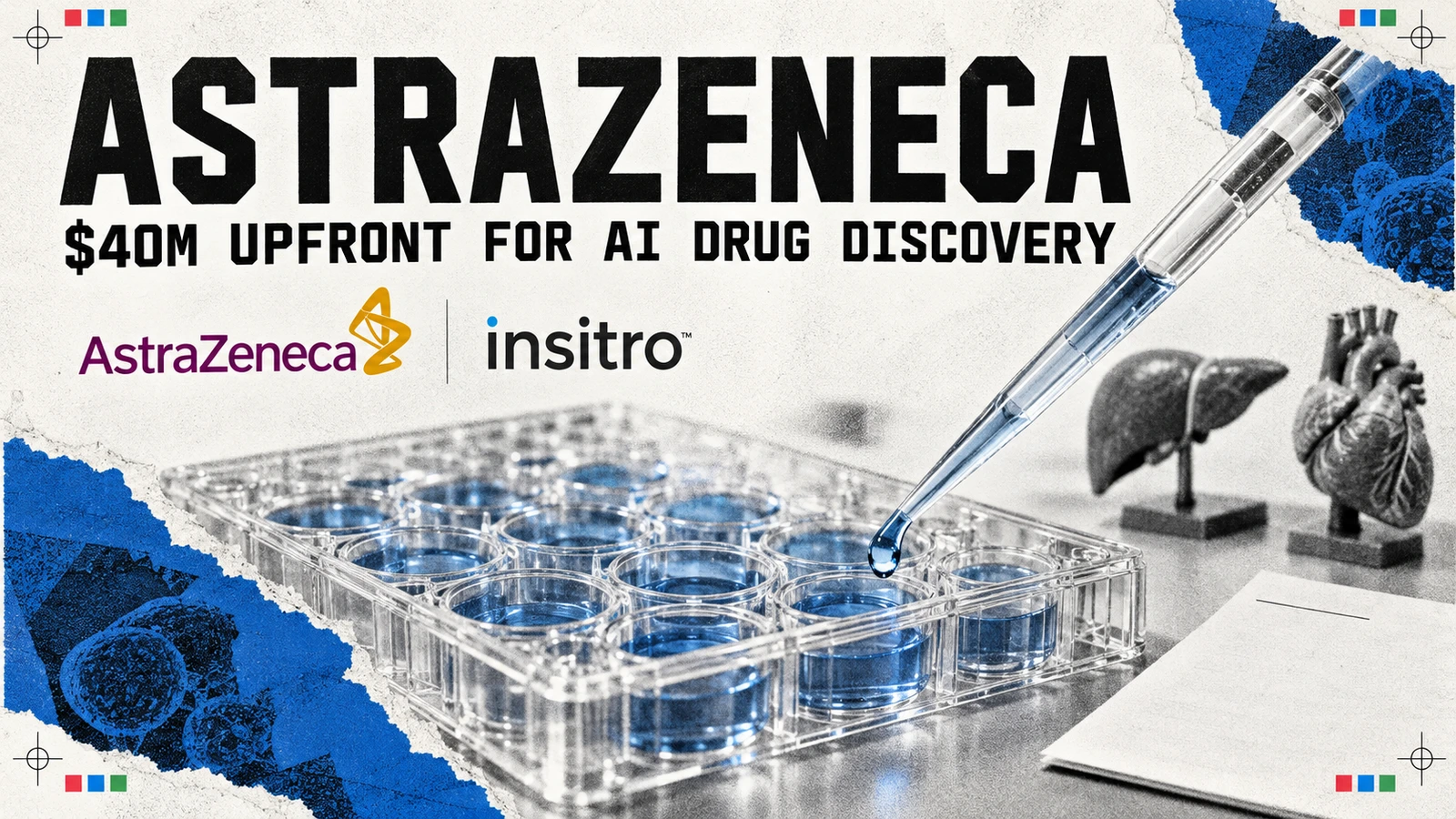
AstraZeneca pays insitro $40m upfront for AI drug discovery
AstraZeneca agreed to pay insitro $40 million upfront, with up to $1.46 billion in milestones, to discover targets and medicines for liver and heart diseases.
Listen to this articleListen
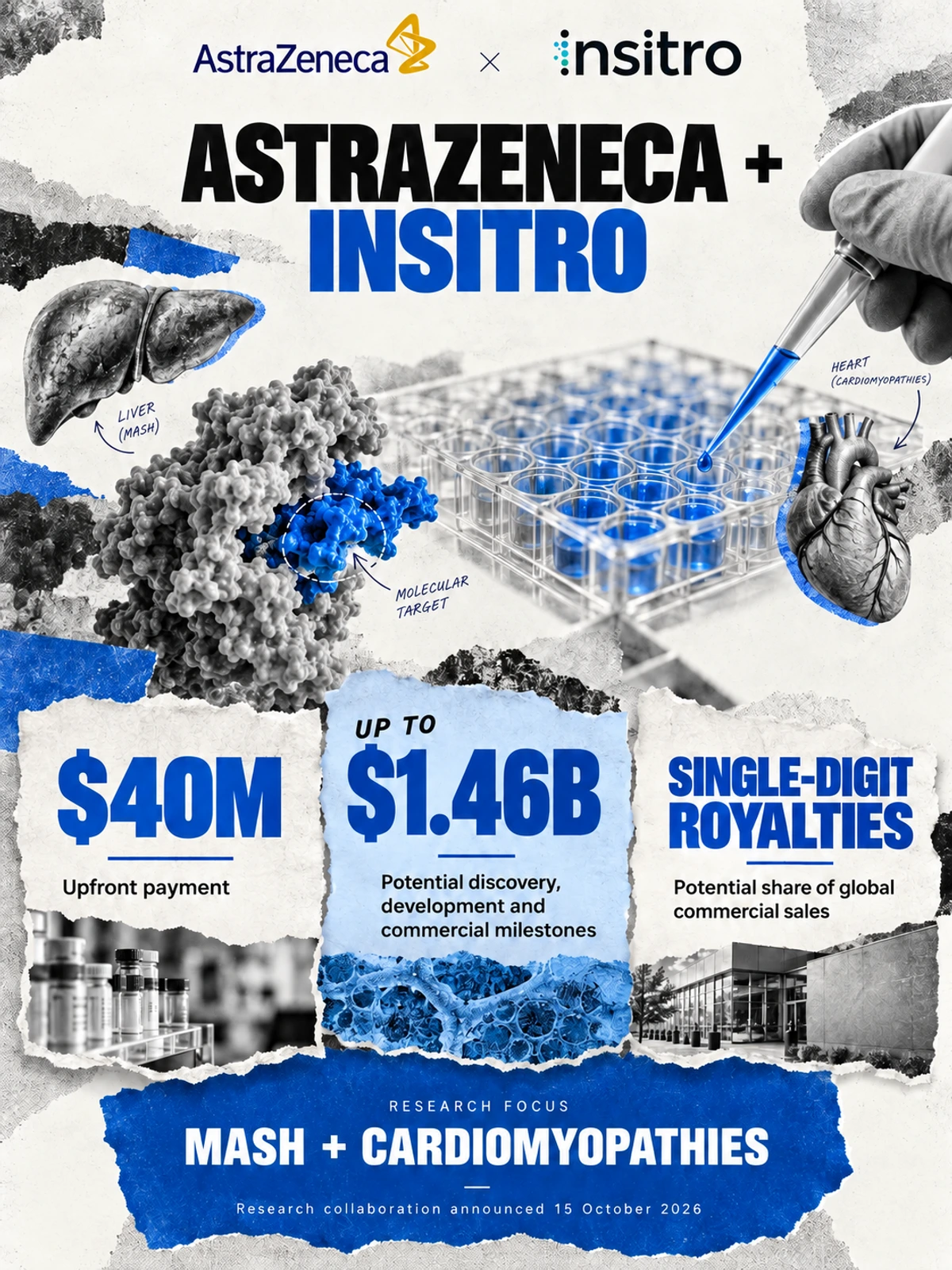
AstraZeneca will pay insitro $40 million upfront for an AI drug-discovery collaboration targeting liver and heart diseases. The companies’ agreement also carries up to approximately $1.46 billion in potential development and commercial milestones, plus potential single-digit royalties on global sales.
The 15 October 2026 announcement covers MASH, an inflammatory liver disease, and cardiomyopathies, diseases of the heart muscle. The work starts with identifying biological targets and developing promising medicine candidates.
Most of the potential payments depend on progress
The $40 million is the upfront payment; the larger milestone amount depends on future achievements. insitro’s announcement describes payments tied to discovery, development and commercial milestones. Together, the amounts give the agreement a potential value of approximately $1.5 billion before royalties.
| Payment | Terms announced |
|---|---|
| Upfront | $40 million |
| Development and commercial milestones | Up to approximately $1.46 billion |
| Royalties | Potential single-digit percentage of global commercial sales |
That structure pays for an initial research commitment while tying much of the possible financial return to the programmes’ progress. AstraZeneca receives exclusive worldwide rights to advance selected programmes.
AI helps researchers choose what to target
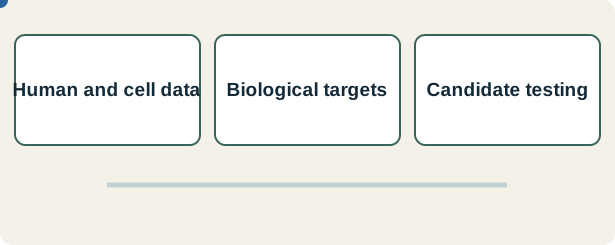
insitro will use its Virtual Human platform to investigate the biological causes of disease and advance nominated targets towards development candidates. The platform brings together human and cellular data with AI-based analysis.
A target is a biological component or process that a medicine could act on. Choosing it sets the direction for later experiments: researchers need to establish whether changing that target has a useful effect on disease.
The FDA’s description of drug discovery places insights into disease mechanisms and the testing of potential compounds at the start of the process. Promising compounds then undergo further experiments into how they behave, their potential benefits and their safety.
The research focuses on the liver and heart muscle
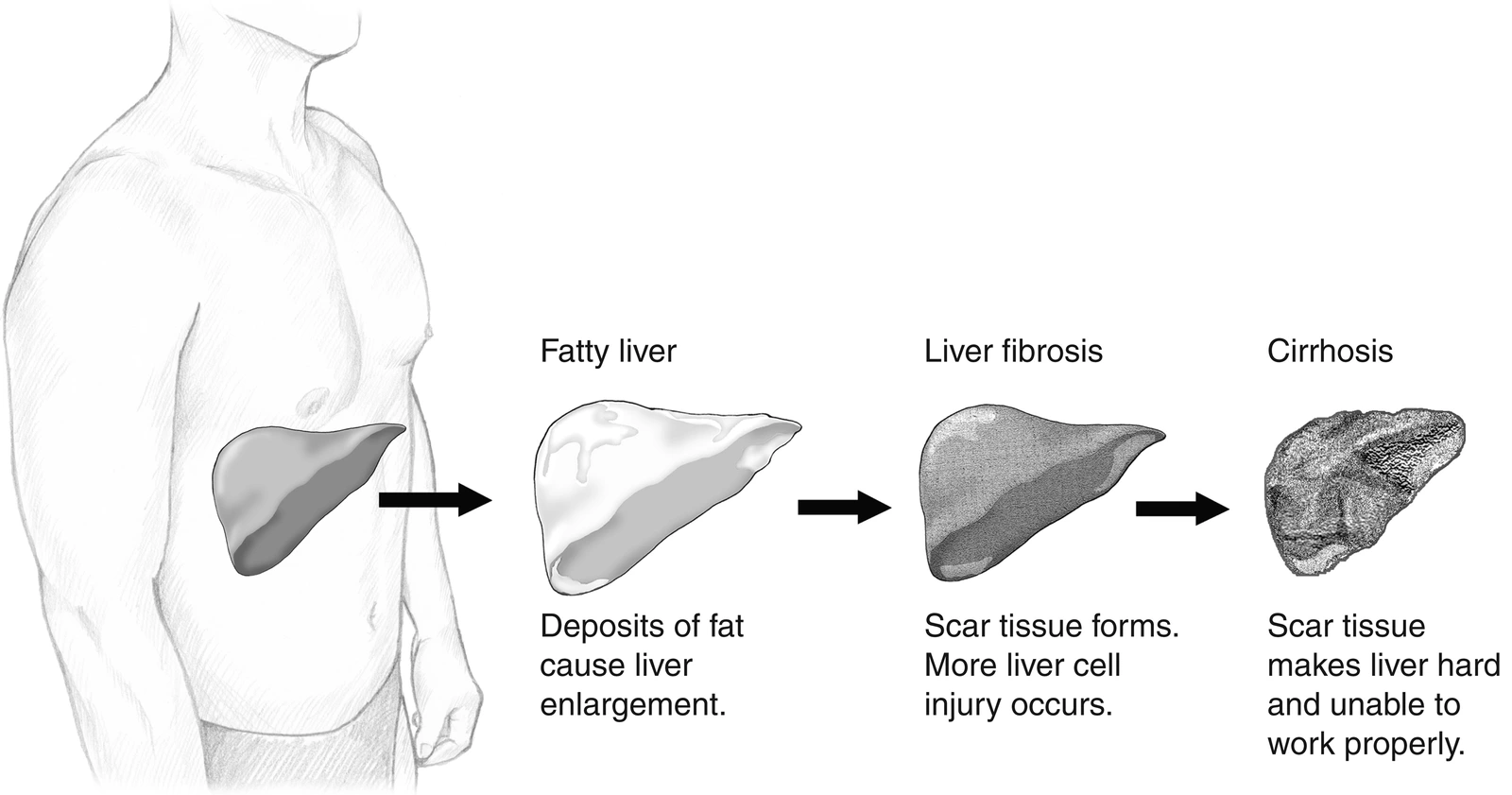
MASH involves liver inflammation and injury associated with metabolic dysfunction; cardiomyopathies affect the muscle that pumps blood around the body. Those are the two disease areas named in the collaboration.
The US National Institute of Diabetes and Digestive and Kidney Diseases describes how the liver condition can develop alongside fat accumulation and progress to scarring. Its research overview also explains how studies of genetics, cells and patient samples can uncover potential treatment targets.
The National Heart, Lung, and Blood Institute describes cardiomyopathy as a group of conditions in which the heart muscle can become enlarged, thickened or stiff. Changes in that muscle can impair the heart’s ability to pump effectively.
Promising candidates move into experimental development
AstraZeneca will bring clinical-development and regulatory expertise to programmes selected through the collaboration. The immediate research goal is to connect disease biology with candidates worth advancing.
The FDA describes the next experimental questions as how a compound is absorbed and processed, how it acts, what doses could be useful and what adverse effects it may produce. Those measurements turn a promising discovery into a development programme that can be evaluated further.
The agreement connects insitro’s data-led target discovery with AstraZeneca’s ability to advance medicines through that development process.
Sources
- AstraZeneca: insitro collaboration and financial termsastrazeneca.com
- insitro: collaboration terms and research programmeinsitro.com
- NIDDK: liver disease biology and researchniddk.nih.gov
- NHLBI: cardiomyopathynhlbi.nih.gov
- FDA: drug discovery and developmentfda.gov