
OpenAI's coding deals put pressure on Anthropic
The Information reports Replit's $100m-plus annual OpenAI deal and Rippling's shift towards OpenAI for coding. GPT-5.6 Luna already powers Replit Free Mode, according to OpenAI.
Listen to this articleListen
OpenAI and Replit already work together on software creation: GPT-5.6 Luna powers Replit Free Mode, according to their published product account.
The Information reports Replit’s $100m-plus annual OpenAI deal and Rippling’s shift towards OpenAI for coding.
Discounts and cost savings measure different things
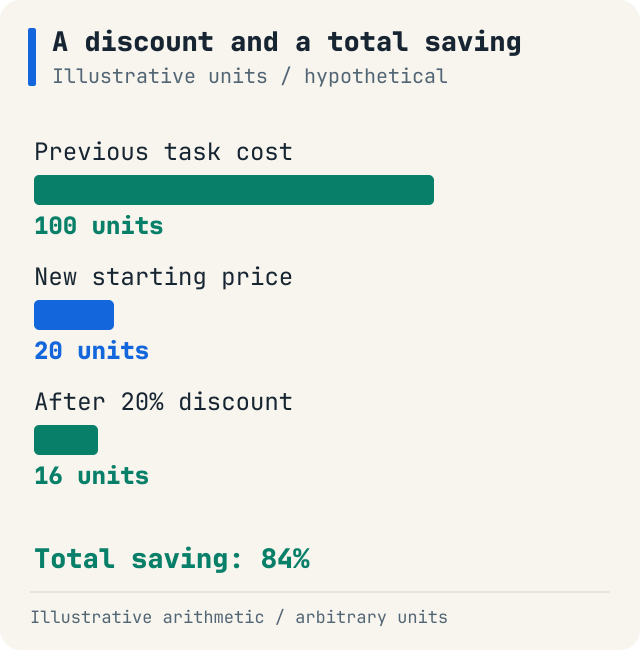
A discount reduces a supplier’s stated price. A saving compares the customer’s bill before and after a change. Switching to a model with a lower starting price can therefore produce a larger percentage saving than the negotiated discount alone.
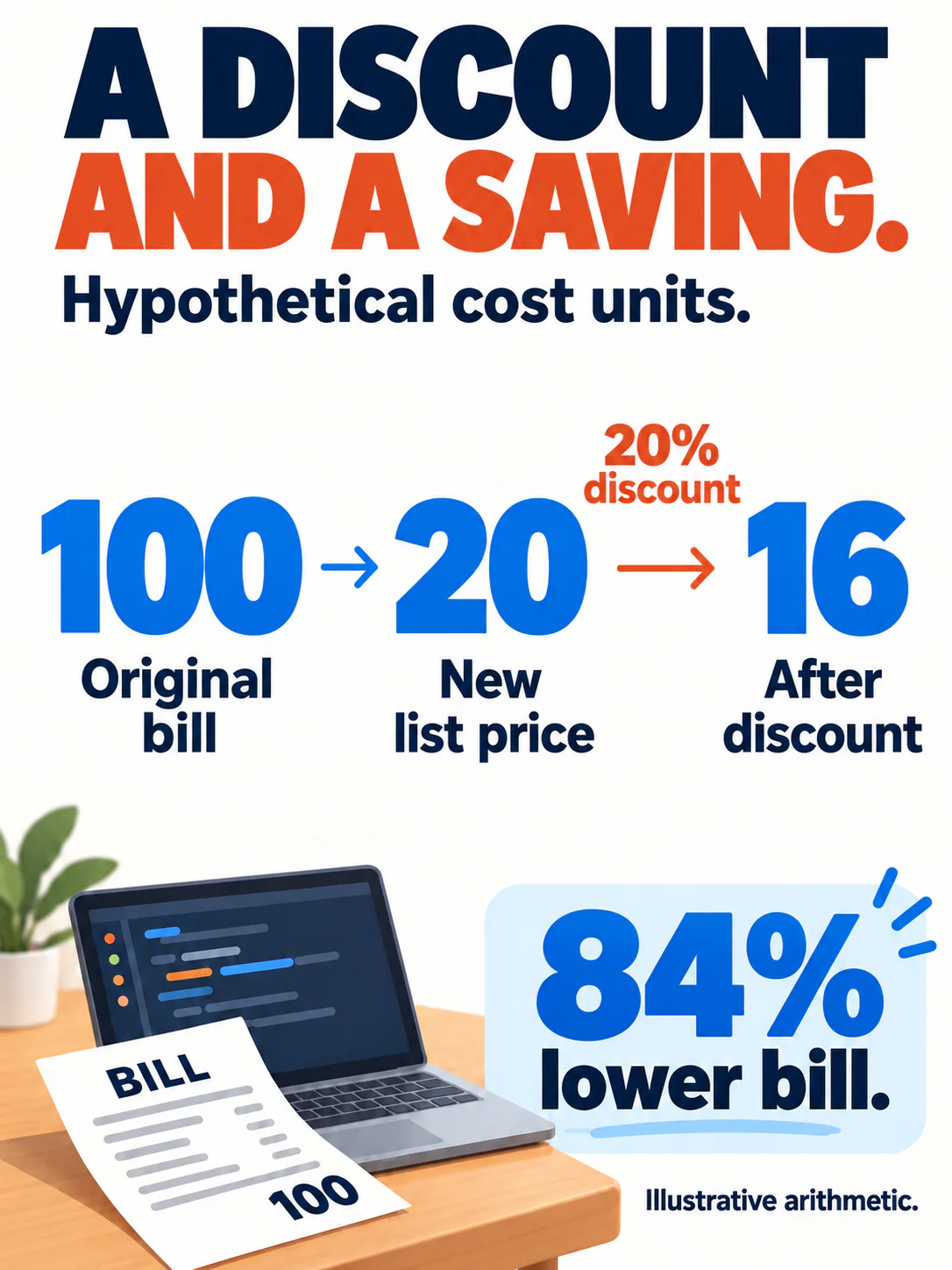
In a hypothetical example, a workload costing 100 units with one model costs 20 with another. A further 20% discount reduces the bill to 16 units, an 84% saving overall.
Replit already uses OpenAI for Free Mode
OpenAI's Replit case study describes Free Mode as a way for people to turn ideas into software without worrying about token costs.
A coding product can use several models for different jobs. Generating a short suggestion, planning a larger change and reviewing code can each have different cost and quality requirements. A commercial relationship therefore needs to be understood alongside the actual work the customer assigns to a model.
The useful comparison is cost per completed task
OpenAI’s published pricing provides a reference for its public products and purchasing routes. Large negotiated agreements can add their own usage commitments and service terms.
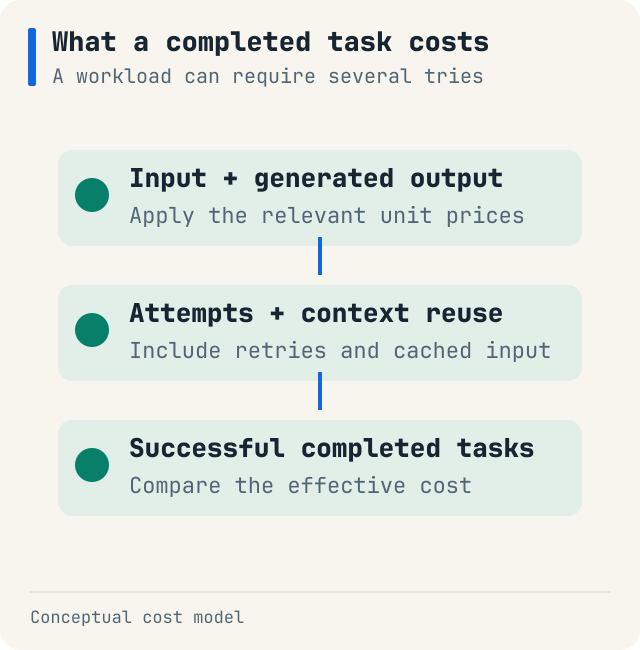
For a coding buyer, the effective bill also depends on the amount of input and output, reuse of cached context and the number of attempts a task needs. A model that uses fewer tokens or completes a job in fewer attempts changes the workload’s economics alongside its unit price.
Sources
- The Information: Anthropic's margin is OpenAI's opportunitytheinformation.com
- OpenAI: Replit expands access with GPT-5.6 Lunaopenai.com
- OpenAI: published business and API pricingopenai.com