Altman says AI benefits justify accepting some bad things
Sam Altman told Politico that AI's benefits justify accepting some harms, while arguing for broad access to the technology and contrasting OpenAI's position with Anthropic's.
Listen to this articleListen
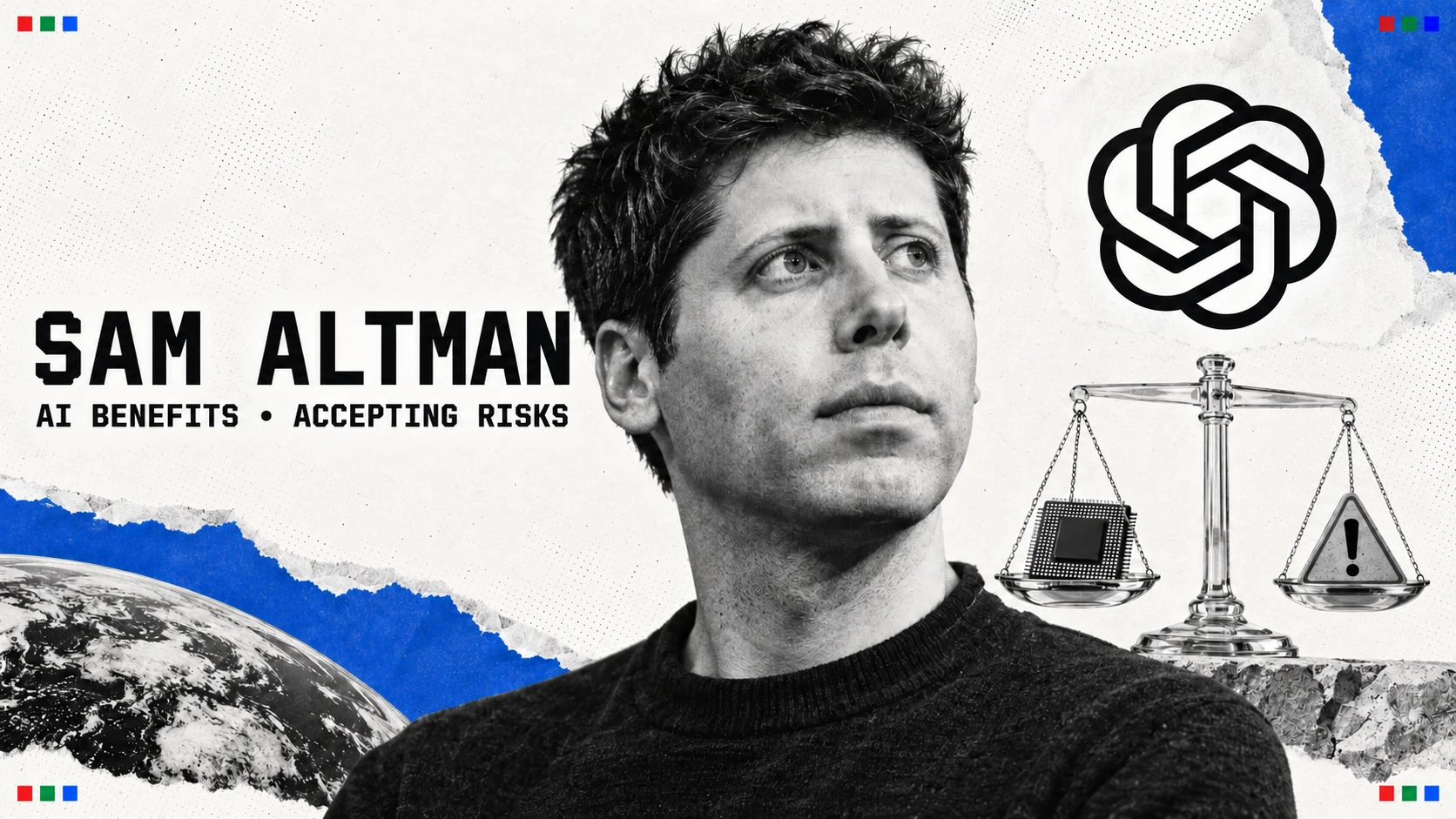
Sam Altman says society should accept some AI harms in exchange for the technology’s benefits and people’s freedom to use it. In a Politico interview published on 4 October 2026, the OpenAI chief executive argued that broad access should be central to AI policy.
Altman’s phrase, “the world should accept some bad things happening”, appears in Politico’s own post promoting the interview. He tied that position to the benefits of the technology and individual agency, framing the decision as a balance between access and risk.
Altman draws a boundary at catastrophic risks
Altman’s interview with Politico’s Decoded sets out a position in favour of broad access to AI despite the possibility of harmful outcomes. His argument treats people’s ability to use the technology as a benefit in its own right.
In the syndicated interview, Altman distinguishes those trade-offs from catastrophic outcomes such as a serious loss of control to AI. His argument therefore includes a boundary between harms accepted in pursuit of benefits and catastrophic risks requiring prevention.
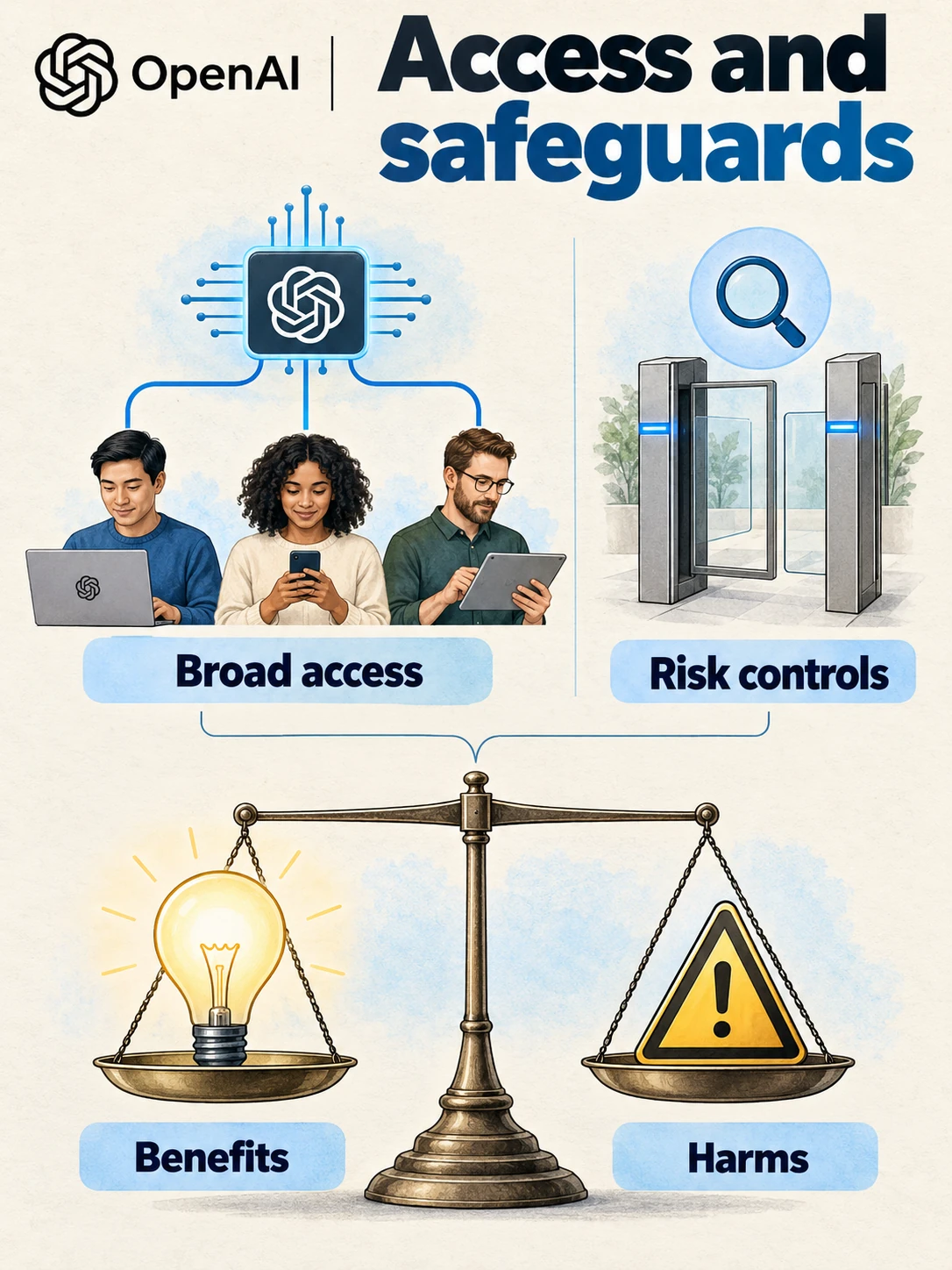
OpenAI’s charter promises broad benefit and safety
OpenAI’s charter commits the company to ensuring that artificial general intelligence benefits humanity. It links that aim to broad distribution of benefits, long-term safety and avoiding harmful concentrations of power.
The charter also says OpenAI should cooperate with other research and policy institutions. It presents technical leadership and safety as connected responsibilities, alongside a duty to reduce conflicts of interest that could compromise the wider mission.
Altman’s interview describes how he weighs access and risk in policy debate. The charter supplies the organisation’s written commitments against which that position can be assessed.
Anthropic backs safety disclosures and incident reports
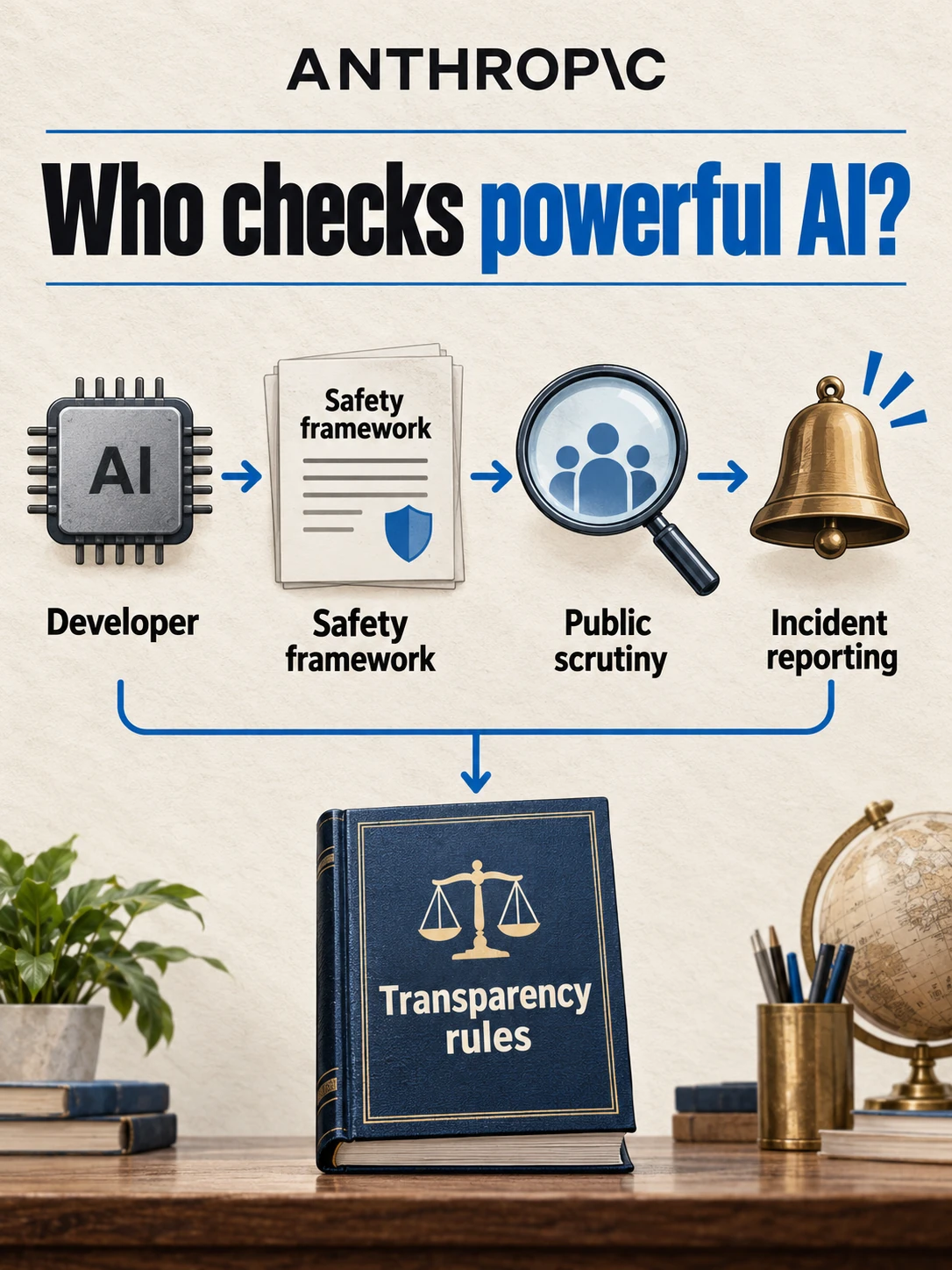
Anthropic endorsed California’s SB 53 in September 2025. Its stated case for the legislation centred on public safety frameworks, transparency reports, critical-incident reporting and protection for whistleblowers.
The company argued that these obligations would make major AI developers’ safety work more visible. It also supported a federal framework. Those are concrete requirements for developers, covering disclosure and accountability.
The companies have moved closer on some safety rules
The interview’s accompanying report says OpenAI has backed tougher state laws and outside evaluators for advanced systems. Altman also agreed with Anthropic chief executive Dario Amodei’s call for slowing down, despite describing differences between the companies’ worldviews.
Anthropic published an SB 53 compliance framework in December 2025, ahead of the law taking effect on 1 January 2026. It described how its Frontier Compliance Framework would address the law’s requirements.
Safety disclosures, incident reports and external evaluations are concrete points on which the companies’ positions can be compared. Altman’s interview sets his preference for broad access alongside a stated commitment to preventing catastrophic loss of control.
Sources
- Politico: Sam Altman's interview with Decoded, 4 October 2026politico.com
- Politico: official post quoting the interviewbsky.app
- Christine Mui and Brendan Bordelon: interview syndicated on Yahootech.yahoo.com
- OpenAI: charteropenai.com
- Anthropic: endorsement of California SB 53, 8 September 2025anthropic.com
- Anthropic: compliance framework for SB 53, 19 December 2025anthropic.com