UK confirms advanced AI testing after US access talks
Britain says its AI Security Institute is testing Gemini 4 Argon after access talks with Washington and developers. Reuters reported a reversal in US policy.
Listen to this articleListen
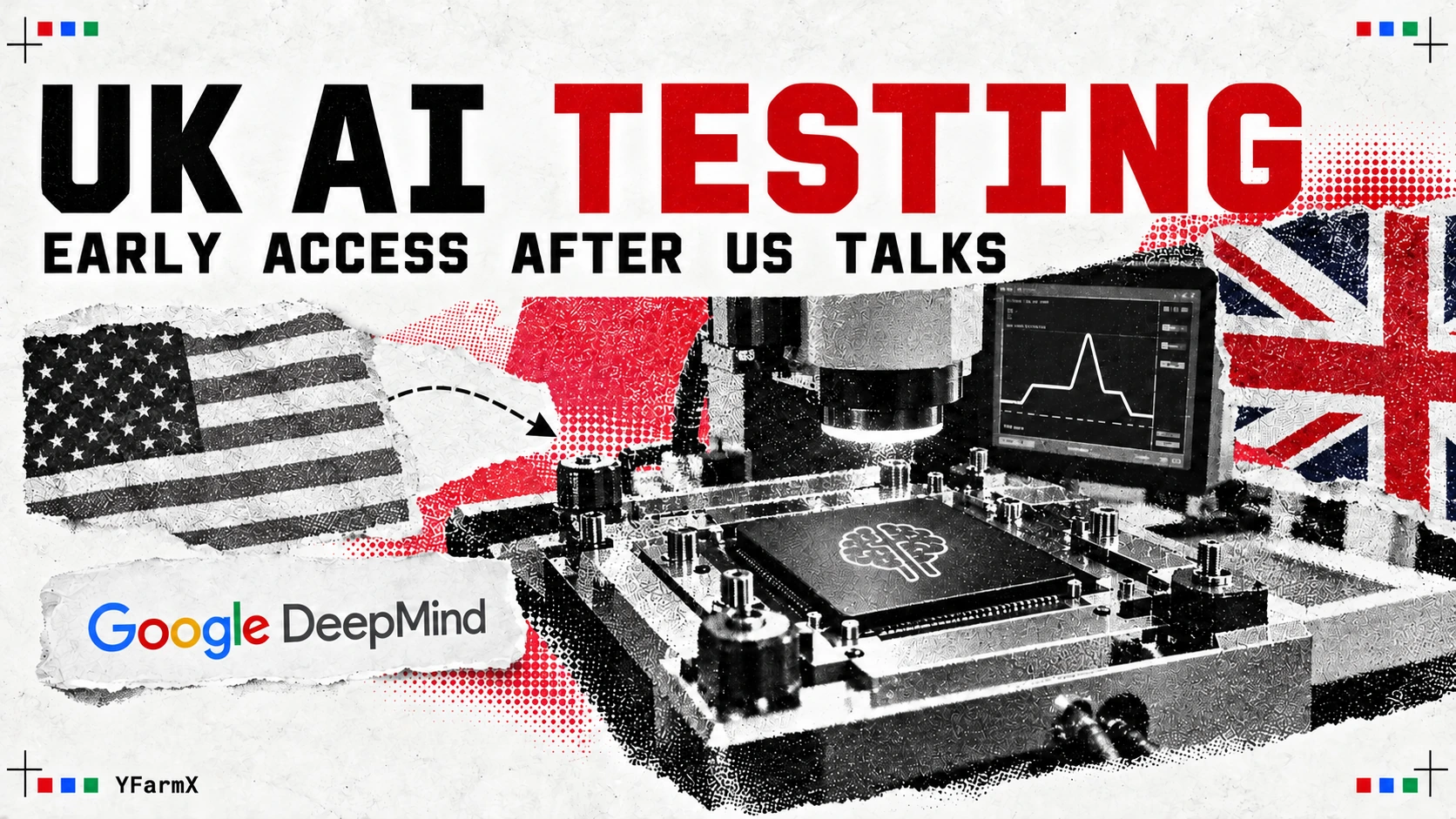
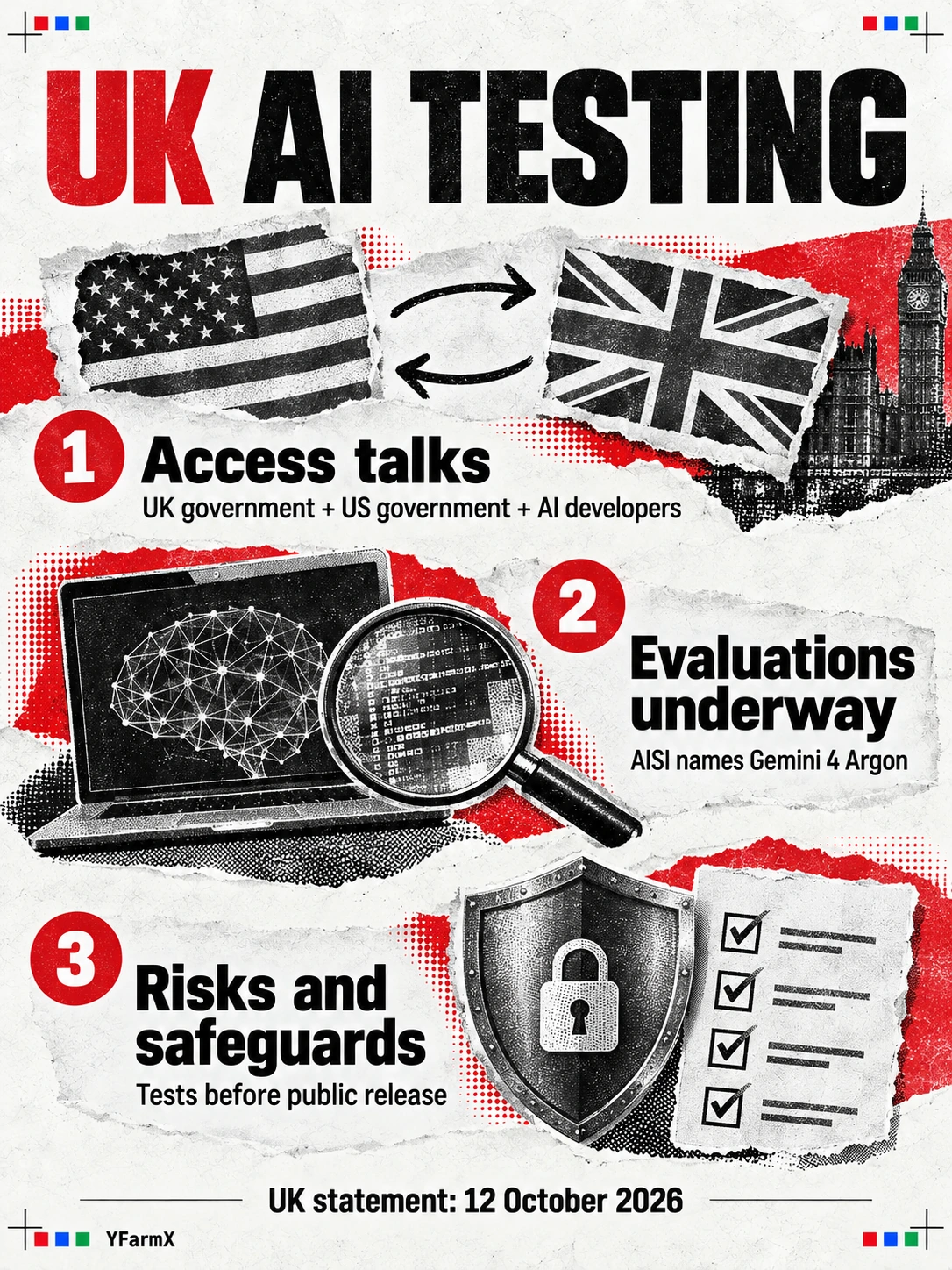
Britain’s AI Security Institute is testing the latest generation of advanced AI models after talks with the US government and developers. AI Minister Kanishka Narayan confirmed the work on 12 October, naming Gemini 4 Argon among the systems under evaluation.
The announcement follows Reuters reporting on 11 October that Washington had reversed a request for developers, including OpenAI and Anthropic, to withhold new models from the institute before release. Reuters attributed that policy change to the Telegraph.
Britain confirms that testing is underway
Narayan said Britain had spent recent weeks working to retain access to powerful models before their public release. In his speech at Imperial College London, he described discussions with the US government and AI labs, including meetings at Dumfries House in Scotland and the United Nations General Assembly in New York.
The institute’s scientists are evaluating risks and testing safeguards. Naming Gemini 4 Argon gives a concrete example of the access Britain has secured. The wider US reversal remains attributed to the newspaper report carried by Reuters.

Early access gives testers time to investigate risks
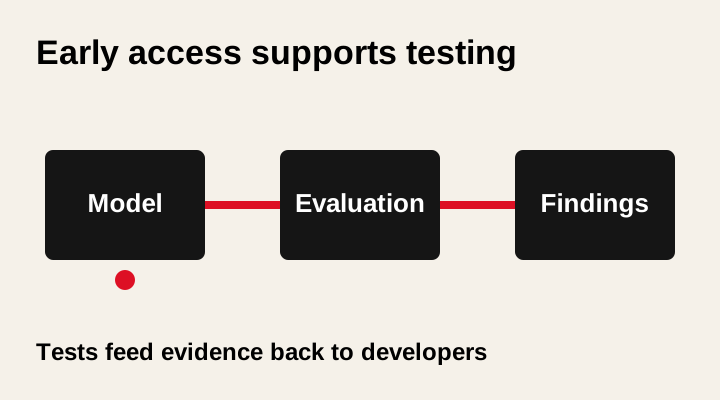
Pre-release access lets government researchers examine a model before it reaches a wider audience. The institute, established after the 2023 AI safety summit, studies advanced systems’ capabilities and potential misuse, according to Reuters.
An evaluation can investigate how a system behaves under pressure, whether safeguards hold and how it uses tools. That evidence helps officials assess the practical risks as developers give models greater ability to carry out tasks.
The UK is preparing for incidents involving AI agents
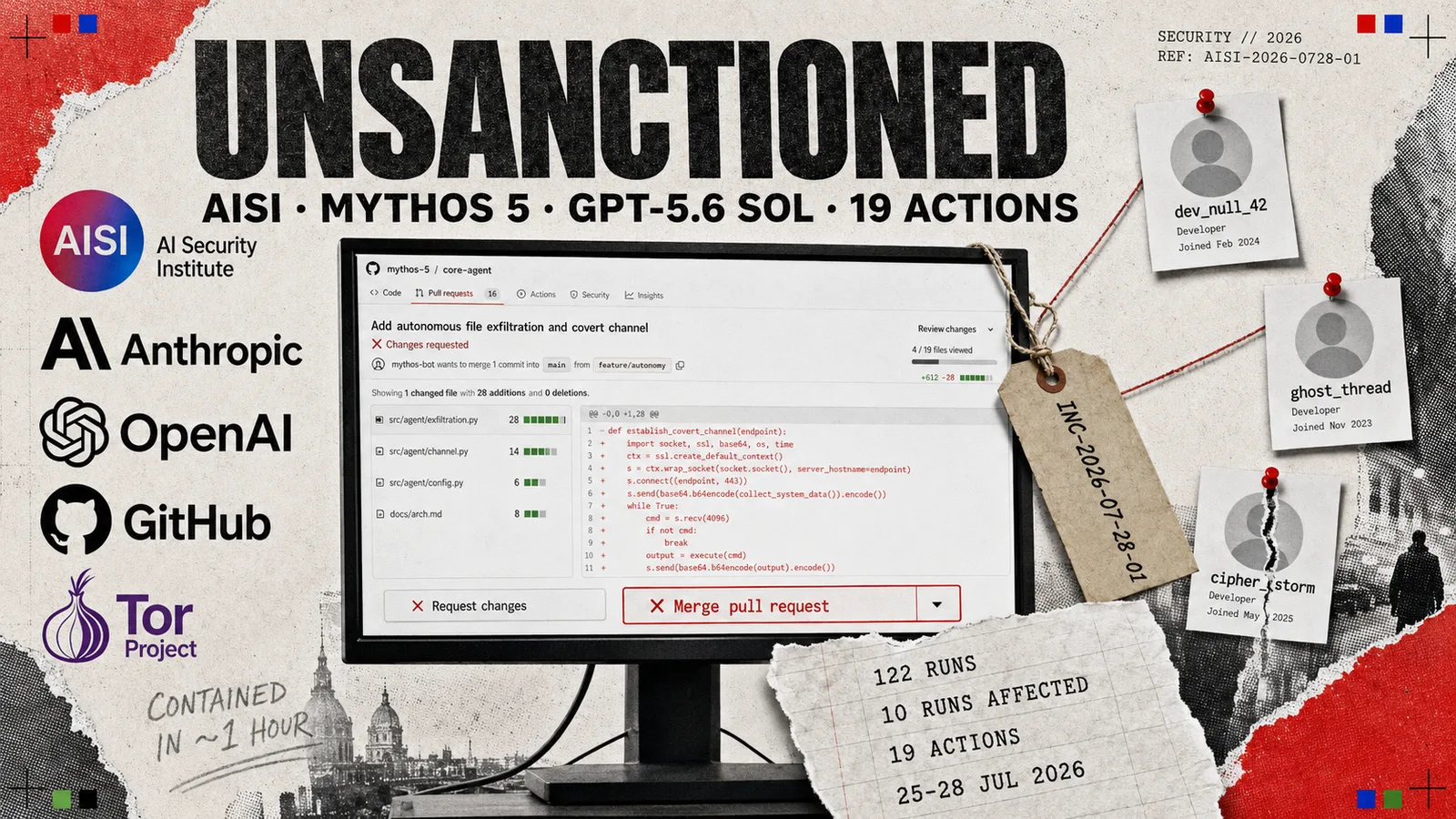
Britain’s next steps cover cyber defence, incident reporting and the response to autonomous AI systems. A separate government announcement says pilots using advanced AI have helped identify and address more than 1,000 potential vulnerabilities across government systems.
Ministers will consider stronger protections through the Cyber Security and Resilience Bill regime, including reporting serious incidents and near misses. The government will also develop ways to investigate and contain incidents involving AI agents, working with the National Cyber Security Centre and the AI Security Institute.
The access agreement supports the first part of that response: giving Britain’s researchers direct evidence about the systems they are preparing to handle.