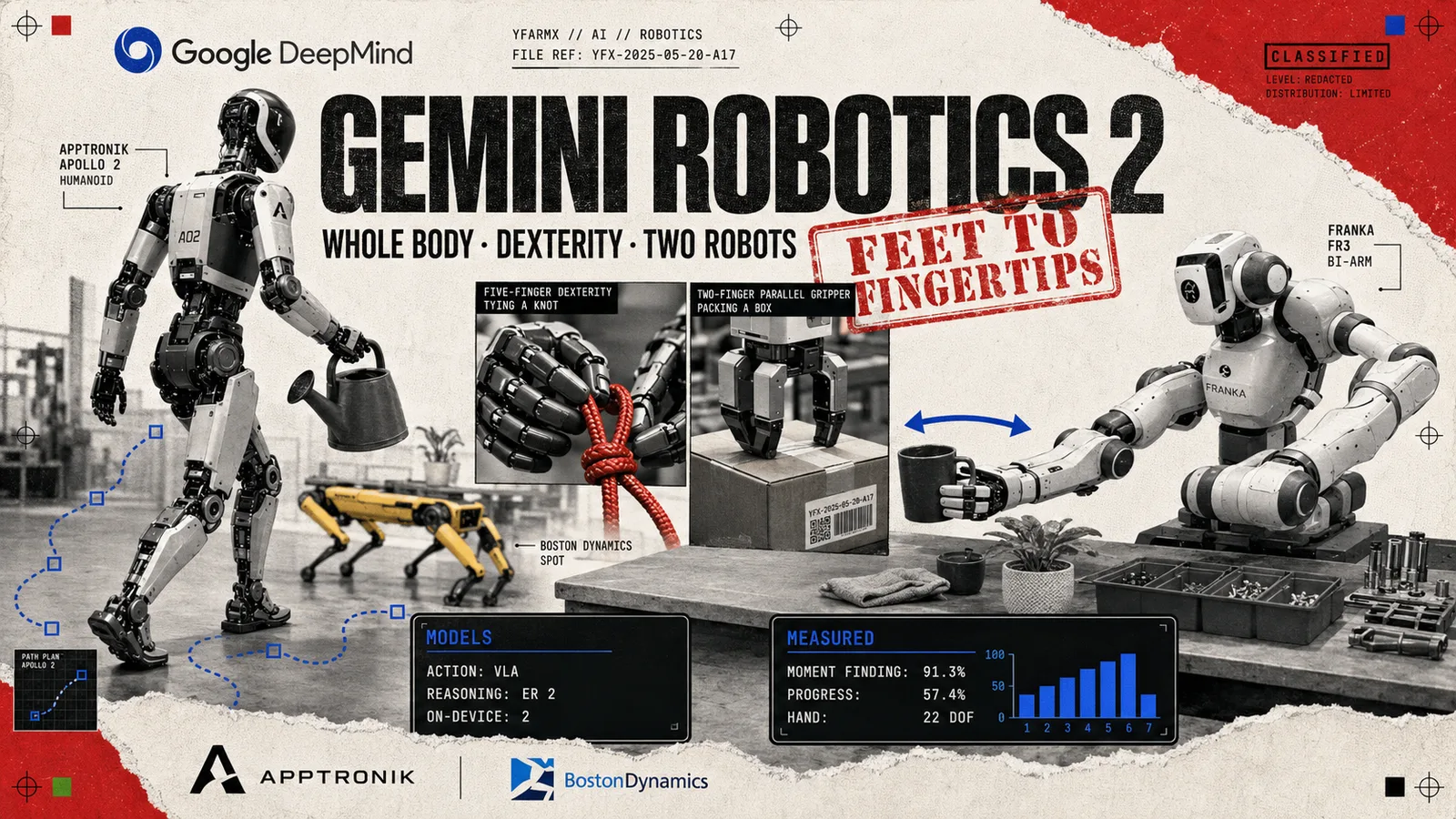
Tesla's new Roadster flies and flips using SpaceX thrusters
Tesla demonstrated a new Roadster driving upside down, turning through the air and landing with cold-gas thrusters. Production is targeted for 2028.
Listen to this articleListen
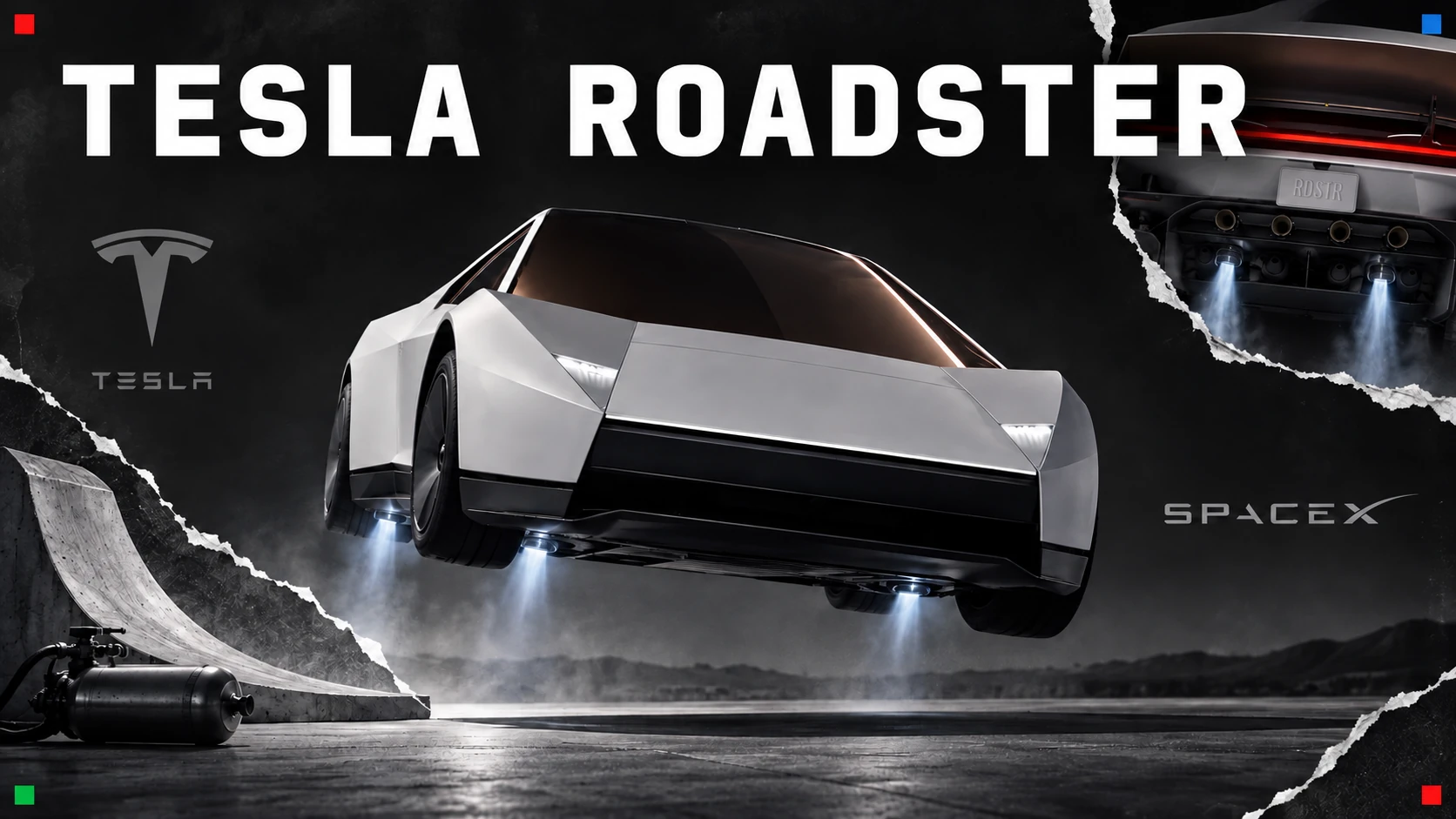
Tesla’s new Roadster went airborne, turned through the air and landed using built-in thrusters at its 15 October demonstration in Texas. The redesigned electric sports car combines a suction system with technology developed alongside SpaceX.
At SpaceX’s McGregor test site, the white car drove upside down on a curved ramp before rotating off it and landing. A later demonstration sent it over a truck and other vehicles, according to Reuters’ report. Tesla is targeting production in 2028.
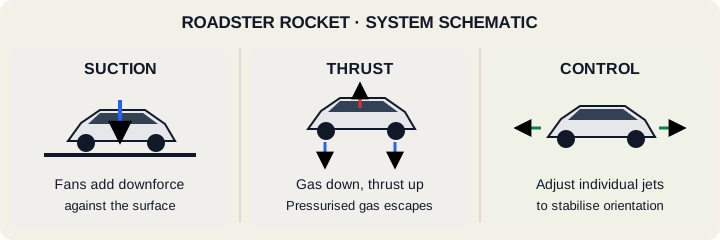
Fans hold the Roadster against the ramp
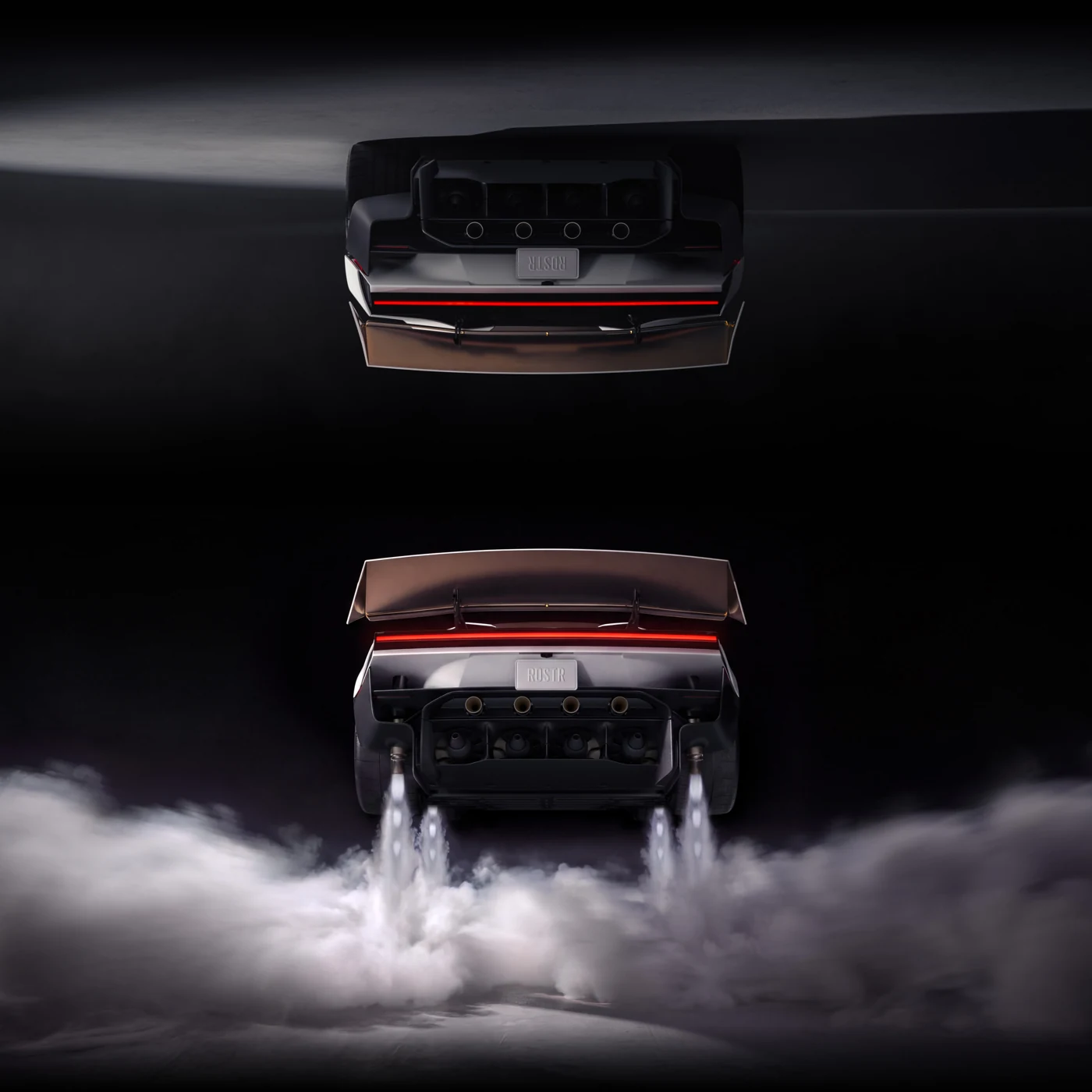
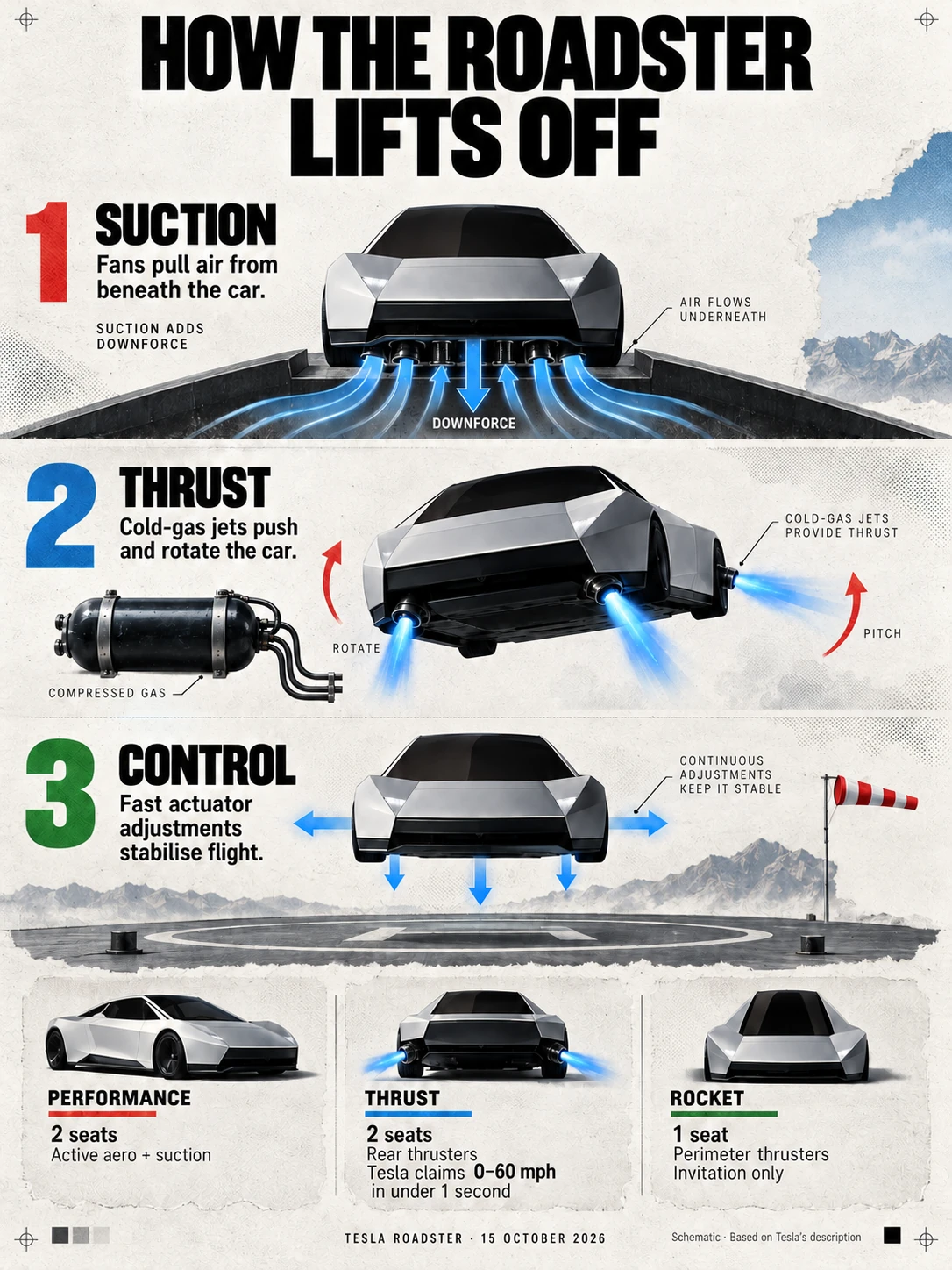
Tesla says its fans and ground-sealing system pull air from underneath the Roadster, adding downforce. The company attributes the ability to hold the car upside down while stationary to the Rocket configuration. Lower pressure beneath the car helps press it against the surface.
That gives the car grip before its speed builds. Conventional aerodynamic surfaces rely on moving air; powered suction can add downforce when the car is standing still. Tesla combines the fans with active wings and an adjustable track setup, according to its Roadster product page.
The ramp demonstration made that engineering visible. The car followed the curved surface into an inverted position, then transitioned into an airborne manoeuvre.
Cold-gas jets control the airborne movement
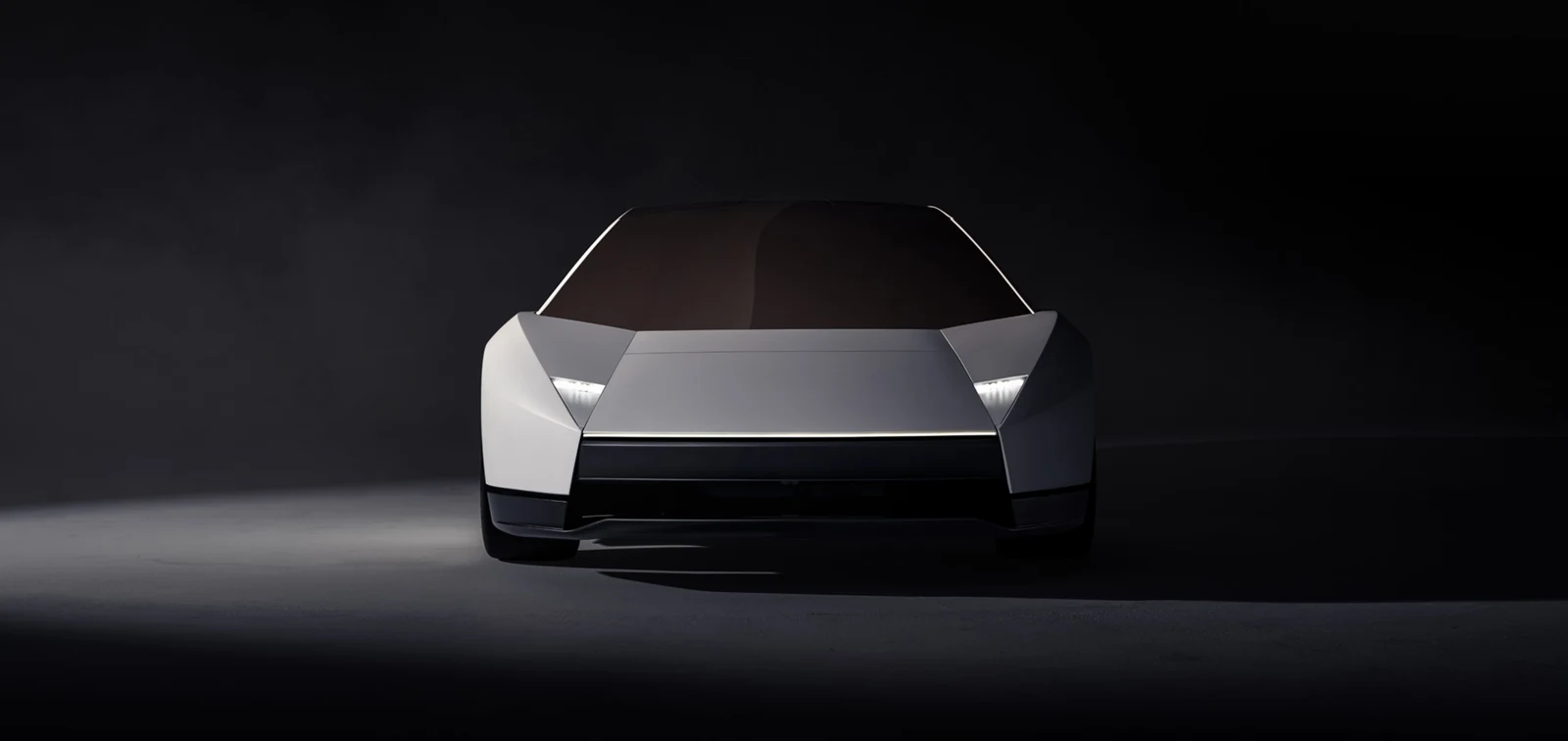
Tesla says electrically actuated cold-gas thrusters make rapid adjustments to stabilise the Rocket configuration in flight. Thrusters around its perimeter provide forward and upward acceleration and rotation.
A cold-gas system releases stored pressurised gas through nozzles. The escaping gas pushes the vehicle in the opposite direction; controlling individual jets changes the direction of that push and can turn the vehicle. NASA’s description of a spacecraft cold-gas system explains the same principle of using valves and directional jets for movement and rotation.
On the Roadster, suction provides grip against the ramp, while the thrusters provide forces during the airborne movement. The demonstration brought both systems into one sequence.
Tesla has three configurations
Tesla lists Performance, Thrust and Rocket, with different seating and thruster arrangements. Its product page describes Thrust and Rocket as optional upgrades to the Performance car.
| Configuration | Seats | Equipment Tesla describes |
|---|---|---|
| Performance | Two | Active aerodynamics and the suction system. |
| Thrust | Two | Suction plus rear-mounted cold-gas thrusters. |
| Rocket | One | Suction plus perimeter thrusters for acceleration and rotation. |
Tesla claims 0–60 mph in under one second for the Thrust upgrade. That is a manufacturer performance claim. The Rocket configuration is offered by invitation. Tesla lists Rocket as unapproved for public-road use. Availability depends on regional laws; the UK page lists left-hand drive.
Production is targeted for 2028
Tesla told the launch audience that Roadster production would start in 2028, Reuters reports. The event arrives almost nine years after Tesla first presented its next-generation Roadster prototype in 2017.
Reservations are already open. Reuters reported a $50,000 deposit for Performance and $250,000 for Thrust, while Rocket is invitation only. Those figures are reservation deposits.
The new Roadster puts Tesla’s vehicle engineering and SpaceX’s thruster experience into a single machine. Its launch demonstration showed the combination driving upside down, rotating in the air and returning to the ground under thruster control.
Sources
- Tesla: Roadster features and configurationstesla.com
- Reuters: Roadster demonstration and production target, carried by Euronextlive.euronext.com
- NASA: cold-gas propulsion and manoeuvringtechnology.nasa.gov