Visa's stablecoin settlement passes a $20 billion annualised run rate
Visa reports a more than fifteenfold annual increase in stablecoin settlement, while daily credit facilities help smaller card programmes finance their payment obligations.
Visa says its stablecoin settlement volume has exceeded a $20 billion annualised run rate, more than fifteen times its level a year earlier. The figure appears in the company’s 8 September update on financing stablecoin-linked card programmes.
Visa also reports more than 160 such programmes operating globally in its fiscal second quarter, with their payment volume growing nearly 200% year on year.
What does an annualised run rate mean?
It extends a recent pace of activity across a full year. The reported figure describes the scale settlement would reach if that pace continued; it is separate from an audited total for twelve completed months.
There are also two different activities in the announcement. Card payment volume measures spending through card programmes. Stablecoin settlement measures the movement of stablecoins used to settle obligations. Keeping those measures separate helps explain where adoption is occurring.
Where do stablecoins enter a card payment?
Stablecoin payments can connect blockchain balances with the existing card network. Rain’s description of its Visa infrastructure places stablecoins behind the settlement process while preserving the familiar card experience for customers.
That means a customer can pay at an ordinary card terminal even when stablecoins help move funds elsewhere in the payment chain. Rain’s card-swipe explanation follows the roles involved in that process.
The daily funding problem
A card programme may need to meet its settlement obligation before it collects money from customers. That creates a working-capital gap.
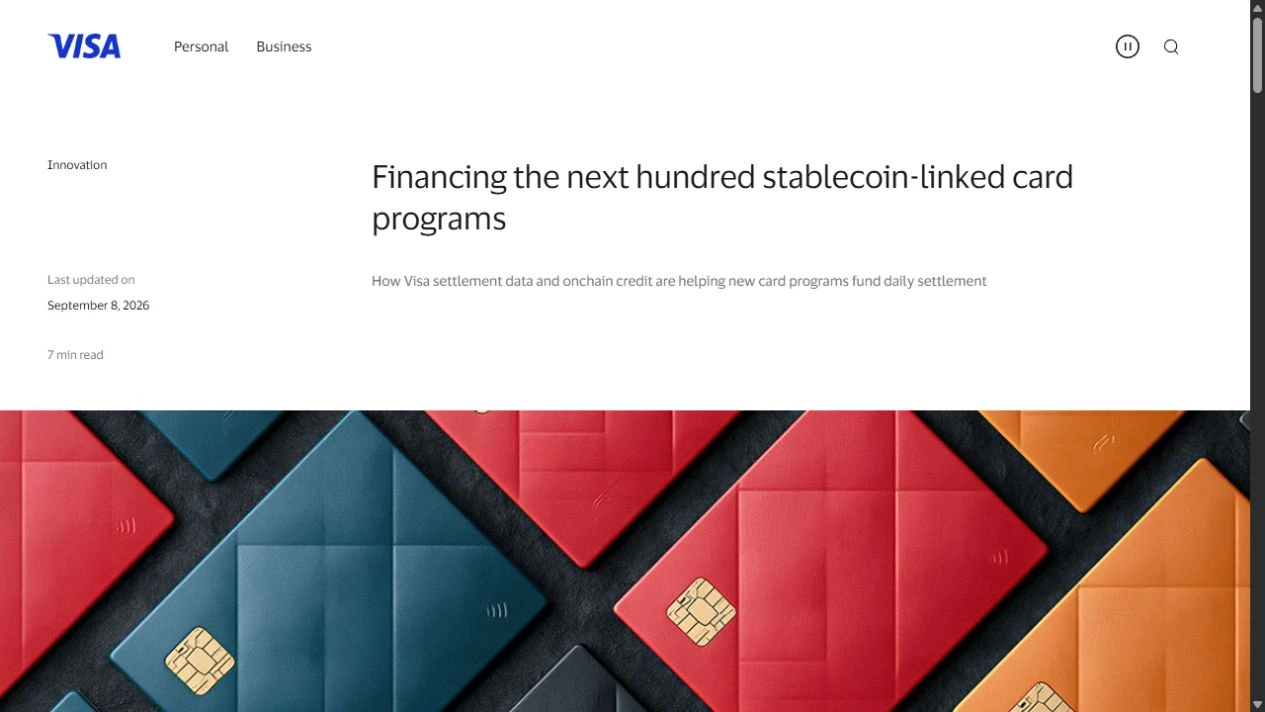
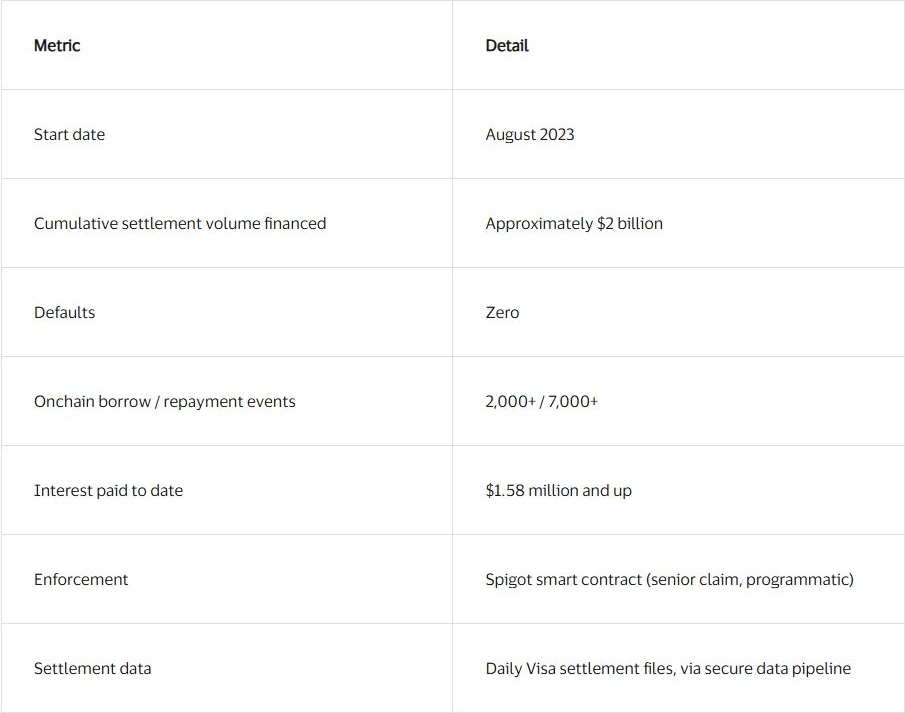
Visa describes a Credit Coop revolving facility that uses settlement records to size funding and directs incoming receipts towards repayment through a smart contract. Rain has used that arrangement since August 2023. Visa reports approximately $2 billion of cumulative settlement financed through Rain’s facility.
The facility’s cumulative financing is another separate measure. Repaid capital can be borrowed again, so cumulative financing can grow well beyond the amount available at any one time.
Funding wider card distribution
Rain announced an expansion of its Visa membership into Asia-Pacific in March, describing consumer and corporate programmes using the same general approach. Together, the company accounts show two parts of the infrastructure developing: wider card distribution and funding that can follow each programme’s settlement schedule.
Visa’s new run-rate figure captures activity already moving through that system. The credit arrangements explain how a small programme can finance the daily obligations needed to participate.