Gemini switches Zcash software ahead of planned 25-second blocks
Gemini now runs Zakura for Zcash. The exchange reports faster synchronisation as NU7 targets a move from 75-second to 25-second blocks.
Listen to this articleListen
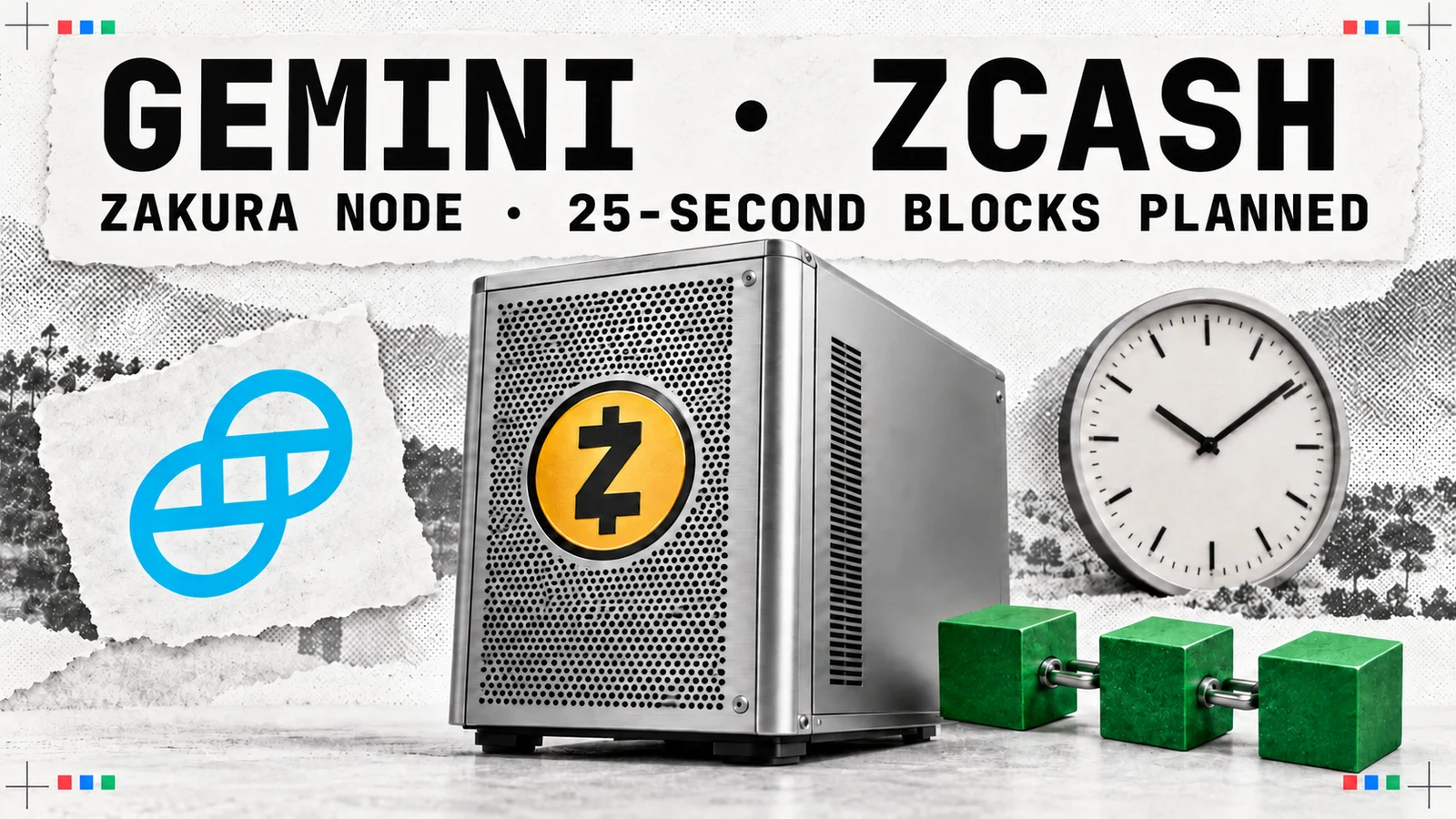
Gemini has switched its Zcash infrastructure to Zakura ahead of a planned reduction in the network’s block target from 75 seconds to 25 seconds. The exchange announced the move on 29 September 2026, describing faster synchronisation and recovery as the reasons for changing its node software.
Gemini, founded by Cameron and Tyler Winklevoss, says customers continue to use the existing deposit and withdrawal flow. Zakura now handles the work of following the Zcash network and checking its blocks.
Zakura helps the exchange catch up faster
Zakura is an open-source Zcash full node written in Rust and derived from Zebra. A full node follows the blockchain and verifies that incoming blocks obey its rules. The project documentation describes Zakura as consensus-compatible with Zcash, with improvements in synchronisation, storage and recovery.
Gemini says Zakura reached the latest block in a little over six hours in its own deployment, compared with close to a day for Zebra. That affects how quickly the exchange can bring a node into service or rebuild one after an interruption.
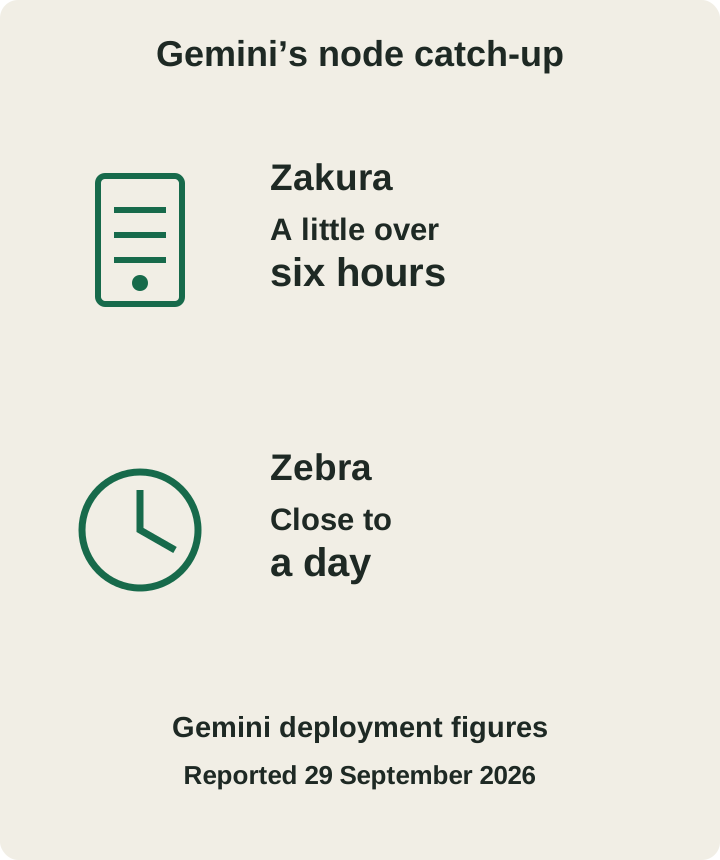
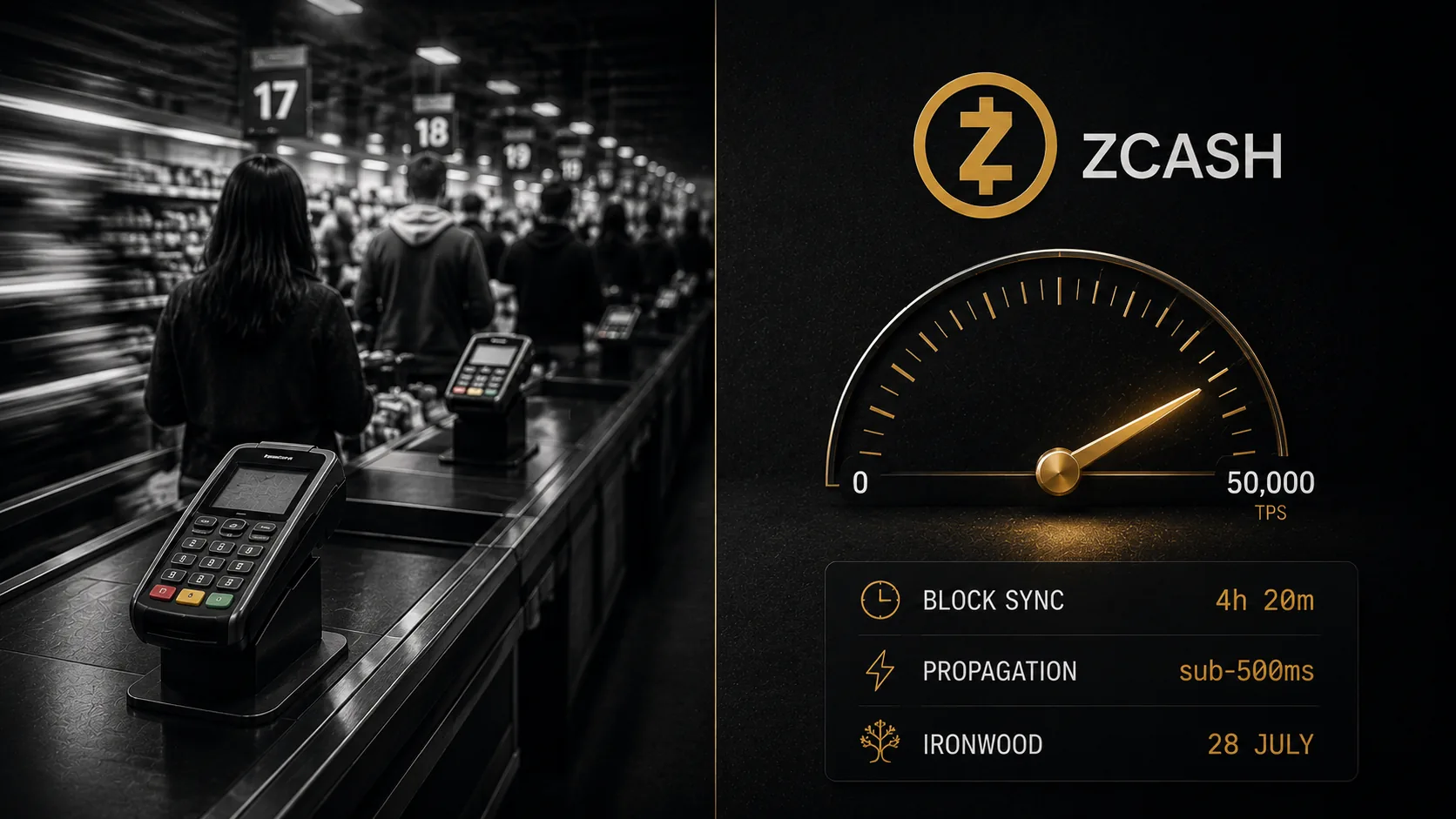
The company also cites developer benchmarks of around four hours and 20 minutes for Zakura and nearly 21 hours for Zebra. Those are separate tests from Gemini’s deployment; hardware and operating conditions affect synchronisation time.
Zcash is preparing for a 25-second block target
ZIP 218 proposes cutting Zcash’s target spacing between blocks to 25 seconds in NU7. Gemini says coinholders backed the change on 14 September and describes November as the target for the network upgrade. The ZIP 218 specification remains marked Draft.
The proposed interval would produce roughly three times as many blocks in the same period. That raises the frequency at which exchanges and other node operators must receive, verify and store new blocks.
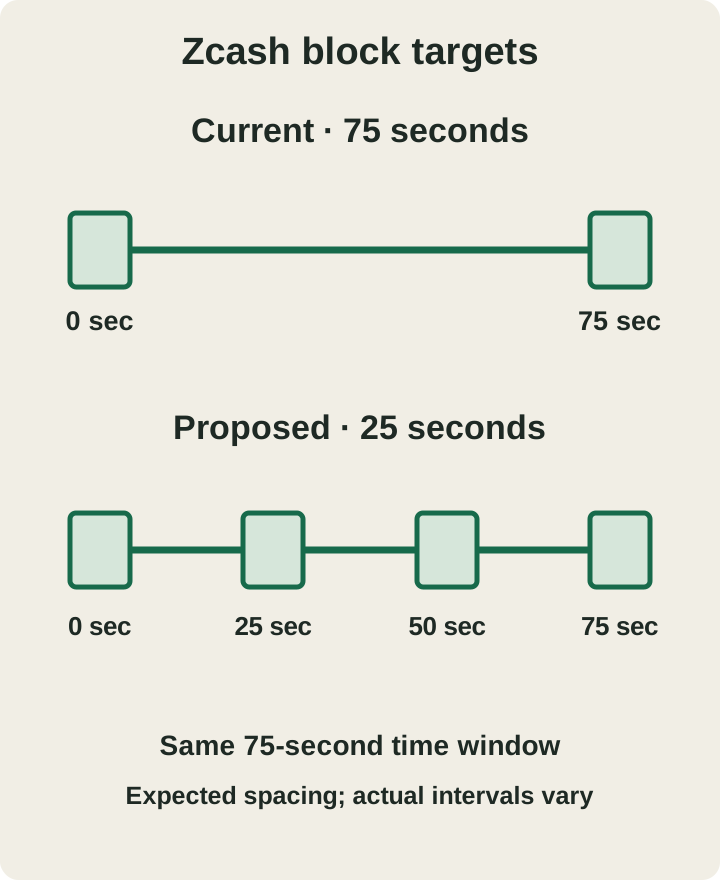
For a payment awaiting its first confirmation, the proposal reduces the expected wait to about 25 seconds. The time until an exchange credits a deposit also depends on its confirmation policy. ZIP 218 keeps the scheduled daily issuance of ZEC broadly the same by reducing the reward per block in proportion to the shorter interval.
Snapshots make rebuilding a node quicker
Zakura supports pruning and downloadable snapshots to speed up recovery. Pruning discards older stored block data according to the operator’s retention settings. A snapshot supplies a prepared copy of chain state from which the node can catch up with newer blocks.
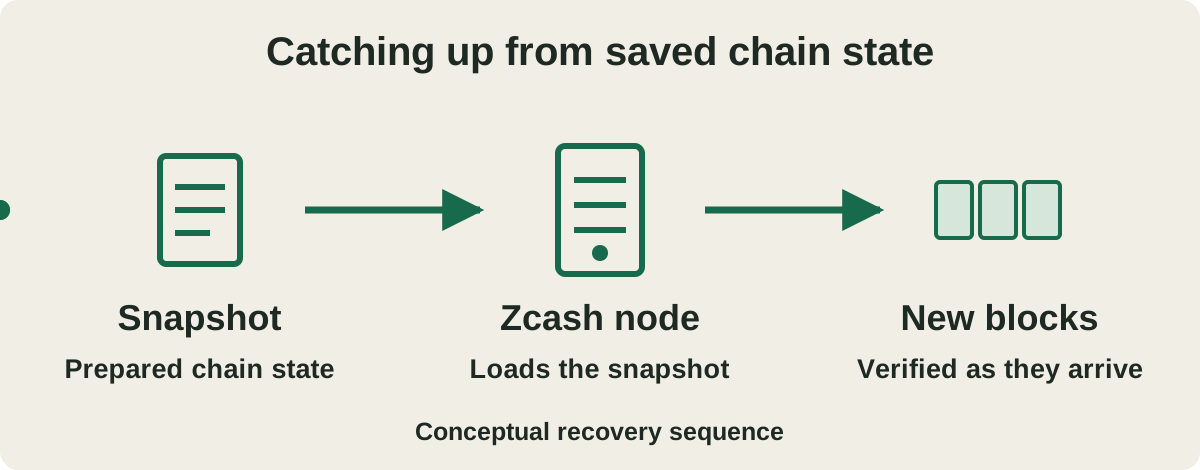
Gemini describes pruned snapshots of about 12 GB and cites a start-up improvement of about 680 times against standard peer-to-peer synchronisation. The Zakura documentation also describes compatibility with the legacy Zcash interface used by existing wallets and integrations.
The switch gives Gemini a faster route to synchronising and rebuilding its Zcash nodes as the network prepares for more frequent blocks.