Bitcoin ETF inflows return after the worst month on record
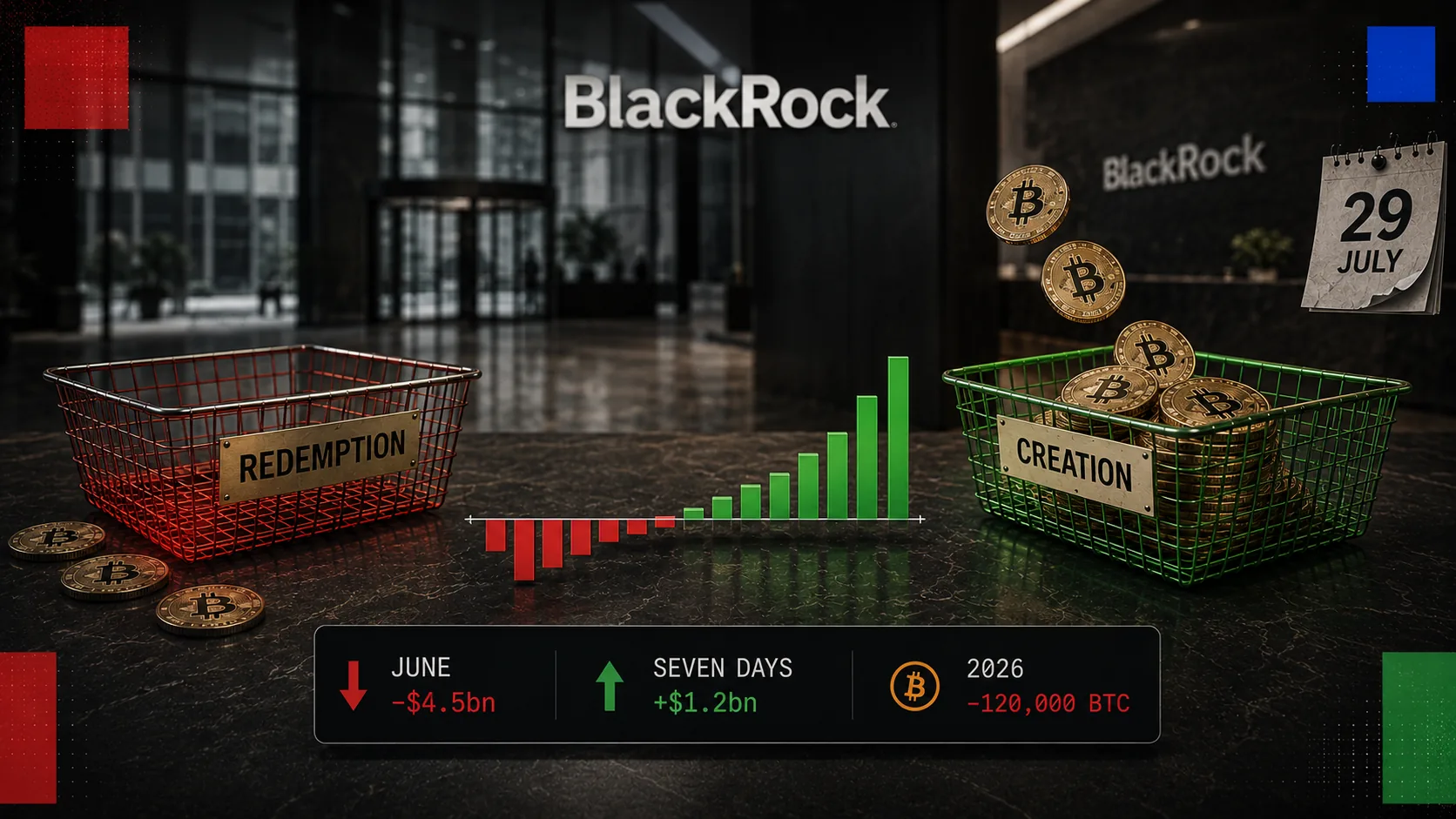
Bitcoin ETF inflows turned positive with roughly $1.2bn over seven days after the worst month on record, though 2026 has still shed about 120,000 BTC.
Listen to this articleListen
Bitcoin ETF inflows turned positive this week for the first time since the spring, and bitcoin ended the week trading around $64,400 to $64,600 after touching a 21 month low near $57,700 in late June. The move is roughly 8 per cent on the week and it arrives directly after the worst month US spot bitcoin funds have recorded since they launched in early 2024.
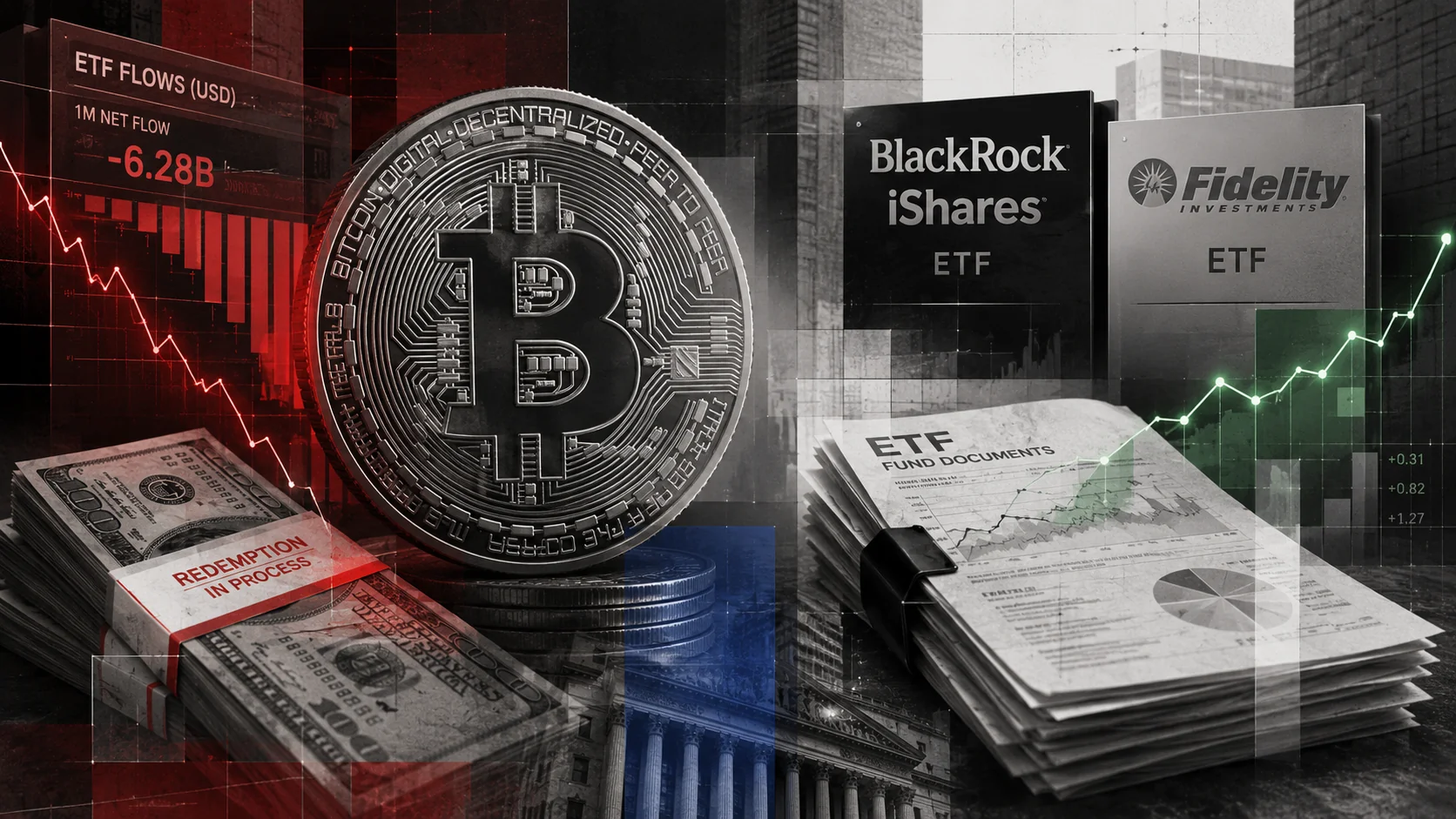
The daily numbers are modest and consistent, which is the part worth attention. SoSoValue data shows spot bitcoin funds taking $79.15m on 16 July and $132m on 17 July, with spot ether funds adding $36.73m on the latter date. Across seven days the bitcoin complex gathered roughly $1.2bn. That follows a thirteen day outflow streak in June that drained about $4.4bn, of which BlackRock’s IBIT accounted for around $3.3bn, and a June total near $4.5bn that pushed the year’s flows negative for the first time.
Bitcoin ETF inflows are worth tracking with more care than most sentiment indicators because of the creation and redemption machinery underneath them. When an authorised participant creates ETF shares, actual bitcoin is purchased. When shares are redeemed, actual bitcoin is sold. Flows are therefore something firmer than a proxy for how investors feel. They are spot demand and spot supply arriving on the tape, which is why the June outflows produced a price effect out of proportion to the headlines that accompanied them.
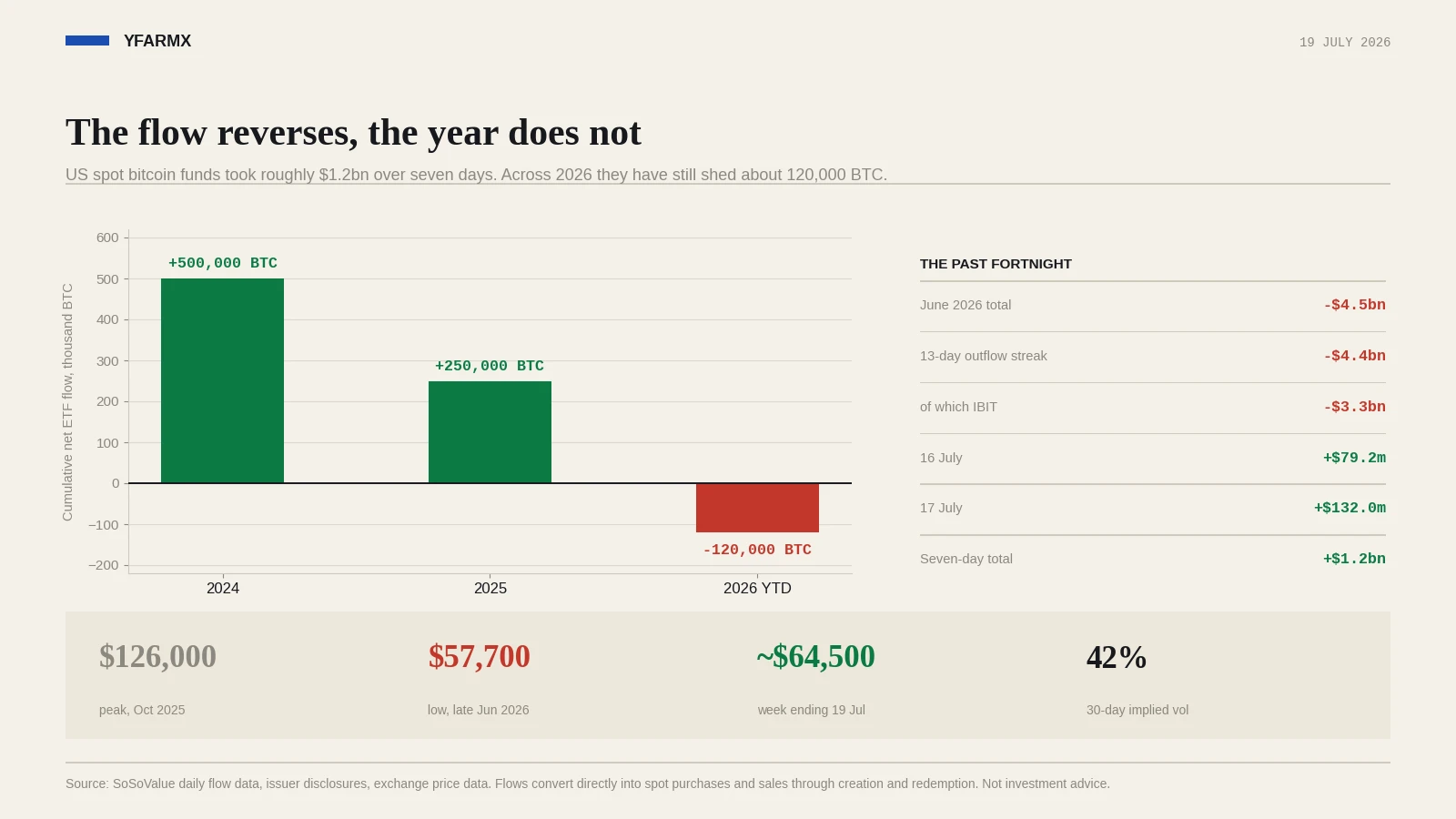
The sceptical case deserves equal billing, and it rests on the annual picture. Cumulative net inflows exceeded 500,000 BTC in 2024 and roughly 250,000 BTC in 2025. In 2026 the funds have shed about 120,000 BTC. A week of buying does not reverse that. If ETF demand drove the rally on the way up, any case for optimism now has to explain why its reversal should not count on the way down. Cumulative flows since launch remain above $35bn with IBIT holding close to half.
There is also a composition question. Analysts at BitTrade note that spot buying pressure has improved on major exchanges while US investor spot demand has not fully recovered, and that a portion of the gain is attributable to futures positioning and short liquidations, with organic accumulation contributing less. Thirty day implied volatility has fallen to around 42 per cent and ETF turnover runs near $2.5bn daily, both of which point to a market finding a level, with no change of direction yet visible.
Two other factors sit behind the week. Regulatory sentiment improved around the CLARITY Act ahead of a 17 July House hearing, though Senate timing remains unresolved and prediction markets have traded passage odds in the low forties. And the Federal Reserve meets on 29 July, the second meeting under Kevin Warsh, into a market that has spent the year repricing from expected cuts toward possible increases. That single variable has done more to set the bitcoin price in 2026 than anything originating inside crypto.
Which is the defining feature of this drawdown and the reason it has unsettled people who lived through previous ones. Bitcoin fell from a peak of $126,000 in October 2025 to $57,700 in June, a decline of more than half, and nothing inside the industry broke. There was no Terra, no FTX, no lender contagion. The causes were the Fed and fund redemptions, both of which are ordinary financial market mechanisms operating on an asset that was supposed to be uncorrelated with them.
For readers deciding what to make of the week, the useful discipline is to separate the two questions. Whether bitcoin ETF inflows have turned durably positive is answerable by watching daily flow data for another fortnight. Whether the June low near $57,700 marked the bottom is not answerable at all, and anyone offering a confident view on it is selling something. This is information, and it is not investment advice.
Sources
- SEC EDGARsec.gov
- BlackRockblackrock.com
- Federal Reserve FOMC calendarfederalreserve.gov