
Spot Bitcoin ETFs
Fund shares, bitcoin holdings and dated investment flows
Key facts
- +$21.1m9 October 2026
- Latest session
- -$678.9m5 to 9 October 2026
- Latest week
- $57.18bnsince launch, to 9 October
- Cumulative net
- 0.25%annual
- IBIT sponsor fee
Spot Bitcoin ETFs hold bitcoin for investors who buy fund shares. US funds received $21.1m on 9 October 2026; the week ended with $678.9m in net outflows.
A spot ETF holds bitcoin behind its shares
A spot Bitcoin exchange-traded fund holds bitcoin and issues shares that investors can buy through a brokerage account. The share price follows the value of those holdings, after fees and other expenses. Investors need to understand both the underlying asset and the fund’s custody and trading arrangements. BlackRock’s IBIT disclosures give one example of how these products work.
Fund flows measure money entering or leaving the products through share creation and redemption. They help show investment demand. The dollar value of a fund’s assets also changes when Bitcoin’s price moves, so assets under management and net flows answer different questions.
The latest week ended with $678.9m leaving
US spot Bitcoin funds received $21.1m on 9 October 2026, according to Farside Investors. BlackRock’s IBIT received $22.4m and VanEck’s HODL $2.3m, while Fidelity’s FBTC lost $3.6m. Across the five sessions from 5 to 9 October, the net result was $678.9m of outflows.
| Trading day | Net flow |
|---|---|
| 5 October 2026 | -$89.8m |
| 6 October 2026 | +$118.8m |
| 7 October 2026 | -$484.9m |
| 8 October 2026 | -$244.1m |
| 9 October 2026 | +$21.1m |
Cumulative net inflows since launch were $57.178bn, rounded to $57.18bn above. These are completed trading-day figures. When checked on 13 October, Farside’s 12 October row still had an unreported fund entry, so 9 October remains the latest complete session shown here. Several sessions give a better view of the direction of flows than one day alone.
Redemptions can use bitcoin or cash
Authorised participants create or redeem large blocks of fund shares under each product’s rules. In July 2025, the SEC permitted in-kind creations and redemptions for crypto exchange-traded products. An in-kind redemption can transfer bitcoin to the participant; a cash redemption uses cash. The fund’s prospectus explains the permitted arrangements.
This distinction affects how a flow reaches the wider market. A reported outflow measures a redemption from the product. Whether and when the transferred coins are sold depends on the transaction and the participant’s subsequent activity.
Compare fees, custody and trading costs
Compare a fund’s annual charge, the gap between its buy and sell prices, its tracking of Bitcoin and the custody terms. IBIT’s stated annual sponsor fee is 0.25%. Other funds have their own fees and conditions.
The Bitcoin reference places fund demand alongside a dated coin price, company holdings and the Federal Reserve calendar. Those records show what has happened; future returns depend on many sources of demand and supply.
More Crypto
All Crypto →
SEC clears 3x Bitcoin and Ether funds for listing
The SEC approved Cboe's listing proposal for 3x Bitcoin and Ether funds. The products target three times a daily futures benchmark, with returns compounded each day.
Bitcoin ETF outflows: after the worst month on record, the bleeding slows
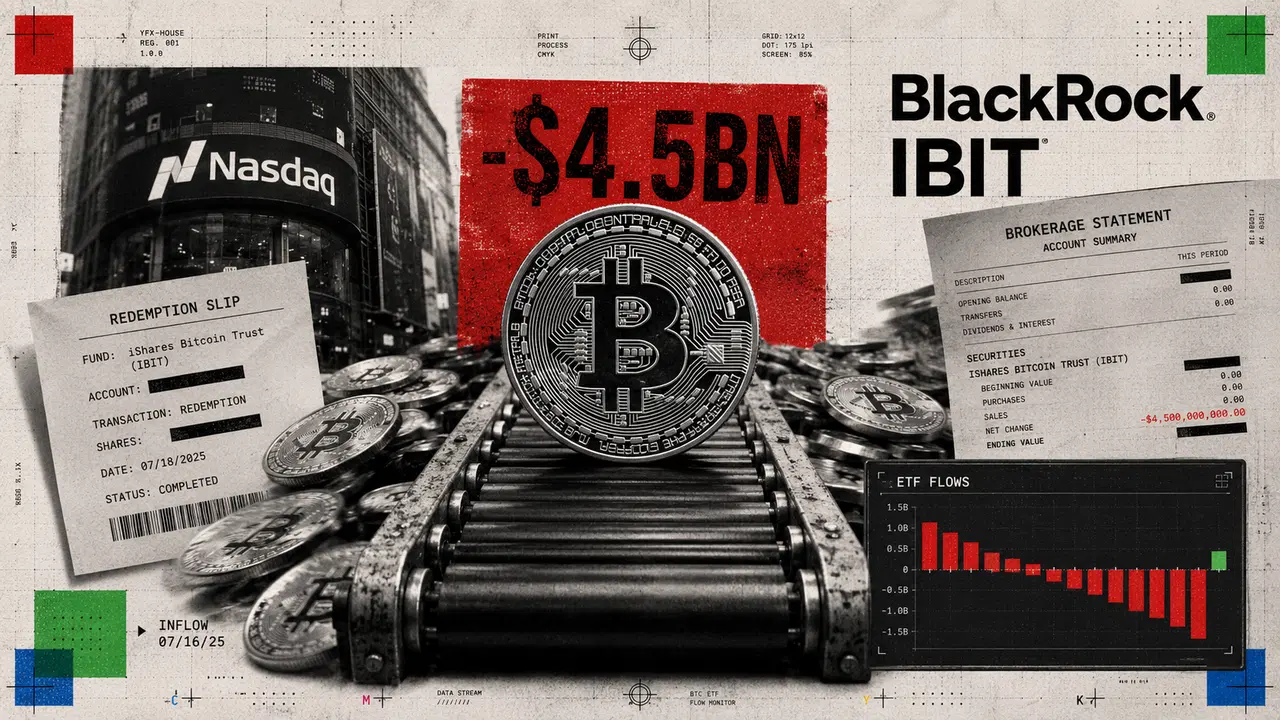
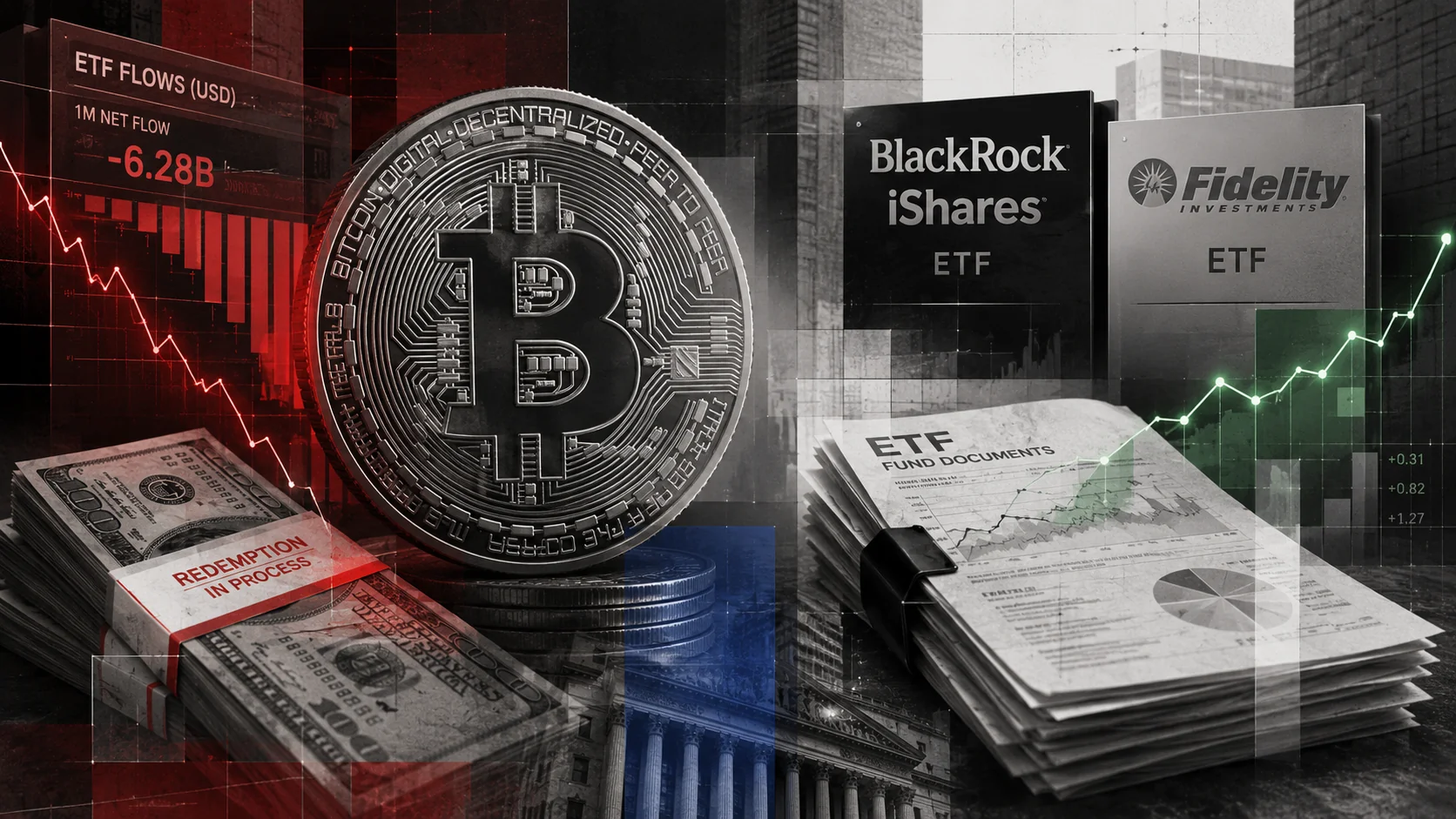
June 2026 will be remembered as the month Bitcoin ETF outflows broke their own grim record, with roughly 4.5 billion dollars leaving US spot funds, the worst calendar month since the products launched in January 2024.
Bitcoin ETF inflows return after the worst month on record
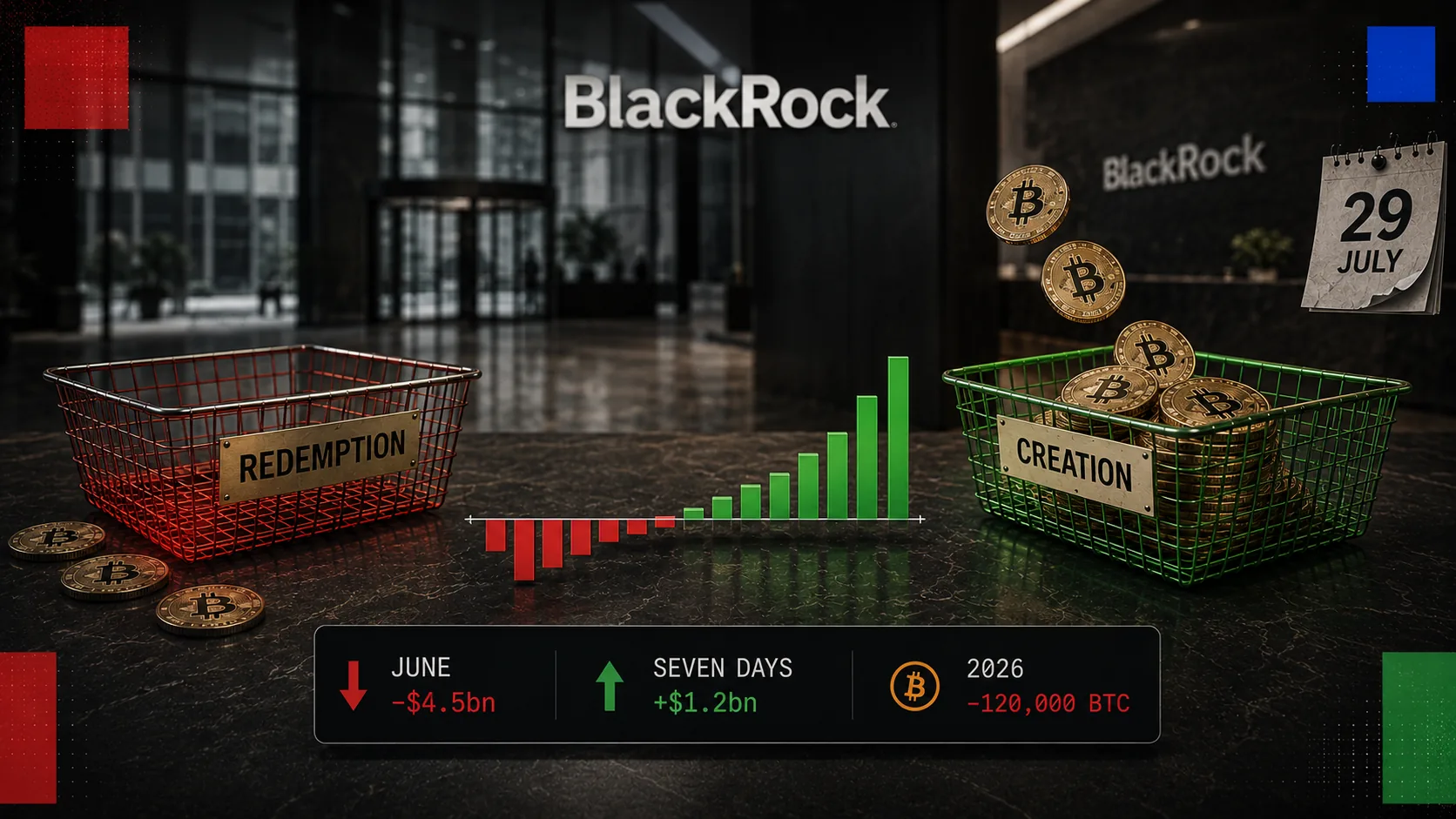
Bitcoin ETF inflows turned positive with roughly $1.2bn over seven days after the worst month on record, though 2026 has still shed about 120,000 BTC.
More in Investing & Markets
All Investing & Markets →- Solana and XRP ETFshow they list without individual approval
- Tokenised real-world assetsConventional assets represented by blockchain tokens
- Bitcoin treasury companiesStrategy, Metaplanet and the reflexivity problem
- Crypto security in 2026thefts, permissions and custody
- Crypto and macroHow economic conditions can affect crypto prices
- Quantum risk to Bitcoinexposed keys and migration