
Crypto security in 2026
thefts, permissions and custody
Key facts
- $387.5m25 September estimate
- Bitget theft
- ~$103.4mYFarmX estimate, updated 12 October
- Ledger reseller drain
- 530sending addresses, not people
- Reseller address count
- 200 ETH6 October, legacy auctions
- Keeper incident
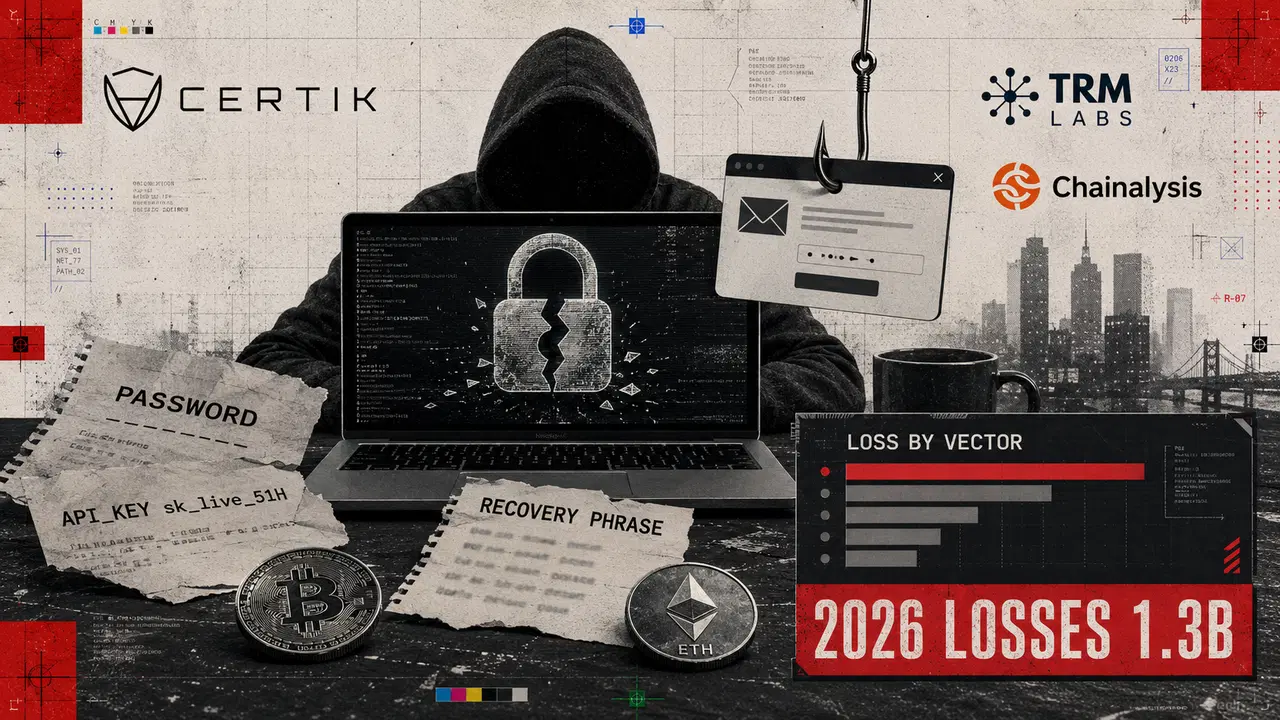
Crypto security failures can involve exchange systems, wallet supply chains, contract permissions and external price feeds. Recent incidents show why loss estimates and recovery claims need separate checks.
Crypto security covers the systems that hold assets, approve transactions and supply data to financial contracts. Theft can begin with a compromised exchange, an unsafe wallet setup or permissions that let someone move funds. Each incident needs its own evidence before its cause or financial impact can be stated confidently.
Bitget restored withdrawals after September’s theft
Bitget’s 24 September incident carried a reported gross theft of $387.5m, rounded to $388m in its official incident page. The dated timeline records USDT withdrawals resuming on 30 September and the final phase, including other cryptocurrencies, fiat and P2P services, on 2 October at 08:00 UTC.
Service restoration and recovery of stolen assets are separate milestones. An exchange can resume withdrawals using its own reserves or replacement funding while investigators continue tracing the theft.
Ledger is investigating CryptoBilis customer losses
Ledger Support said on 9 October that it was investigating losses involving customers of the Southeast Asian reseller CryptoBilis and had asked the reseller to pause sales and shipments.
YFarmX’s investigation, updated on 12 October, estimates a $103.4m gross drain at its 9 October valuation basis from 530 sending addresses. One person can control several addresses. Ledger confirmed an unauthorised hardware implant in one impacted device on 10 October, and CryptoBilis stopped all hardware-wallet sales. The wider investigation continues.
Contract permissions can move old funds
On 6 October, a keeper used for legacy MakerDAO ETH-A auctions lost 200 ETH, valued by CertiK at approximately $542,982 at the time. A keeper is software that submits transactions needed to keep a financial protocol operating.
CertiK’s transaction analysis identifies an unprotected function in the third-party keeper. The attacker used it to delegate account permissions, settle four auctions from 2020 and withdraw their collateral. This incident illustrates why permission reviews need to include old contracts and supporting services as well as the main protocol.
Read gross losses and recoveries separately
| Figure | What it measures |
|---|---|
| Gross stolen assets | Assets leaving the victim’s control, valued at a stated time |
| Frozen assets | Funds a service has blocked from moving while ownership or recovery is resolved |
| Returned assets | Funds actually restored to the victim or an authorised recovery address |
| Collector transfers and swaps | Later movements of the same assets, which must be excluded from additional loss counting |
A token price change can alter a dollar estimate without another theft occurring. Early alerts can also cover only part of an incident. Keep the source, observation date and valuation basis beside the amount.
Match the protection to the system
For a wallet, follow the maker’s current advisory and verify software and device provenance. For a contract, review who can approve transfers, upgrade the code and supply prices. For an exchange, assess custody arrangements and the operator’s incident disclosures.
The exploit tracker links each recorded incident to its evidence and preserves the difference between an established mechanism and an investigation still in progress.
More Crypto
All Crypto →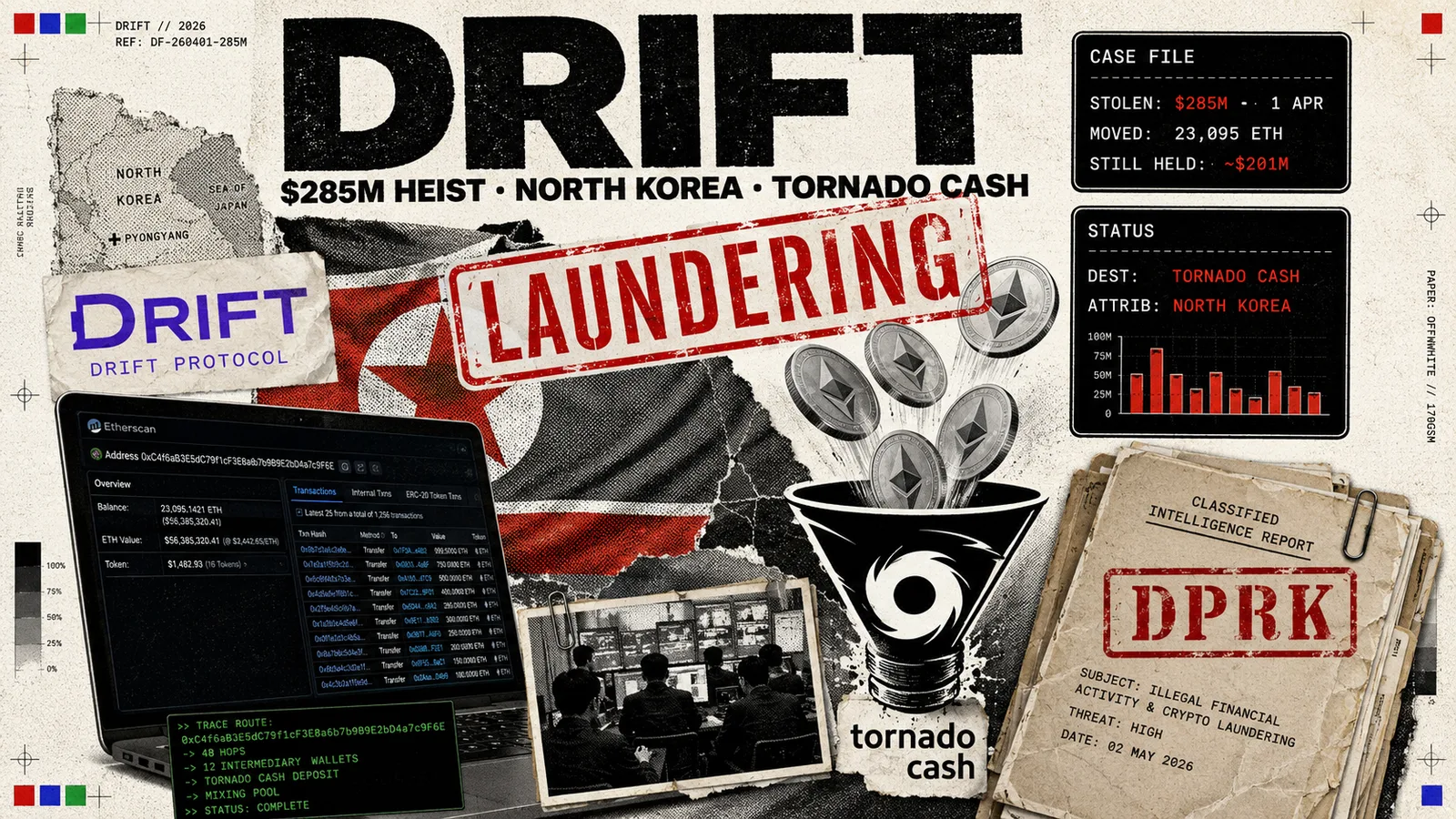
North Korea's Drift hackers just moved $44m into Tornado Cash
The North Korea-linked wallet that drained Drift Protocol of about $285 million in April moved $44.4 million into Tornado Cash on 23 July. Here is the on-chain trail, the attribution and why the money is unlikely to come back.
More in Investing & Markets
All Investing & Markets →- Spot Bitcoin ETFsFund shares, bitcoin holdings and dated investment flows
- Solana and XRP ETFshow they list without individual approval
- Tokenised real-world assetsConventional assets represented by blockchain tokens
- Bitcoin treasury companiesStrategy, Metaplanet and the reflexivity problem
- Crypto and macroHow economic conditions can affect crypto prices
- Quantum risk to Bitcoinexposed keys and migration