
Anthropic
Claude Code
the agent that lives in your terminal
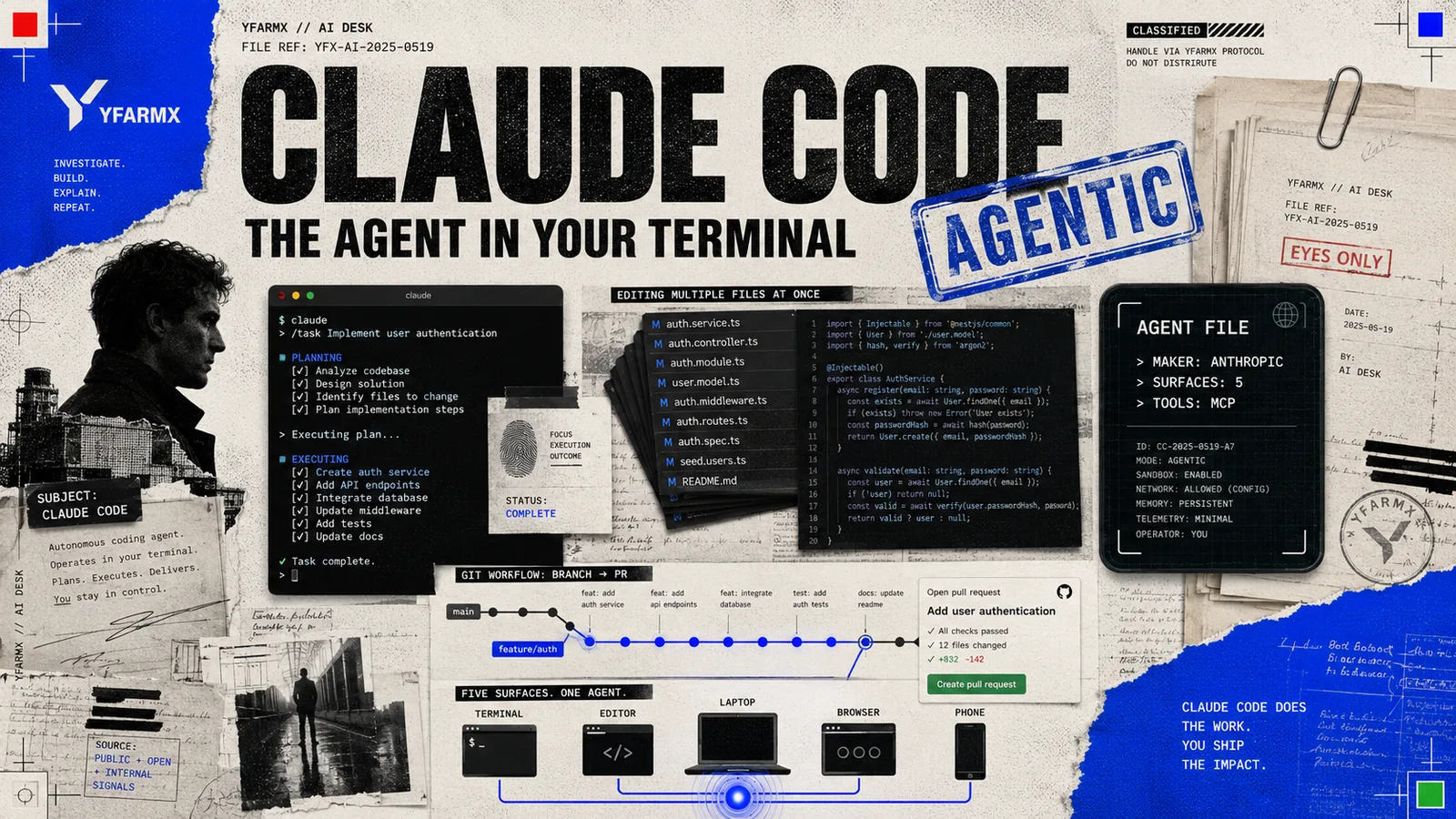
Key facts
- Anthropicthe Claude lab
- Maker
- 5terminal, IDE, desktop, web, mobile
- Surfaces
- MCPconnects to external systems
- Tool standard
- YesGitHub Actions, GitLab
- Runs in CI
Most AI coding tools suggest a line and wait. This one is handed the keys: it reads the repository, edits the files, runs the tests, fixes what broke and opens the pull request, then carries on while you are asleep.
Claude Code is Anthropic’s agentic coding tool. Where an autocomplete suggests the next line, Claude Code is given a goal and the run of the project: it reads the codebase, edits files across it, runs commands, checks whether the result works, and commits the change. It is the tool that made “give the model a terminal” a normal way to build software.
What it is
Claude Code is an AI coding assistant that understands a whole repository rather than the file currently open. You describe a task in ordinary language, and it plans an approach, writes the code across however many files the job touches, then verifies its own work by running the tests. It works directly with git, so it stages changes, writes commit messages, creates branches and opens pull requests. The same engine runs on five surfaces: a terminal command, extensions for VS Code and JetBrains IDEs, a desktop app, the browser at claude.ai/code, and the Claude mobile apps. Settings, project instructions and tool connections follow you across all of them.
How it works
Three mechanisms do most of the work. A CLAUDE.md file in the project root is read at the start of every session, which is where a team keeps its coding standards, architecture decisions and review checklists. The Model Context Protocol connects the agent to systems outside the repository, so it can read a design document, update a ticket or query a database. Hooks run shell commands before or after the agent acts, which is how a team enforces formatting or blocks a commit that fails lint. On top of that sit subagents: several Claude Code agents working on different parts of a task at once, coordinated by a lead agent that assigns the work and merges the results.
What it is used for
The everyday uses are the jobs engineers postpone: writing tests for untested code, clearing lint errors across a project, resolving merge conflicts, updating dependencies. Because the command-line version reads from a pipe, it slots into existing automation, so logs can be piped in for analysis or a translation task can be run inside continuous integration. Anthropic also runs it on a schedule through Routines, which execute on its own infrastructure rather than a laptop, and connects it to Slack and GitHub so a bug report in a channel can come back as a pull request.
Where it stands
Claude Code sits at the centre of the agentic coding field: rivals are routinely measured against it, and its file conventions and tool protocol have been adopted well beyond Anthropic’s own products. The open question is the same one facing every agent of this kind, which is how much autonomy a team is willing to grant a system that can run commands and push code, and how much review the output still needs.
More AI
All AI →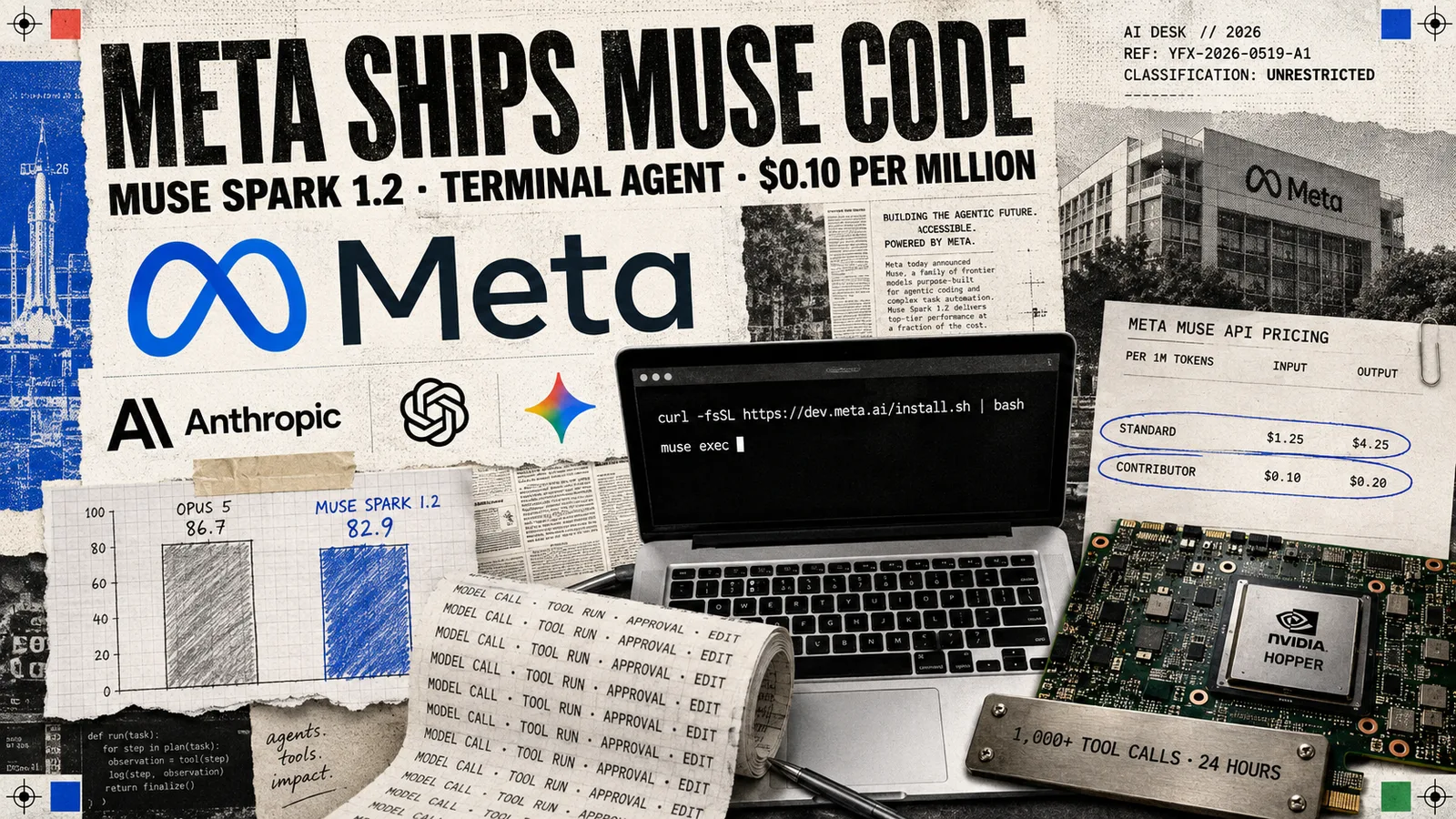
Meta ships Muse Code, and its own charts put Claude Code first
Meta released Muse Code in beta on 5 August, a terminal coding agent running the new Muse Spark 1.2. Opus 5 in Claude Code tops all three benchmark charts Meta published, including Meta's own internal one.
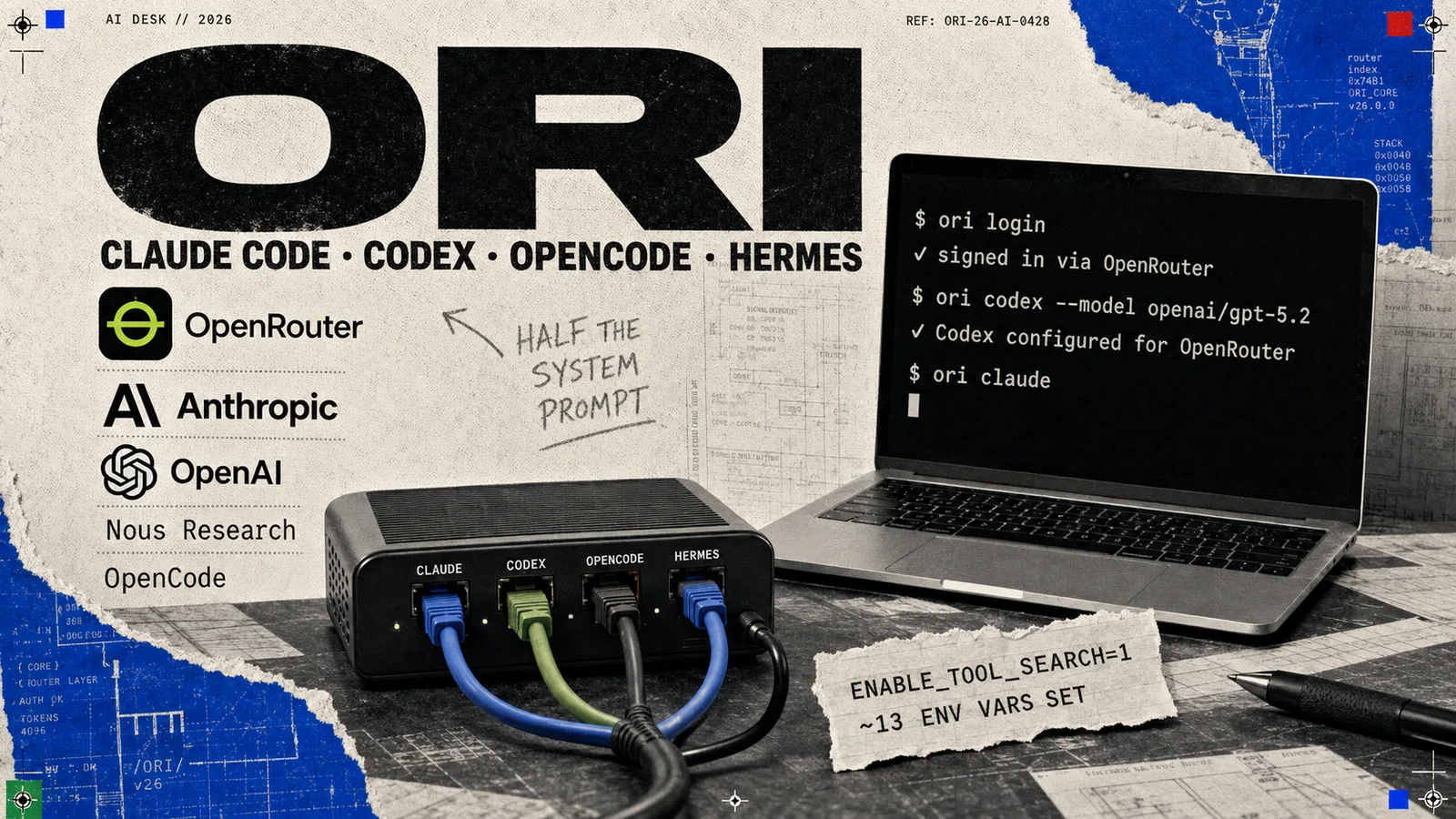
OpenRouter's Ori configures four coding agents in one command
OpenRouter has released Ori, a CLI that launches Claude Code, Codex, OpenCode and Hermes already wired to OpenRouter, with per-model settings the company says cut Claude Code's system prompt by almost half.
More in Agentic AI
All Agentic AI →- OpenClaw FoundationOpenClawthe open-source agent that took over GitHub
- Nous ResearchHermes Agentthe self-improving open-source agent
- GuideHermes Agent promptinghow to get real work out of it
- OpenAIOpenAI Codexthe agent that spans every surface
- Linux FoundationModel Context Protocolthe USB-C port for AI agents
- AnysphereCursorthe editor that became an agent