
Ethereum
payments, applications and network upgrades
Key facts
- $4,946Aug 2025
- Peak
- ~50%below peak
- Drawdown
- Q4 2026in development
- Glamsterdam target
- 2027planned upgrade
- Hegotá target
- #2crypto asset
- Rank
Ethereum is a blockchain for payments and shared applications. Learn how Ether, staking, Layer 2 networks and the upcoming Glamsterdam upgrade fit together.
Ethereum settles payments and runs shared applications
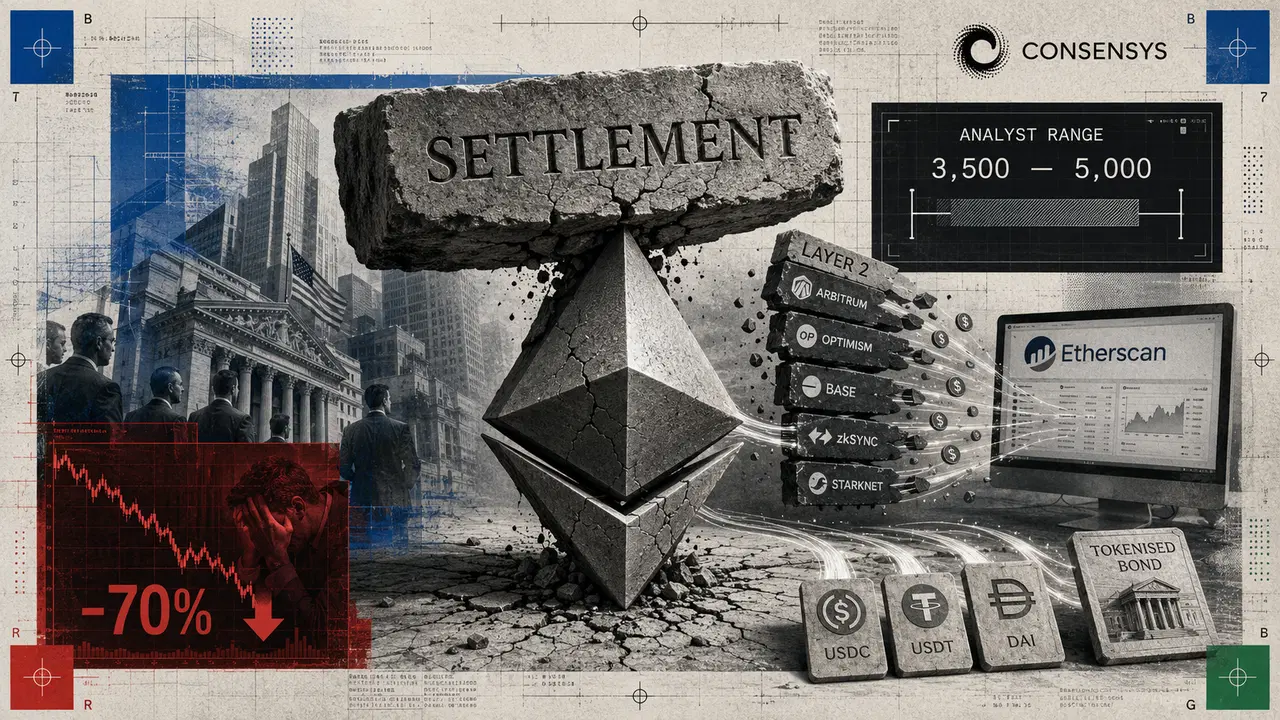
Ethereum is a blockchain that records payments and runs applications whose rules are stored on the network. Ether, its native currency, pays transaction fees and helps secure the network through staking. At 01:46 UTC on 13 October 2026, CoinGecko priced Ether at $2,456.4, with a market value of $299.98bn. It ranked second among crypto assets and traded about 50% below its $4,946.05 high of 24 August 2025.
Ether pays fees and secures the network
Ether has two central uses on Ethereum: paying for transactions and backing validators through staking. Validators check proposed blocks and help the network agree on its history. Staking introduces operational and market risks; a displayed staking return depends on the service, fees and network conditions. Ethereum’s staking guide explains the available approaches.
Layer 2 networks group transactions before settling them
Layer 2 networks process transactions and publish the information or proofs needed to settle them on Ethereum. Grouping activity can reduce the cost per transaction. Users still need to assess each network’s bridge, withdrawal rules, upgrade controls and security design. The Layer 2 guide explains how these systems use Ethereum for settlement.
The effect on Ether’s value depends on several things, including demand for block space, fees paid for data and settlement, issuance and fees burned. More activity on a connected network does not produce a fixed amount of income for Ether holders.
Glamsterdam is targeted for the fourth quarter
Ethereum’s roadmap, checked on 13 October 2026, lists Glamsterdam for the fourth quarter of 2026 and Hegotá for 2027. Both are in development, and their targets can change. Pectra went live on 7 May 2025; Fusaka followed on 3 December 2025.
The Glamsterdam plan focuses on changes to how blocks are built and verified as the network scales. The final scope and activation date depend on development, testing and coordination among client teams. Our Fusaka and PeerDAS guide explains the data-availability changes already delivered by the preceding upgrade.
Read market prices and network progress separately
The price snapshot above has a date because Ether trades continuously. Network upgrades have their own testing and activation schedules. To follow progress, check the published roadmap and client announcements alongside dated measures of fees, activity and staking. For related assets, see the network directory.
More Crypto
All Crypto →
Ethereum’s Fusaka Upgrade locked for 3 December
Ethereum core developers have formally set 3 December 2025 (~21:49 UTC, slot 13,164,544) for mainnet activation of the Fusaka Upgrade, following clean rollouts on all public testnets and a final green light on today’s ACDC call #168.
Ethereum’s Fusaka upgrade goes live, bringing PeerDAS to mainnet
Ethereum’s Fusaka hard fork is now live on mainnet, with finality confirmed shortly after the 22:00 GMT slot on 3 December. Client teams report a smooth transition, strong validator participation, and no immediate hiccups, exactly what you want from a major scaling upgrade.
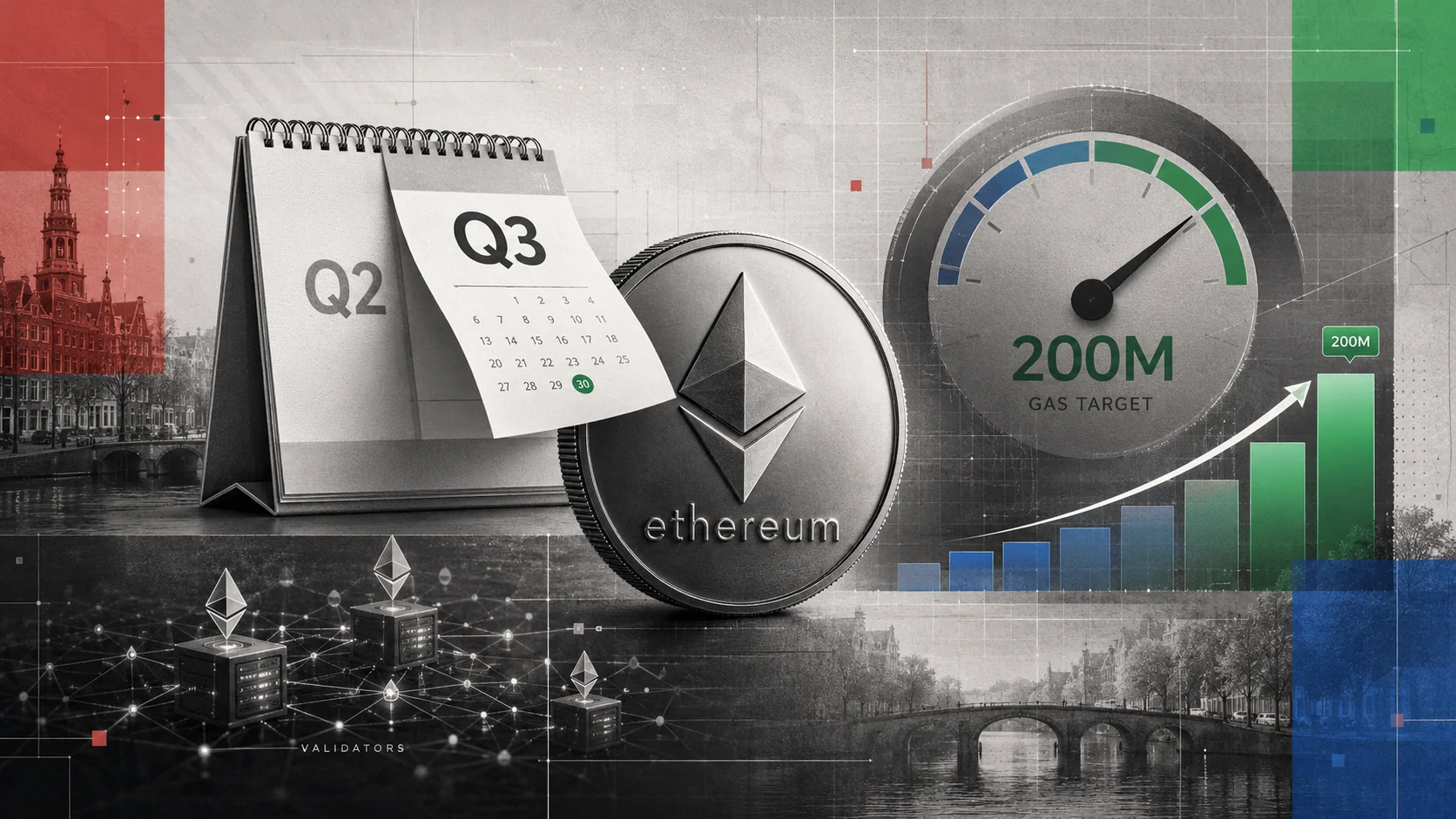
Ethereum Glamsterdam upgrade slips to Q3, but the 200 million gas target is the real story
The Ethereum Glamsterdam upgrade will not arrive on its original June schedule.