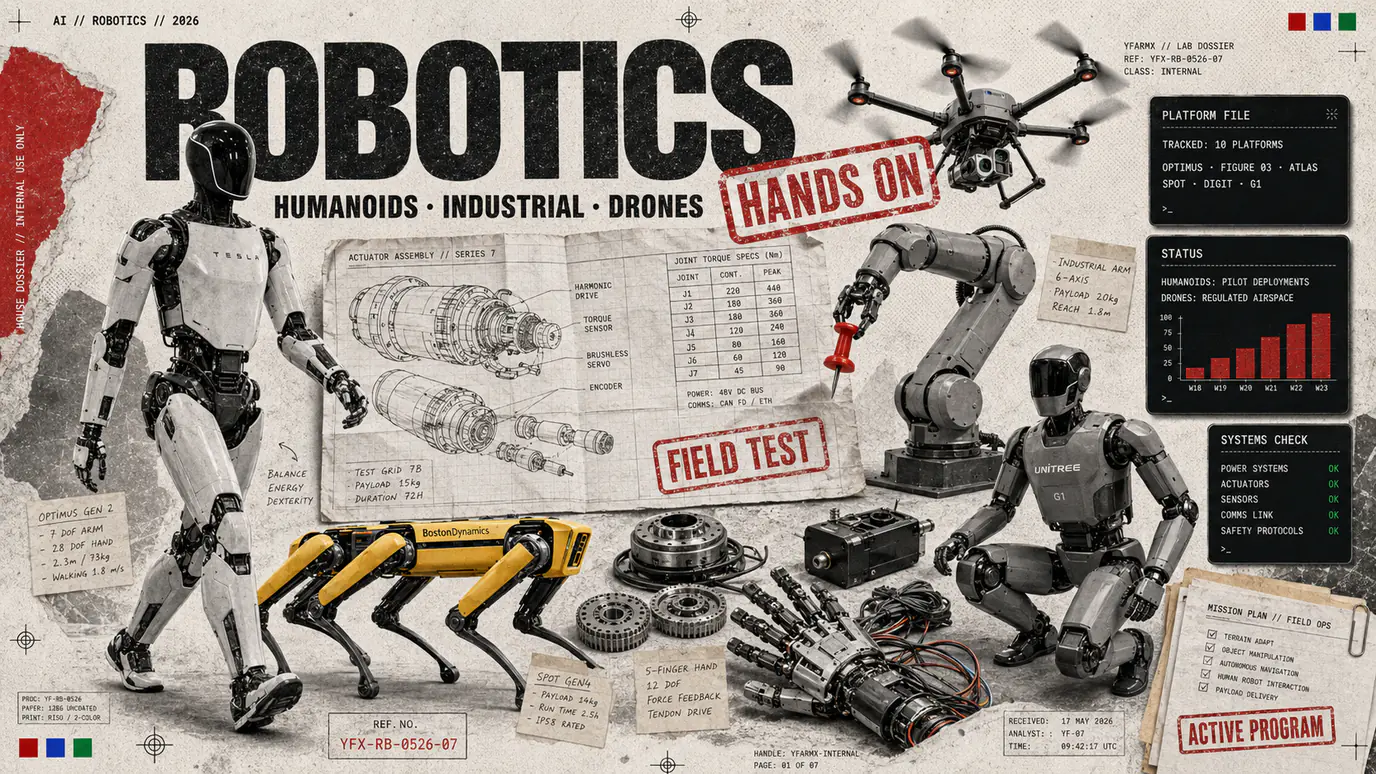
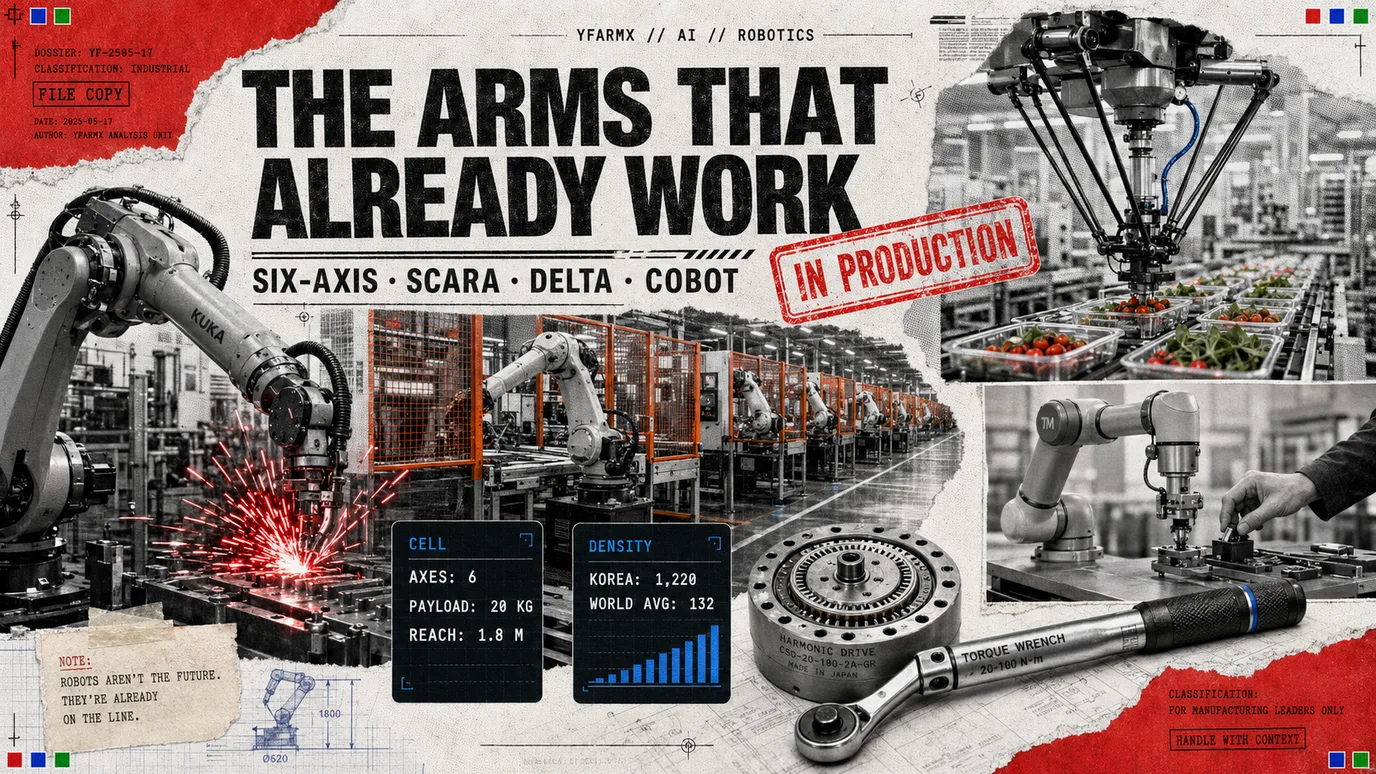
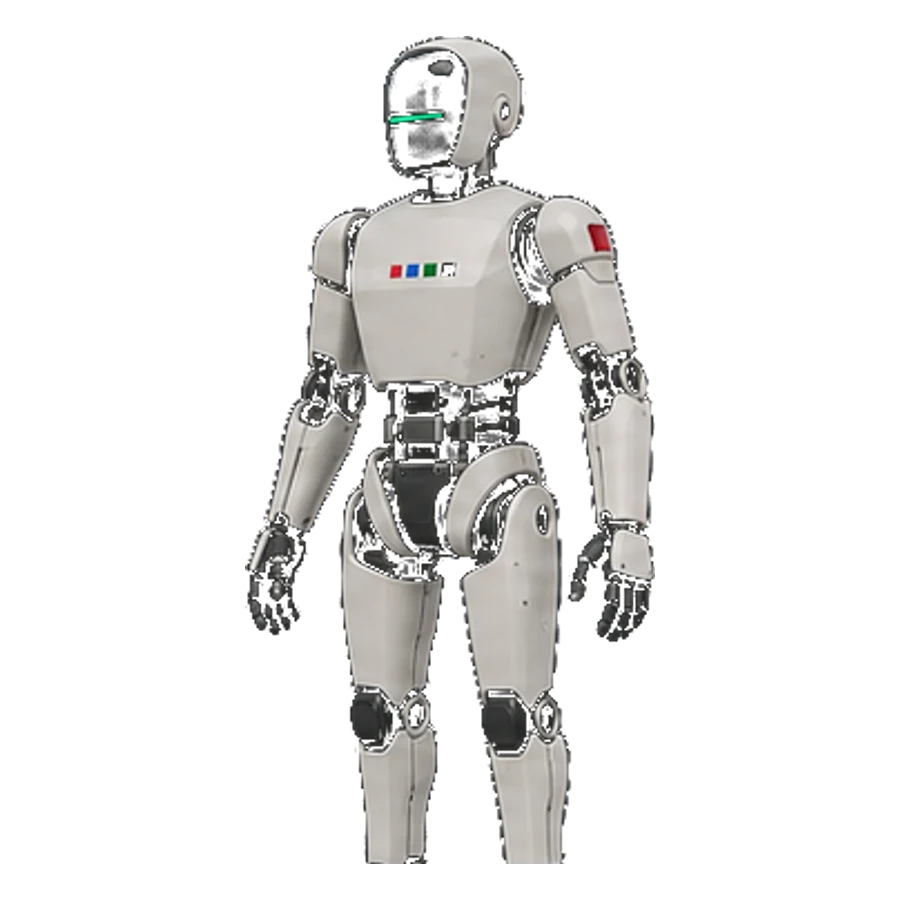
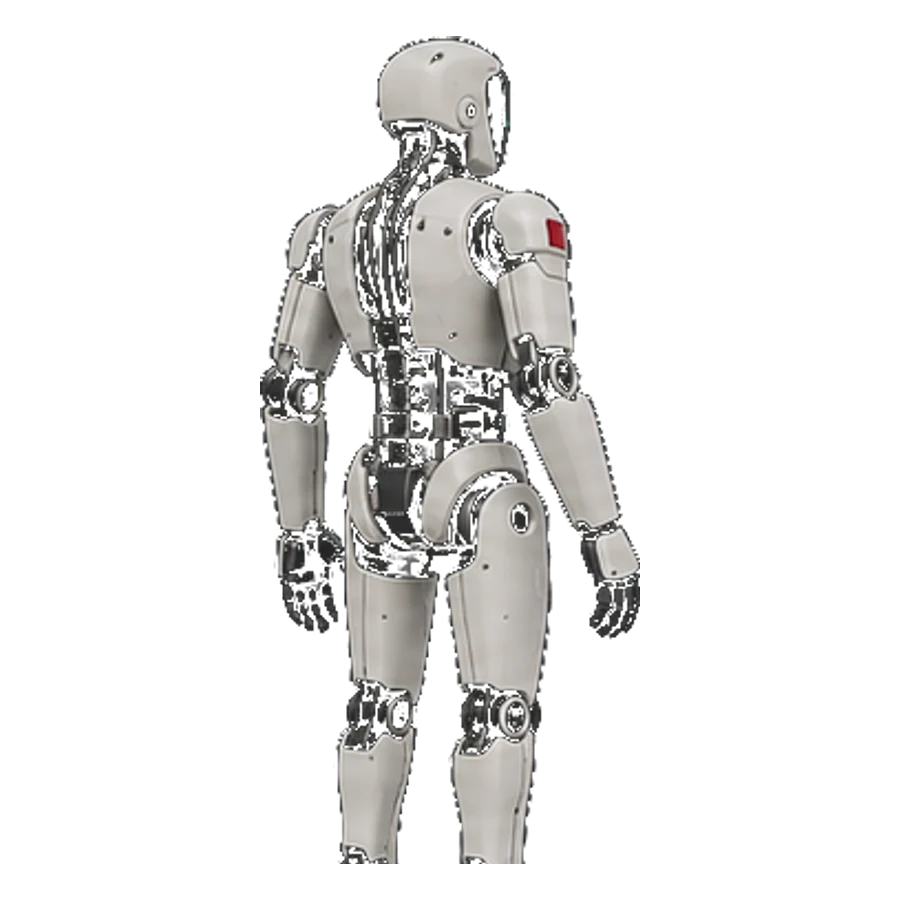
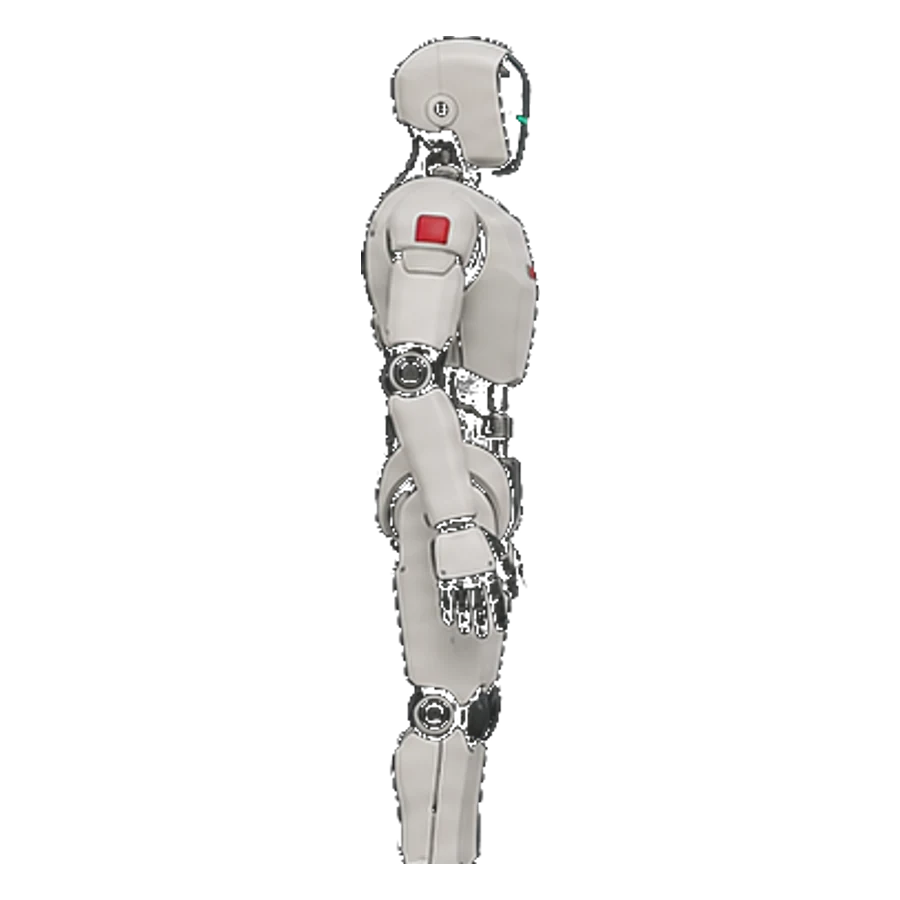
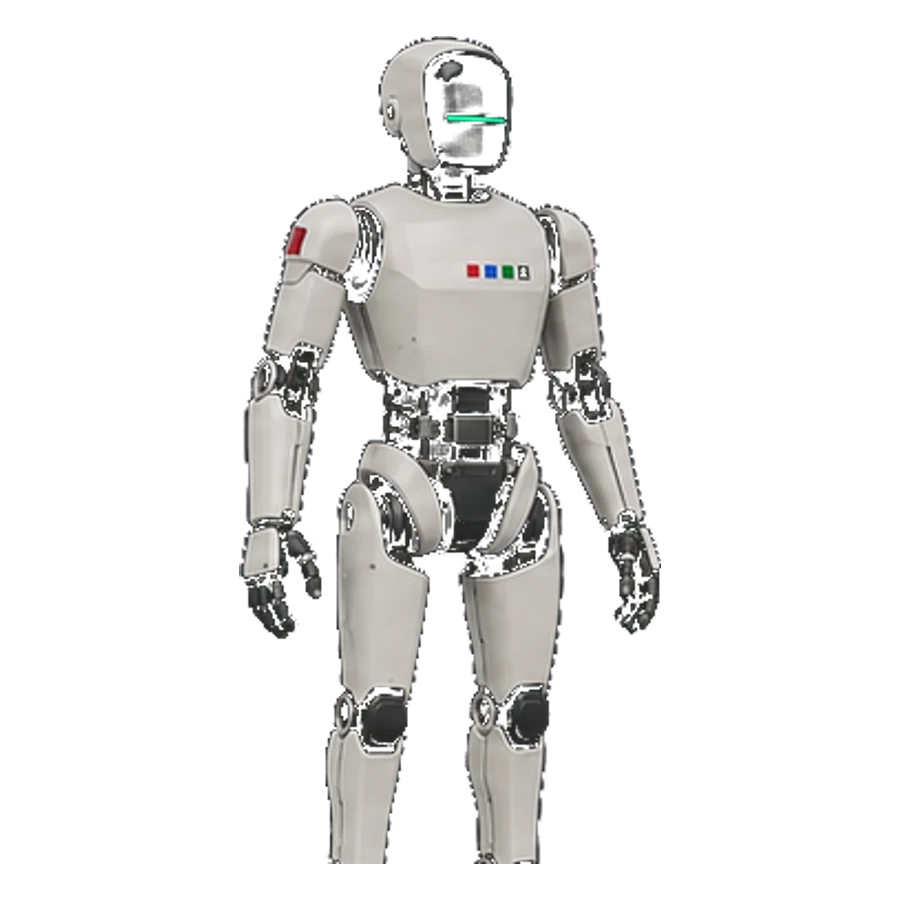
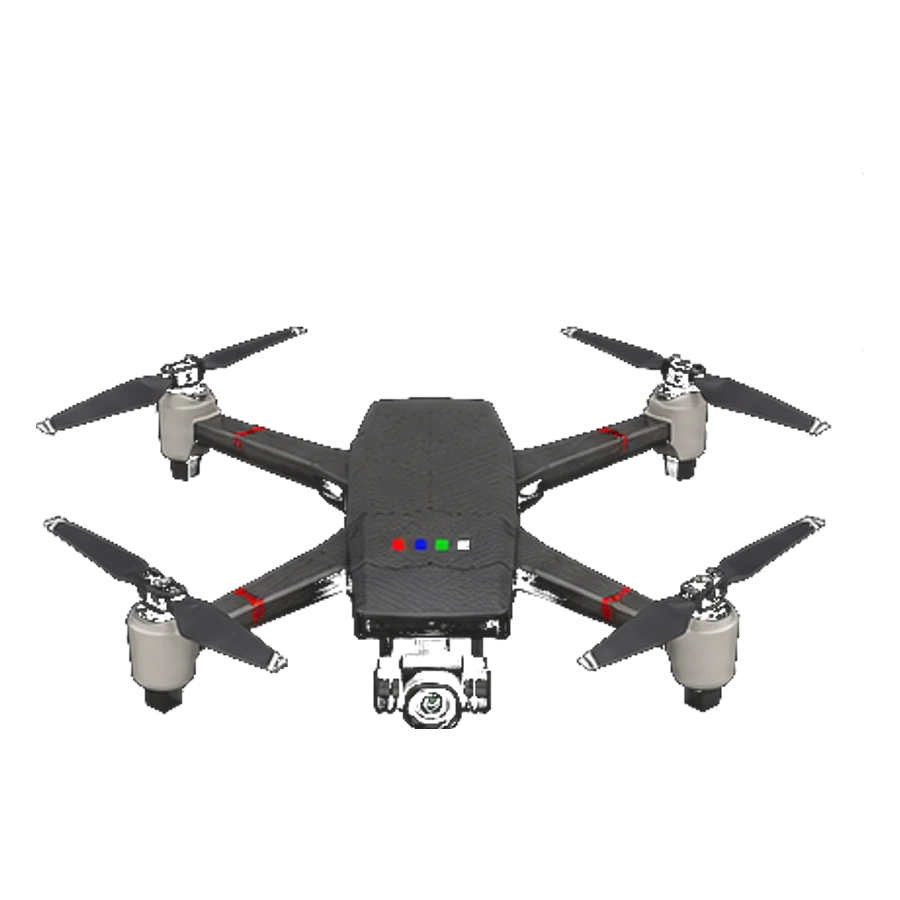
Humanoids that walk, lift and work a shift on a factory line. Arms that pick and pack. Quadrupeds that patrol ground a person should not. Each machine below is a real one you can go and look at, with what it can actually do quoted from the people who built it.
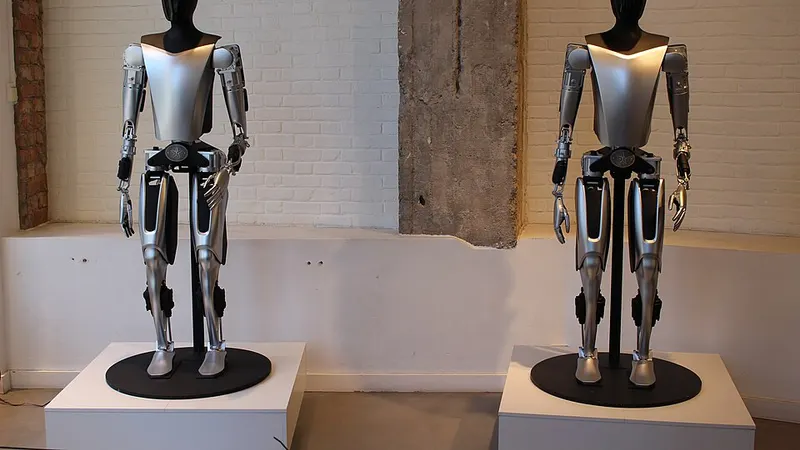
Tesla describes Optimus as a general purpose, bi-pedal, autonomous humanoid robot designed to perform unsafe, repetitive or boring tasks. On 1 July 2026 Tesla chief executive Elon Musk posted a photograph of himself with staff at the Fremont factory, captioned "Walking the Optimus production line in Fremont".
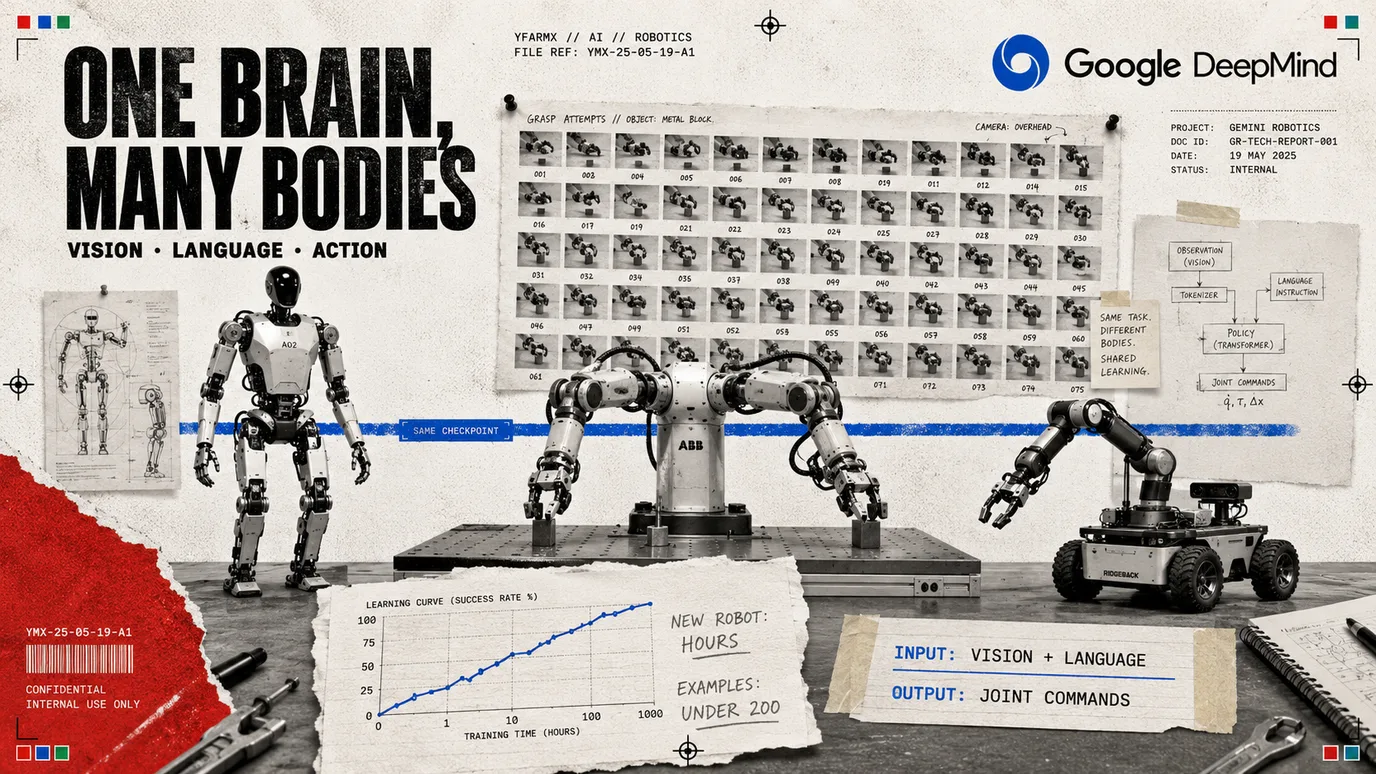
Figure calls Figure 03 a general purpose humanoid robot for every day, powered by its Helix AI, which it now presents as navigating unpredictable, ever-changing home environments, and has demonstrated it performing a logistics sequencing workflow at BMW Group Plant Spartanburg. On 3 September 2026 Figure signed a strategic partnership with Nscale for up to 100,000 GPUs at full scale on the NVIDIA Vera Rubin platform, an initial $3.5bn compute commitment carrying an intent to scale to over $6bn, for training Helix, with first deployment at Barstow, Texas targeted for the second half of 2027. On 17 September 2026 Figure introduced Helix 2.5, pretrained on Index, its dataset of human behaviour, which completed 237 of 420 trials (56%) at tidying toys, folding towels and making beds in 30 Bay Area homes new to the robot; the same architecture trained from scratch without Index completed 35 of 420.
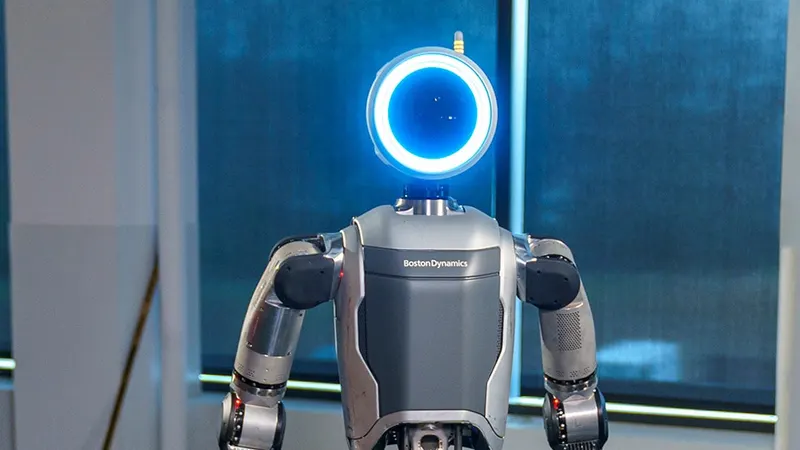
Boston Dynamics’ electric humanoid is being developed for industrial work. Its GR3 hands, detailed on 1 October, have four fingers and 13 degrees of freedom, with pressure sensing in the fingertips and palm. The maker demonstrates the hands using tools and handling objects.
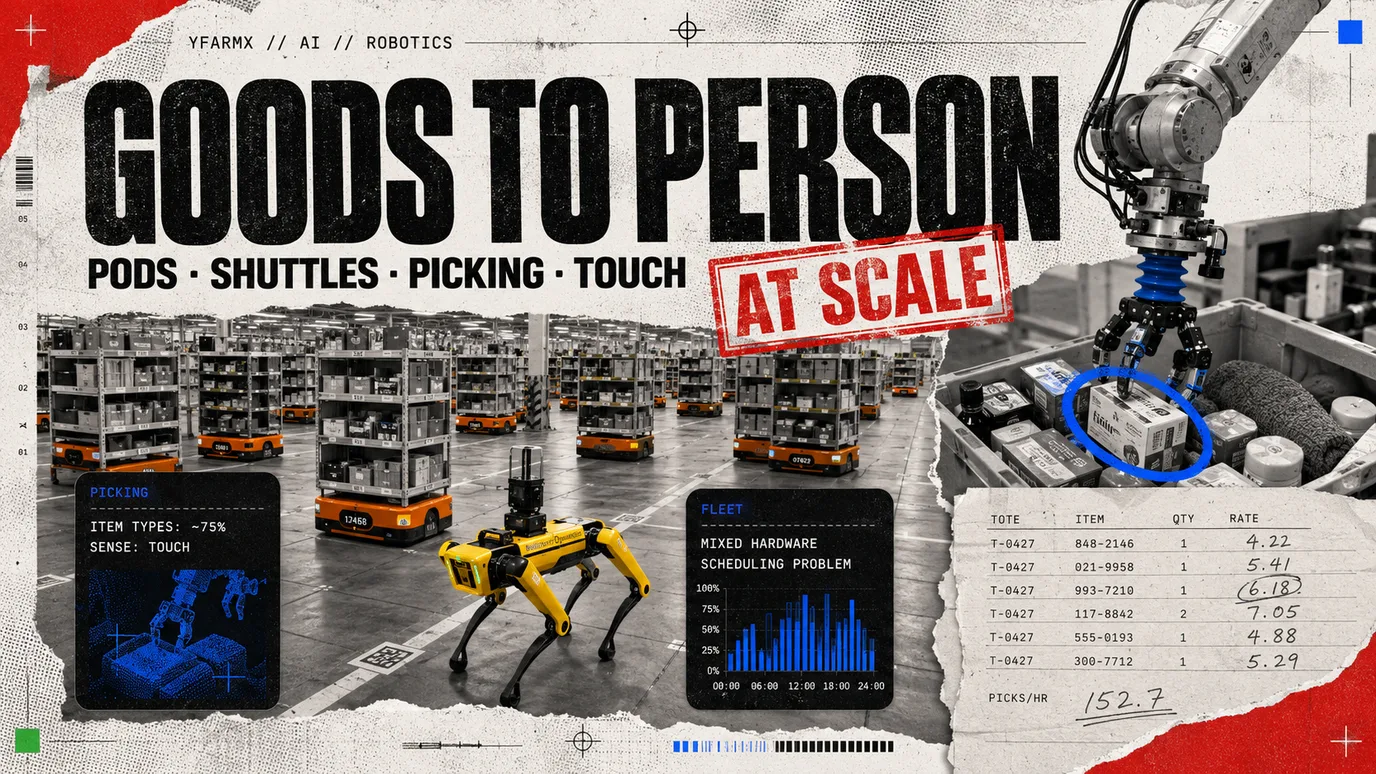
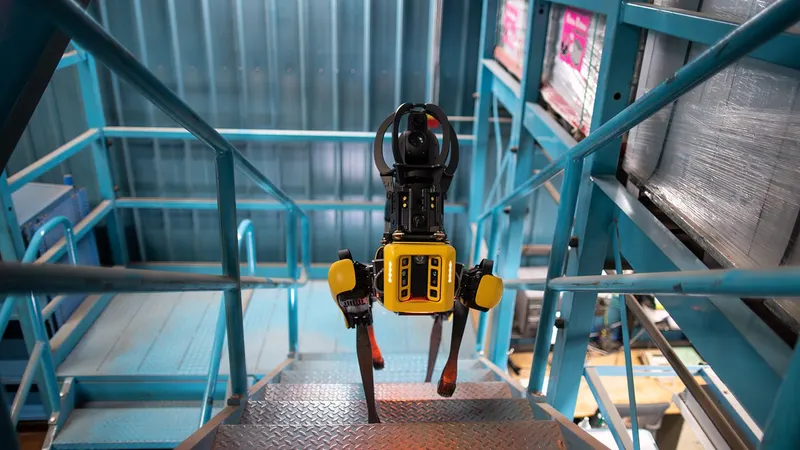
Boston Dynamics’ four-legged robot carries sensors around industrial sites for inspection. The Spot 5.2 release, announced on 10 September, adds AI visual and video inspections. Orbit’s MCP connection lets an AI agent request inspections and retrieve the results.
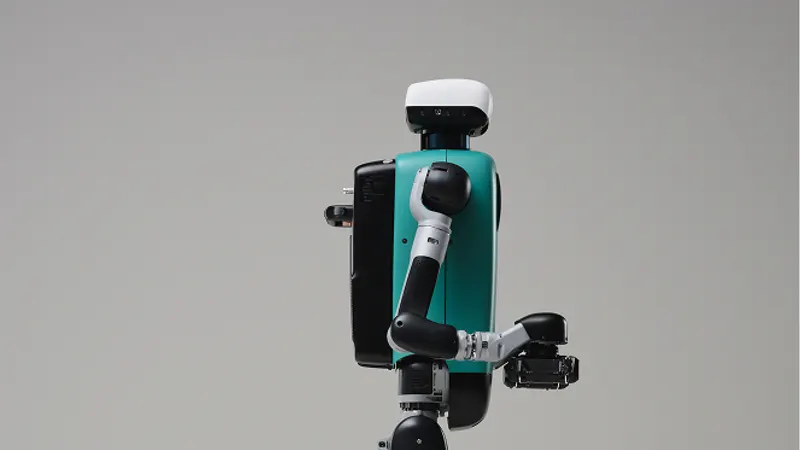
Agility’s Digit 4 is deployed in warehouse work. Digit 5 is planned for early access in the first half of 2027, with general availability expected by the end of 2027. On 1 October, Agility and FORT Robotics announced an agreement to develop off-robot safety communications, monitoring and operator controls.
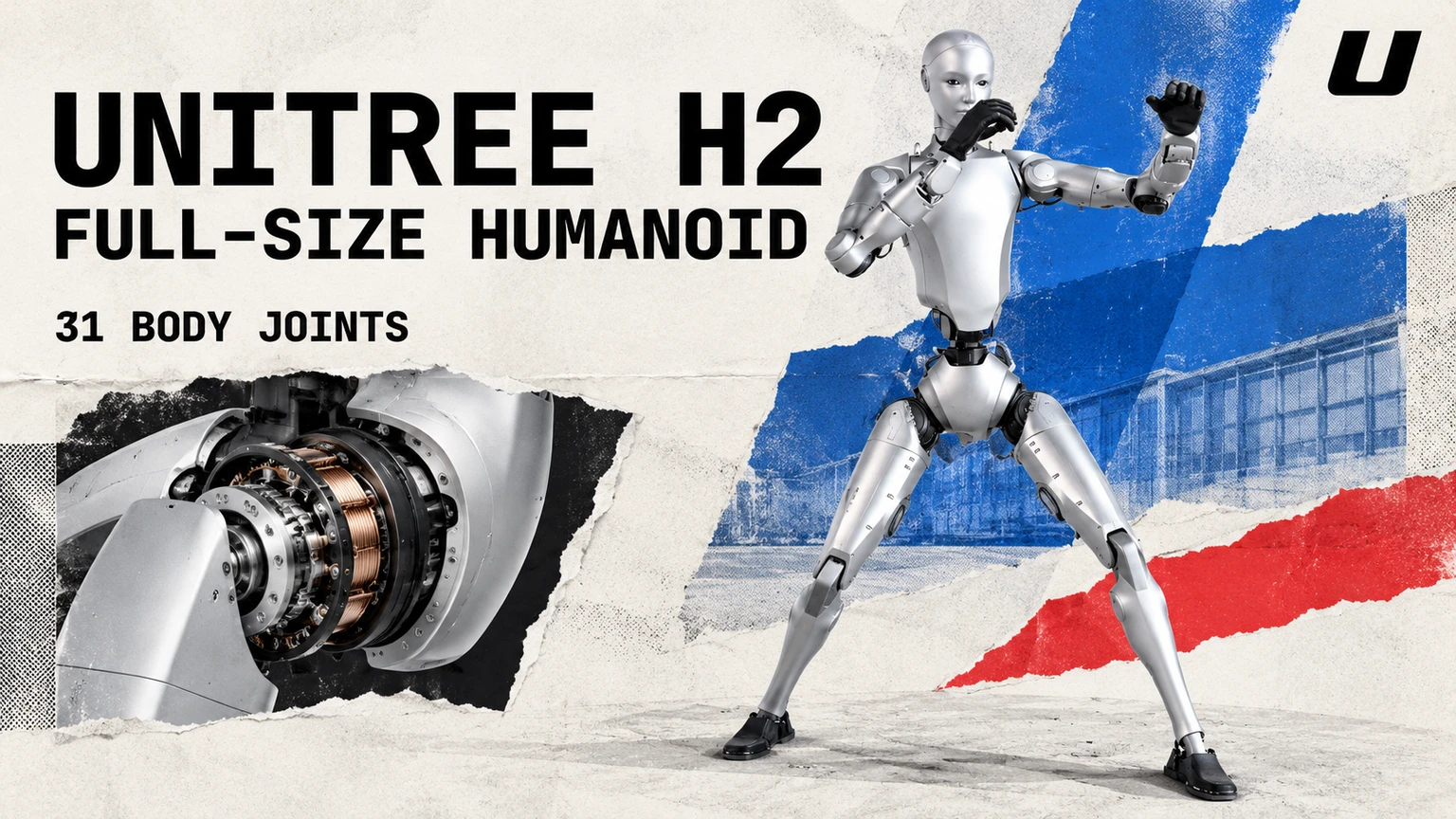
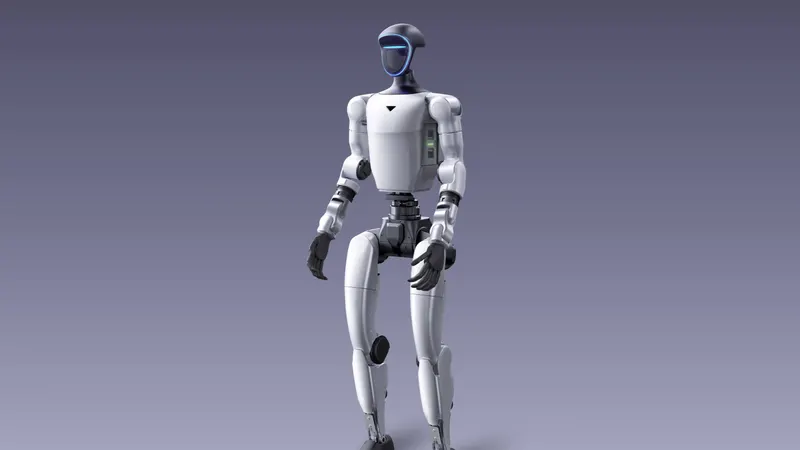
Unitree markets the G1 as a humanoid agent AI avatar with 23 to 43 joint motors, driven by imitation and reinforcement learning, with an optional force-control dexterous hand, priced from US$13,500.
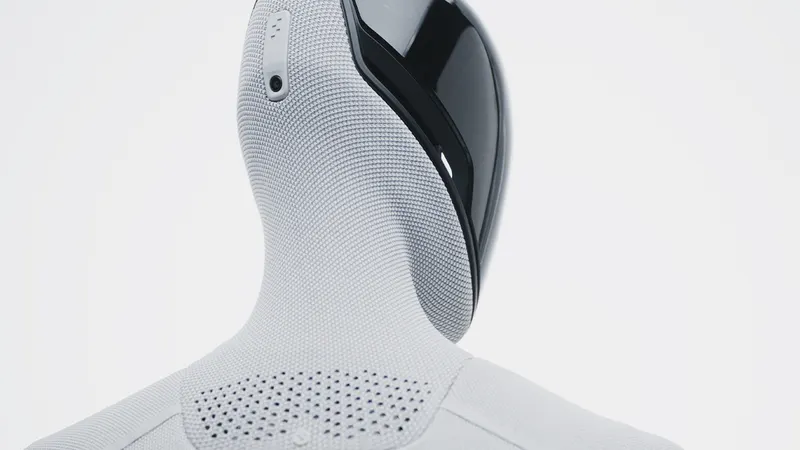
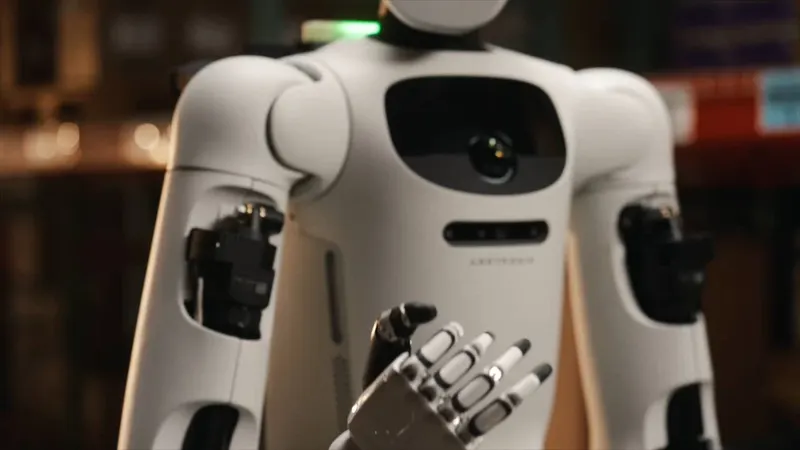
1X presents NEO as a home robot built for full autonomy that takes on household chores, with a voice interface, self-charging and a companion app; orders are open with a $200 deposit under an Early Access programme.
Apptronik describes Apollo as combining humanoid form, dexterous manipulation and real-world mobility in bipedal and wheeled configurations, with swappable batteries enabling 7x22 operation; data-collection workflows are deployed at customers including Mercedes-Benz and GXO; in July 2026 Google DeepMind used Apollo 2 to demonstrate whole-body humanoid control with Gemini Robotics 2.
Pollen Robotics, part of Hugging Face, sells Microduck as a 25 cm, 800 g bipedal duck you train yourself with reinforcement learning, carrying 15 motors, a camera, an 8x8 time-of-flight LiDAR, two IMUs, microphones and a speaker, two NFC antennas, Wi-Fi and Bluetooth. Pre-orders opened on 27 August 2026 at $399 before taxes and shipping (€340 in the EU); the software stack is published under Apache-2.0 while the hardware design stays proprietary, and the press kit targets first deliveries before Christmas 2026. Pollen’s store, checked on 10 October, targets first deliveries before Christmas 2026. This remains a delivery target for pre-orders.
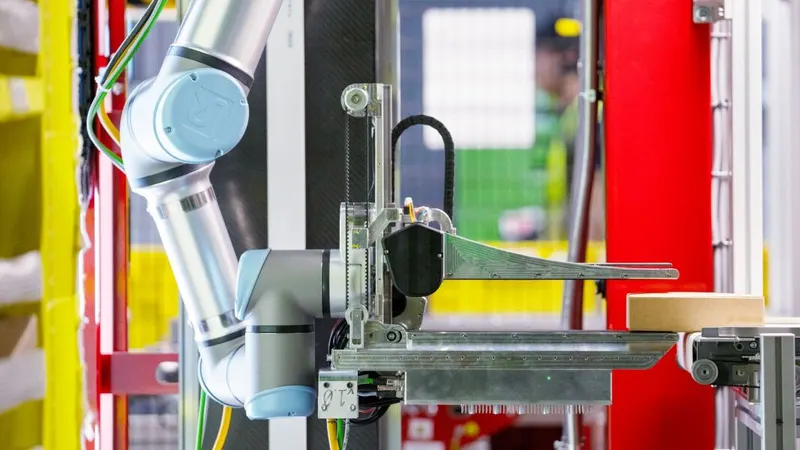
Amazon calls Vulcan its first robot with a sense of touch, picking and stowing items in fulfilment centres; Amazon says it can handle approximately 75% of item types and is operating in Spokane, Washington and Hamburg, Germany, with wider rollout planned.
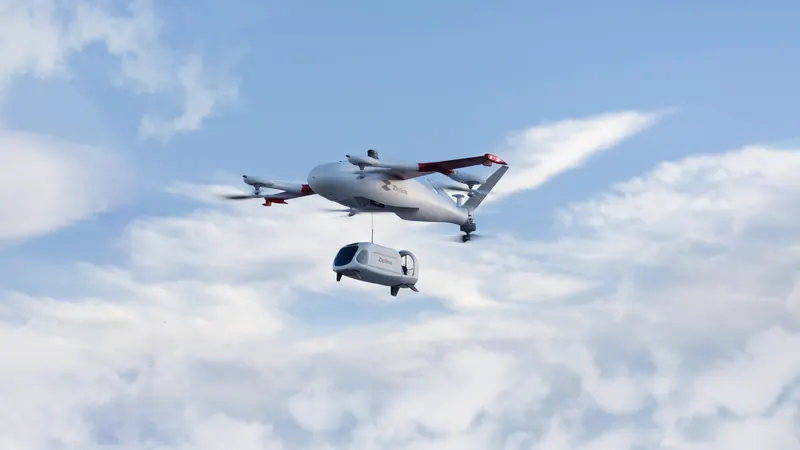
Zipline's Platform 2 pairs an autonomous Zip aircraft with a tethered delivery droid for precise home delivery; Zipline says its fleet has flown more than 135 million autonomous miles and makes a delivery every 20 seconds somewhere in the world. In late July 2026 Cleveland Clinic began prescription deliveries by Zipline drone around Beachwood, Ohio, described in the clinic's own announcement as the first long-term prescription drone delivery programme by a US health system, the drone hovering at up to 300 feet and lowering a tethered pod.